March 4th, 2025
Our flight from Singapore landed 15 minutes early, immigration and luggage retrieval went well, got stopped at Customs for our booze and nuts but were cleared and it was back to Matilda via the airport shuttle bus. She didn’t want to start but our trusty jump started solved that issue and off we went. The time is ahead 1.5 hours from Singapore but that shouldn’t take long to get used to. It’s hot here, still low 30’sC with high humidity and today is full on sun so feels even hotter.
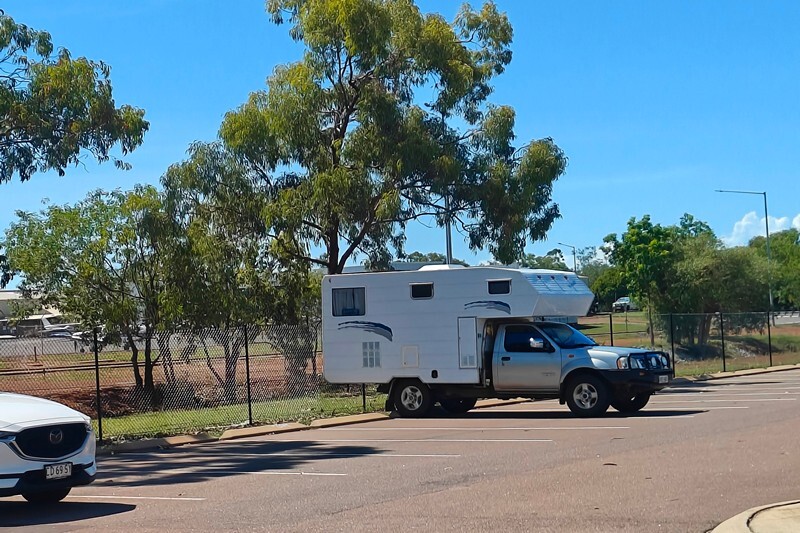
We stopped at the post office to see if our Amazon parcel; nope. The Amazon parcel shows delivery for tomorrow so hopefully after Matilda’s oil change, we can pick it up and be on our way.
We parked back at the Big 4 campground we’d stayed at before our visa run (although now it’s $54 a night not $99 for three nights!). But still for what we get – full amenities – we can’t complain much. After setting up, defrosting the fridge and unpacking, we went for a dip in the pool to cool off and not having much in the way of groceries, had hot air popped popcorn for dinner. It was yummy!
That night Fran again, had trouble settling down due to coughing even with meds but we both managed to get more sleep once she fell asleep by midnight. We were up at 7 am on Wednesday and at the garage by 8 for the oil change. We think they may have forgotten our appointment as they said it could day ALL day – this made no sense and it was done by 10 – more like it. There were a couple things they also did (some after asking, others, not….) and we went directly to the mall to grocery shop. Then it was back to the post office and our Amazon delivery had arrived and back to the campground for a final night in Darwin. It’s very hot today: 34C feels like 44C so we are glad for the pool and the AC.
Doug went for a walk and Fran rested by the pool – hoping to give her cold a break. She is coughing a lot which tends to happen to her with a cold and it will probably be a few nights of little sleep until things settle. She’s had colds where the cough lasts a month!
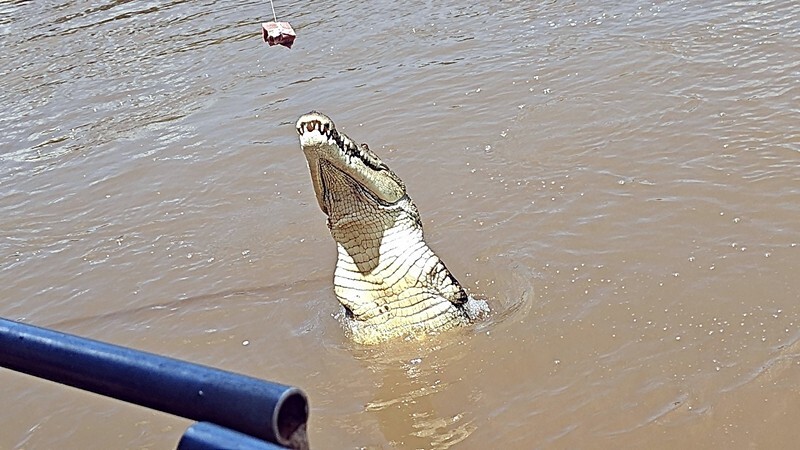
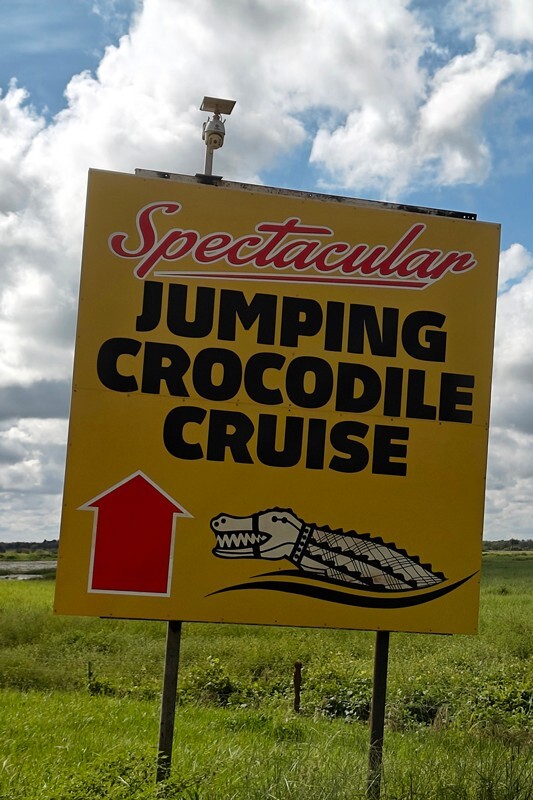
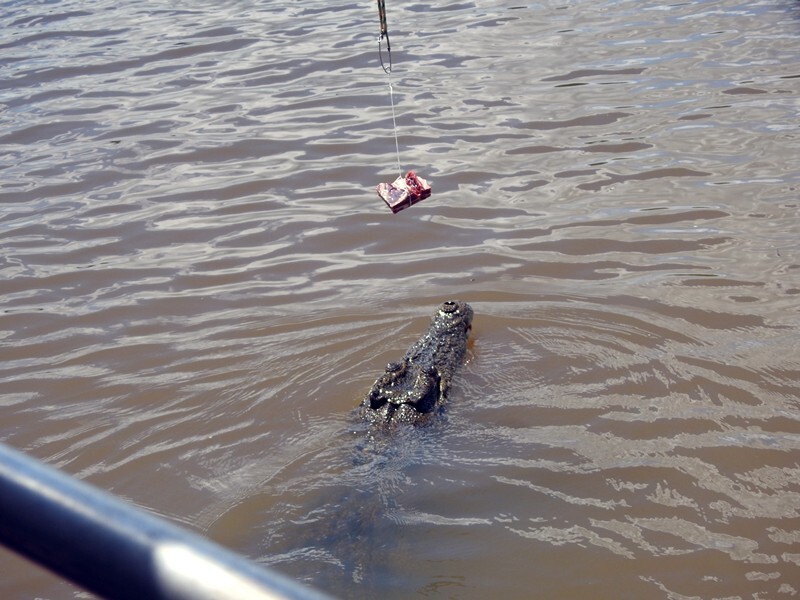
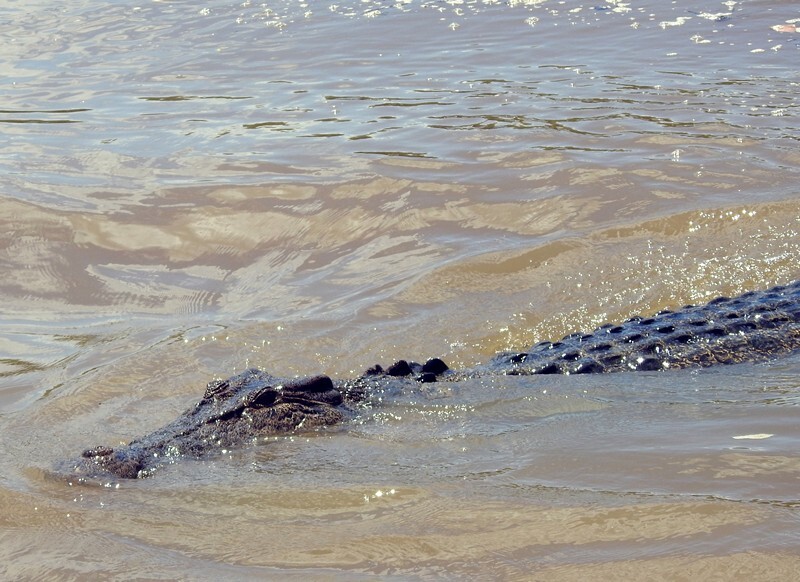
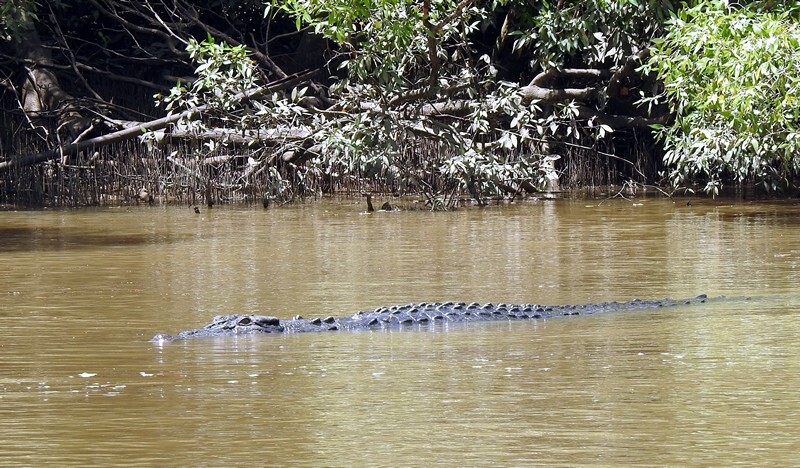
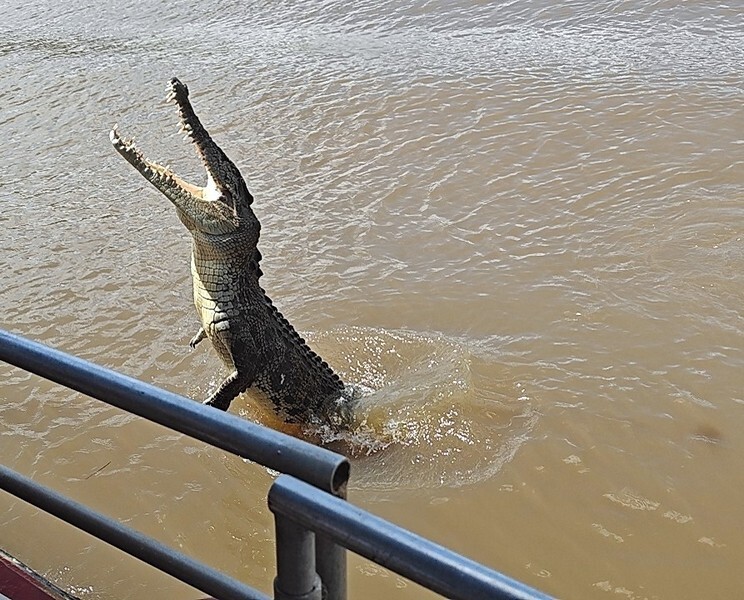
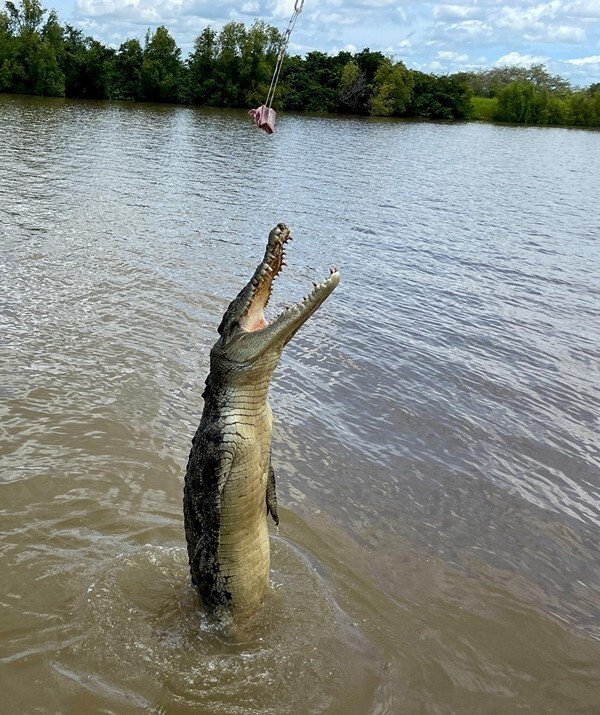
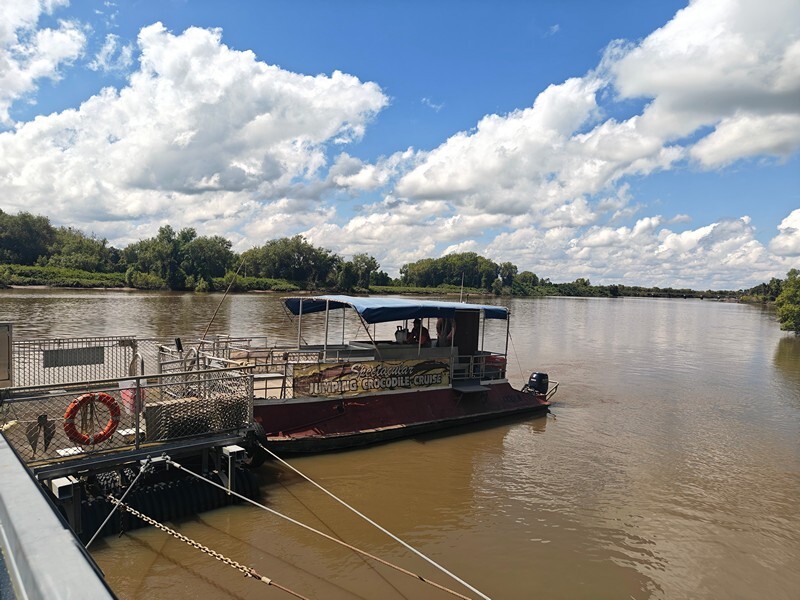
So Thursday morning after Doug’s run and our showers (Fran did not feel up to exercising) we made our way out of Darwin. Doug had made us a reservation yesterday for the “Spectacular Jumping Crocodile” Boat Tour for 11 today so we made our way there and arrived nearly an hour early. At 11 about a dozen of us boarded the boat for a one hour tour. We saw a total of about nine crocodiles. There was a fellow on board who would dangle a hunk of water buffalo meat to try and get them to jump, which by the way is a natural behaviour and not one learned from these boat ventures.
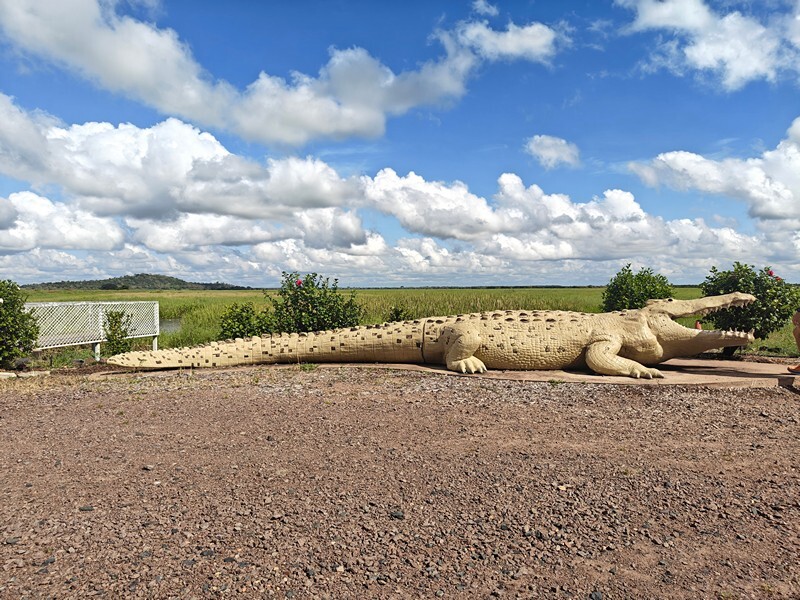


The saltwater crocodile is a crocodilian native to saltwater habitats, brackish wetlands, and freshwater rivers from the east coast of India, across Southeast Asia to northern Australia and Micronesia. It was hunted for its skin throughout its range up to the 1970s, and is threatened by illegal killing and habitat loss. It is regarded as dangerous to humans.
The saltwater crocodile is the largest living reptile. Males can grow up to a weight of 1,000–1,500 kg / 2,200–3,300 lb and a length of 6 m / 20’, rarely exceeding 6.3 m 21’. Females are much smaller and rarely surpass 3 m / 9.8’. It is also called informally, the saltie. The saltie is large and opportunistic hyper-carnivorous, which ambushes most of its prey and then drowns or swallows it whole. They will prey on almost any animal that enters their territory, including other predators such as sharks, varieties of freshwater and saltwater fish, invertebrates, such as crustaceans, various amphibians, other reptiles, birds and mammals.
The saltwater crocodile has a wide snout and a pair of ridges runs from the eyes along the centre of the snout. The scales are oval in shape and the scutes are either small compared to other species or commonly are entirely absent. The adult saltwater crocodile’s broad body contrasts with that of most other lean crocodiles, leading to early unverified assumptions the reptile was an alligator.
Of all the crocodilians, the saltwater crocodile and Nile crocodiles have the strongest tendencies to treat humans as prey. The saltwater crocodile has a long history of attacking humans who unknowingly venture into its territory. As a result of its power, intimidating size and speed, survival of a direct predatory attack is unlikely if the crocodile is able to make direct contact. In contrast to alligators where a degree of coexistence may be the policy, the only recommended policy for dealing with saltwater crocodiles is to completely avoid their habitat whenever possible, as they are exceedingly aggressive when encroached upon.
Exact data on attacks are limited outside Australia, where one or two fatal attacks are reported per year. From 1971 to 2013, the total number of fatalities reported in Australia due to saltwater crocodile attack was 106. The low level of attacks may be due to extensive efforts by wildlife officials in Australia to post crocodile warning signs at numerous at-risk billabongs, rivers, lakes and beaches. In the Northern Territory in Australia, attempts have been made to relocate saltwater crocodiles who have displayed aggressive behaviour towards humans but these have proven ineffective as the problem crocodiles are apparently able to find their way back to their original territories.
This was a very cool boat tour and we’re glad we did it. We saw a few of them who would jump so you could see them better otherwise you just see them floating in the brown water.
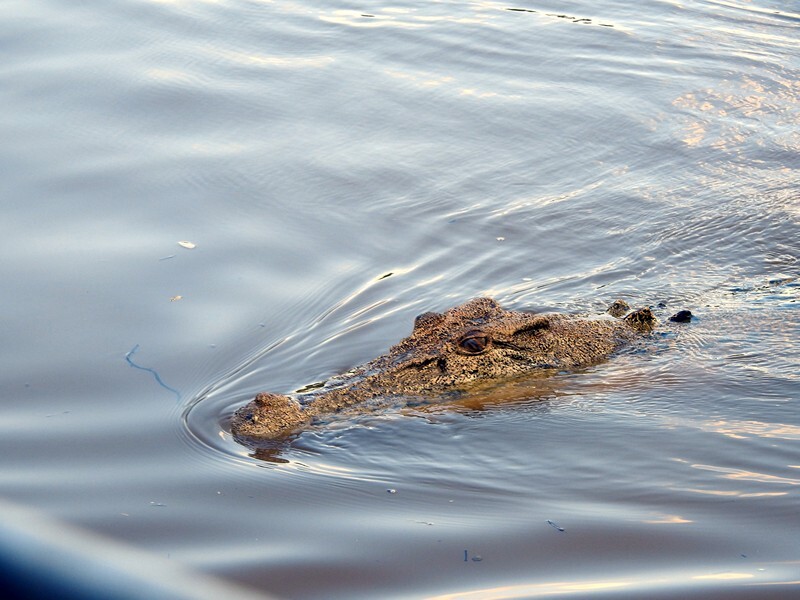


And if you would like to see more shots of the crocs, click here.
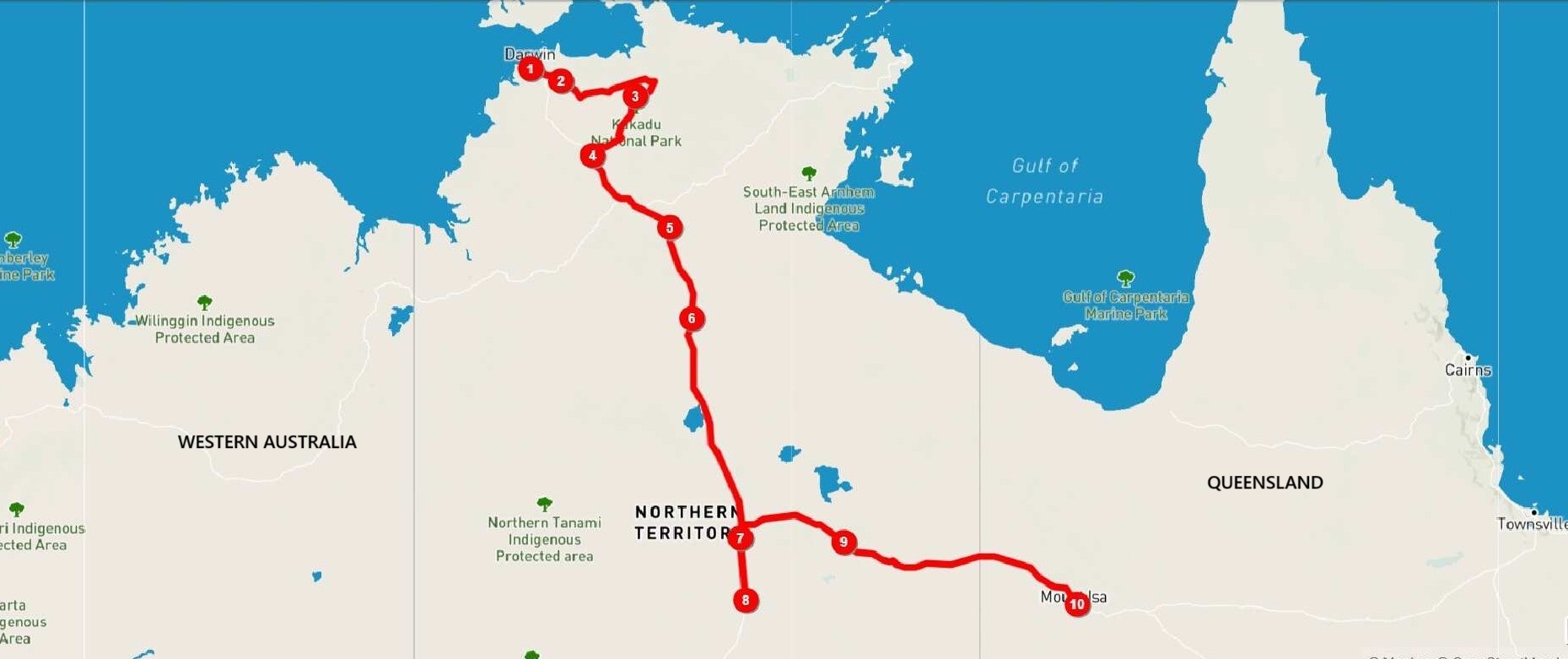
We got back in Matilda and hit the road continuing eastward. Our destination today is Australia’s largest national park, Kakadu.
We had hoped to go further east into the Arnhem Lands but the road is closed this time of year. Fran made a booking for a campsite with power for $29 – really cheap and we arrived in the early afternoon after stopping for brekkie at a rest stop.
The largest national park in Australia and one of the largest in the world’s tropics, Kakadu preserves the greatest variety of ecosystems on the Australian continent including extensive areas of savanna woodlands, open forest, floodplains, mangroves, tidal mudflats, coastal areas and monsoon forests. The park also has a huge diversity of flora and is one of the least impacted areas of the northern part of the Australian continent. Its spectacular scenery includes landscapes of arresting beauty, with escarpments up to 330 metres high extending in a jagged and unbroken line for hundreds of kilometres. All of this is what gave it UNESCO designation in 1981.
We went to find the pool and spent some time cooling off as it’s very hot!
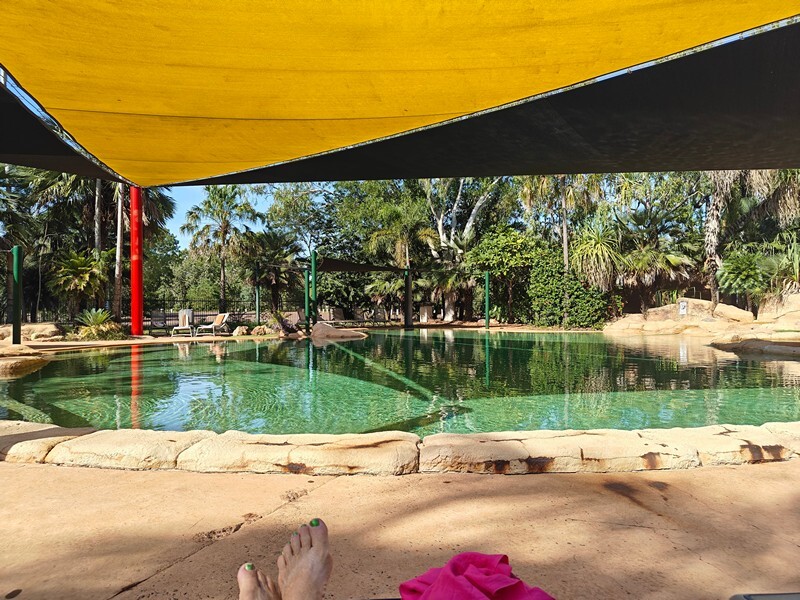
We had a quiet night being the only campers in the campground and before going to bed it rained hard for about two hours. Next morning were up at 6 to do the Yellow River Water Cruise. This was a two hour tour on Jim Jim Creek and South Alligator River.
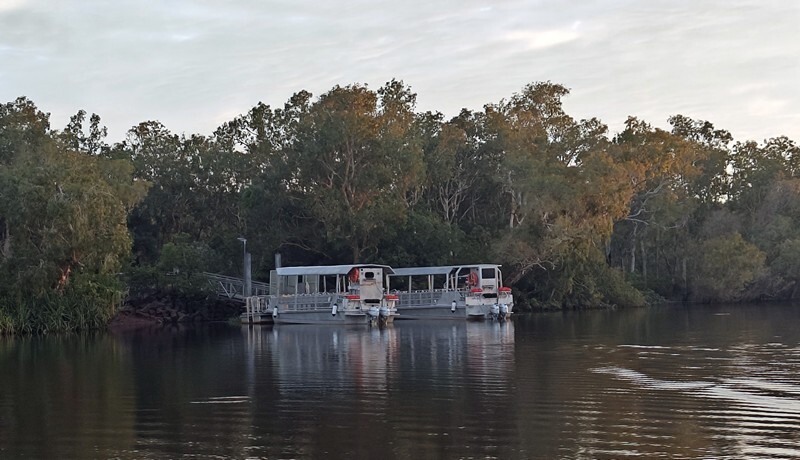
Do you know what a billabong is? We didn’t although we know it was a brand name.
In Australian English, a billabong is a small body of water, usually permanent. It is usually an oxbow lake caused by a change in course of a river or creek, but other types of small lakes, ponds or waterholes, are also called billabongs. The term is likely borrowed from the Wiradjuri, an Aboriginal Australian language in New South Wales.
We saw lots of birds, floating through channels, billabongs and along the rivers. It was amazingly peaceful there was a nice breeze. We had hoped the thunder and lightning last night broke the humidity, but no such luck.
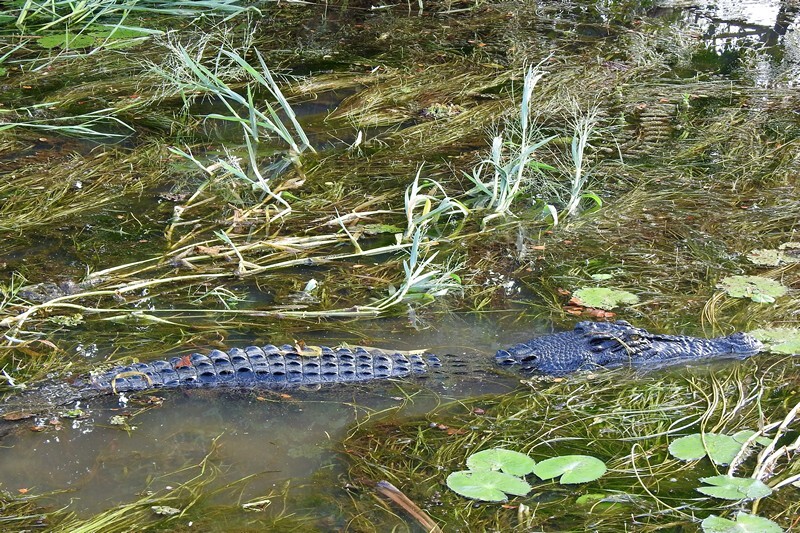
We also saw two different crocs – not jumping this time tho!
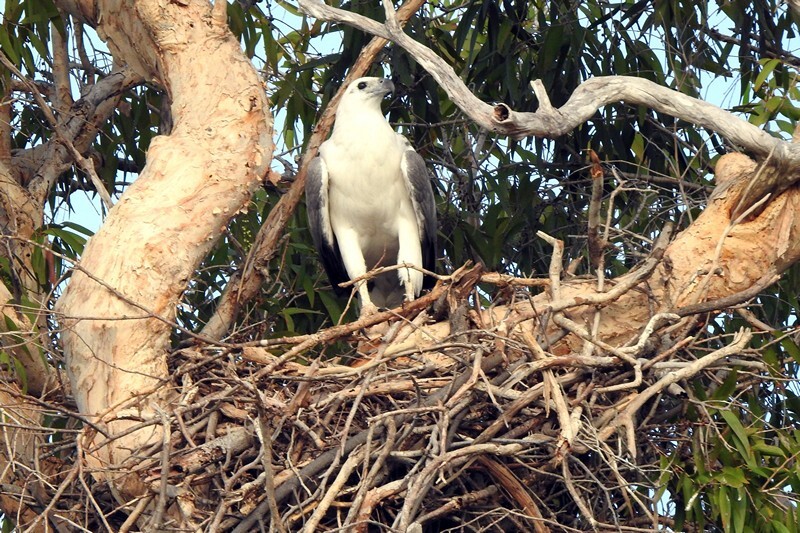
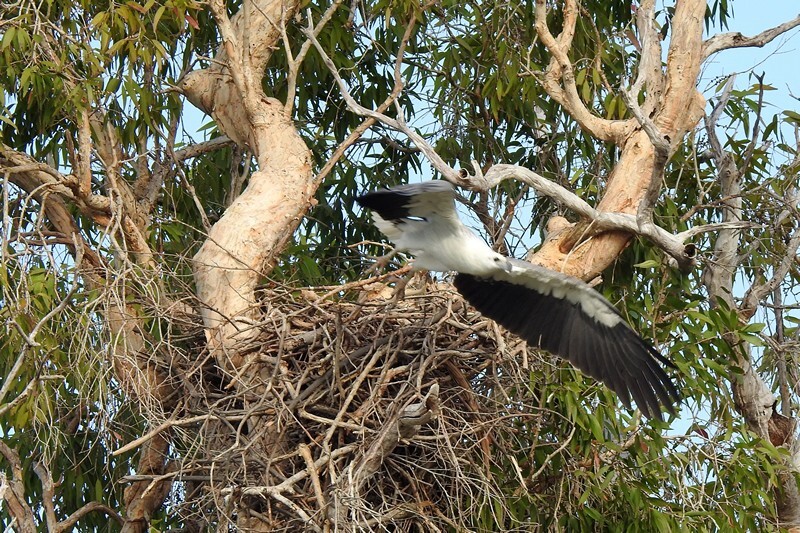
Sea eagle
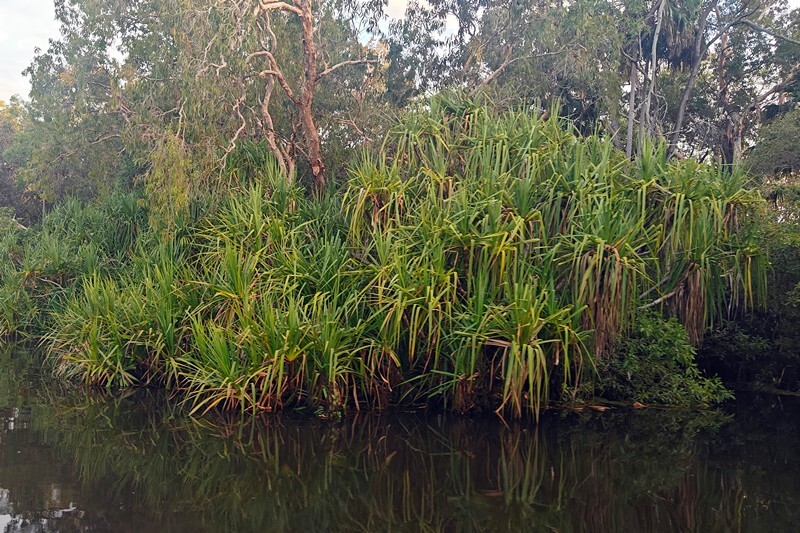
Jim Jim trees aka pandan
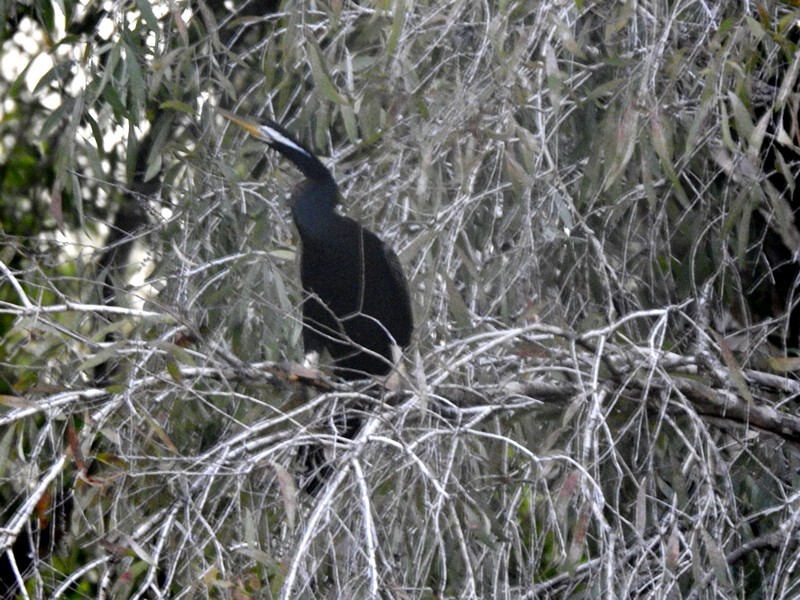
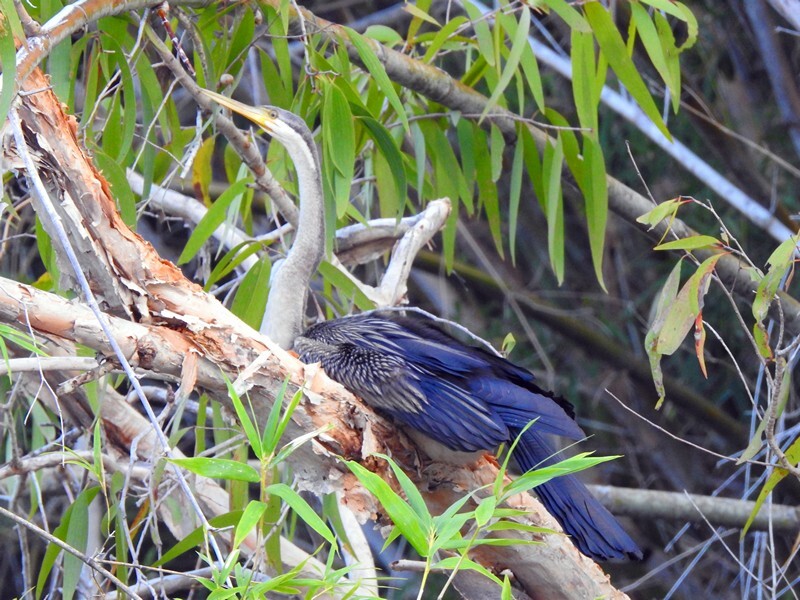
 Darter – this was a male
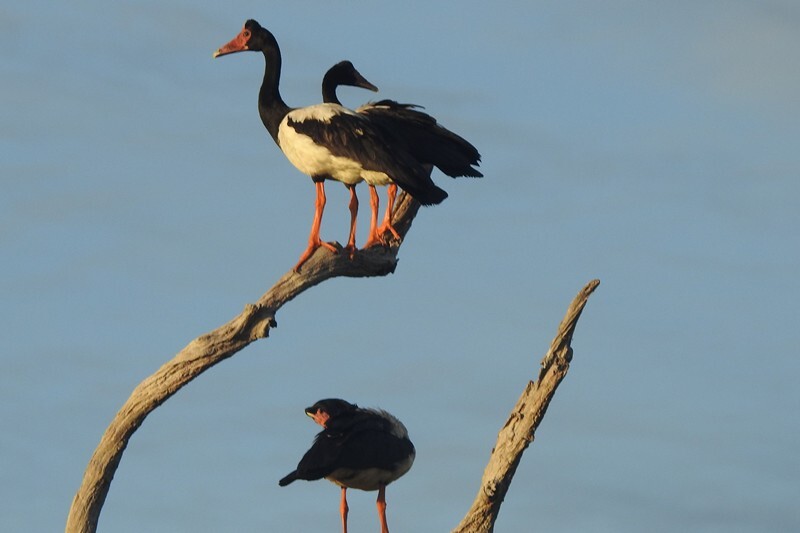
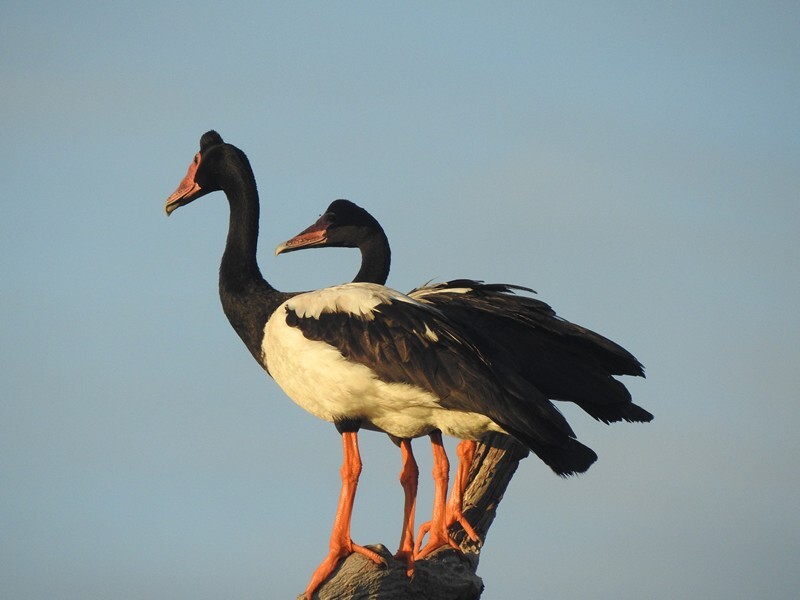
Magpie geese
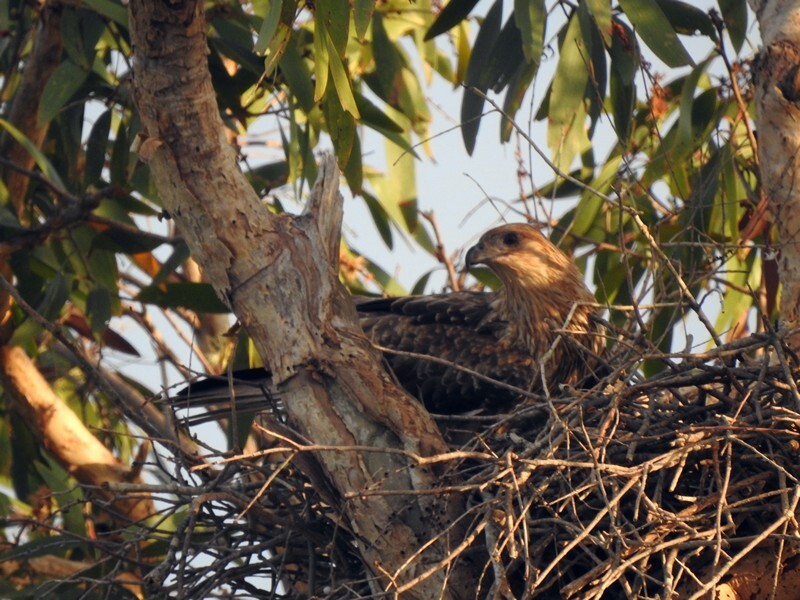
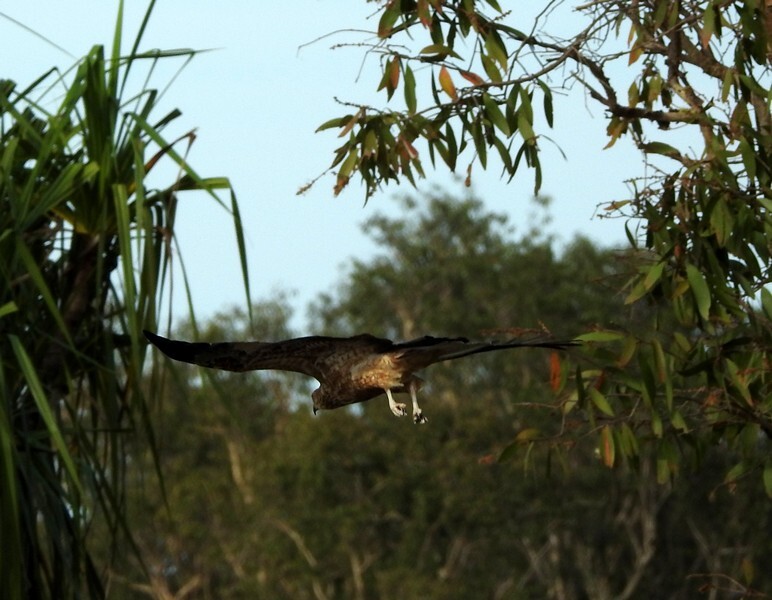
Kite in a nest; these birds are nicknamed “Fire starter” as they’ll grab a burning piece of wood and move it further to spread the fire and chase out their prey.
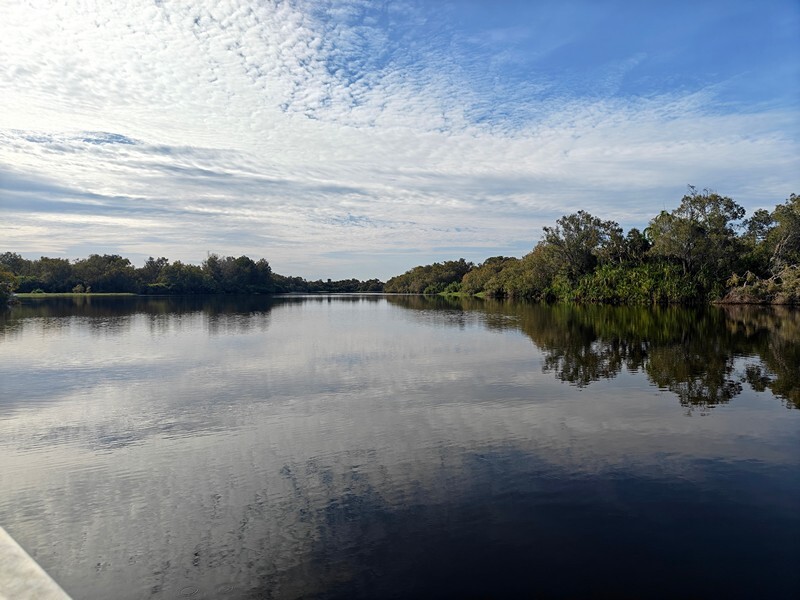
South alligator river:
Female croc
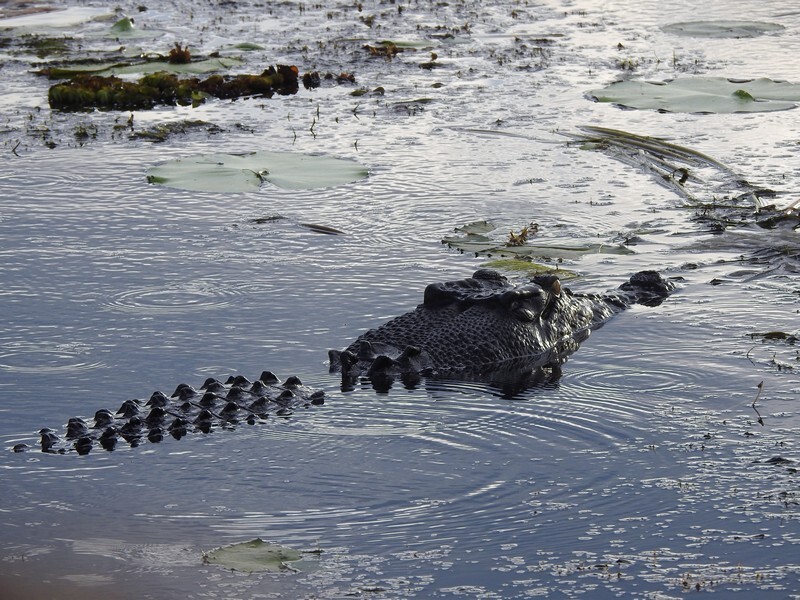
Later we saw another croc:
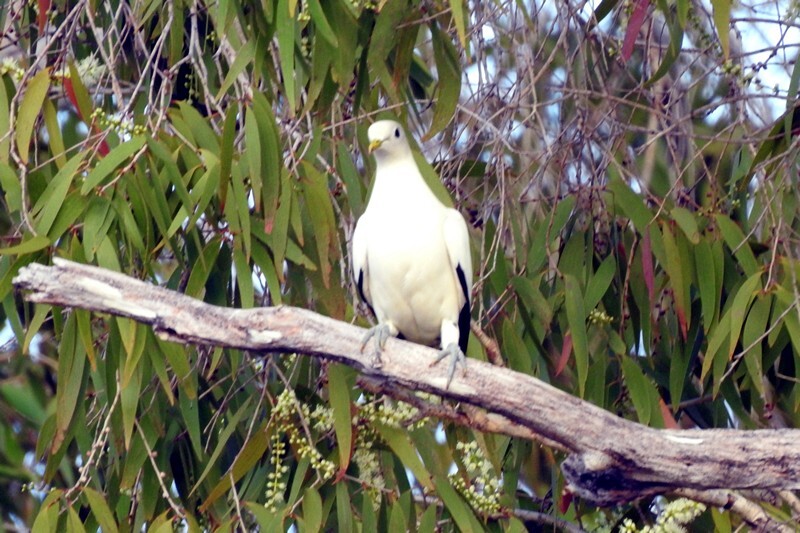
Imperial Pigeon:
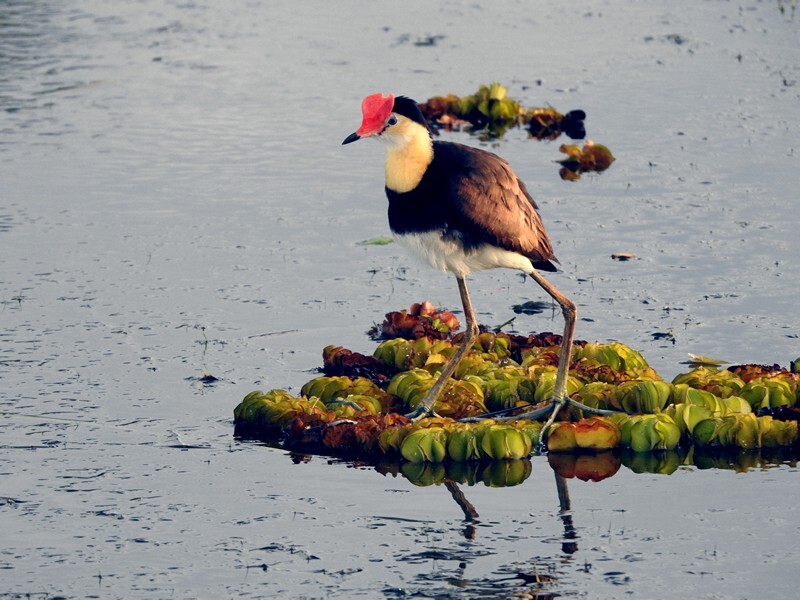
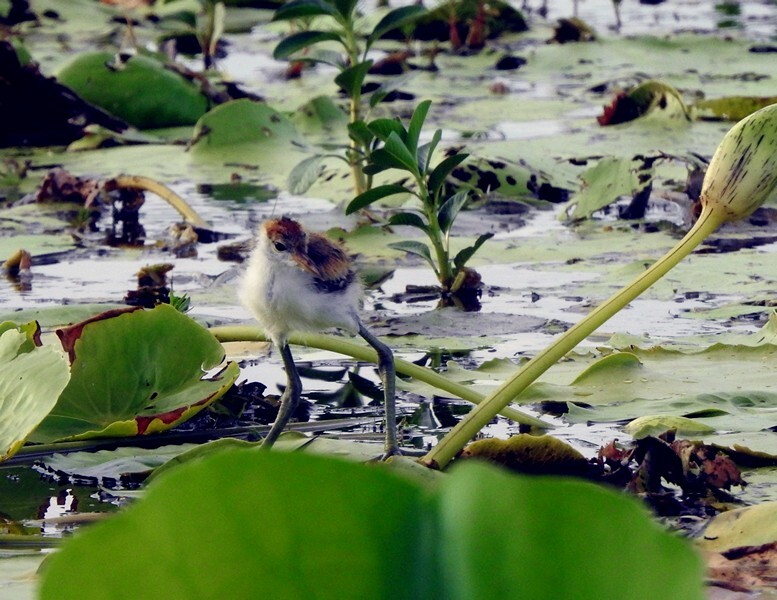
Jacuna aka Lily hoppers aka Jesus bird
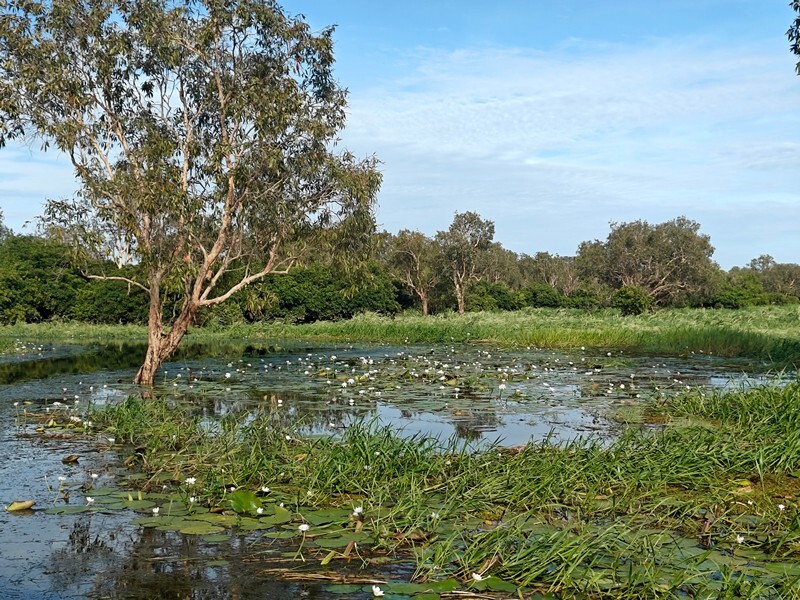
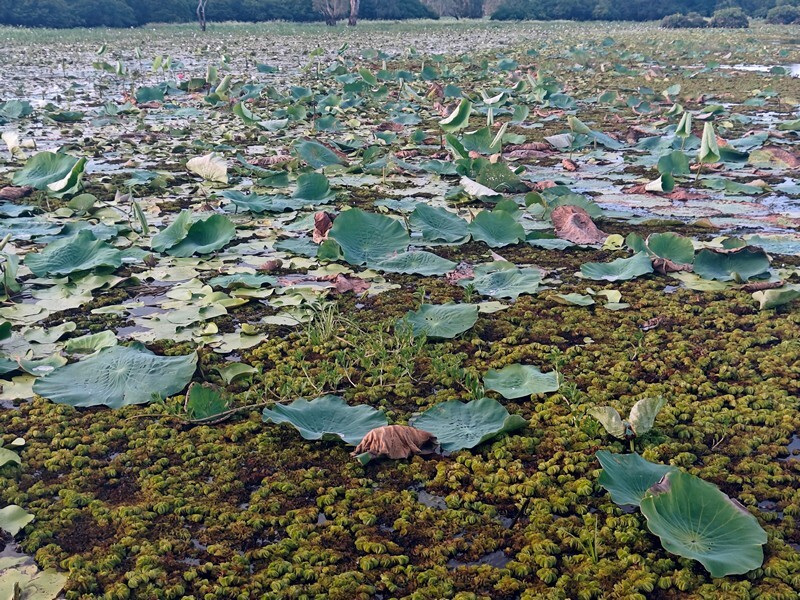
Did you know wetlands produce more oxygen than rain forests?
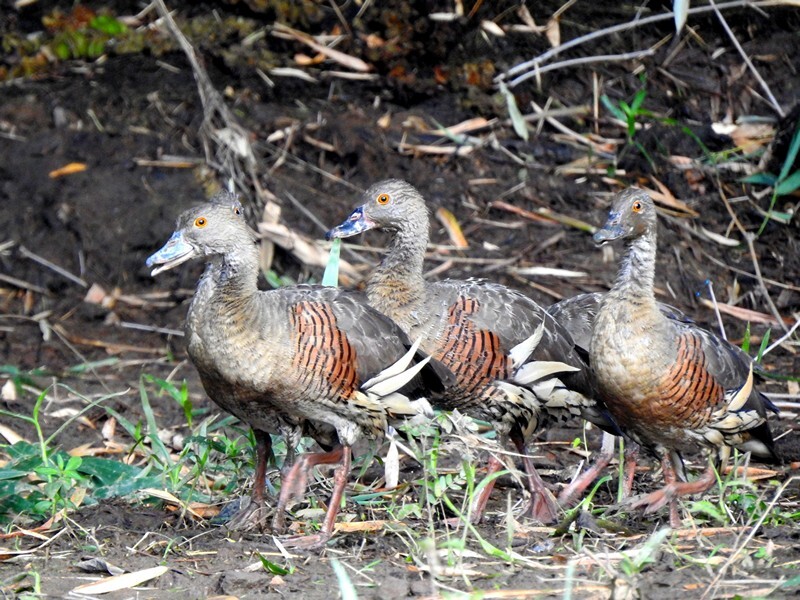
Plumes whistling ducks – they don’t go in the water!
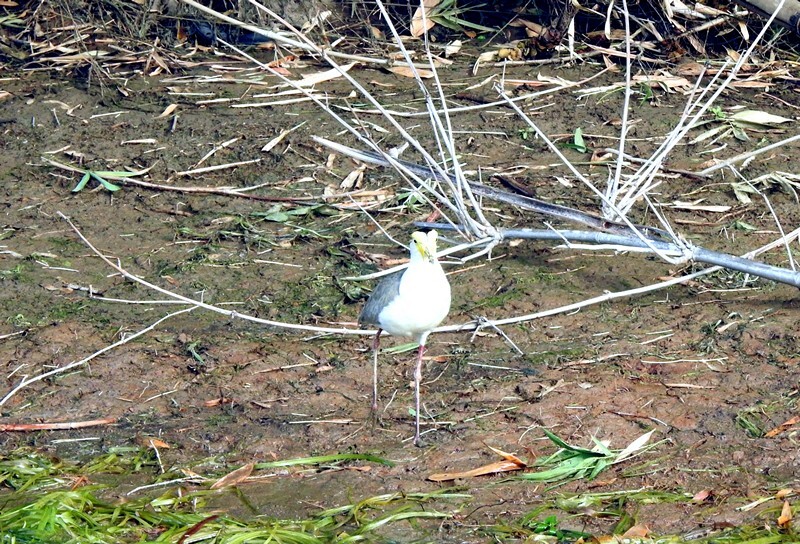
Lapwing
Sea eagle flies out of its nest
Arboreal termites

Upon disembarking, we returned to our campsite, unplugged and headed off down the Kakadu Highway westward as eastbound road is closed this time of year.
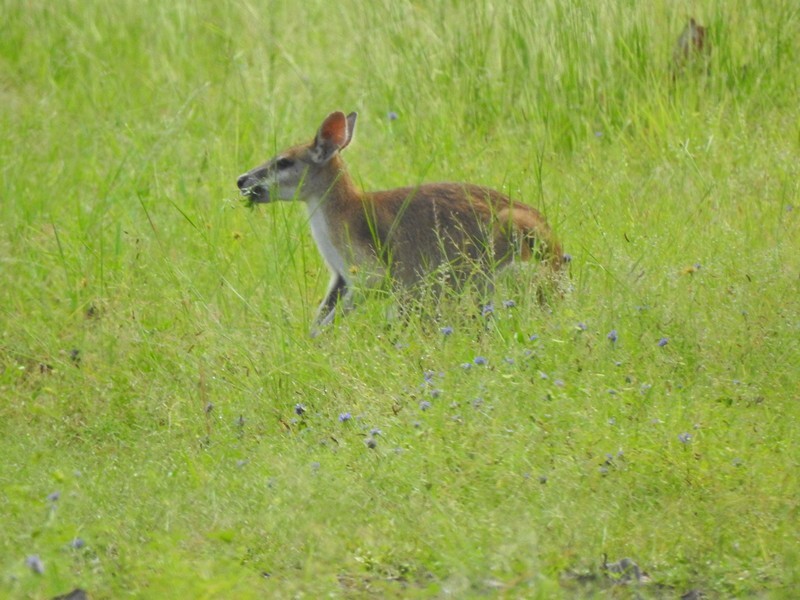
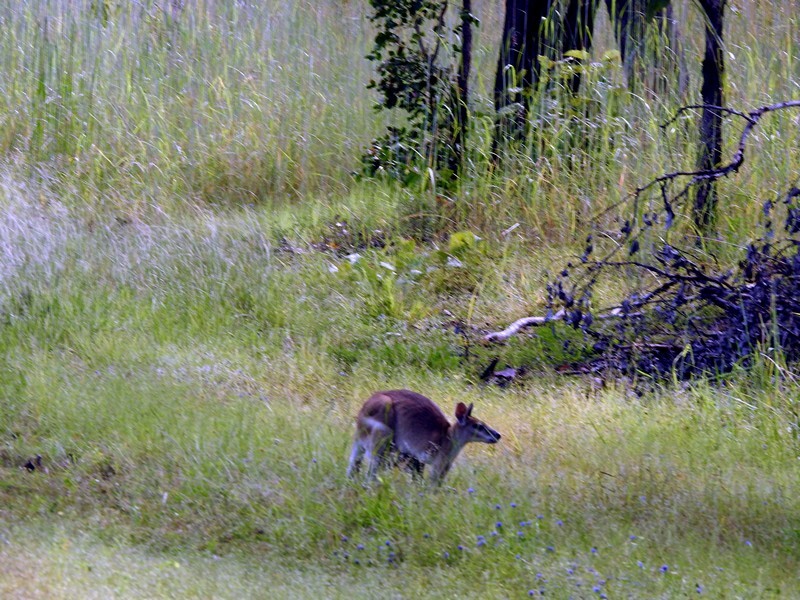
We saw some wildlife enroute:
Roos or wallabies
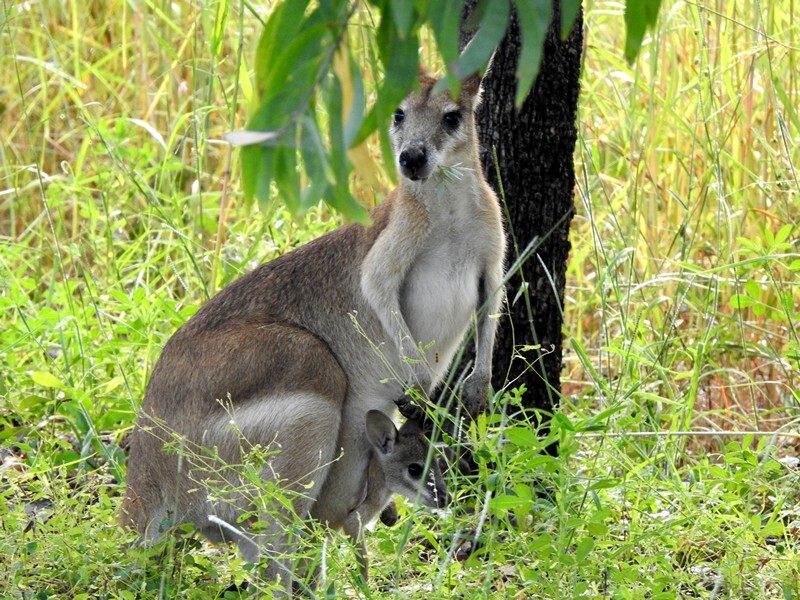
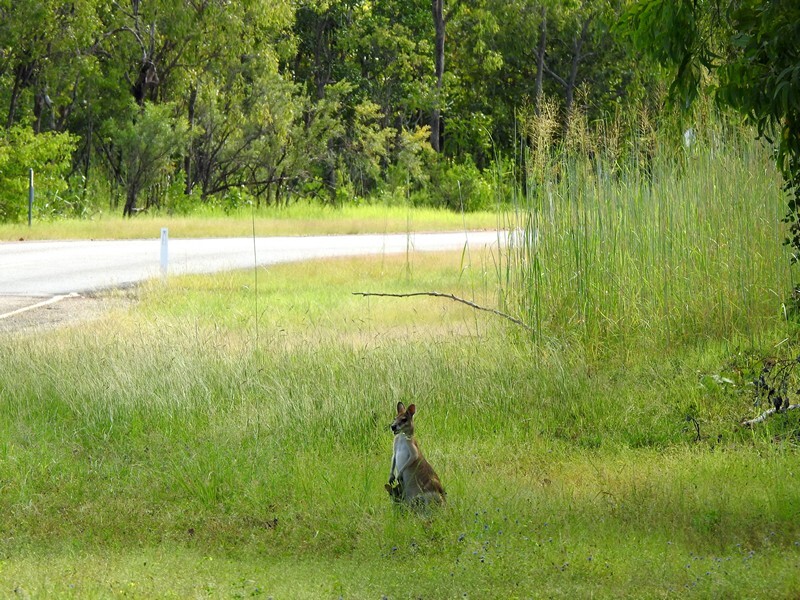
We had thought about having lunch in Pine Creek liked we’d done on our way north but after driving a couple of hours, we decided let’s just spend the night. Fran found what was supposed to be a cool campground/bar there called Lazy Lizard Tavern so after getting a bit of diesel to get us to the cheaper petrol in Katherine we drove over and like last night, were the only ones here. We hooked up the power, put a load of laundry in the machine and went over to the bar for lunch.
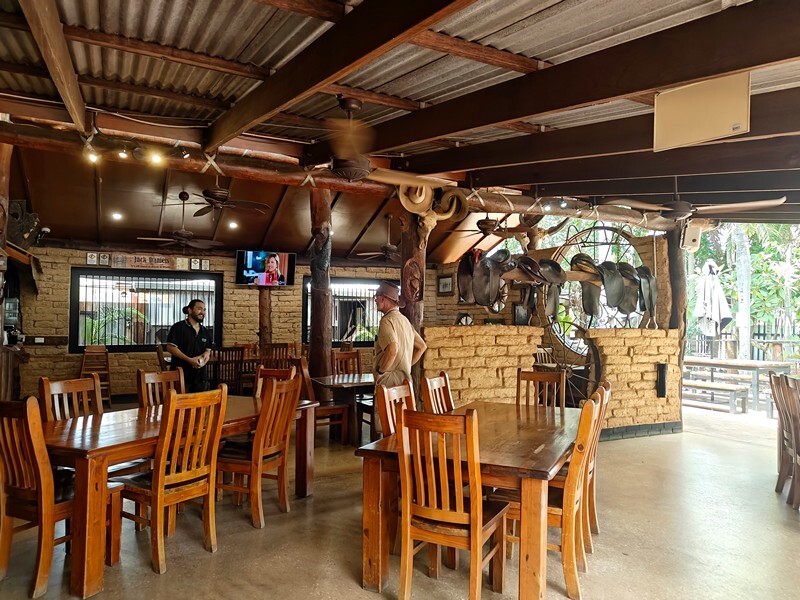
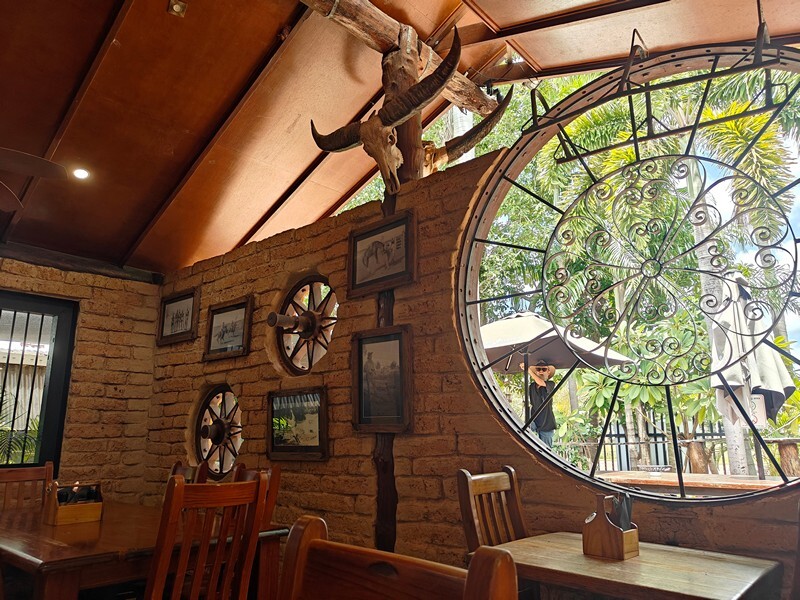 After lunch Fran went for a nap – her cold is getting better but she’s been very drowsy these past two days. After getting the clothes off the line and getting all hot again, she went for a swim in the pool which was the coolest one we’ve been in, in ages.
She returned to Matilda around 4:30 and the rain started an hour later. We had a quiet night, again the only campers! We awoke to clear skies and warming temps once again. Doug did his long run and Fran wasn’t feeling much better today – slept somewhat better last night but still has a wet cough that she’s ready to say good riddance to. However, Doug says he has a scratchy throat today so hopefully he wont’ get as bronchial as Fran tends to.
We left the campground before 10 and made our way south back on the Stuart Highway (if you recall that’s the road from Darwin all the way to Adelaide!) and stopped in Katherine for diesel at $1.79 (the cheapest we’ll see for a while) and a few groceries at Woollies as there will not be much in the way of towns until we cross the state border into Queensland in a few days. There is definitely more traffic on this highway but still not a great deal. Like much of this state, we got long stretches between towns without cell reception again.
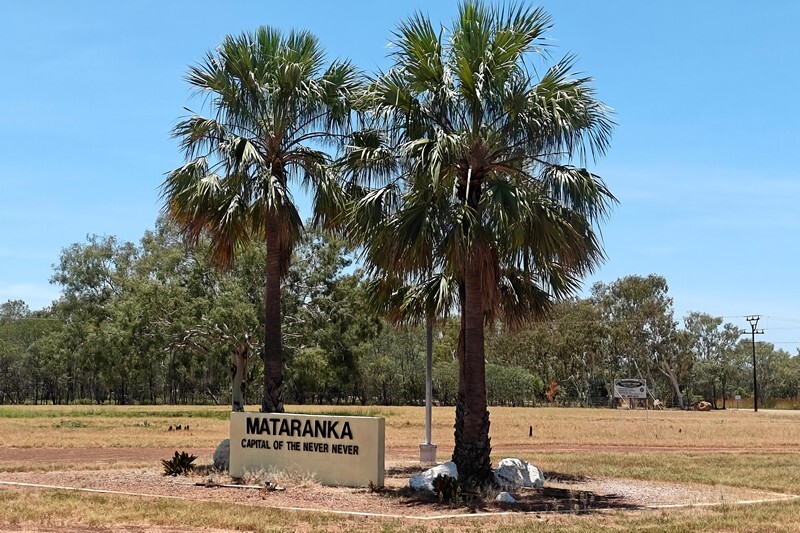
We had two stops to make after that in the town of Mataranka.
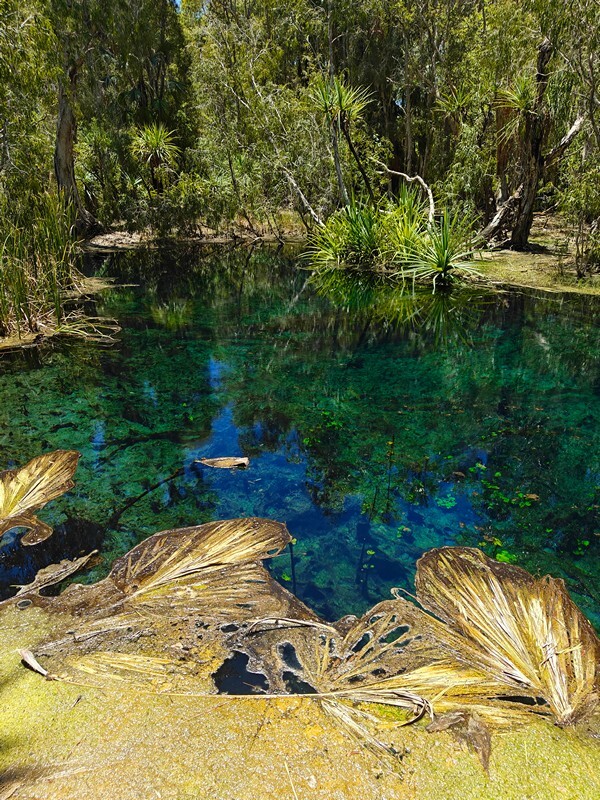
- Bitter Springs Thermal Pool which was supposed to open for the season today. We are not sure it was in fact open but nothing stopped us for getting in the parking area – our was the only vehicle. It’s supposed to be a tad nicer than the next pool on this river. Well it was pretty to take a photo of but the water was not flowing very fast, was no where near as hot as we’d like a thermal spring to be and it was kinda grungy/slimy along the edges. We opted not to go in the water and as we returned to the parking area three other vehicles pulled in.


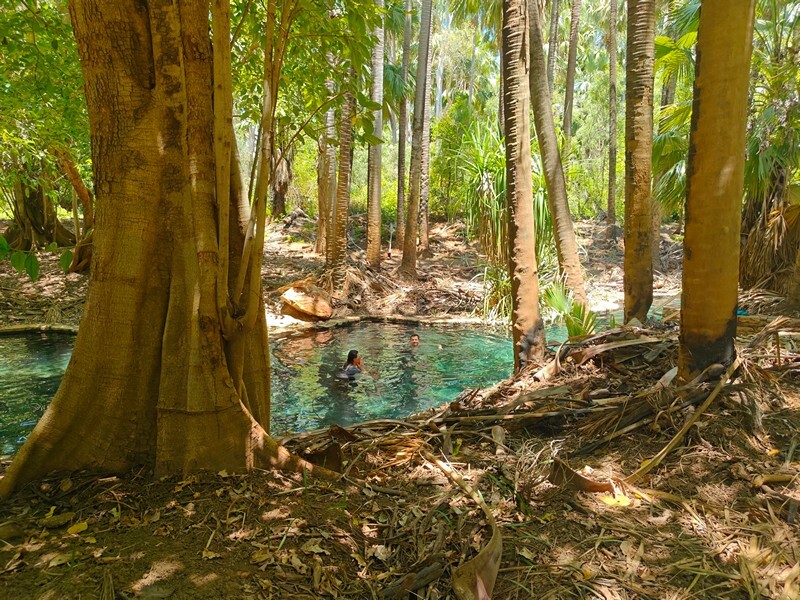
- Mataranka Thermal Pool – seemed more established but not as big. The water looked nice but when Doug felt it, it seemed cooler than the first one. It’s quite hot outside but not as humid as the past few days (maybe cause we’re further from the coast?) and again, we opted to just take photos and find a campground with power and a pool further down the road.

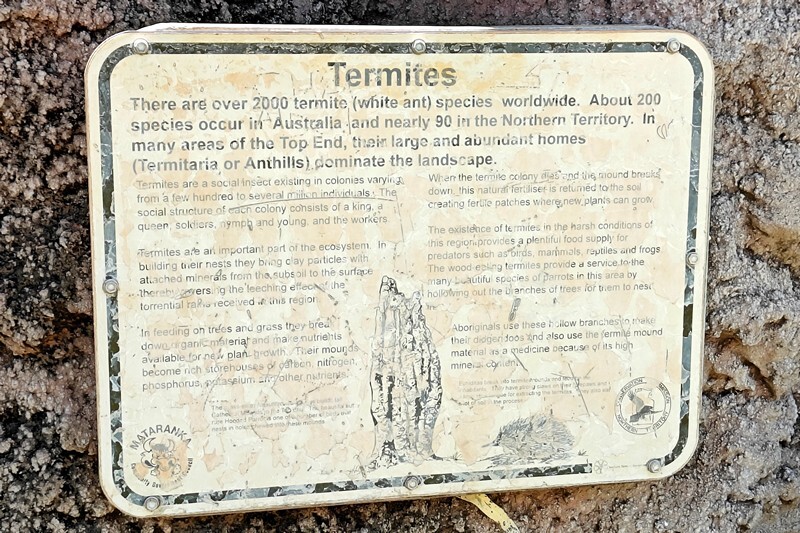
Leaving town we saw this “monument” to Termite Mounds:

Further down the road we took a detour of about 14km on a piece of the old Stuart Highway to check out Churchill’s Head and as you can see from the photo it was “underwhelming”.


On the highway we saw an historical marker and took a look. It was dedicated to Sir Charles Todd and his team who built the overland telegraph line. (more on that below).
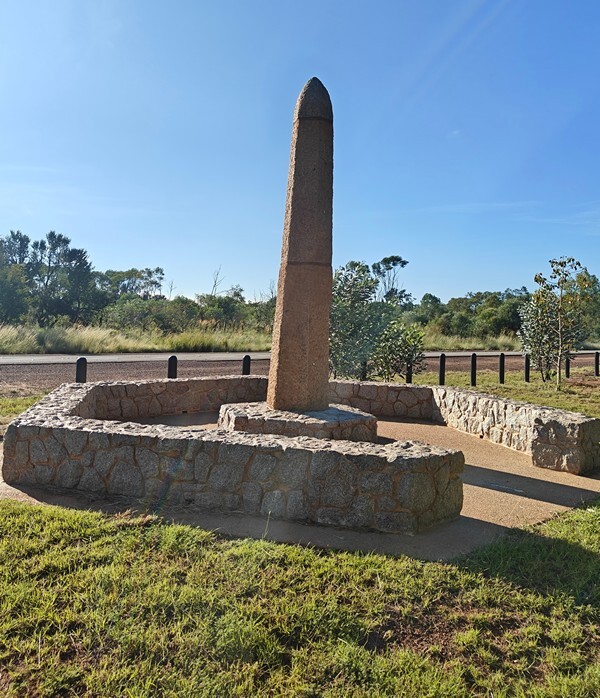
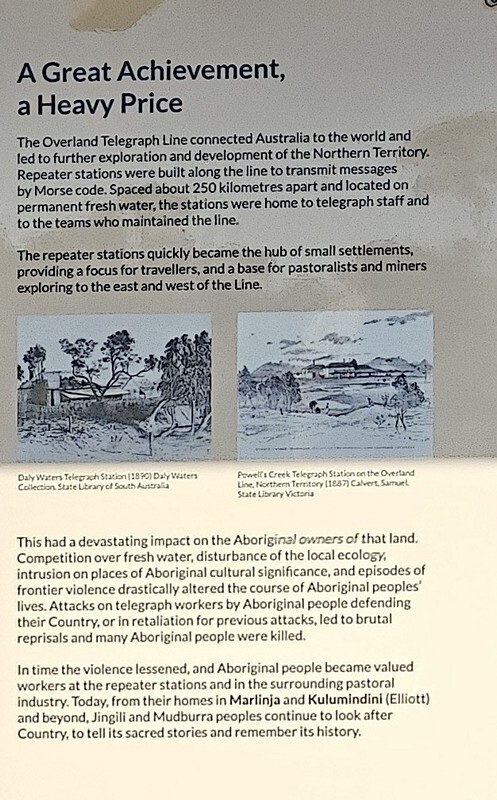
We had about 160 km / 100 mi to where the Stuart meets the Carpentaria Highway and there is a roadhouse there with a campground with a pool at the Hiway Inn. For $30 we got a site with power and water, toilets, showers and a pool – and a bonus of a free drink each at the bar!
We got parked and went to the pool for about an hour while Matilda cooled off inside. Before dinner we went to the pub for our free happy hour drinks and then returned to make and eat dinner. It rained a bit overnight again. We do love how we wake up to blue skies and the rain only seems to come after dark these days!
Sunday morning, we left after chores and had about 400 km 250 mi to go with no stops to make but for petrol. We did find two interesting rest areas and then a monument to the Overland Telegraph Cable Station.
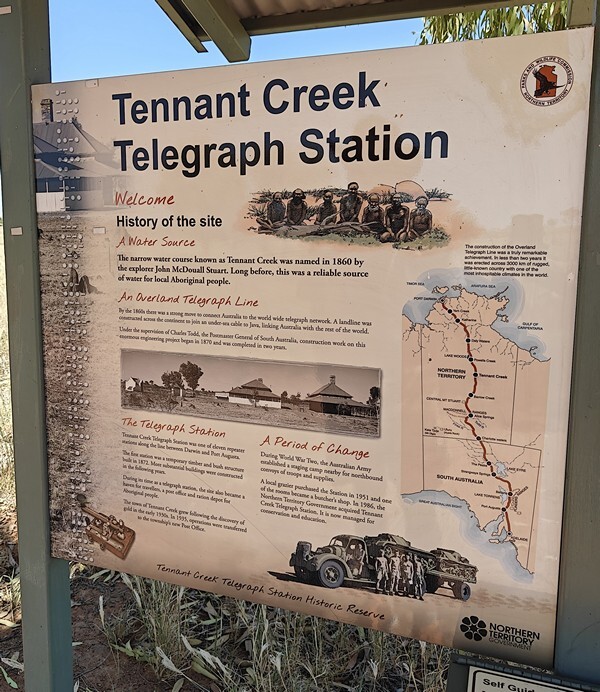

The Australian Overland Telegraph Line was an electrical telegraph system for sending messages the 3200 km / 2000 mi between Darwin in what is now the Northern Territory of Australia, and Adelaide, the capital of South Australia. Completed in 1872 (with a line to Western Australia added in 1877), it allowed fast communication between Australia and the rest of the world. When it was linked to the Java-to-Darwin submarine telegraph cable several months later, the communication time with Europe dropped from months to hours; Australia was no longer so isolated from the rest of the world. The line was one of the great engineering feats of 19th-century Australia and probably the most significant milestone in the history of telegraphy in Australia.

 We made it to Tennant Creek which is just past the turn off to where we want to head east but we’ve opted to continue south a bit and see the Devil’s Marbles but not today.
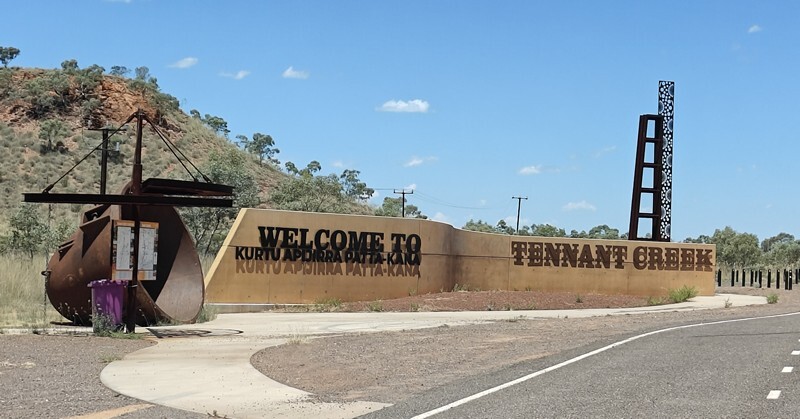
Our friends, Sandra & Thomas, told us there was not much after that till Alice Springs. We had thought about going all the way to Alice Springs just to say, we’d done the entire Stuart Highway but it wasn’t work another 800 km / 500 mi return just to be able to say that.
The weather is still not but the humidity is just about gone. The high today was 39C / 102F with the breeze remember from being in the red centre so it’s more bearable – at least you don’t sweat as soon as you walk outside!
Before getting to the campground, we filled upon our tank at $1.98 and will do so again tomorrow after visiting the Devil’s Marbles and before heading east off the Stuart the next day. The Tennant Caravan Park is not fancy but it hits most of the buttons including hot showers, pool, camp kitchen and of course, in this head, power to run our AC. The place again is pretty empty so we could park up wherever we wanted for $40 a night. There’s no Wi-Fi or dump point but we can live with that. The other option in town gets worse ratings and is $10 a night more expensive.
Fran has some website catching up to do and with the way she’s been feeling since we got back, we’re going to stay here two nights so she has a few hours each day to work on photos and blog posts.
We were in and out of the pool for the afternoon; never stayed there long as there is no shade cover so we’d cool off and go back and come back. There was shade later in the afternoon so maybe tomorrow we can stay longer.
Here’s the link to more photos from Mataranka to Tennant Creek.
Neither of us slept well; Fran is pretty fed up – hasn’t had a decent sleep in over a week! Doug sounds and feel worse but hopefully his won’t go into his chest – he does seem to be losing his voice though which happens to him more than Fran.
He tried to go for a run today; no mojo so we packed up and took a drive to see one last attraction on the Stuart Highway – about 100km / 60 miles south of us here in Tennant Creek.
It’s the Devil’s Marbles or Karlu Karlu Conservation area.

The Devils Marbles are large granite boulders that form the exposed top layer of an extensive and mostly underground granite formation. The natural processes of weathering and erosion have created the various shapes of the boulders. Some of the boulders are naturally but precariously balanced atop one another or on larger rock formations, while others have been split cleanly down the middle by natural forces. The boulders are situated in a wide and shallow desert valley, and are found in scattered groups mainly in the western side of the reserve. A short access road leads directly into the boulder fields from the Stuart Highway. Being one of the most widely recognized symbols of Australia’s outback, the Devils Marbles are also one of the most visited reserves/places in the Northern Territory.
The Devils Marbles are of great cultural and spiritual significance to the Aboriginal traditional owners of the land, and the reserve protects one of the oldest religious sites in the world as well as the natural rock formations found there. Karlu Karlu is the local Aboriginal term for both the rock features and the surrounding area. The Aboriginal term translates as “round boulders” and refers to the large boulders found mainly in the western side of the reserve. The English name for the boulders derives from a quote by John Ross during the 1870 Australian Overland Telegraph Line expedition, where he said “This is the Devil’s country; he’s even emptied his bag of marbles around the place!”
This was one of the kinds of places we love: red rocks, weird rocks, weird formations and just outright Mother Nature at her best. We took a couple of trails wandering through the rocks but as this place is sacred to the Aboriginals, you cannot climb up or on many of the boulders.
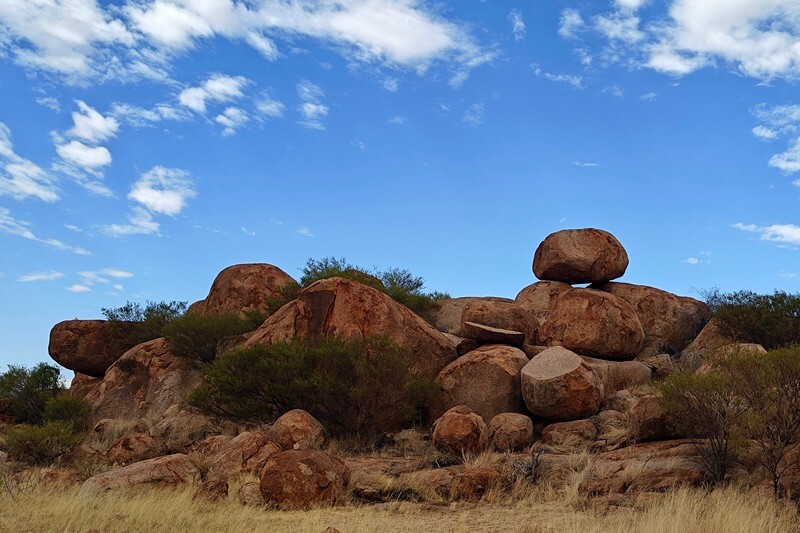
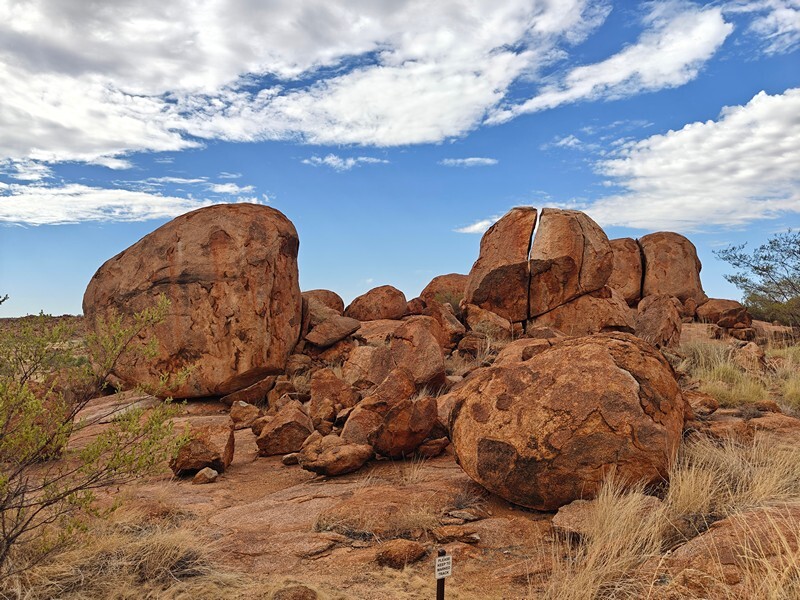
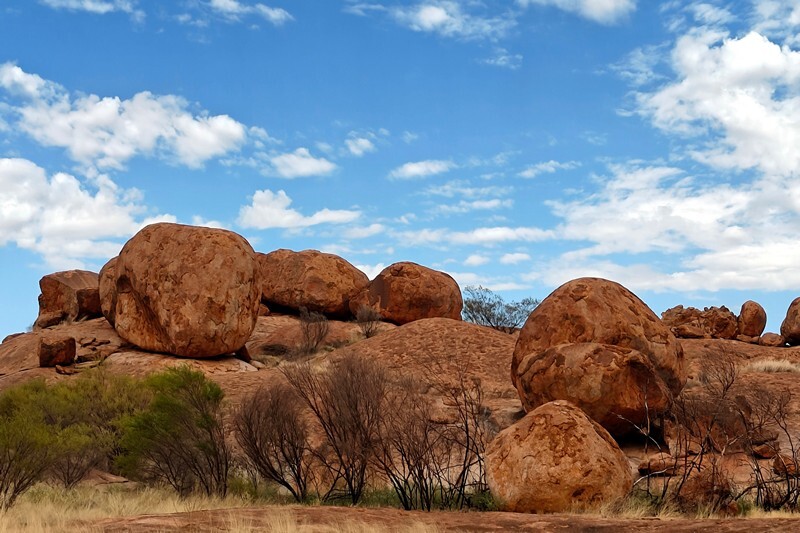
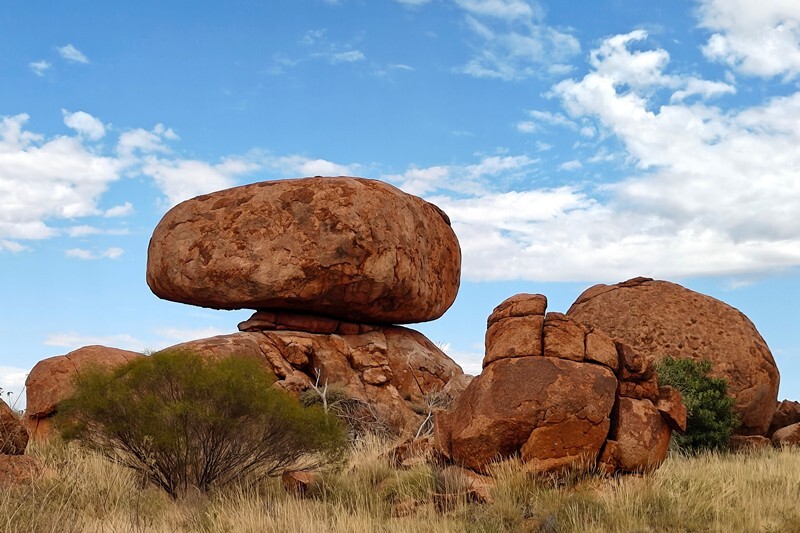
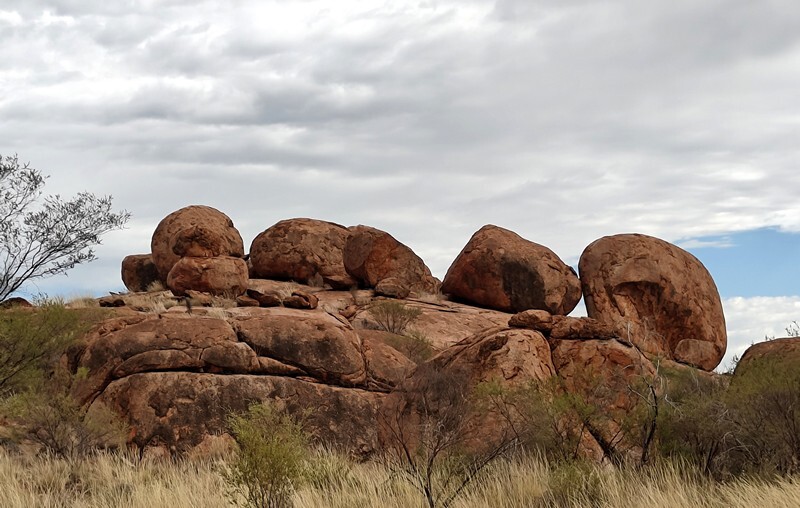
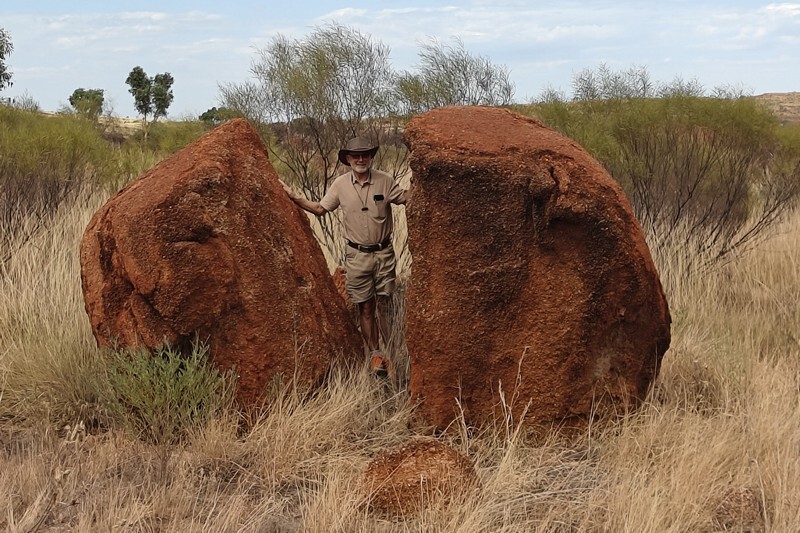
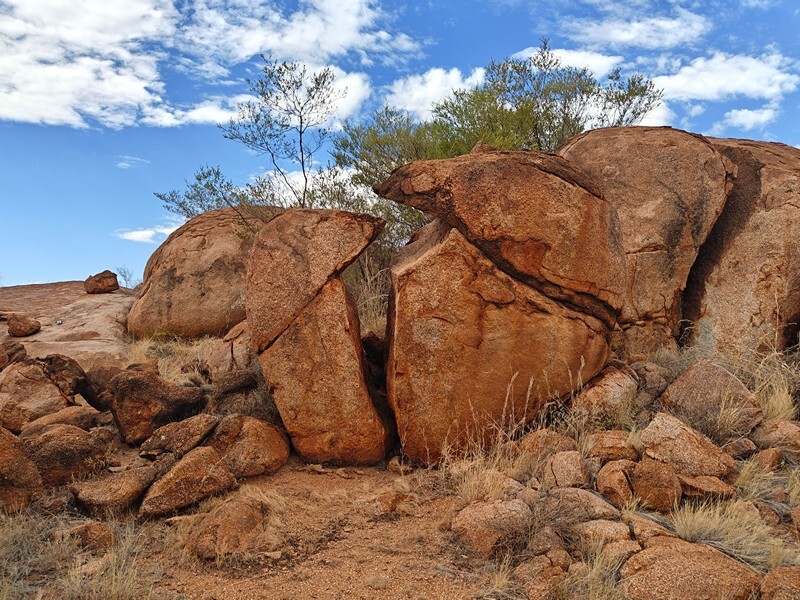
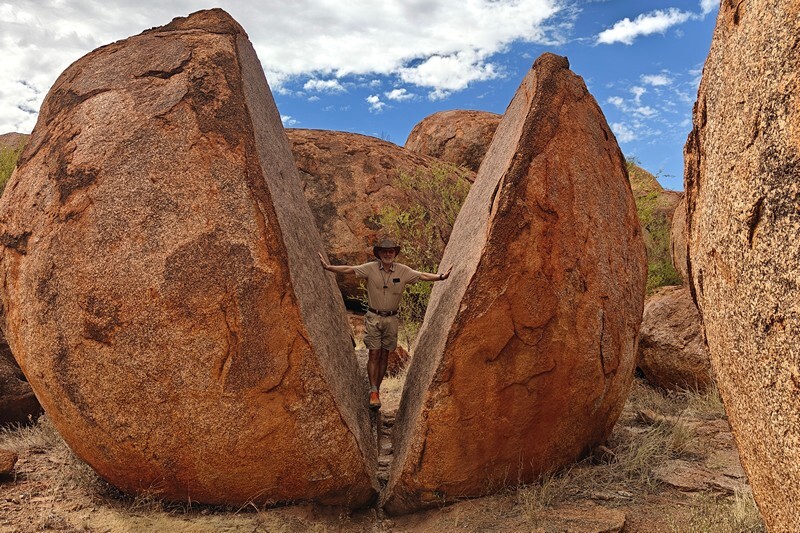
This link will take you to lots more pics of the “marbles”.
We were back at the campground by 11:30 am and used the camp kitchens’ toaster to make breakfast (our died a while back). Doug went out to get more steps, Fran tried to nap and then we spent the afternoon “working” like yesterday afternoon. Doug went to a pharmacy to see if he could find something like Nyquil for Fran at night. They didn’t have anything but after investigating its ingredients online, the pharmacist was able to give him two medications; one for heavy chest congestion and one to help her sleep.
Today we saw two live iguanas and one not so lucky on on the highway south of here.
After a terrible night’s sleep for both of us (Fran was up coughing a lot), we think she shouldn’t have taken both meds before bed; ie just take the sleeping one at night and the other during the day.
Doug managed to get his run in; finding it easier in this dryer heat and we left around 10 beginning the drive east now to Queensland. Sandra and Thomas had recommended we spend a night at the Barkly Roadhouse and have a meal drink so that was our destination today. Fran was pretty drowsy the entire drive (about 200 km) and tried to sleep in the rig with no success. After a light lunch she tried again in bed, also unsuccessfully so she went to the pool to cool off for an hour. When a family with kids arrived, she left!
It’s still quite hot – around 40C / 104F but it’s, as mentioned, a dry heat here in the outback. It drops to about 27C / 81F overnight so we still need AC at night.
Barkly Roadhouse charged us $45 a night with power, water, showers, pool and Wi-Fi.
We had dinner at the restaurant as recommended by friends. Despite the roadhouse being quite new and modern, we weren’t sure of the big draw; food was okay, staff very friendly, but we didn’t think it was much to write home about. We had a quiet night and this time were not alone; about six caravans had pulled in after us.
We left early as we had the first of a few big driving days to complete and wanted a jump on it. Fran slept somewhat better using the sleep aid the pharmacist had given her but still woken up coughing several times after 2 am. It sucks, big time!