March 27th, 2026
Today we were up early as the road into the Taroko National Park had first access opening between 7 and 8 am. We were told if we missed that the next window was 10:00 to 10:05, some short windows around noon and 3 and that the access is closed at 5. We left by 6:20 as it was about a half hour drive to the entrance gate.
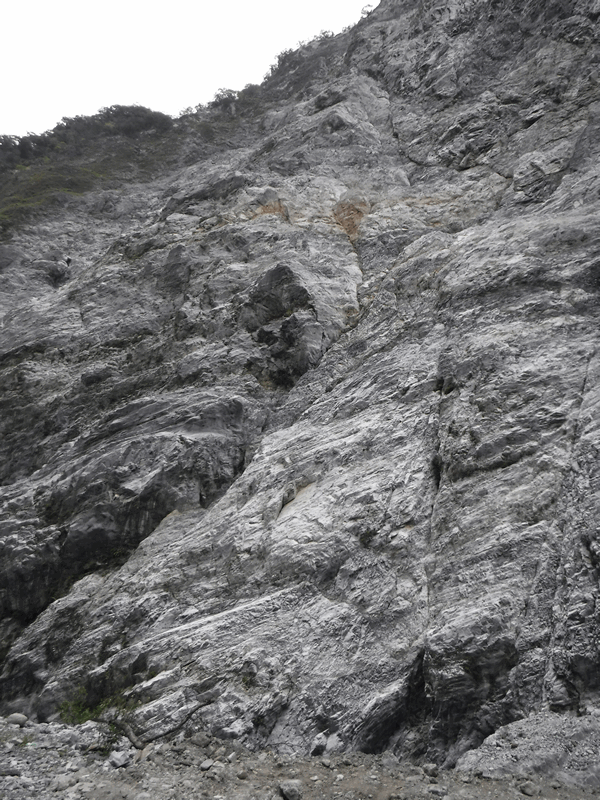
The Taroko Gorge forms one of only three river-carved gorges in the world cut entirely through pure marble, ranking alongside Bhedaghat Gorge in India and Trigrad in Bulgara.
The park had been dissolved by the Chinese government before WWII but was reestablished in 1986. In 2002 it was named a potential World Heritage Site. Taroko National Park covers an area of 92,000 hectares (360 sq mi) and is home to unique geological and natural resources, including twenty-seven peaks over 3,000 m / 9,800”. It includes the marble gorge of Taroko and the Qingshui Cliffs as well as several major hiking trails.
In 2024, a magnitude 7 earthquake struck Taiwan’s eastern coast, resulting in widespread devastation and significant loss of life. Landslides obstructed Hwy 8 at Taroko Gorge, trapping hundreds of individuals. The landscape of Taroko Gorge, was scarred by the aftermath of the earthquake mainly due to the landslides that occurred. Due to the earthquake and floods later in 2024, much of the park was closed until late in 2025. Currently only a few short trails are open and the road has limited access.
The gorge was fantastic despite not having clear skies – it never rained and at times the sun snuck out but never for long. This place is so big that photos don’t do it justice but of course, we took a lot.




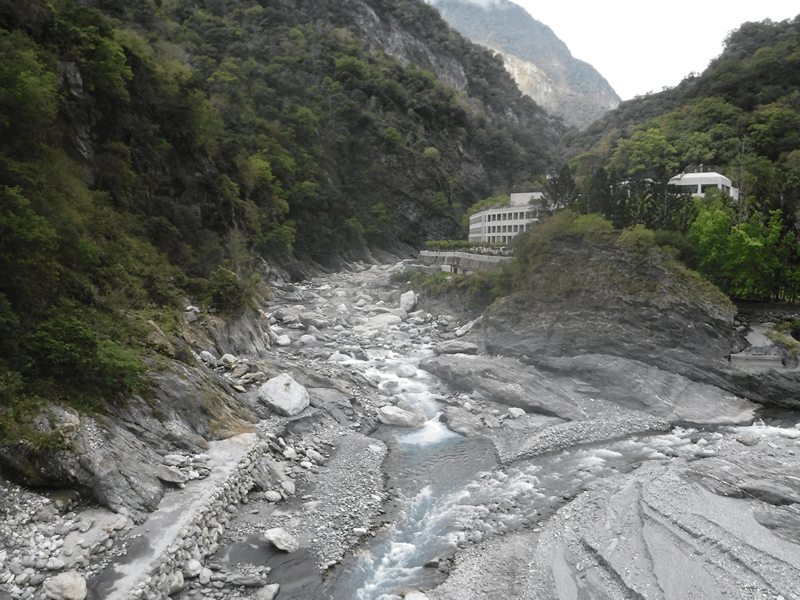

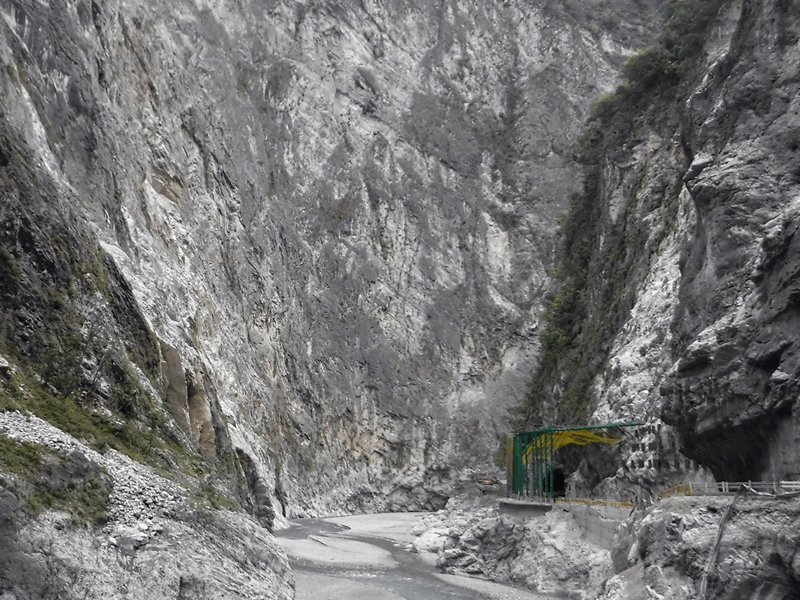
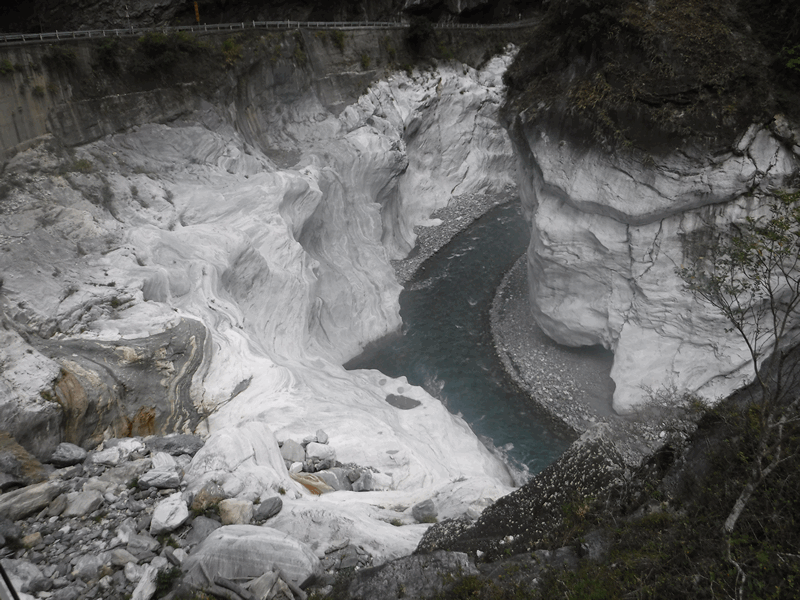


The only wildlife we saw was a small dead Formosa sambar deer and a monkey running off into the bush.
Highway 8 kept climbing after the gorge (which is less than 20 km / 12 mi long) and we eventually turned onto Highway 14. We drove up to over over 3200 m / 10500’ in altitude. This drive was probably the best thing we saw/did in Taiwan.
We hit some pretty dense fog up that high too.


It was nearly 200 km / 125 mi to our destination for today: Sun Moon Lake at which we arrived around 1pm. We have a hotel booked on the outskirts of one of the 3 villages around the lake, Shuishe, but first we spent a few hours exploring. You can drive around the lake but not always at the shore line and the north side of the lake is closest to the water.
Sun Moon Lake is the largest body of water in Taiwan. The area around the lake is home to the Thao people, one of Taiwan’s indigenous ethnic groups. Sun Moon Lake surrounds a tiny island called Lalu. The east side of the lake resembles a sun while the west side resembles a moon, hence the name.
Not sure we see it:

First stop for views of the lake was just across the road from the WenWu Temple.

then we walked over to the temple for a few pics


We have seen SO many temples in our days, so like castles and churches, we don’t always go inside but this one had a some interesting features outside the building:

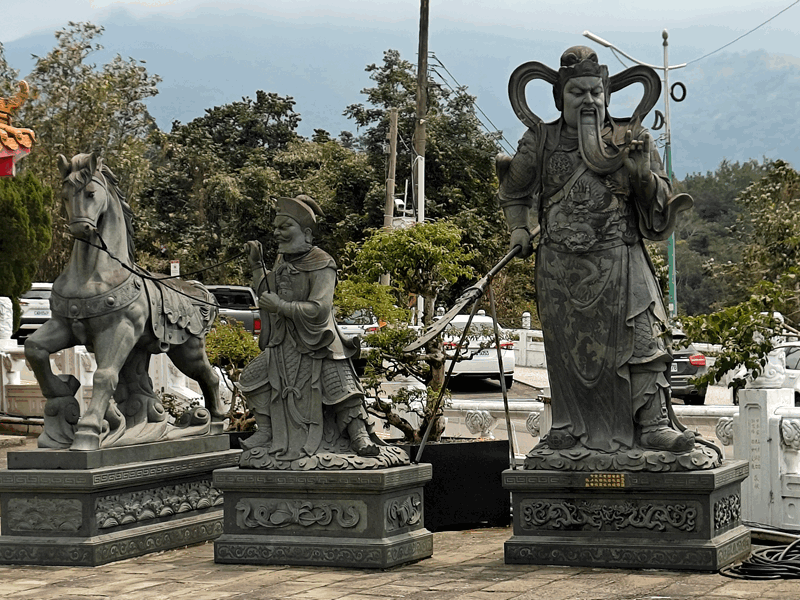
We then drove over to take the 7 minute gondola ride for views of the lake from above. While you never actually see the entire lake and you do go up and down and up and down on the ride it was worth it. There is a cultural village at the end of the end of the line as well as another gondola that goes from the end of the village back to this gondola but we didn’t partake of that. It looked more like a theme park.


We turned back from this north east side of the lake and found a spot to take the boardwalk to the “Nine Frogs Stack”. There is actually a boardwalk/bike path almost all the way around the lake.
The Statue of Nine Frogs at Sun Moon Lake is a water level marker and a popular tourist destination. The “Nine Frog Stack” sculpture was designed by an engineering consulting company and created by artist Shen Zheng-ying. Standing seven meters tall and made of bronze, it was originally placed beside a trail to promote the rich frog ecology of the local “Shuiwatou” area. The name “Shuiwatou” (“Water Frog Head”) comes from the many frog species that live there. To highlight the changing water levels caused by pumped-storage hydroelectric generation, the Nine Frog Stack was relocated into the lake. Visitors can now observe how the number of visible frogs varies with the water level—usually only two are seen, but during droughts when the water recedes completely, all nine frogs appear. This rare sight attracts large crowds, making it one of Sun Moon Lake’s most famous landmarks.
The lake’s water was so low the base of the statue was dug out!

We went to the hotel around 2 and although we could check in, we couldn’t get into the room so we walked back towards the village to get a cold drink. We found a little coffee shop/Italian restaurant and sat outside enjoying a beer before returning to check in. We did end up going back to that same restaurant for dinner.
Today we passed through 34 tunnels and several road decks.
The Sun Moon Lake Teacher’s Hostel, we had a decent sized room with twin beds and a private bath for which we paid $63 for the night. It came with a huge buffet breakfast the next morning. This was the building and our view.


Saturday the 28th, we drove south hoping to visit what looked like an interesting museum about earthquakes only to find when we got there, that it was closed for renos. We picked up some groceries for dinner tonight.

When we left the town of JiJi we mistakenly got on the toll road instead of the national road. Fran quickly looked up how to pay tolls with a rental car and it seems you can pay them when you drop off the car as it is equipped with a tag – we just hope there’s not also a big service charge along with it.
We continued southward (a longer distance via the toll road but no traffic lights so probably faster) and then headed inland to check out the ancient town of Fenqihu.
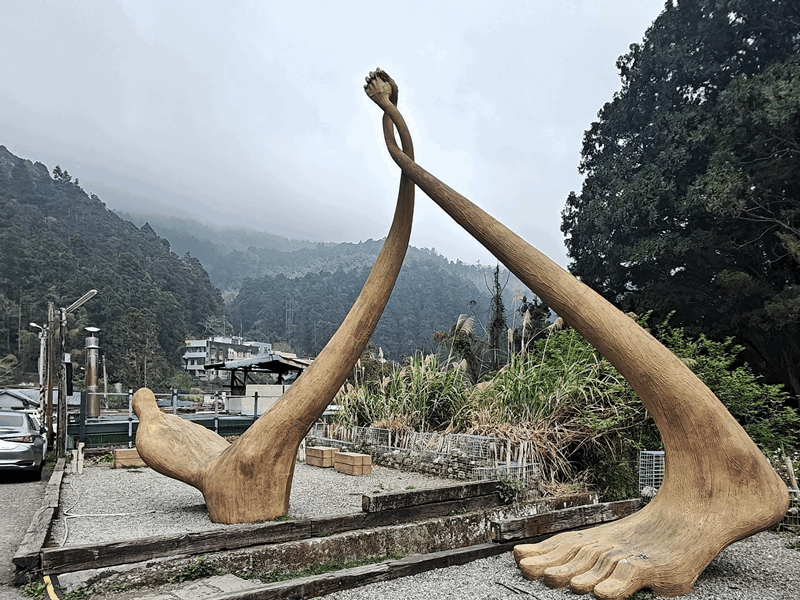
Fenqihu is in the mountains at 1400 m / 4500’. People began settling in Fenqihu before the Alishan Forest Railway, but the town remained quite small. In 1912, those railway tracks were extended to Fenqihu. In the past, there was one train service in each direction each day; since Fenqihu was located roughly in the middle of the route, the two steam locomotives would both stop here around noon to add coal and water. Passengers were free to walk into the town while they waited and the town grew rapidly. Fenqihu’s Old Street is 500 meters in length with buildings along the street were built following the slope of the street which sits on a hill. Due to the influence of tourism in Fenchihu, this old street, with the highest elevation in Taiwan, has become one of the must see attractions when traveling to Alishan. There is also a large forest with walking trails and large stands of bamboo.
Fran picked the furthest parking lot from the main village (which really was not far) for us to park at figuring we’d have the best chance at getting a spot – we got the last on! Here you back into a spot over a short lowered barrier, it raises once you’re in and when you leave you pay at the kiosk based on spot number and barrier releases so you can drive out.
It was no more than a 5 minute walk to where we found our way to the forest entry which, oh joy was all stairs and made our way to the “Big Tree”:


and a little further up to the viewpoint of the bamboo forest:

So not too impressive but a good stretch of the legs.
We then went into village walking the old street and checked out a tea place to taste various oolong teas (one of Fran’s favourite types of tea and so good for you to boot). We watched tea being brewed and got to taste different roasts. She bought two 150g pouches of the roasted kind.
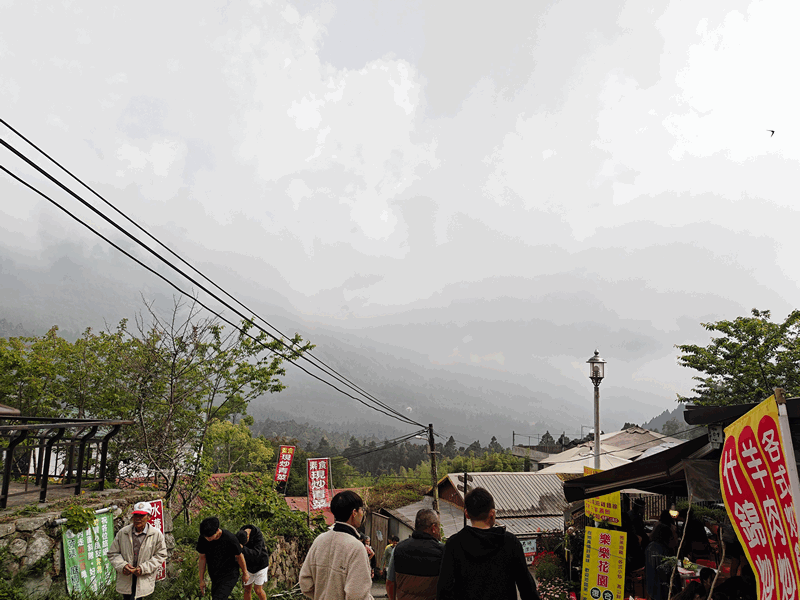
We stopped at a sweets shop bought some mochi and some other dessert thing. Mochi is is a small round Japanese cake made of short-grain japonica glutinous rice and has different flavoured centre fillings and sometimes is rolled in things like cocoa. Fran quite liked it, Doug could take or leave it.
We also saw a stall selling “iron eggs”. They had tiny samples to try – they are a unique flavour and rather rubbery:

An iron egg is a popular Taiwanese snack, specifically a type of chewy, dark-brown, soy-glazed chicken or quail egg that is repeatedly stewed and air-dried for a concentrated flavor. Originating in Tamsui, these eggs are braised in soy sauce, tea, and spices for over three hours, repeating the drying cycle for a week, resulting in a tough texture and intense, savory taste.
We had booked accommodation about 7 km / 4 mi away in order to be close to where we needed to be the next day. At the SuWaNa homestay ($69) we had a large room with private bath and a shared area with a fridge, hot water machine, tv, Wi-Fi and no air as it was not needed as we were at higher altitude so we just slept with the windows open. The owner/manager was super nice and when we asked for some ice for Doug’s knee, she went to get some from town for us. After settling in we sat on the large deck reading for a while. We had been told that there was nothing around the place so to bring our own food which we did.
Sunday morning. we drove 4 km to shuttle bus parking and took the bus into Alishan Forest National Recreation Area. – it’s cherry blossom season so no parking at the park which is 27 KM away. Fran had already booked these tickets online and they included round trip bus transportation and the park entry fee. We had hoped to stay in the park for one night when booking this trip, but finding affordable accommodation here at this time of year was impossible, hence opting to take the shuttle.
Alishan Forest is 415 sq km (41,500 ha) in area at an altitude of between 2,000 – 2,600 m / 6560’- 8500’. There are a number of hiking trails. Alishan has become one of the major landmarks associated with Taiwan. The area is famous for its production wasabi.
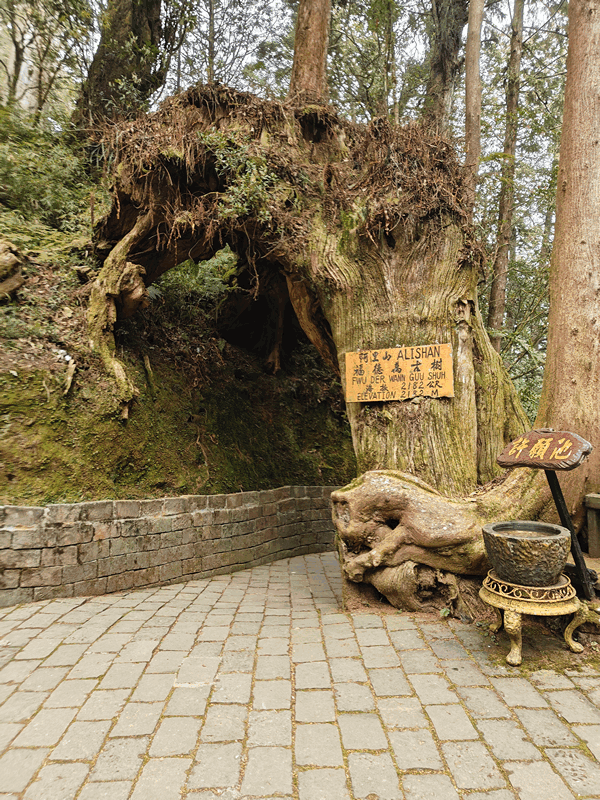
In 1906, the Japanese discovered a red cypress tree that was over 3000 years old and honored it as the “Sacred Tree”. The tree is 52 m / 171’ tall with a trunk diameter of nearly 5 m / 16’, making it one of the largest giant trees in Alishan. That tree withered due to lightning and heavy rain and was taken down in 1998. In 2006, the local government and the Alishan Scenic Area Administration started a voting activity to select other sacred trees as the new landmark in the scenic area. The 45 m / 148’ tall, 2,300-year-old Xianglin Giant Tree received the highest number of votes and became the second generation of sacred tree.
The Giant trees were later organized and a trail is built for visitors to enter, where they can see more than 38 giant trees, most of which are hundreds of years old.
The drive took about an hour to get to the entrance. They drop you off at a large parking area across which is the pick up point for the return journey. We had a plan of how to do our hike here and wanted to start with the park train to the furthest point but the ticket office was closed till 8:30 so we walked in the reverse direction of our plan with the idea to take train back. Best laid plans: one of the main boardwalks was closed so we missed an entire section of the giant trees. We could only stroll trail No. 2 which is the one with fewer trees.
 There are many big cypress trees (probably over 40) of which we probably saw 8 and way fewer cherry trees than we expected.


Also being cherry blossom season, there were way fewer people than we anticipated. Being up high in the mountains it was a cooler day which started sunny and at times the sun peeked out while we were there. We were glad we wore long pants and jackets.


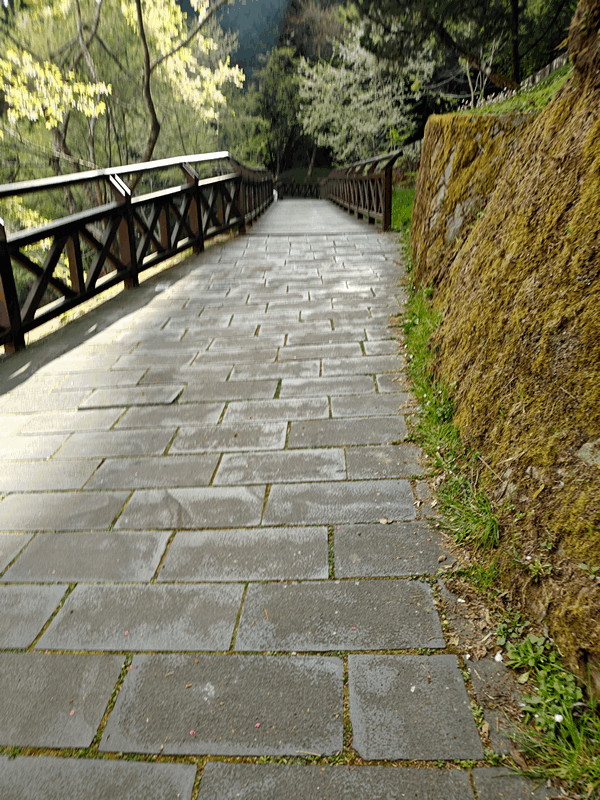
We were impressed how well kept the park was, the stairs and boards were all well maintained. There are a few temples in the park of varying sizes and a good number of cafes and small restaurants near the main train station.




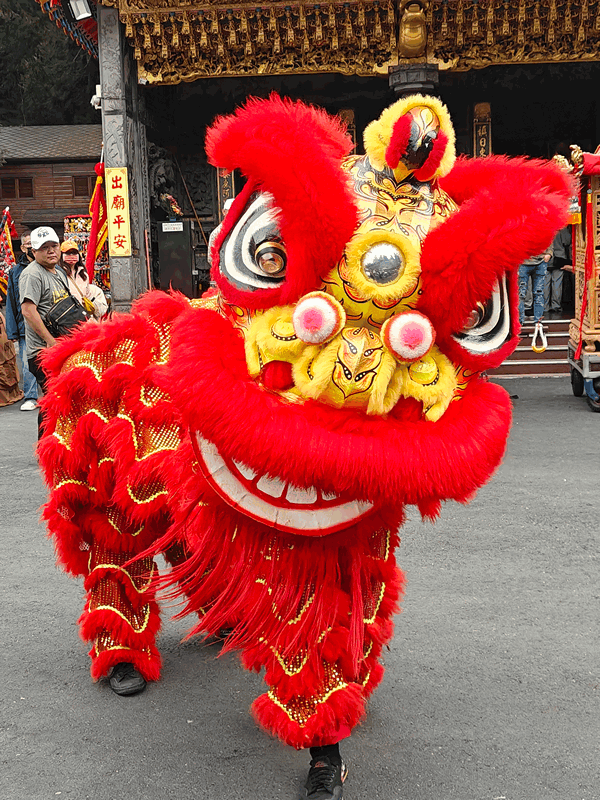
As we walked towards the largest temple, with not really an intention to see it, we could hear music and lo and behold a small “event” was occurring. We watched some gymnastics and a pair of dragons dancing.


and best of all:


We continued towards the sister ponds (used in the former logging days), the furthest point we had planned to go, which were not too exciting.


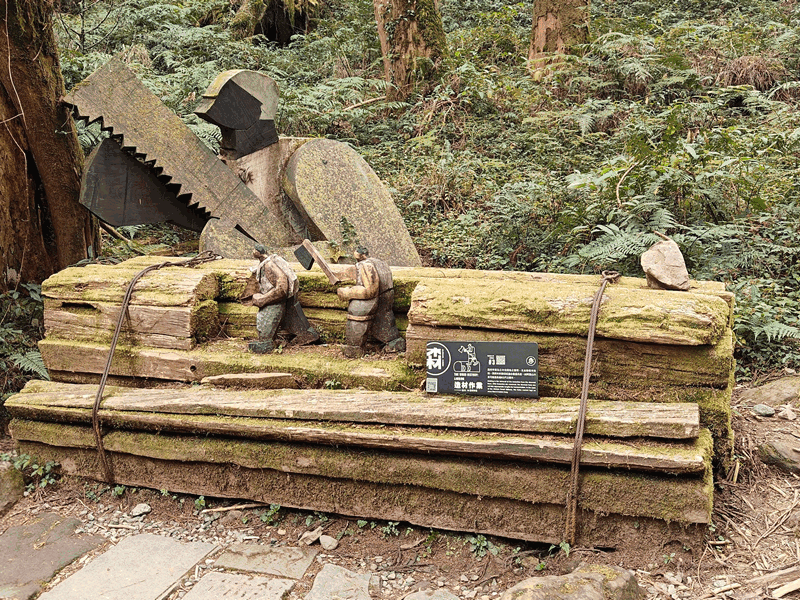
Along this part of the trail, there were a lot of spots with carved loggers to explaining the logging operation back in the day


We checked ou the Blossom Bridge and although there were not a lot of blossoming trees, we did spot monkeys!
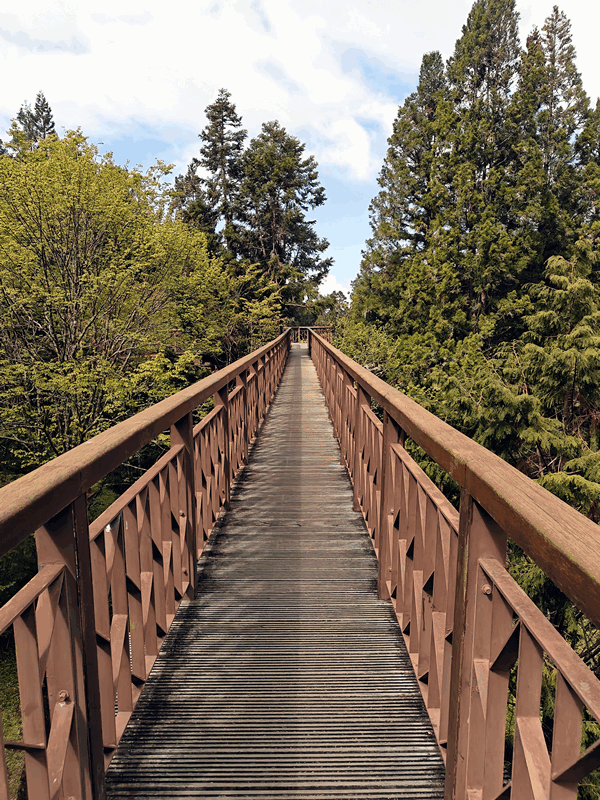
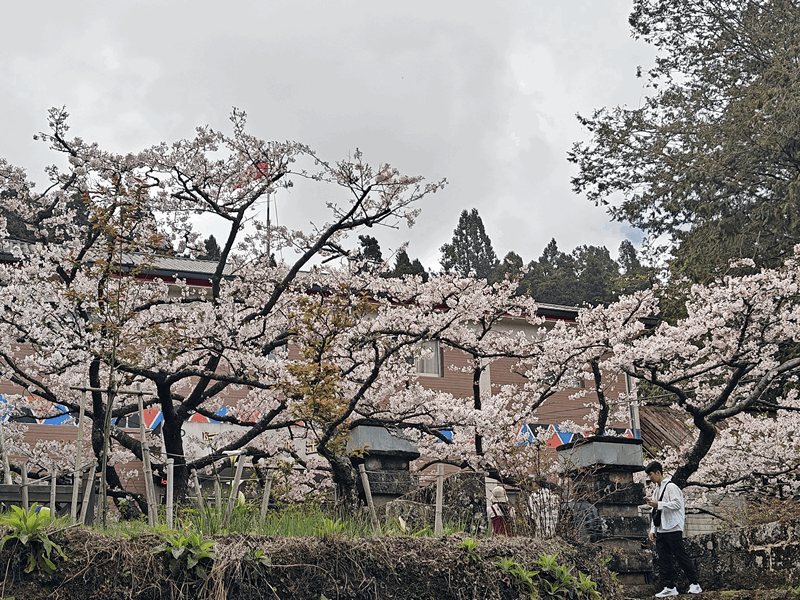


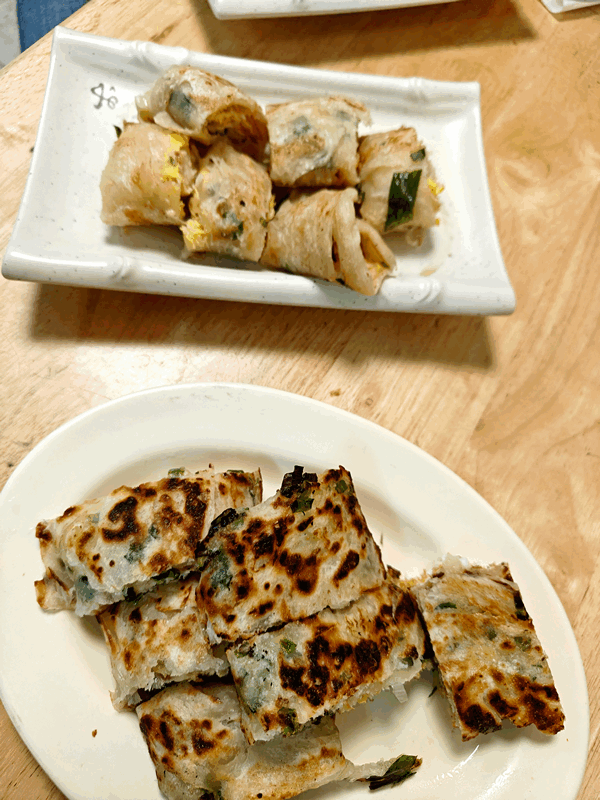
We were pretty much done by 10:30 since we started early and one big section was closed so instead of taking the train we walked back to the main station to have an early lunch of scallion cakes which were grilled not fried and much tastier than the one Fran had had a few days earlier; especially Fran’s with bacon in it!
As the first bus back, did not leave until noon we hung around the pick up spot in chairs provided in order to make the first bus. The bus opened its doors about 11:45 and let people on and once it was full seemed to leave but really just pulled ahead and left at noon as scheduled. Once back at the car park around one around one, we began the drive to our homestay.
We had a homestay booked outside the large city of Chiayi called Yung Faun for which we paid $50 for a king bedroom with private bath and fridge. It was next to a main road east west but surprisingly quiet. The couple running it was very nice and managed to understand us and reply in broken English. Next morning we didn’t have to rush away and enjoyed a leisurely breakfast upstairs. They served us a wonderful feast which we couldn’t finish!
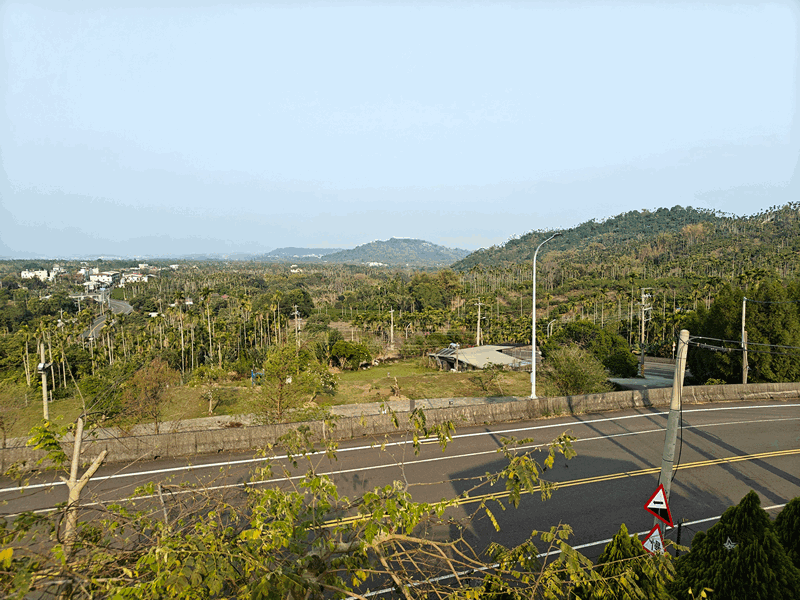
View from the rooftop of the homestay:
We took care of our arrival cards for the Philippines online before leaving and we got our boarding passes for our flights on Tuesday.
Monday, the 30th was our last full day in Taiwan (until we return) and we were off to Kaohsiung where our flight was departing from in the southwest part of the country. The drive was mostly through very built up areas and flat. We did not take any toll roads so there were a great number of traffic lights but not a boring drive.


There was not much in the way of tourists sights here but there was one thing we wanted to check out: The Lotus Pond. The temperature was higher here (34C / 94 F) and slightly more humid however, the sun was shining for a change which is always enjoyable. There are over 20 pagodas (with temples across the road from most of them) around the lake with two in particular of note that we were interested in.

First, the Spring and Autumn Pavilions
This temple complex was established in 1953. It is named after the two Chinese palace-style pavilions built there. Each of these is four-storey and octagonal, with green tiles and yellow walls, and like an antique pagoda reflected in the water. They communicate with each other by 9 bend bridge and are also called “Spring and autumn Royal Pavilion”, set up by commemorated “The Martial Saint, Lord Kua”. There is a Guanyin statue which is riding a dragon in the front end of the Spring and Autumn Pavilions. According to local legend, the Goddess of Mercy riding a dragon appeared in the clouds and instruct followers to build an effigy in the form of its coming out between the two pavilions so this statue was built.


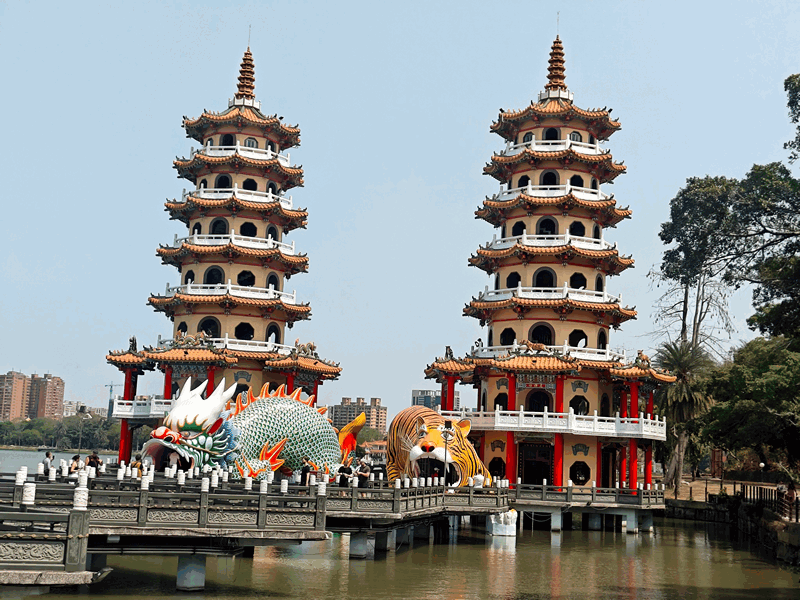
and we saved the best for last: The Dragon and Tiger Pagodas
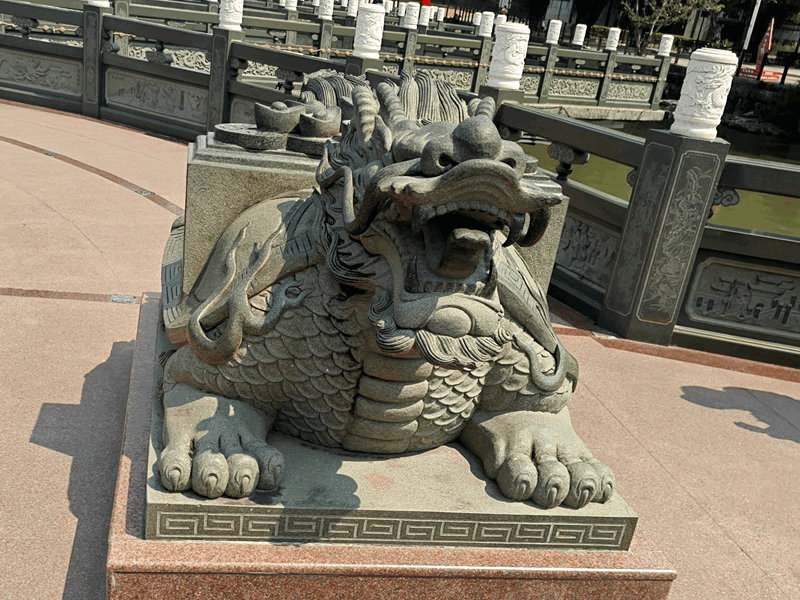
The Dragon and Tiger Pagodas towers have a height of seven stories. The fronts of the buildings have dragon and tiger statues, respectively. Visitors enter the towers through the statues’ bodies. Entering the dragon’s mouth and exiting via the tiger’s mouth is believed to be auspicious. The towers are connected to the shore with a 9-angle bridge. Inside the tiger and dragon figures are work art telling stories of the good and bad and some historical expressions of Chinese tradition.




As we had to return the car by 4, we got to our hotel around 3 stopping at a Subway in a shopping mall food court to pick up dinner since there’s not a lot around the hotel which is 1.5 km from the airport. Fran got us checked in Doug went to the airport to drop off the rental car and walked back.
Luckily, he was able to pay the fee for the toll road in cash which was 28 NTD – less than a dollar with no service fee.
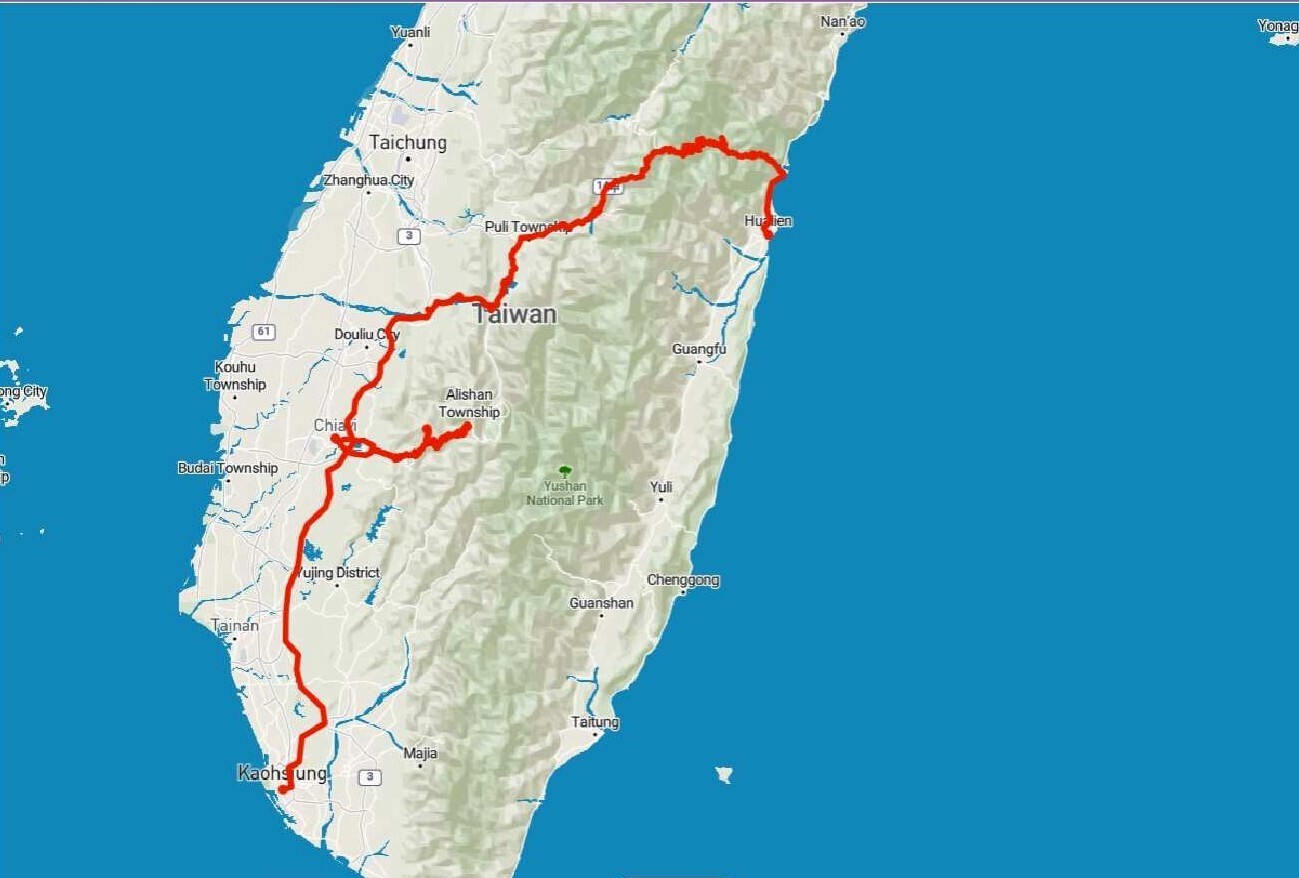
We drove a total of 770 km / 478 mi from Hualien to Kaohsuing.
We had a quiet night in and then early to bed as we had an early flight the next day.
Next morning we were up to be at the airport before 5am. While it was only a short distance to the airport, we took a cab as it was dark and we had our bags. The hotel desk called one for us and we were there in less than five minutes. We dropped off our bags,, zipped through immigration in no time, and went to sit for a hot tea for Fran. Our flight with Asia Air left on time and we were off to Manila, Philippines.