July 19th, 2026
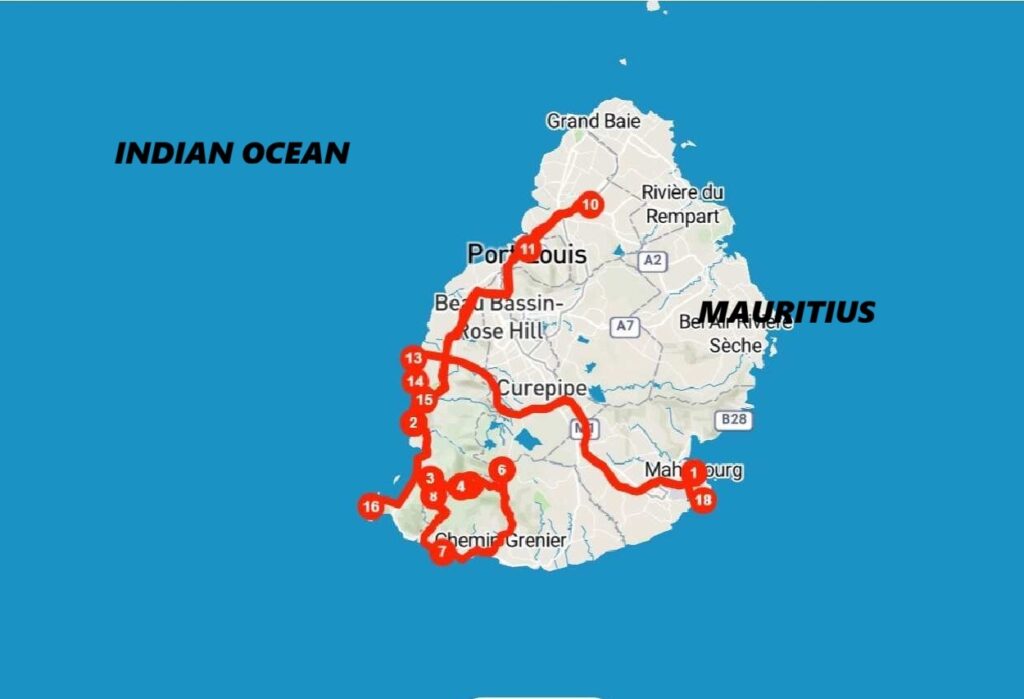
Mauritius, officially the Republic of Mauritius, is an island country in the Indian ocean, located about 2,000 km / 1,300 mi) off the southeastern coast of East Africa, east of Madagascar. It includes the main island (also called Mauritius), as well as the islands of Rodrigues, Agalega and St. Brandon. The islands of Mauritius and Rodrigues, along with nearby Reunion are part of the Mascarene Islands. The main island of Mauritius, where the population is concentrated, hosts the capital and largest city, Port Louis.
It is slightly smaller than Réunion and Luxembourg, about the size of the state of Rhode Island and less than half the size of Prince Edward Island.
The 1502 Portuguese sailor, Cantino Planisphere had led some historians to speculate that Arab sailors were the first to discover the uninhabited island around 975, naming it Dina Arobi, called Ilha do Cirne or Ilha do Cerne on early Portuguese maps. The island was not visited by Portuguese sailors until 1507. A Dutch fleet, took possession of the island in 1598, renaming it after Maurice, Prince of Orange. Short-lived Dutch attempts at permanent settlement took place over a century aimed at exploiting the local ebony forests, establishing sugar production using cane plant cuttings from Java together with over three hundred Malagasy slaves, all in vain.
When French colonization began in 1715, the island was renamed “Isle de France”. In 1810, the United Kingdom seized the island and under the Treaty of Paris, and France ceded Mauritius and its dependencies to the United Kingdom. The British colony of Mauritius until 1906, included the Seychelles. Mauritius became the British Empire’s main sugar-producing colony and remained a primarily sugar-dominated plantation-based colony until independence, in 1968. Mauritius became the focus of “The Great Experiment”. From 1834 to 1849, the first migrations of indentured labourers began. (more on that below)
The country became a republic in 1992 but retained the Privy Council of the UK as highest court of appeal.
Given its geographic location and colonial past, the people of Mauritius are diverse in ethnicity, culture, language and faith. It is the only country in Africa where Hinduism is the most practiced religion. Ind-Mauritians make up the bulk of the population with significant Creole, Sino-Mauritian and Franco-Mauritian minorities. The island’s government is closely modeled on the Westminster parliamentary system with Mauritius highly ranked for economic and political freedom. The Economist Democracy Index, ranks Mauritius as the only country in Africa with full democracy.
The country is a welfare state. The government provides free universal health care, free education up through the third level, and free public transportation for students, senior citizens, and the disabled. Mauritius is consistently ranked as the most peaceful country in Africa.
Along with the other Mascarene Islands, Mauritius is known for its bio diverse flora and fauna with many unique species endemic to the country. The main island was the only known home of the dodo, which, along with several other avian species, became extinct soon after human settlement. Other endemic animals, such as the echo parakeet, the Mauritius kestrel and the pink pigeon, have survived and are subject to intensive and successful ongoing conservation efforts.
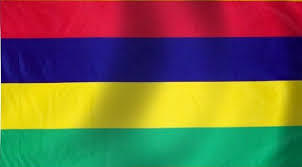
The flag of Mauritius, adopted on March 12, 1968, features four horizontal stripes—red, blue, yellow, and green—known as Les Quatre Bandes (The Four Bands). It symbolizes the nation’s independence struggle, its Indian Ocean location, a bright future, and its lush agricultural landscape.
No need to put in the currency, gas etc info here as it was the same as Rodrigues Island, being the same country.
We landed on Mauritius a little late due to a slightly delayed departure and again, we had issues with car rental companies. They said to meet them at Gate 7; no one was there; after phoning they advised they would be there in five minutes but we had to call once again after 20 minutes. Then a fellow finally found us and took us to a car that drove us to the office. Luckily, the pick up only took about 15 minutes and we were on our way.
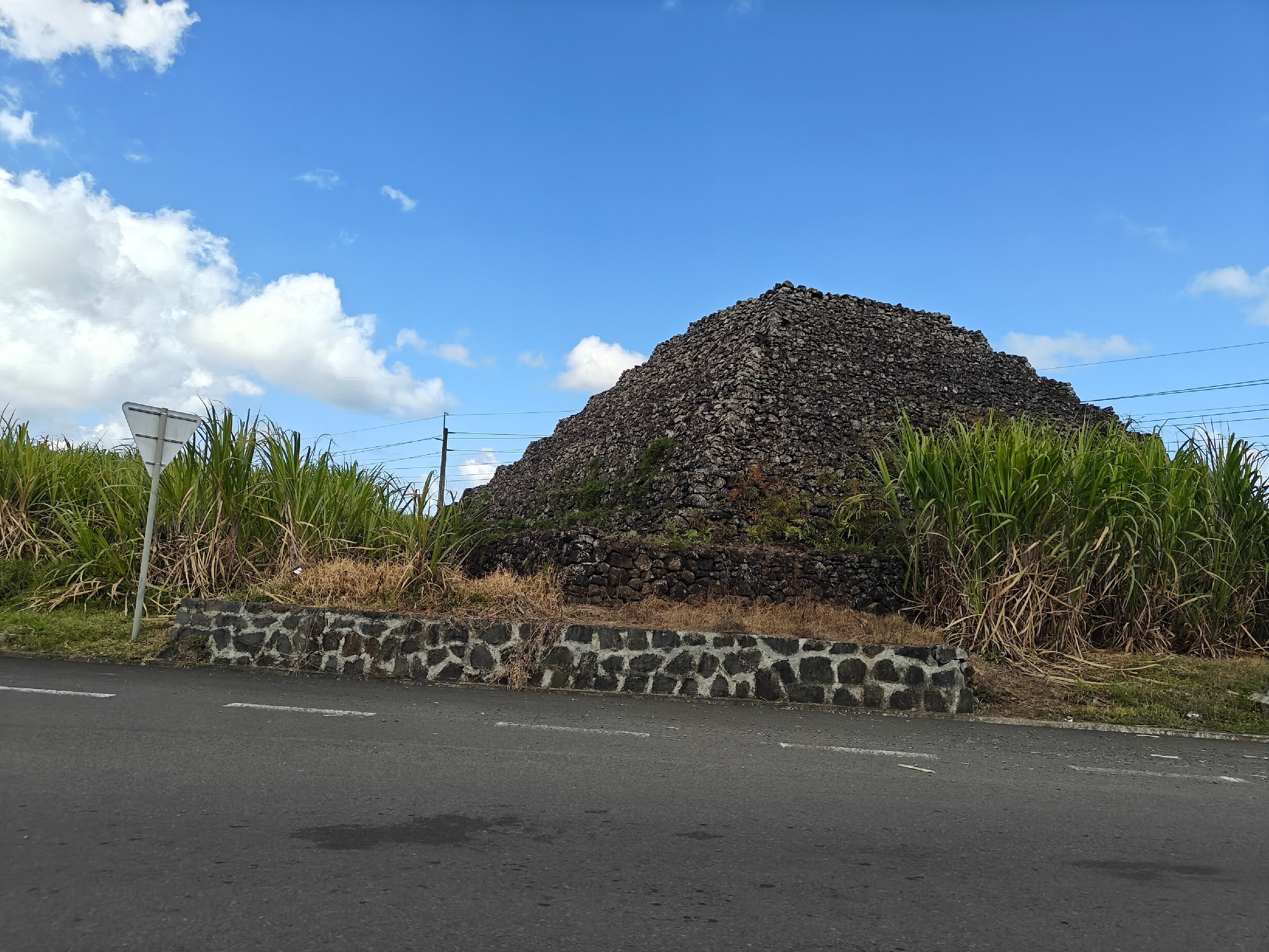
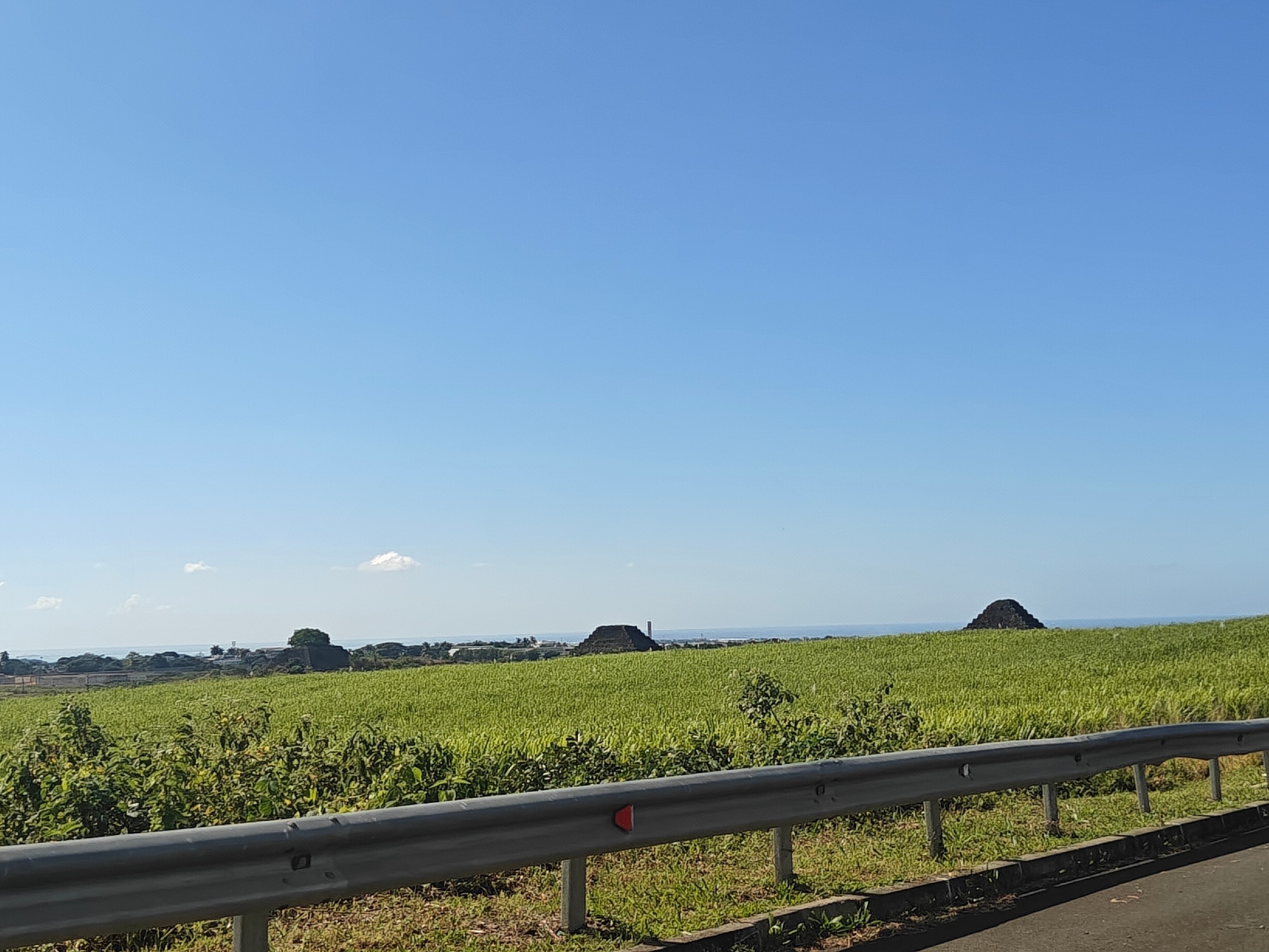
As we drove onto the main highway to cross the island we saw a few step pyramid piles of stones – WTH was this? Doug had to know and found out this from Atlas Obscura:
Pyramids of Plaine Magnien – are the proof of ancient aliens or…..? There are seven mysterious basalt pyramids around 20 m / 65’ tall rising from the fields of sugar cane. If you search, there are several theories involving ancient civilizations, or evidence of the lost Indian Ocean continent of Kumari Kandam.
The truth is, of course, much simpler. The island is a volcanic one and is perfectly suited for growing sugar cane (the primary export). But due to the explosive geological history of Mauritius, there is a great deal of rocky terrain. During the 1930’s to 1960’s, labourers cleared the rocks and boulders, often by hand, and – humans being humans – decided to stack them up in a pleasing shape.
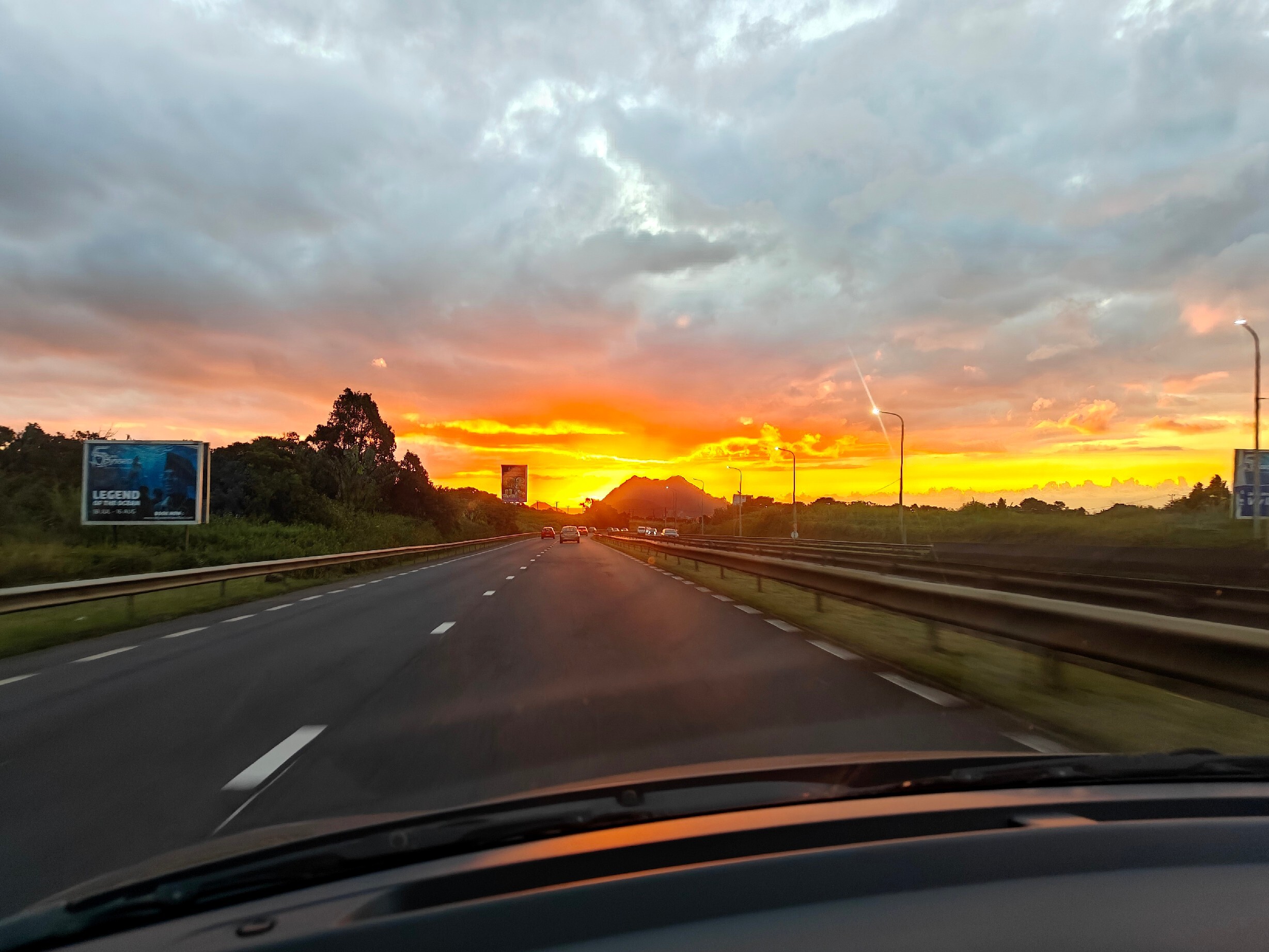
The sun was going down now and we arrived in the dark as it was a good 50 minutes to the hotel.
The Bay hotel is right on the beach on the west side of the island. We got a standard room with a king bed, mini fridge, large bathroom, AC and wifi on the first floor with a patio area off the side (but with no view). After checking in, we dropped our stuff in the room and went to dinner at their bar/restaurant where we were given a table right overlooking the beach. It was full dark by this time but here are a few photos of our hotel on the beach on south west side of the island:

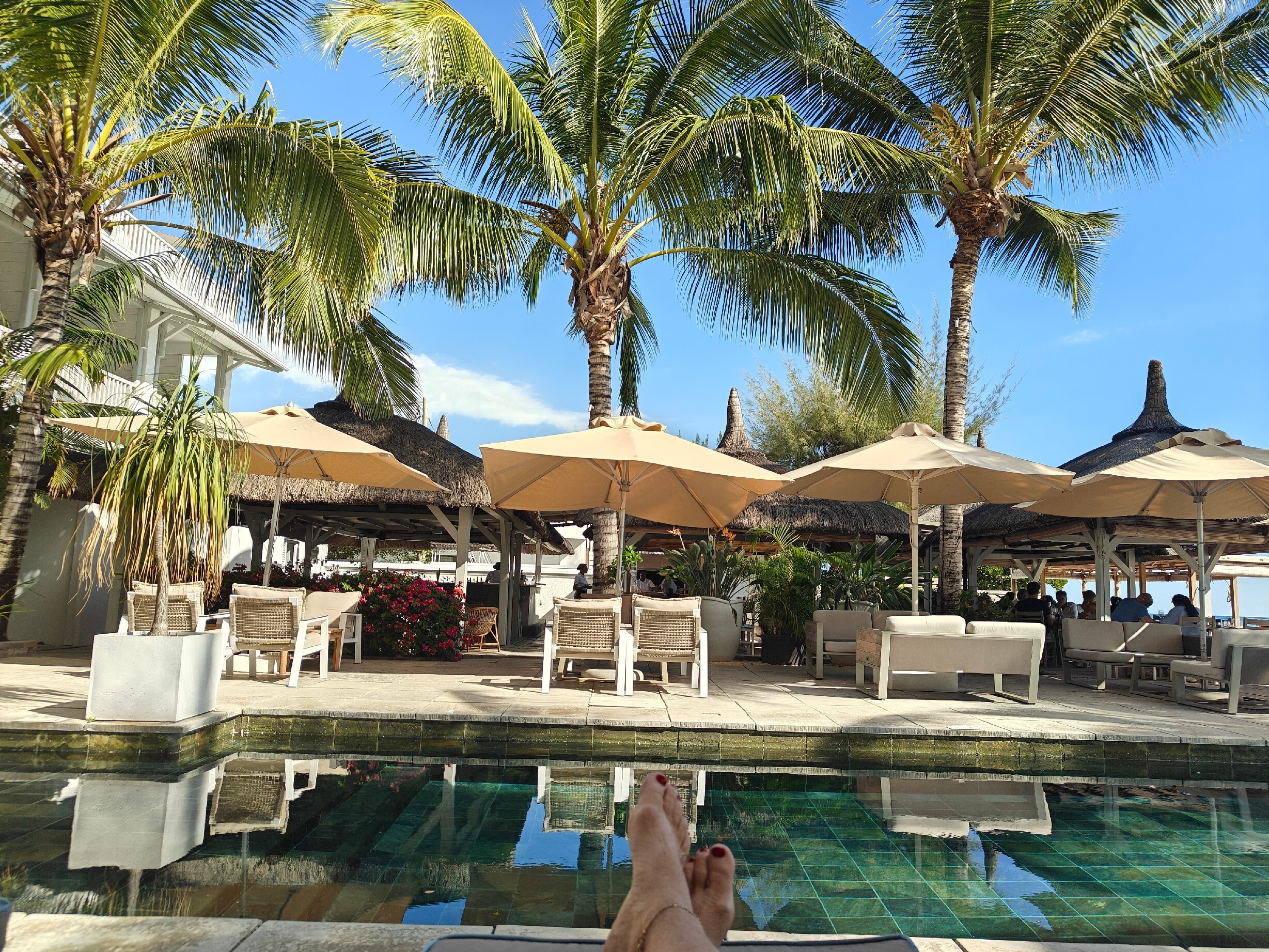

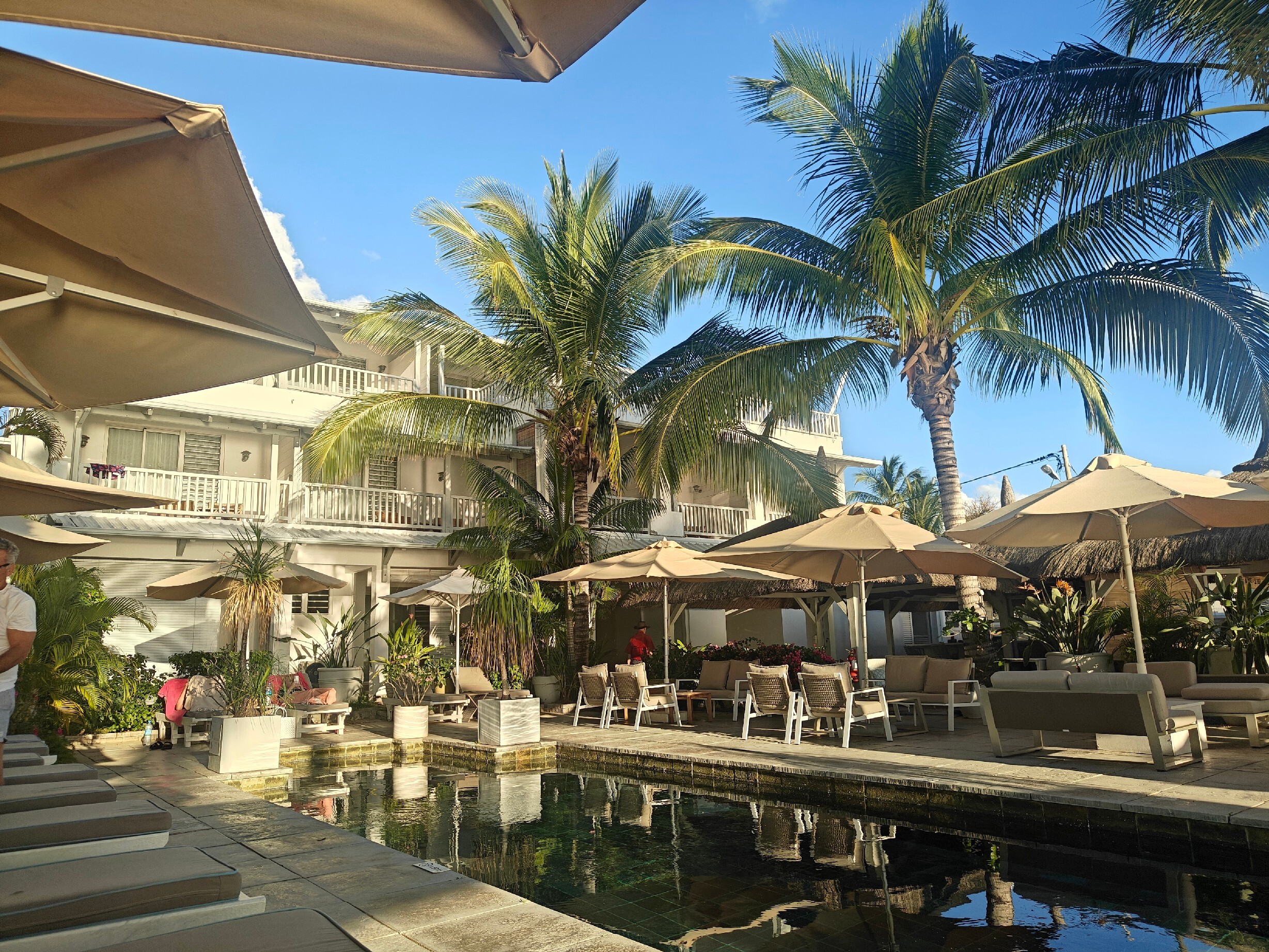
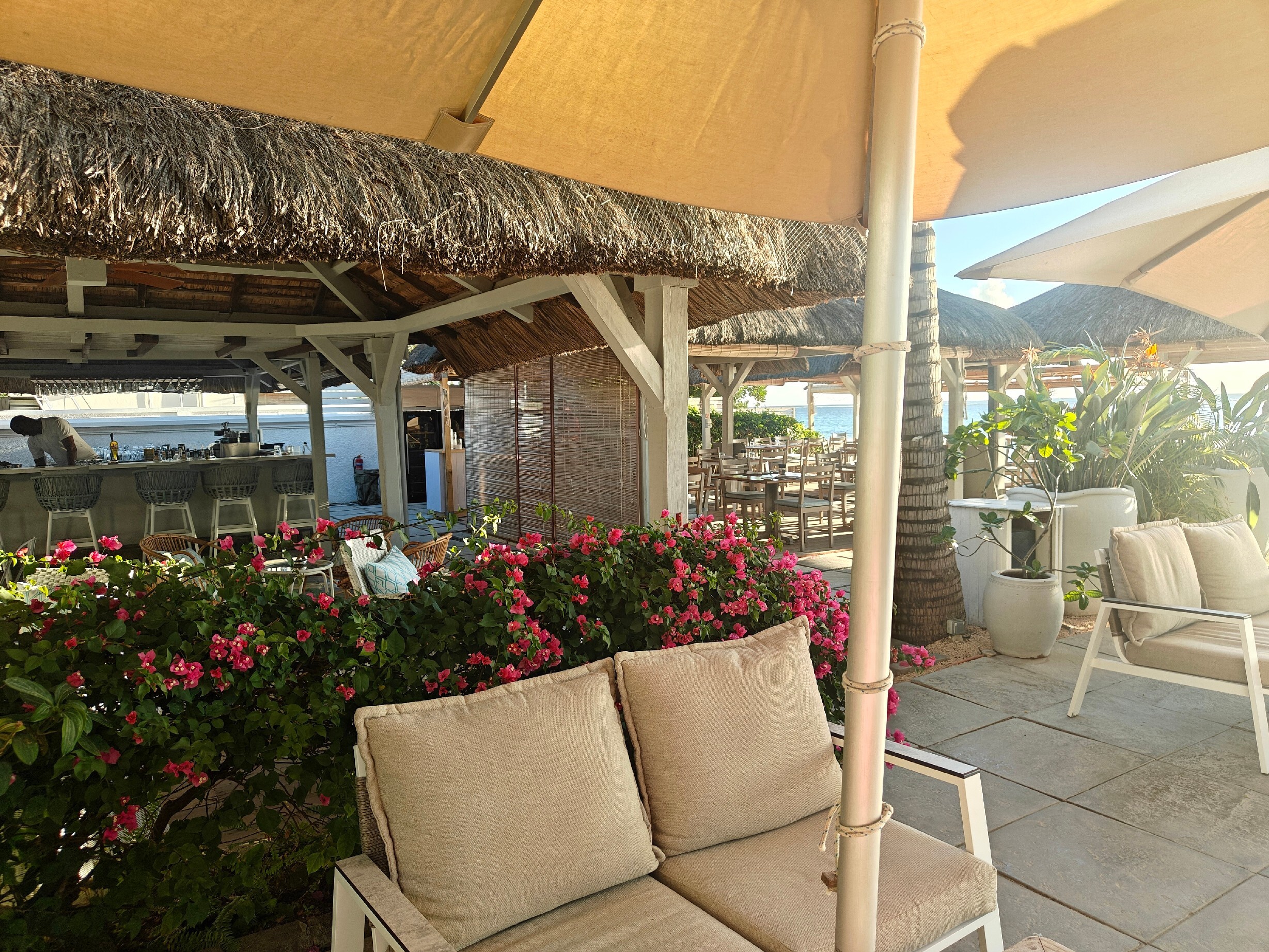

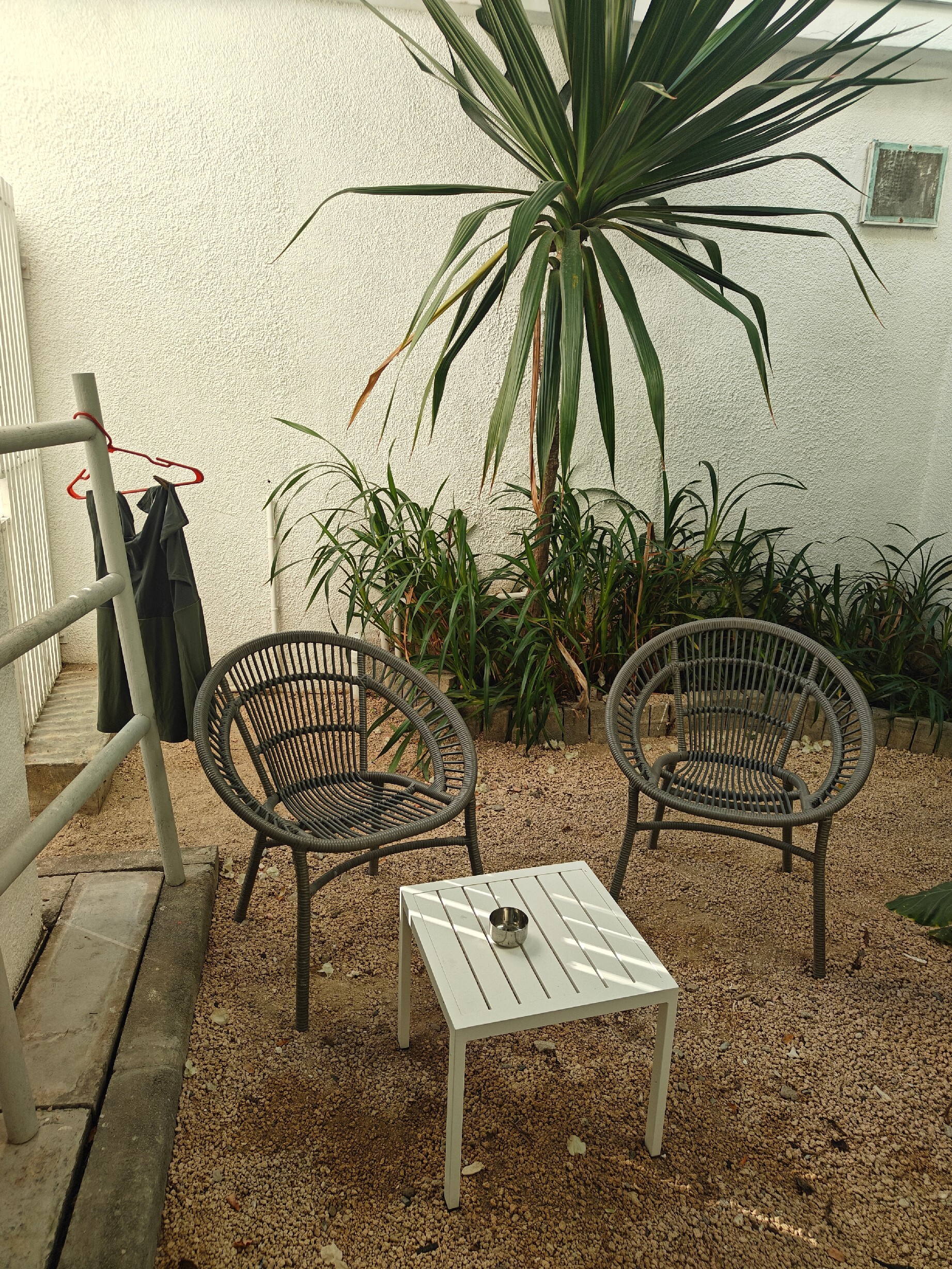
We had a quiet night and after Doug’s run and Fran’s yoga in the morning, we went for the included breakfast back at the restaurant and got the same table. This was our view this morning – so peaceful looking:
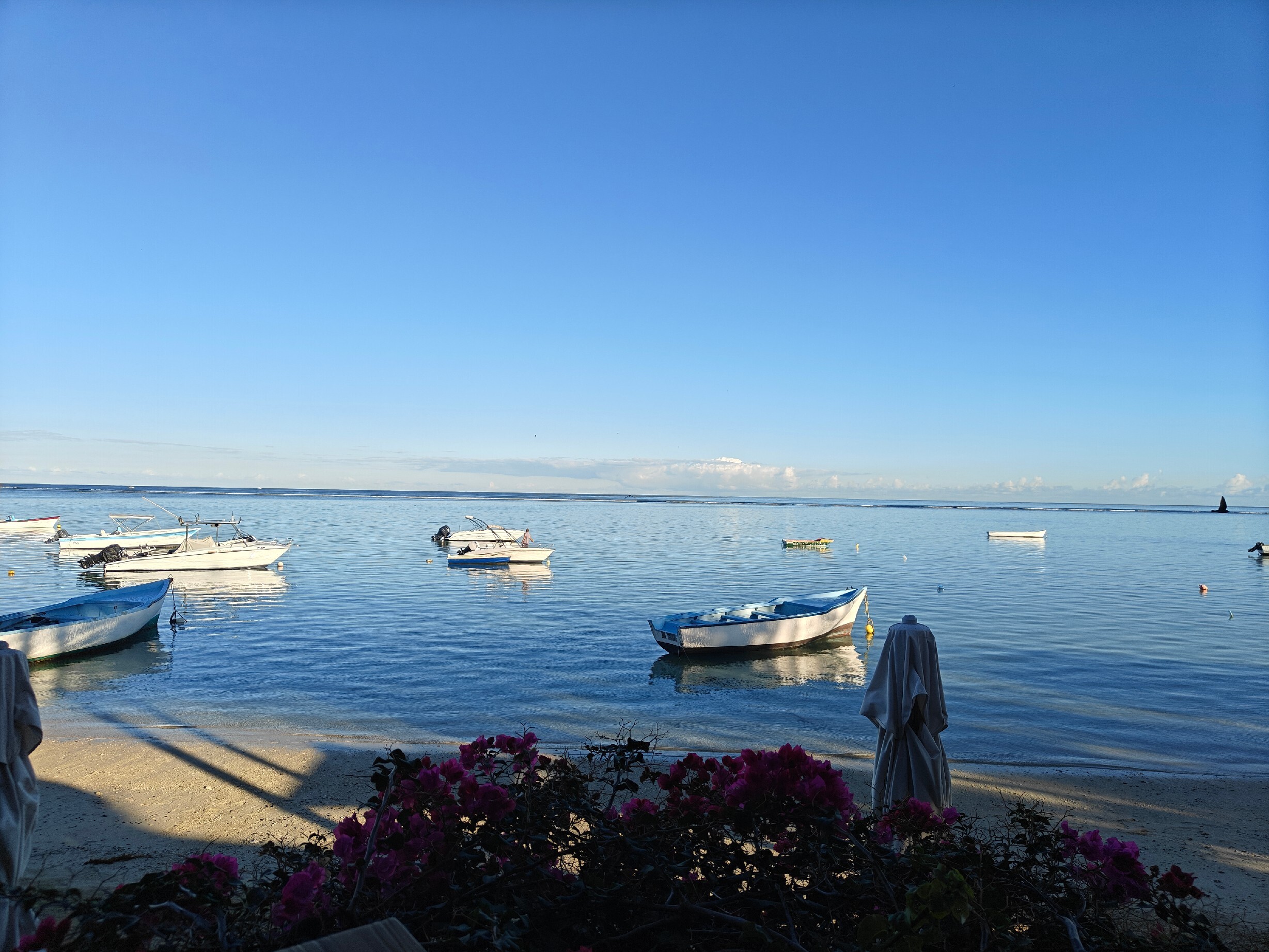
The breakfast menu is quite large which means we can mix it up every morning.
Before leaving Rodrigues we had spent some time figuring out what we wanted to see here and Monday we did our first drive into the Black River Gorges National Park. It was quite a scenic drive but we have to say it pales in comparison to Réunion. We visited a few lookouts, sad waterfalls and the visitor’s centre where the rare pink pigeon is being nurtured and sent back into the wild. We did see a few macques on our drive but never in a good spot to take a photo.
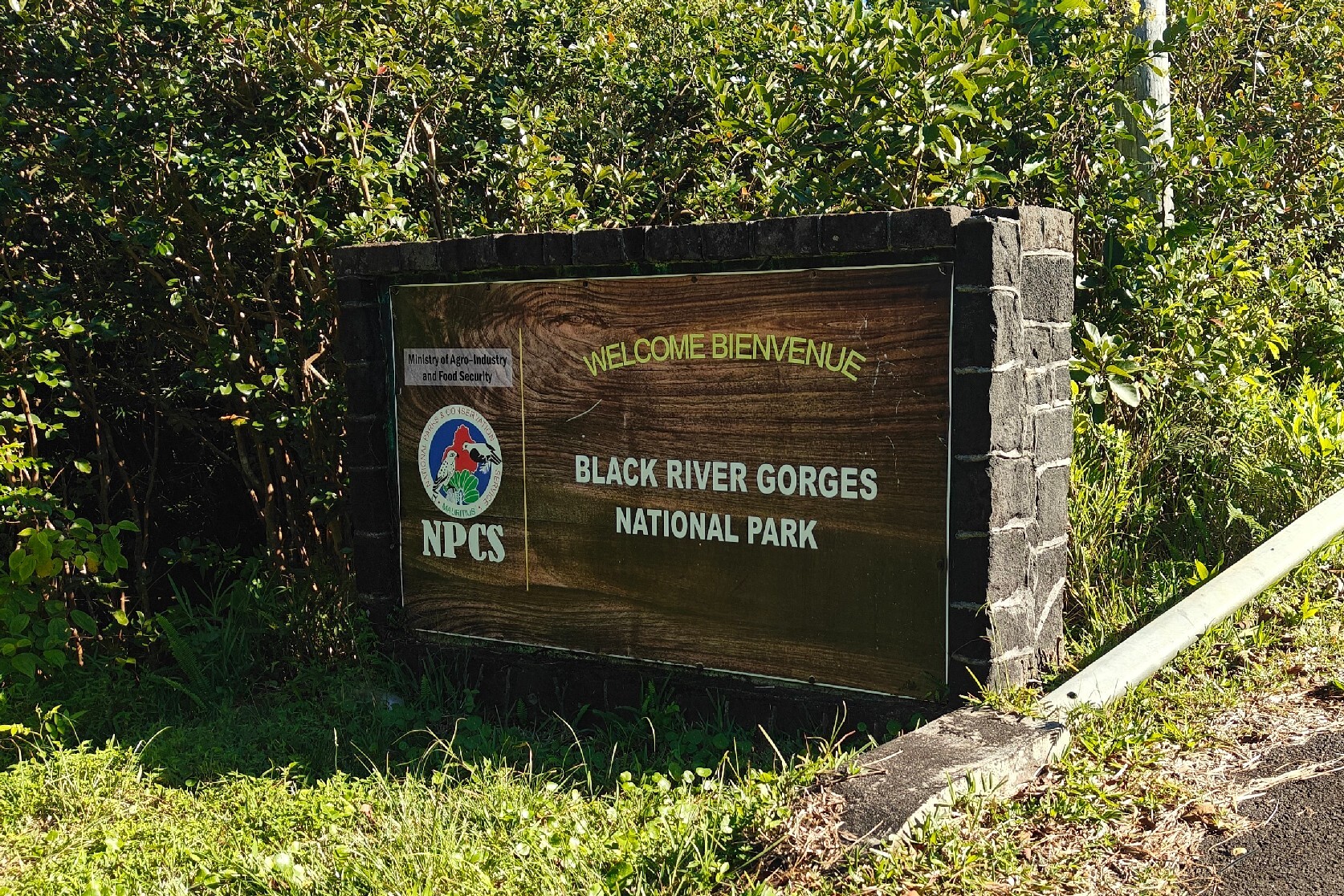
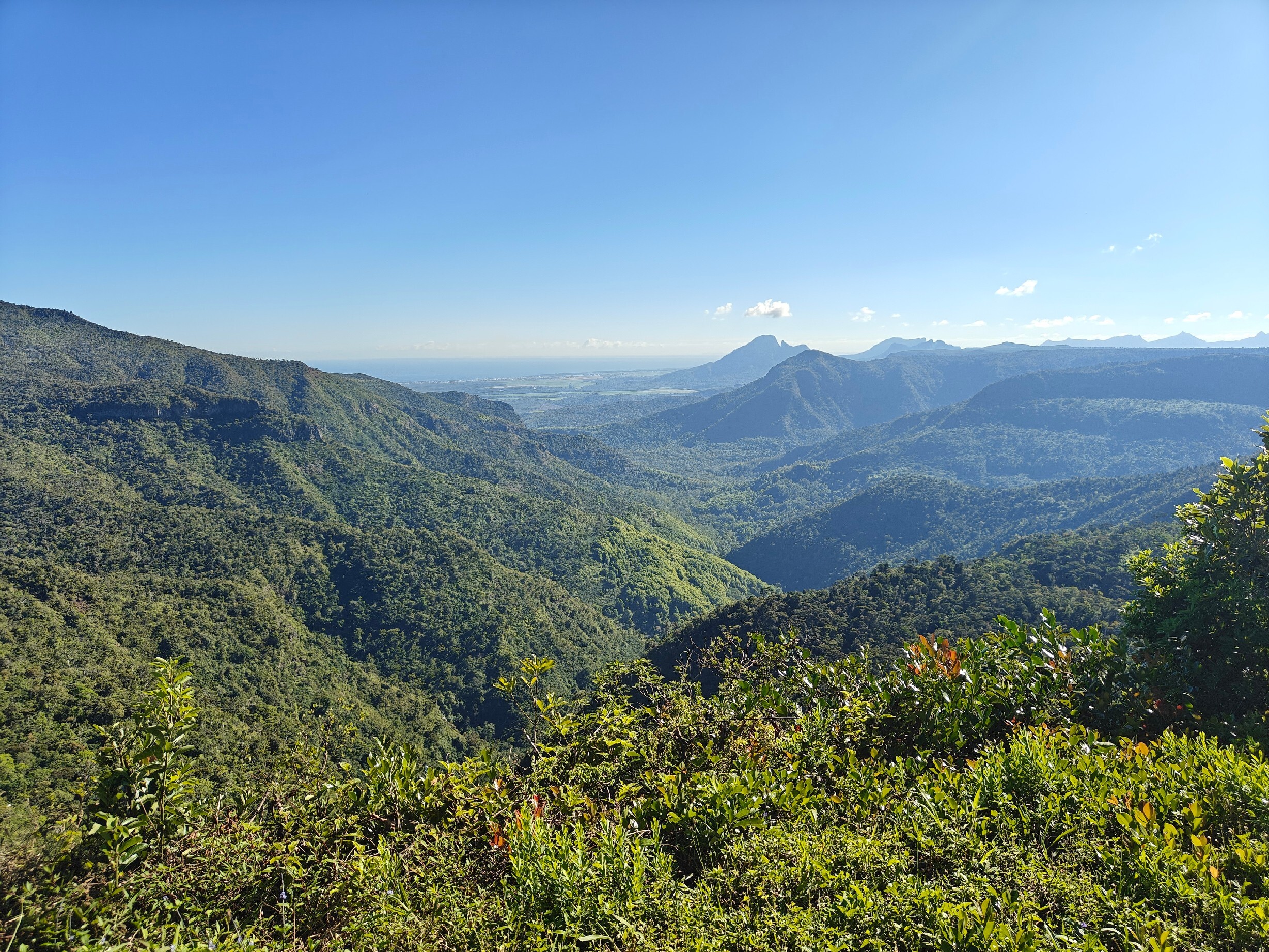
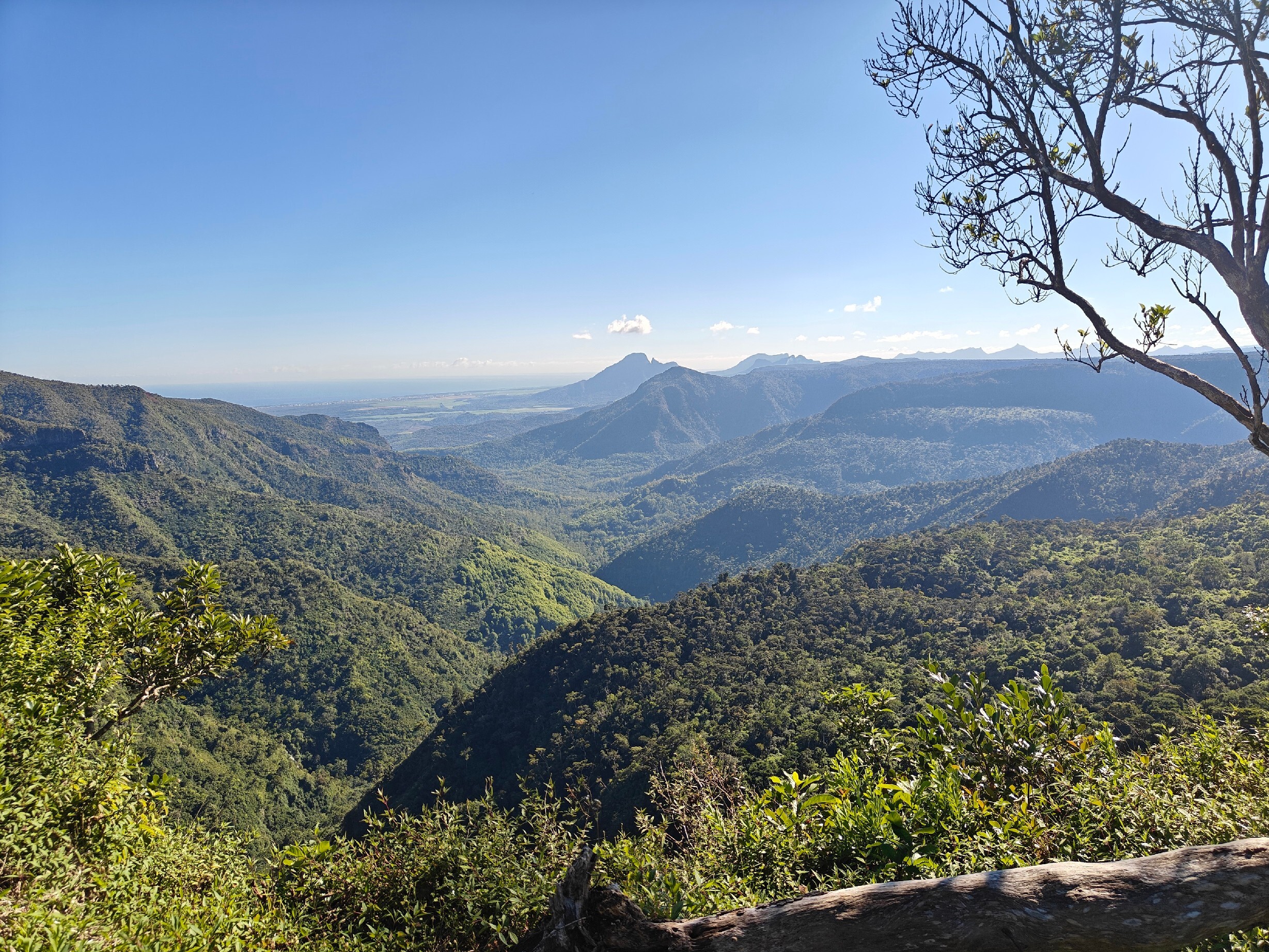

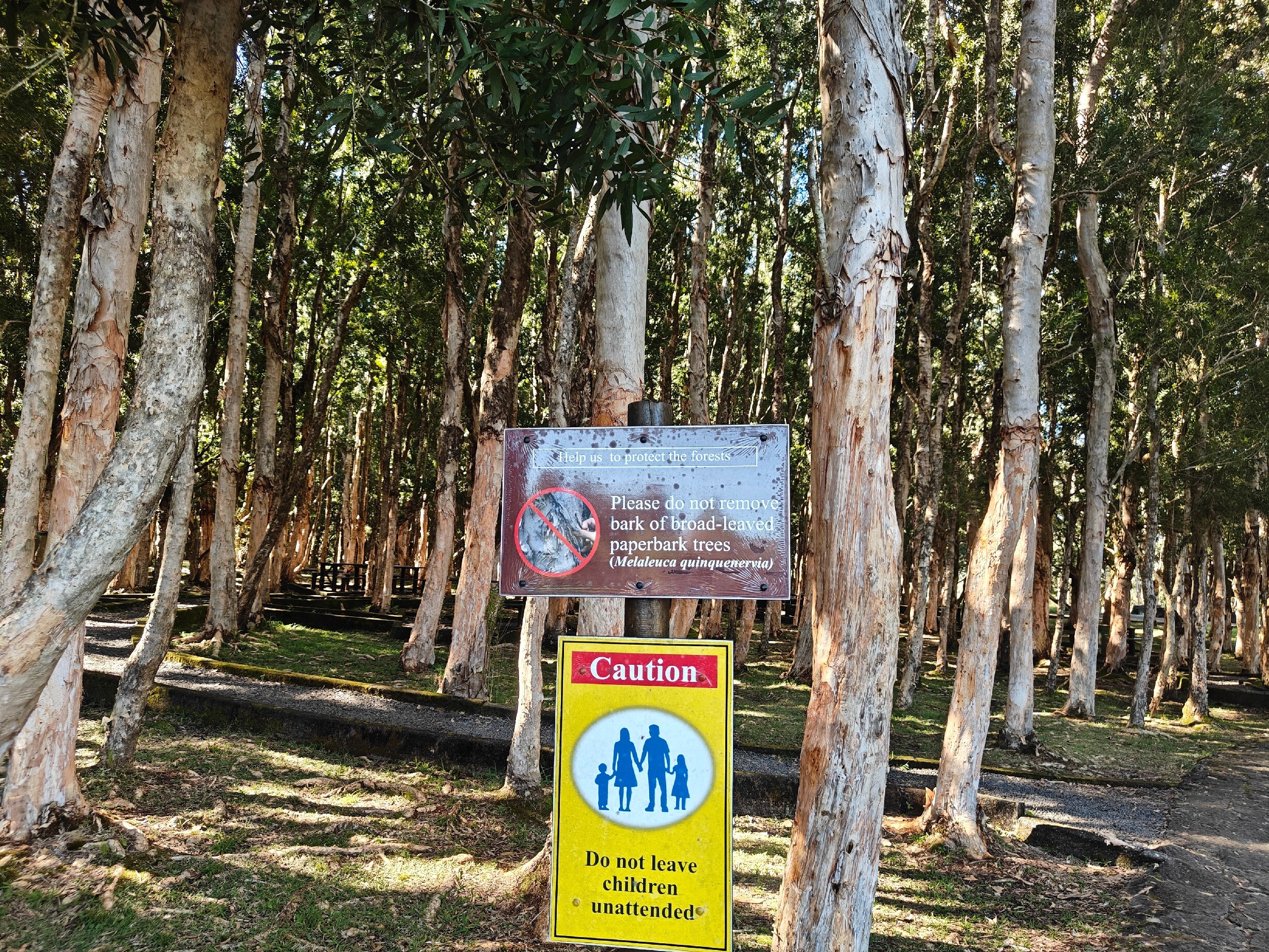
On the walk to the Alexandra Falls (which you can barely see) were these “paperbark” trees:
If you look hard, you might see the falls in the middle of this photo:
Here are a few pink pigeons we saw:


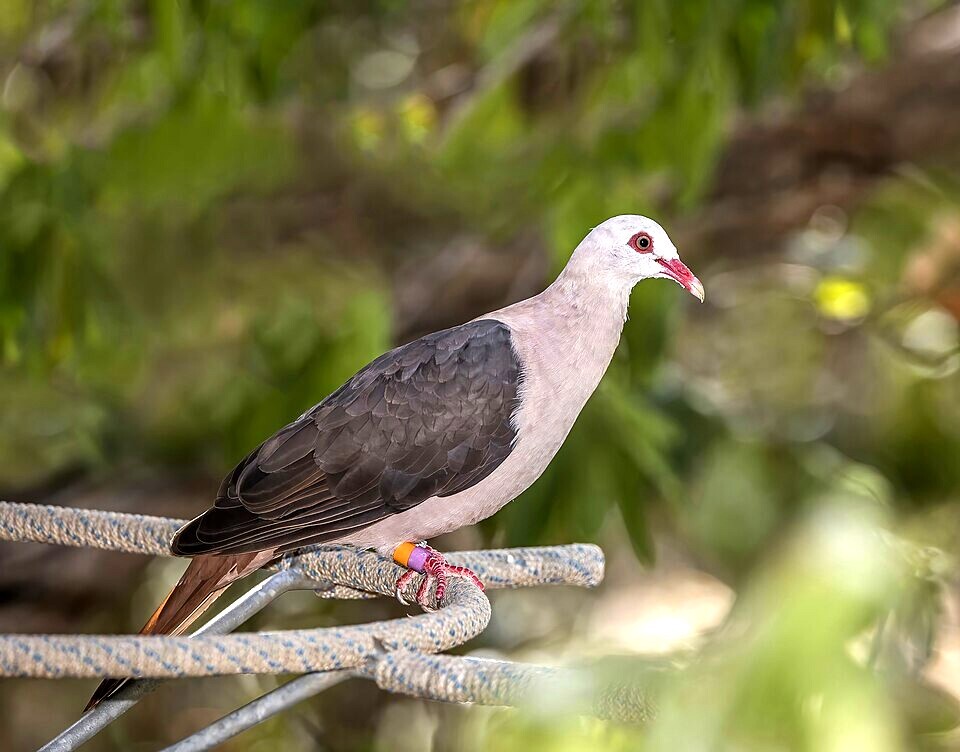
And this is one from Wikipedia:
There were fern trees in the park here too: 
Then we stopped at the Bassin Blanc which was not white at all:
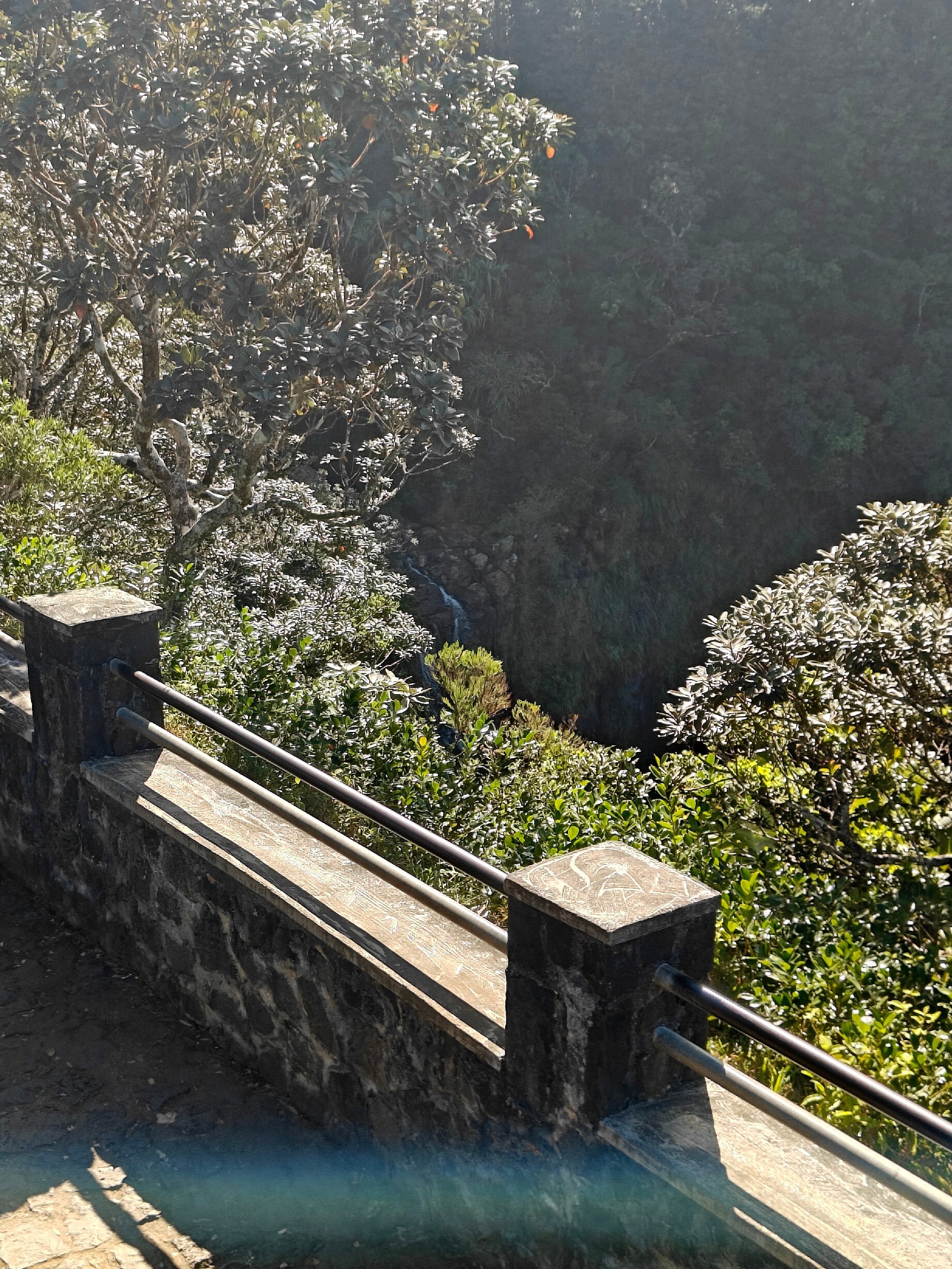
 There was a lookout we passed on the way into the park so we stopped on the way back:

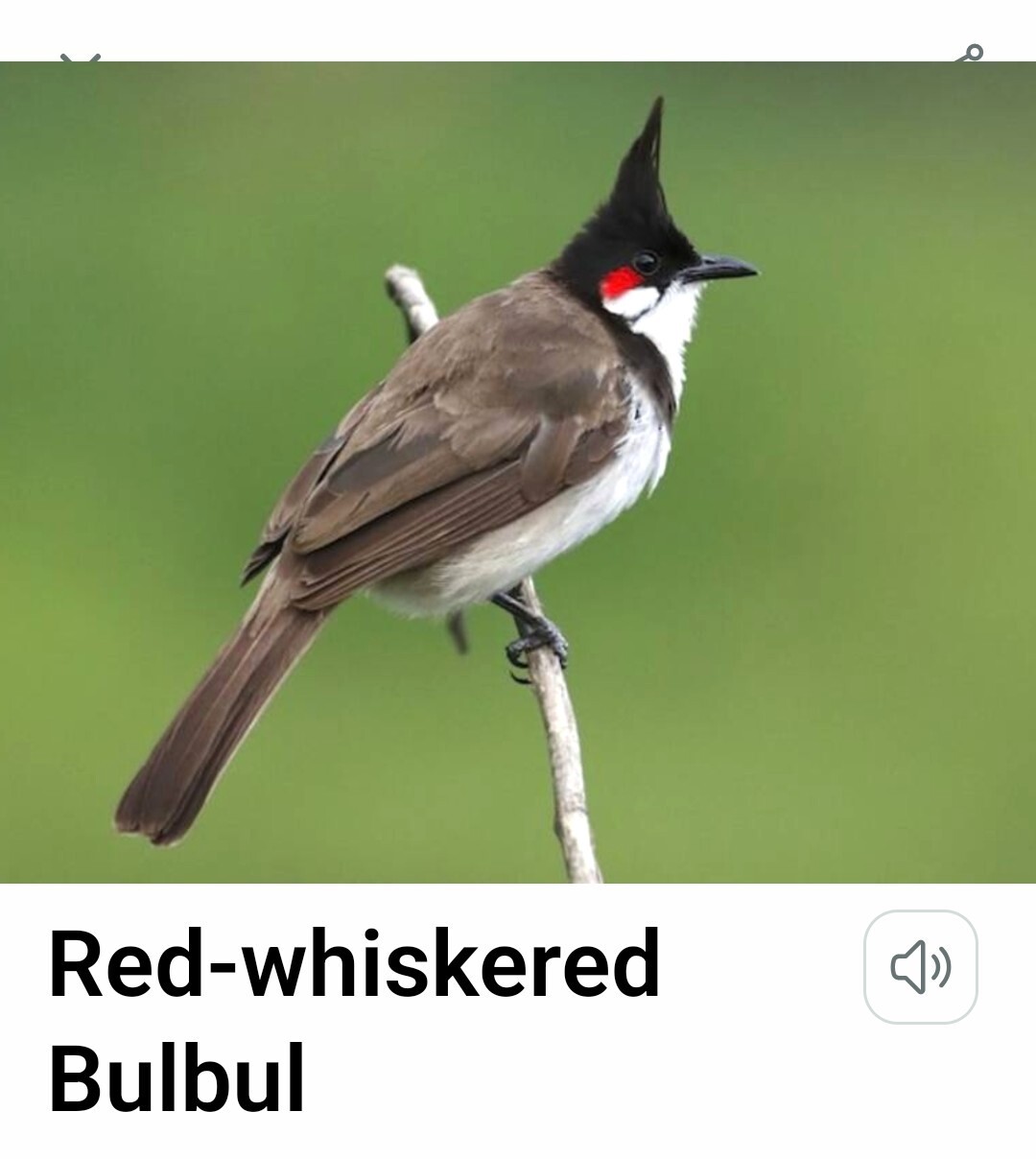
 Doug has gotten himself a bird calling app and we heard an interesting call and at one point after hearing it, we saw one land fleetingly on the trail:
We had considered going to the 7 coloured mountains but after researching photos, and seeing it was not impressive (the ones in Peru are much, much bigger and more impressive), we passed which also meant not going to the ebony forest but really, in a forest you cannot see the black centre of the tree anyway – we saw that in Rodrigues at the tortoise sanctuary.
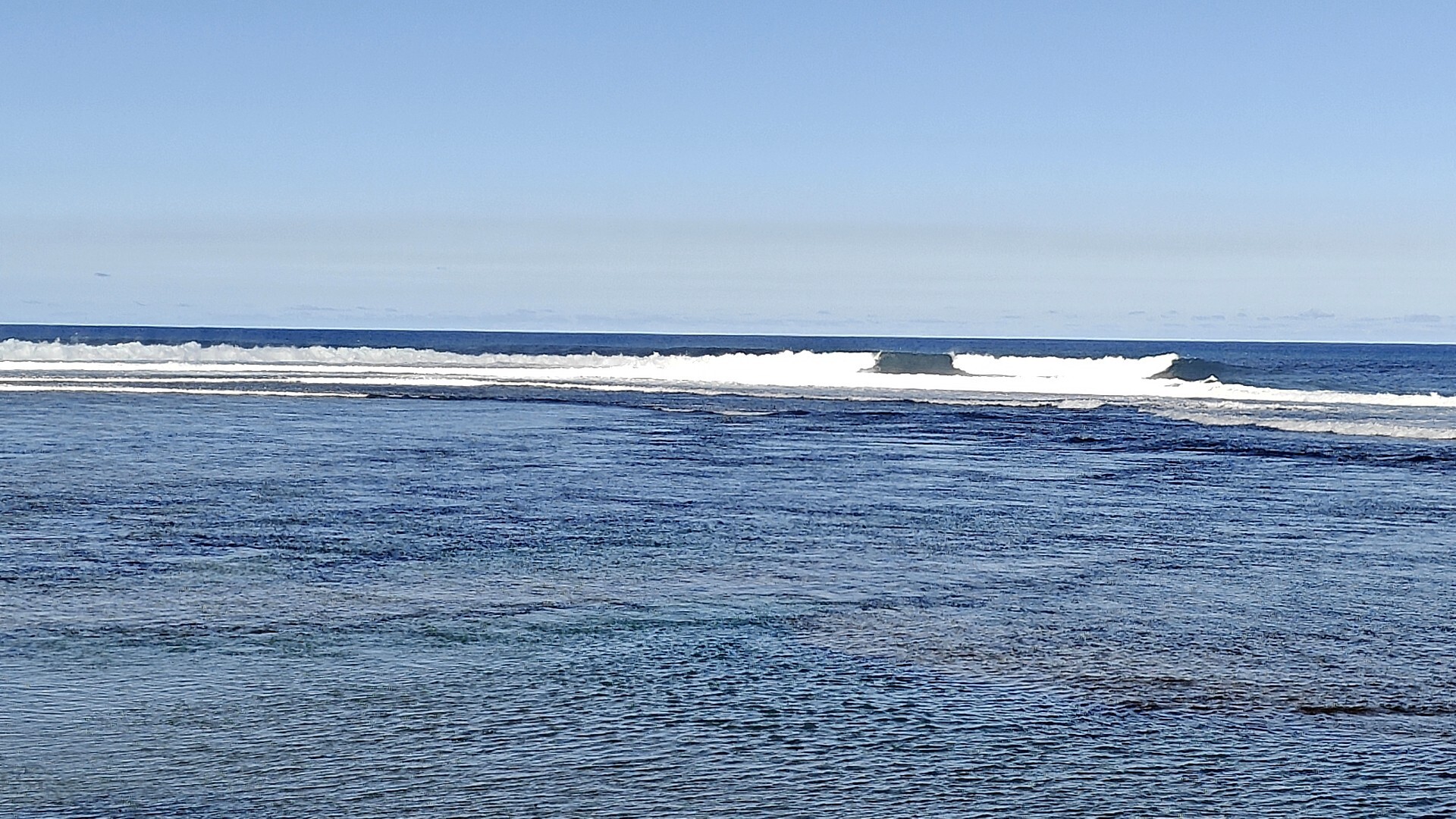
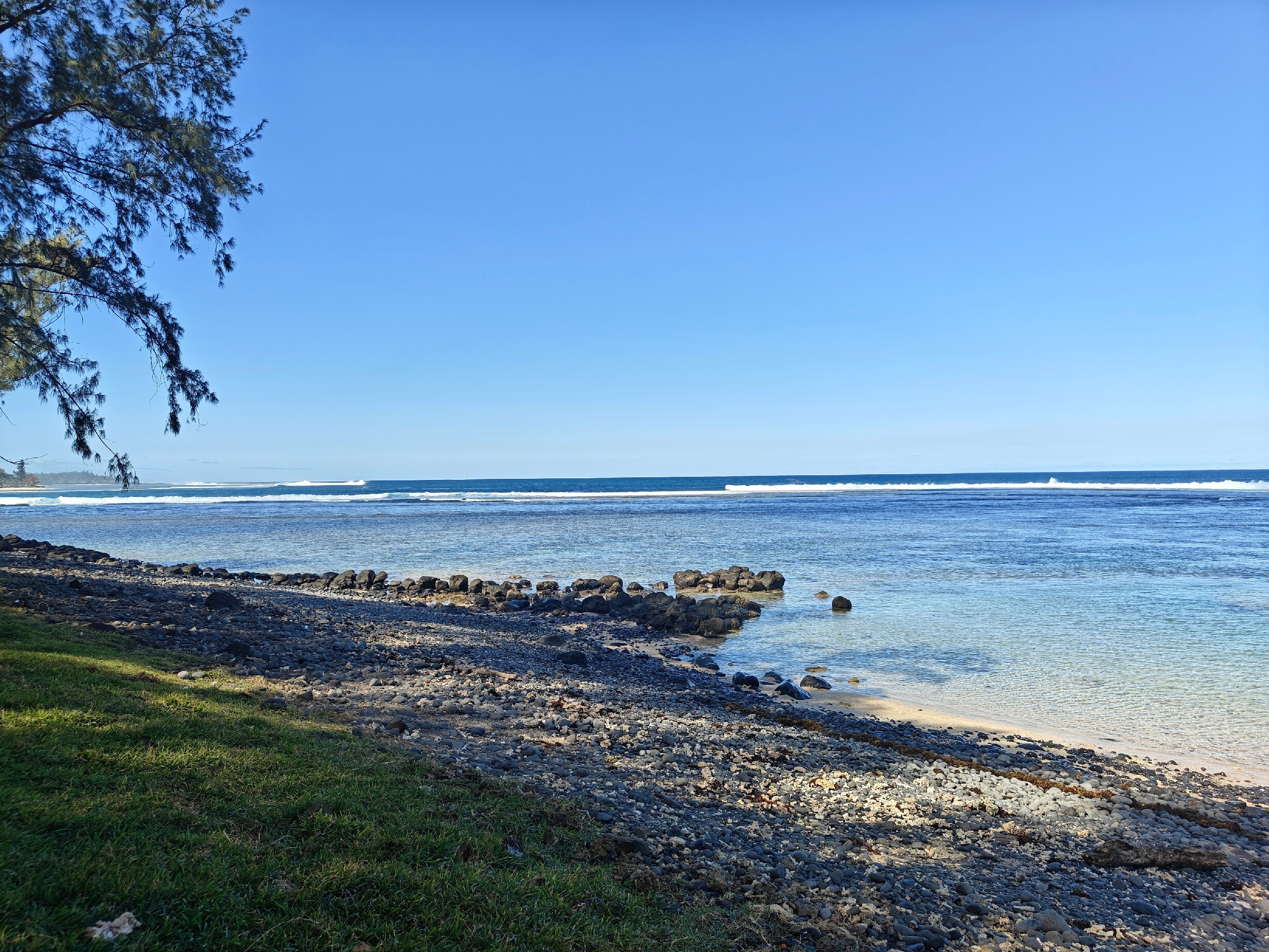
We made some stops along the south coast where we could see crashing waves on the reef.
We were back by 12:30 and Fran didn’t feel very well. She went to lie down and Doug went out to run some errands.
Upon his return, we both changed into our swim suits and planned to sit under an umbrella a the beach but we are on the west side of the island and there’s no shade even under an umbrella so we sat poolside instead.
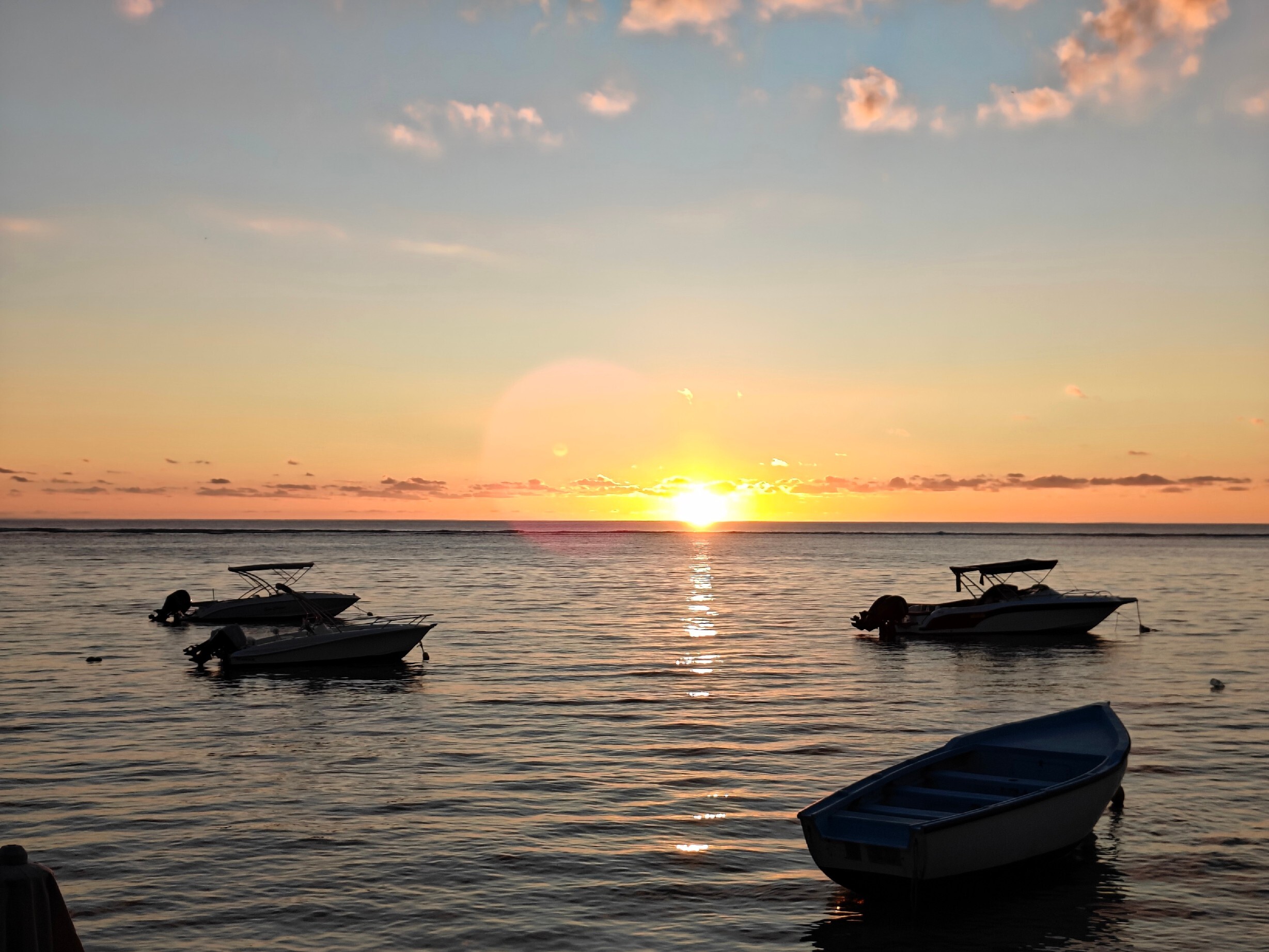
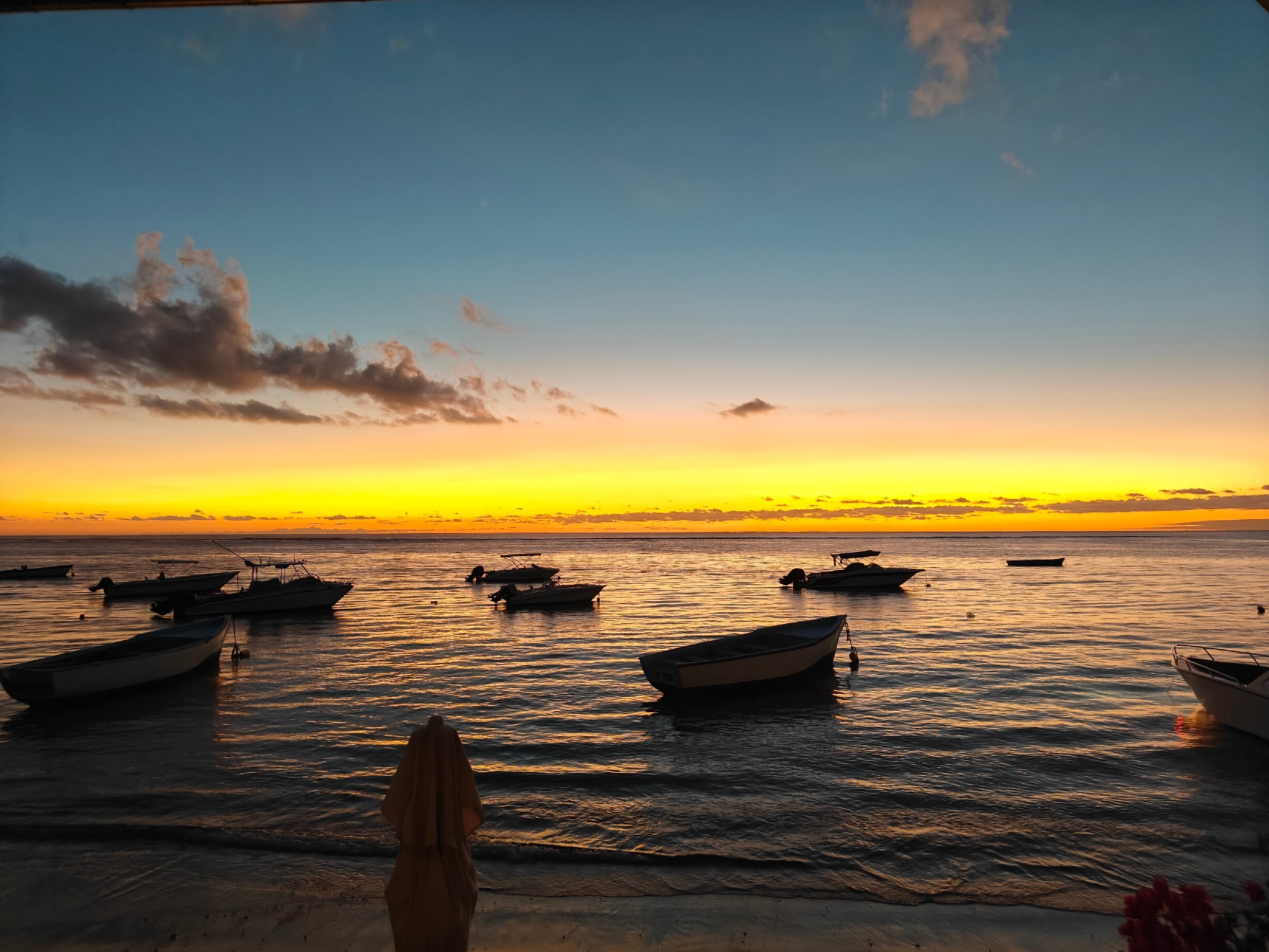
Around 5:30 we went to get our table for our 6:30 reservation in order to watch the sunset – it was so beautiful.
 Fran was feeling better the next morning but her knees were acting up again – it was like she’d had no cortisone shot. Guess it’s time for a new plan when we get home.
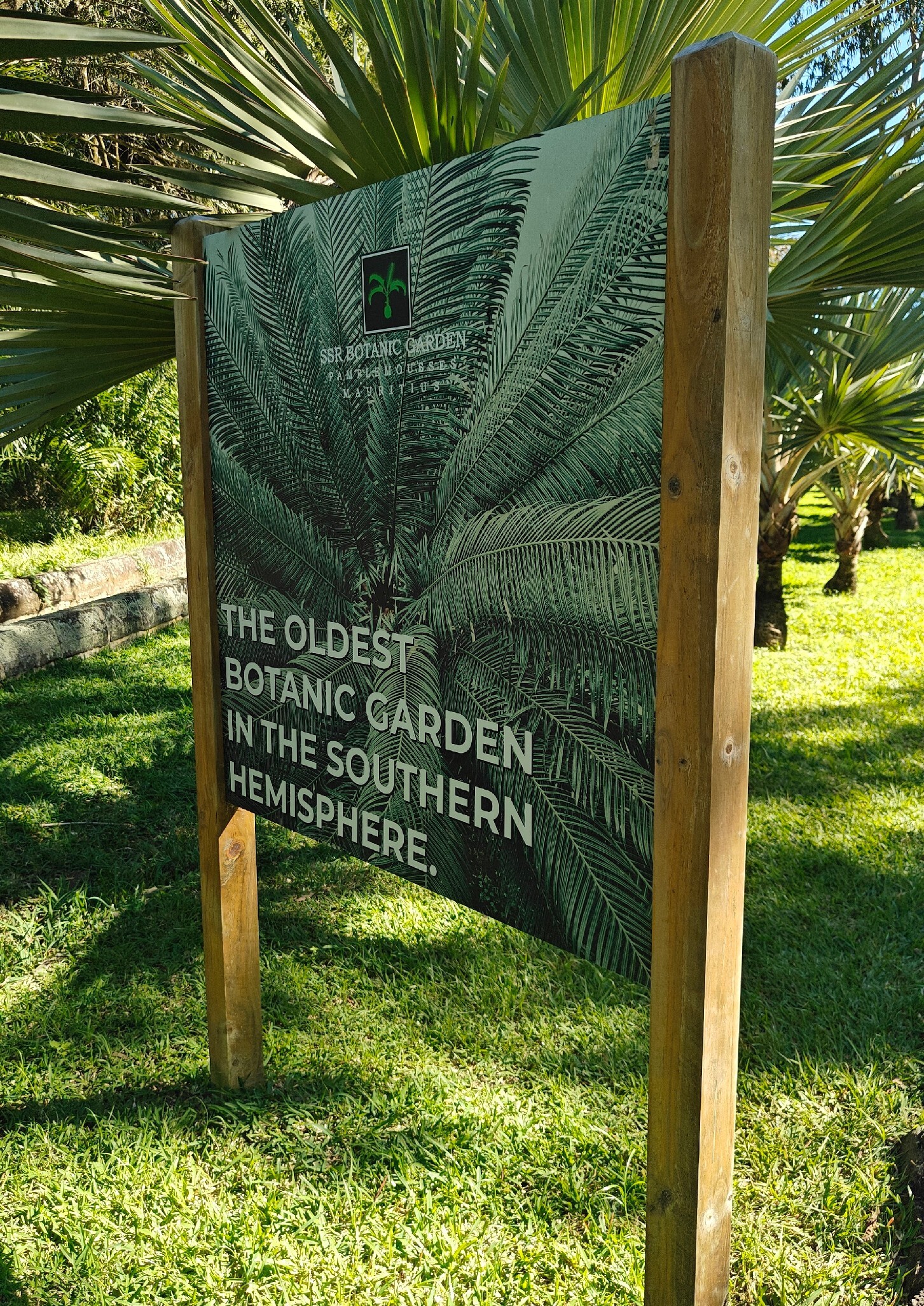
After breakfast, we headed out in our car again and went north past the capital city to The Sir Seewoosagur Ramgoolam Botanic Gardens at Pamplemousses. The main thing we wanted to see was the giant water lilies but we saw so much more: two water lilies ponds, a replica of an old sugar mill, so many different kinds of palm trees, a tortoise pen, a deer pen and a few baobab trees.

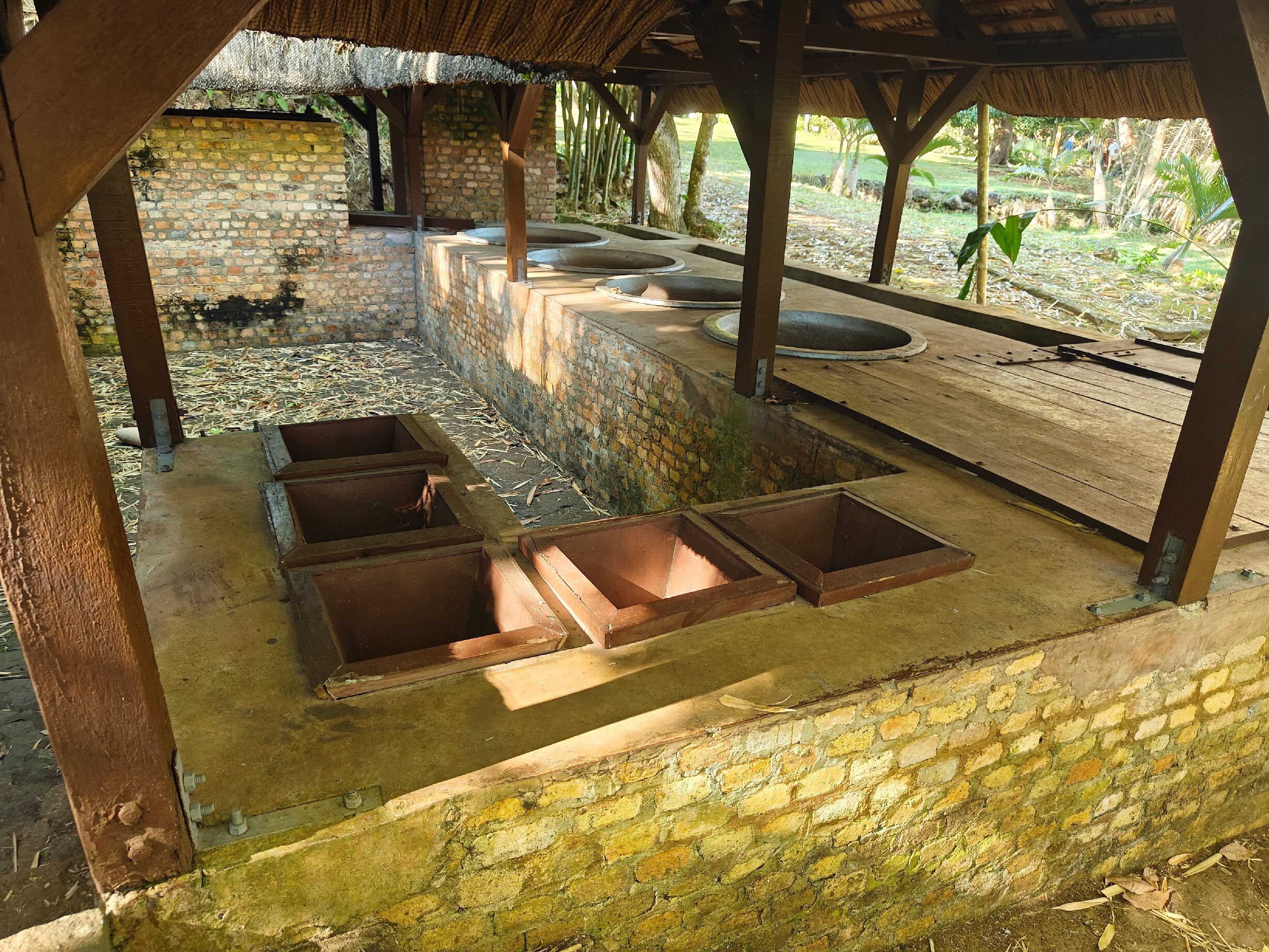
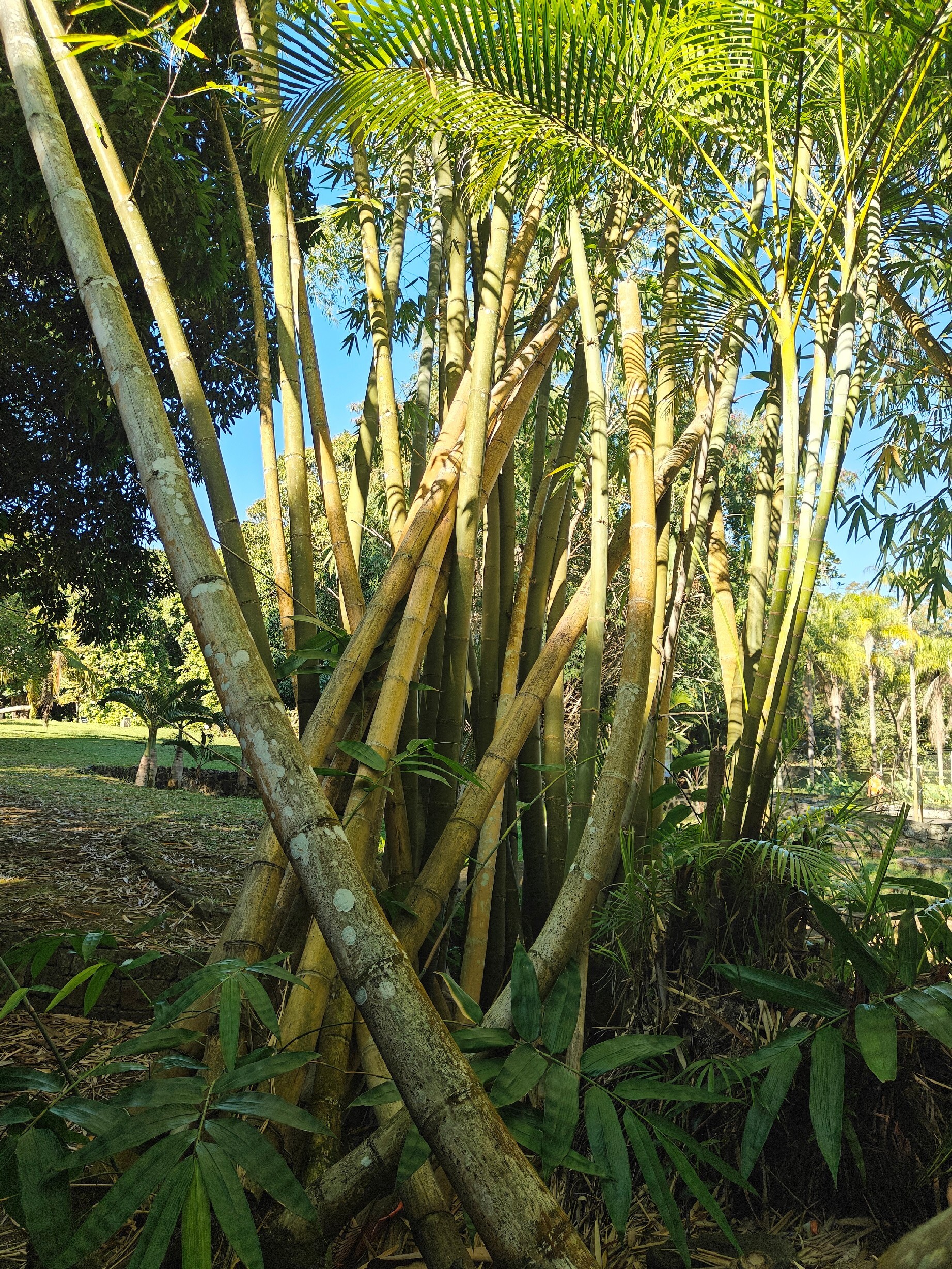


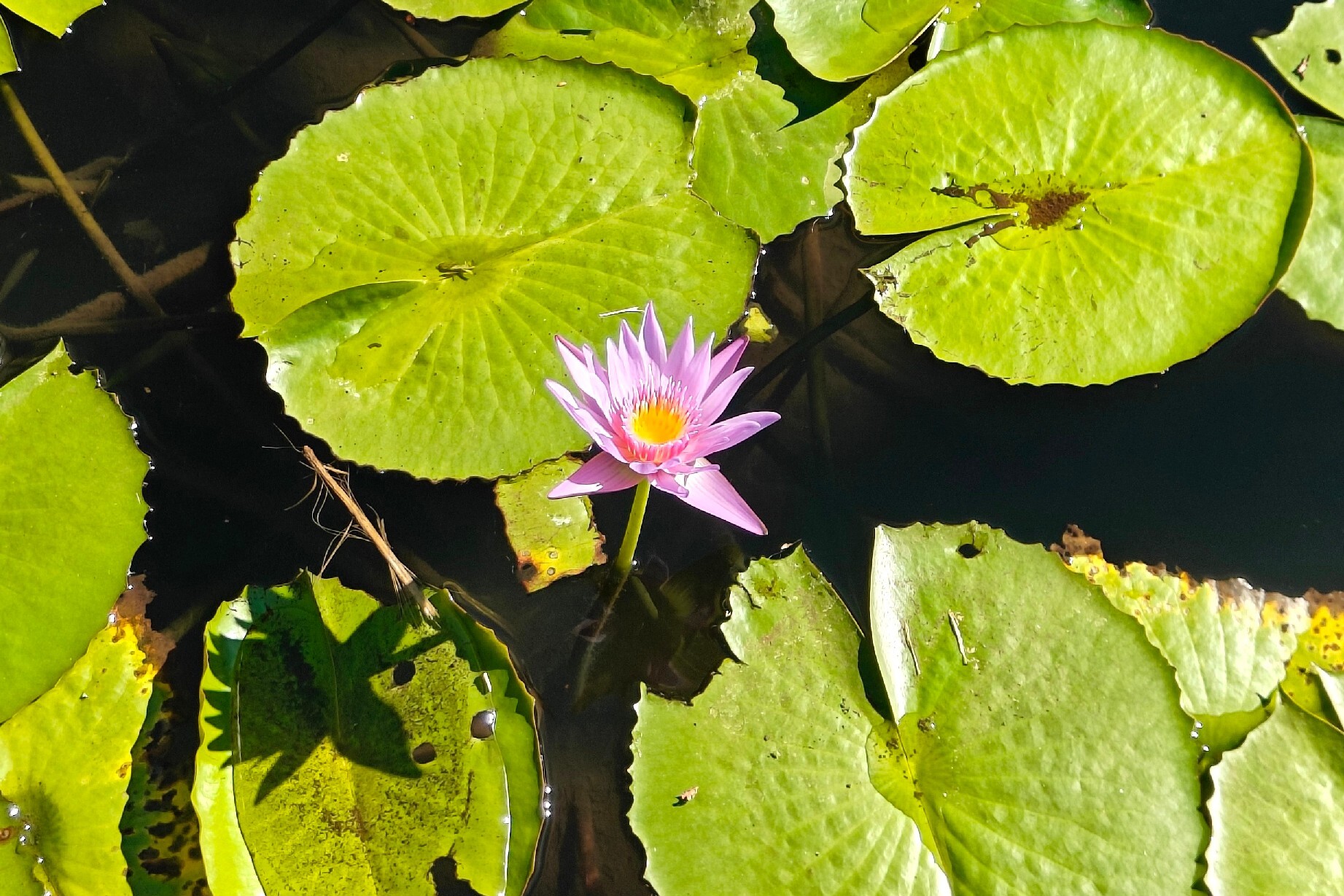
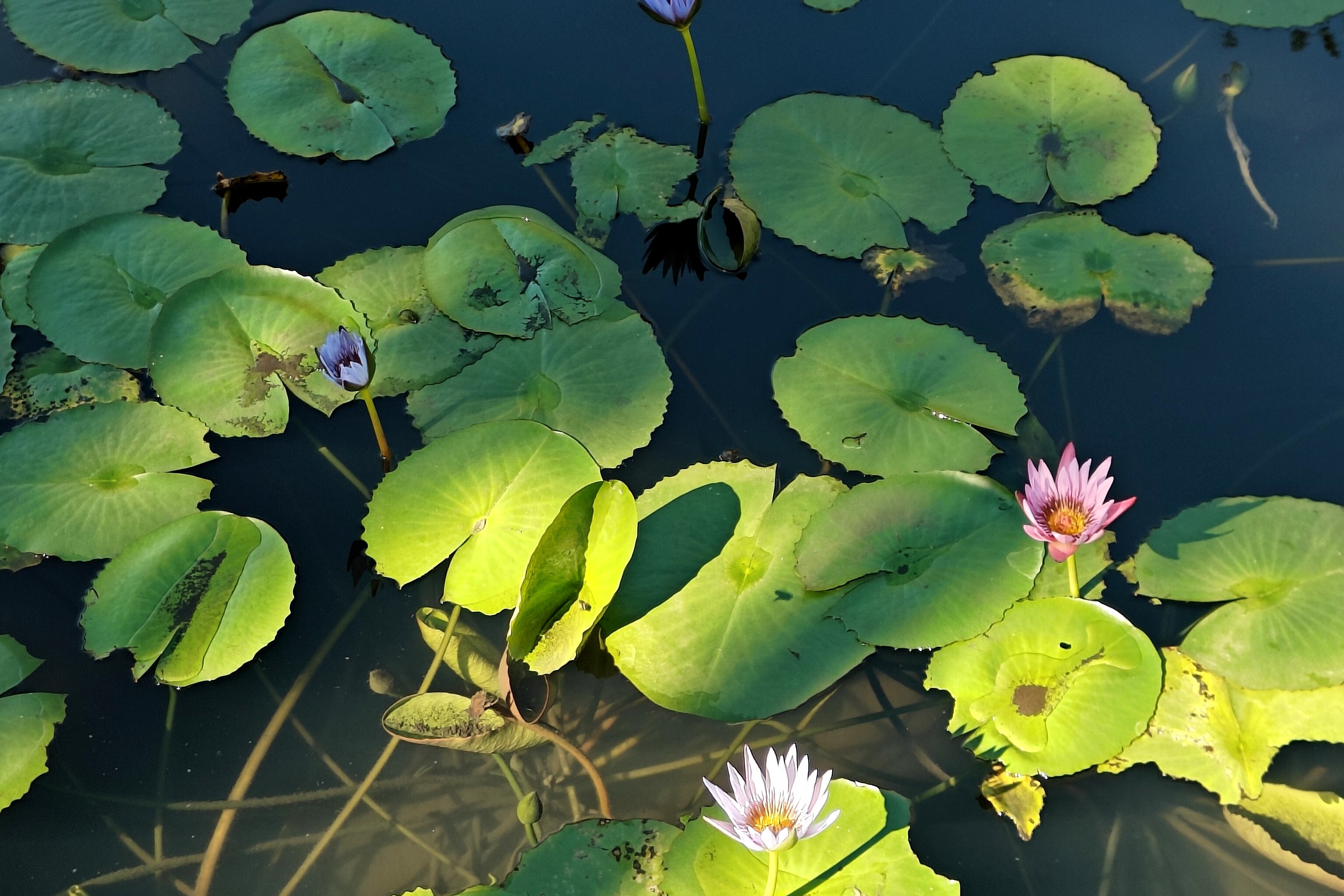
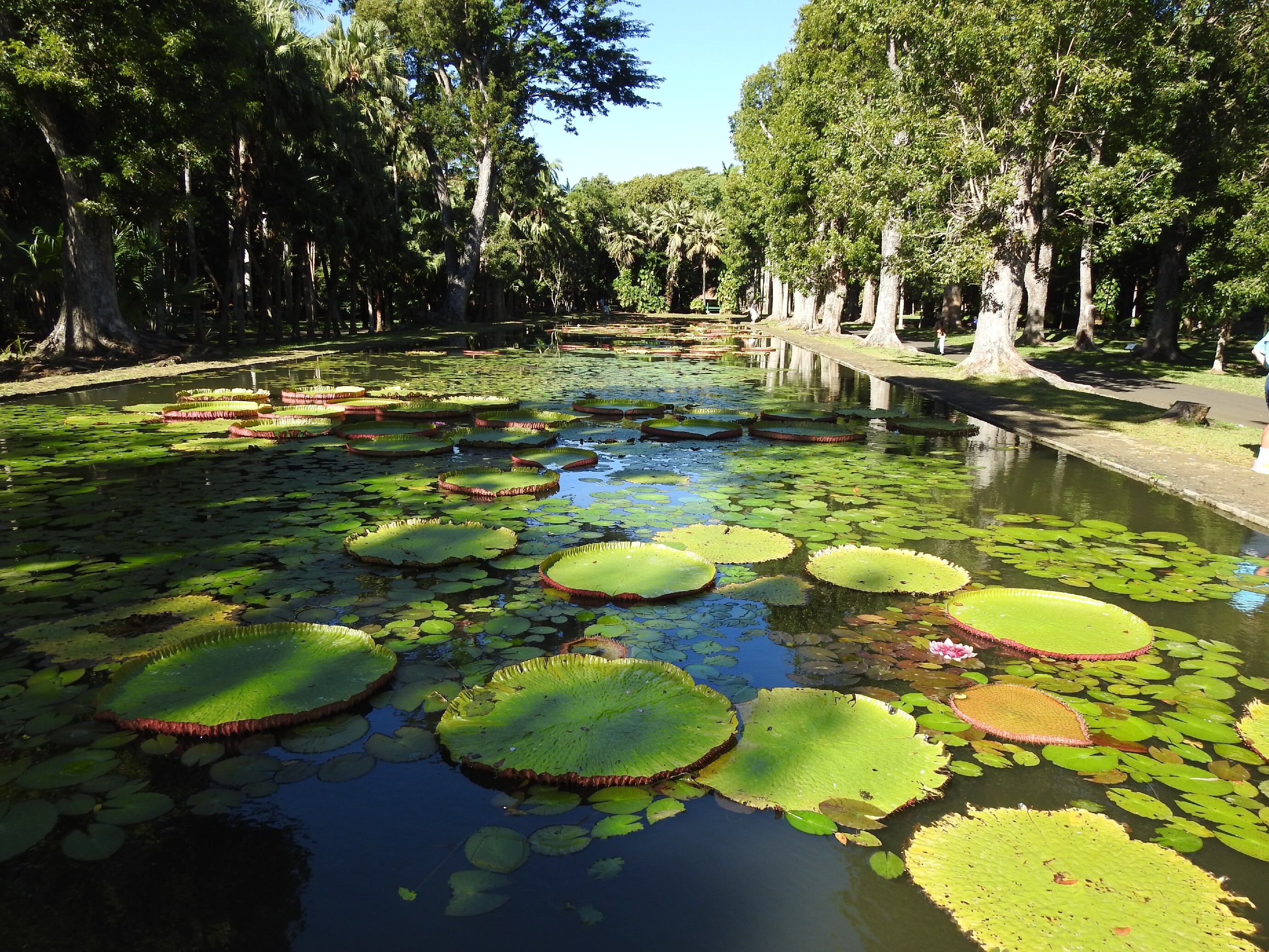

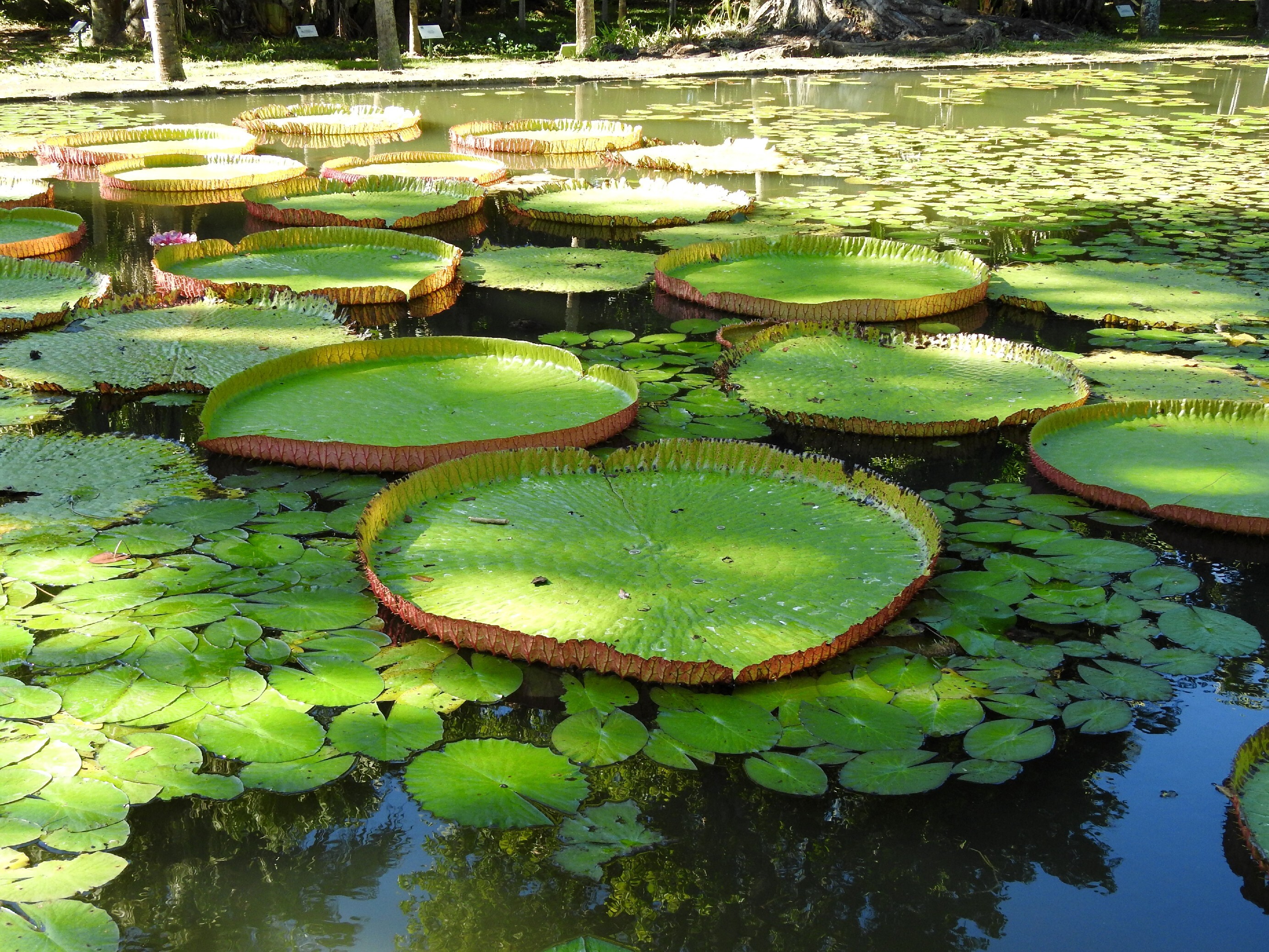
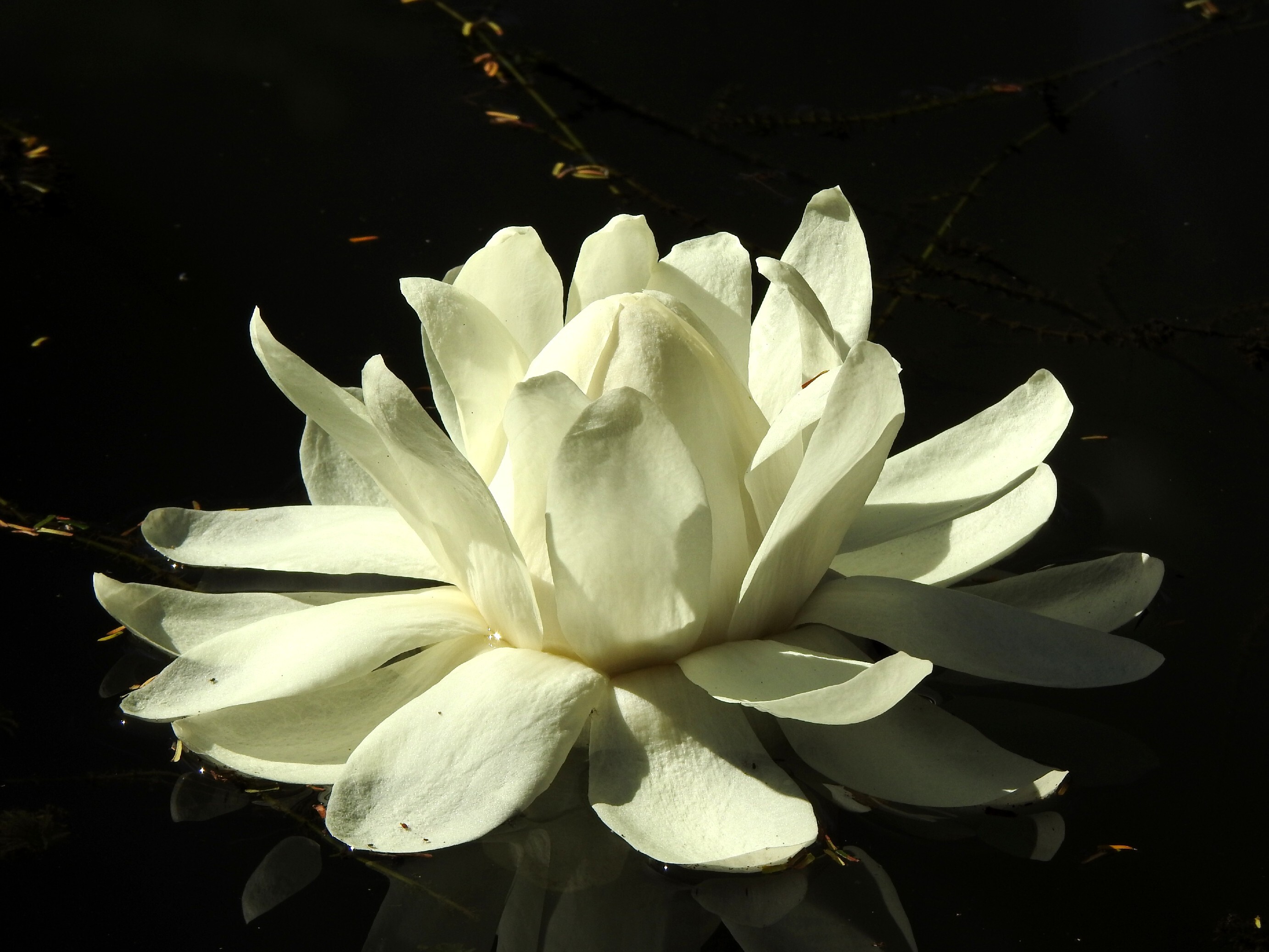

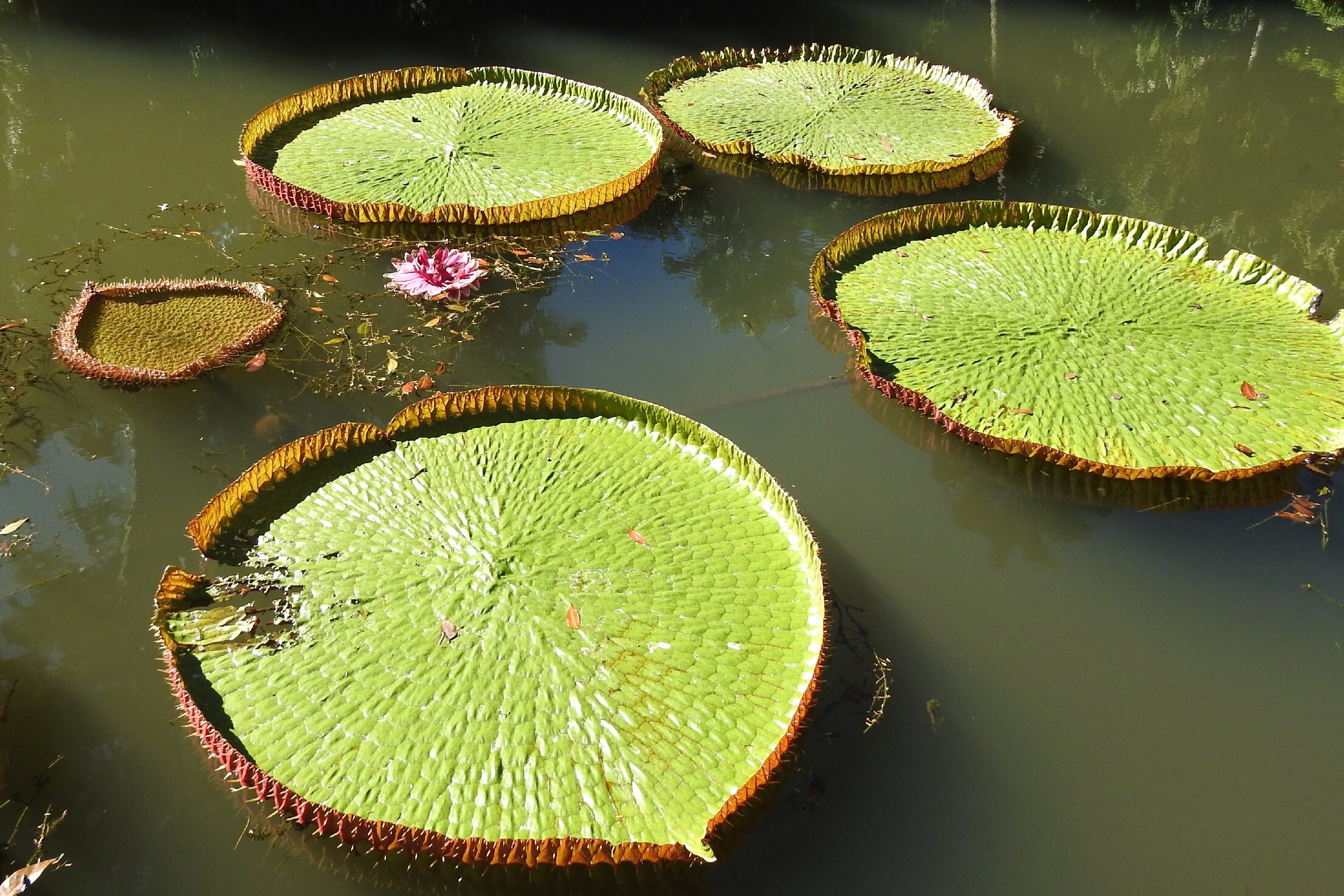
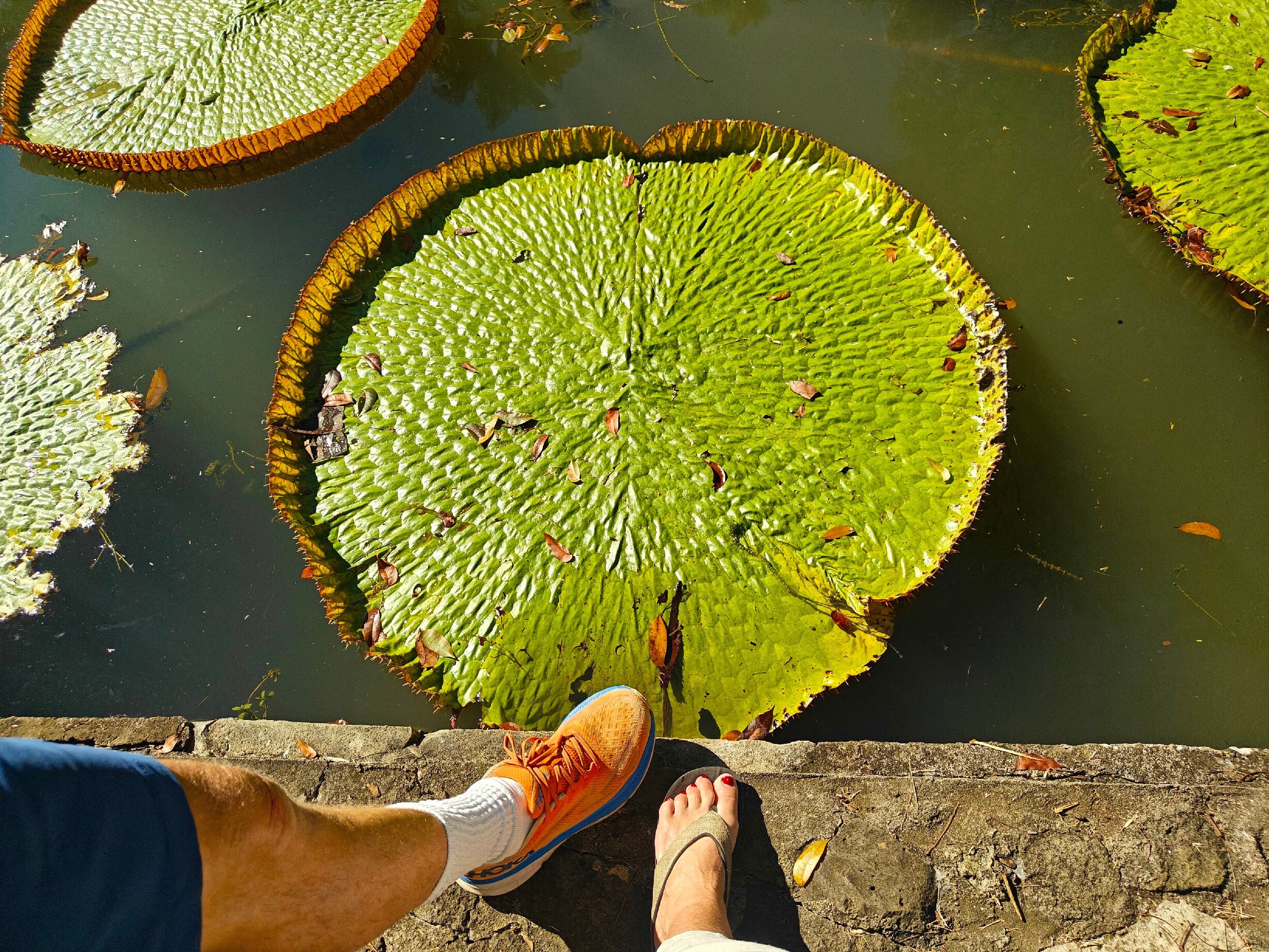
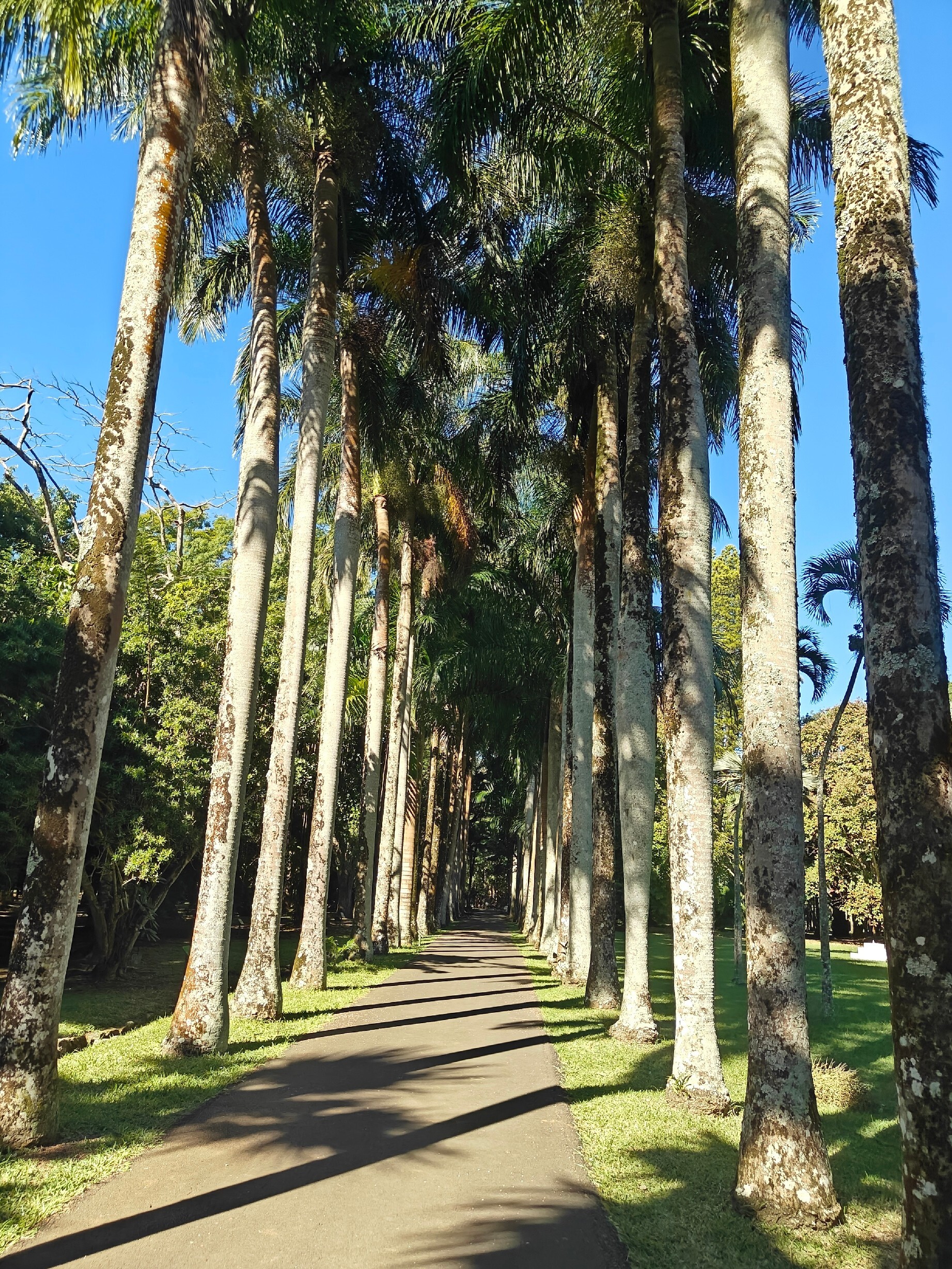
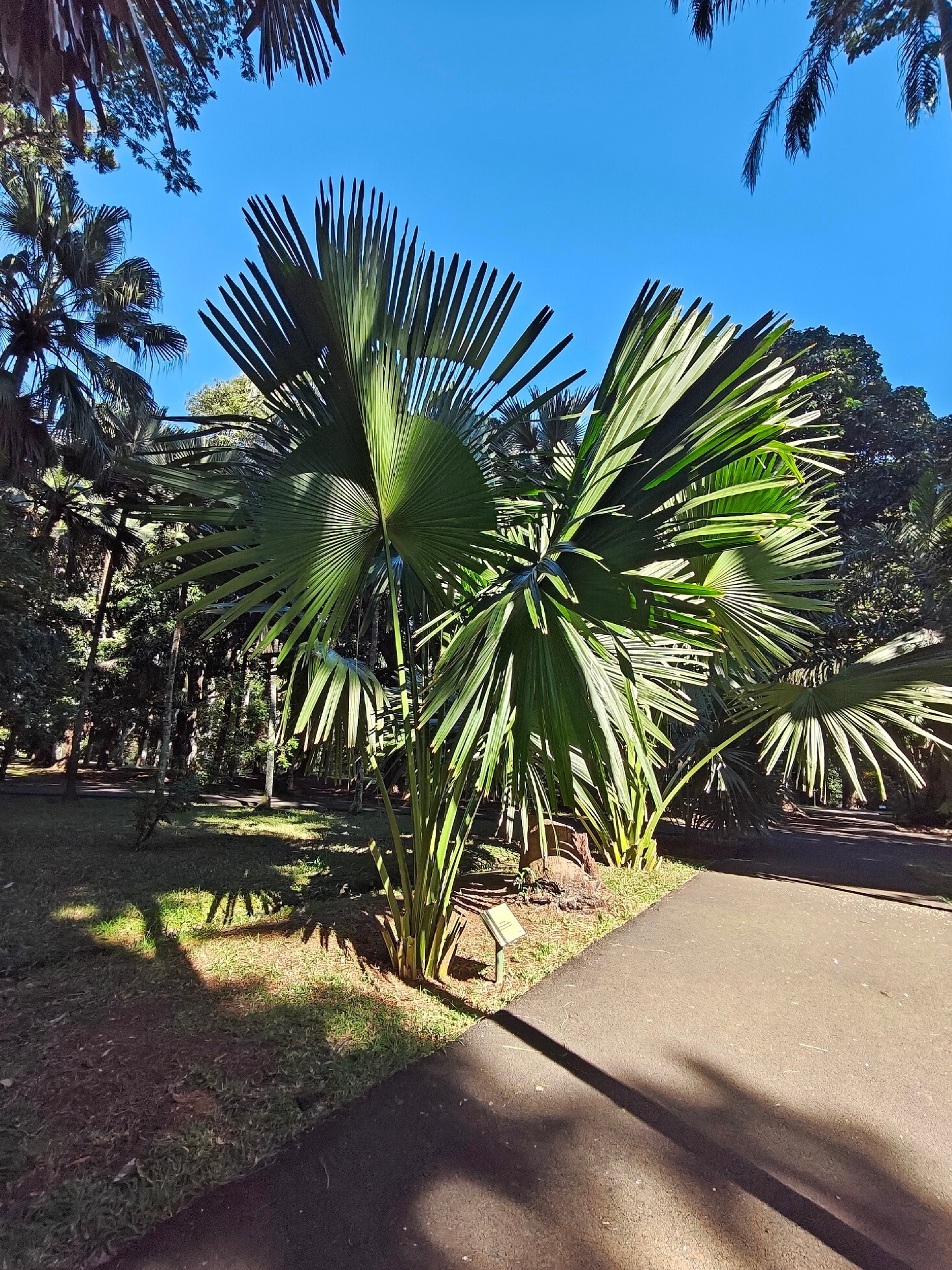
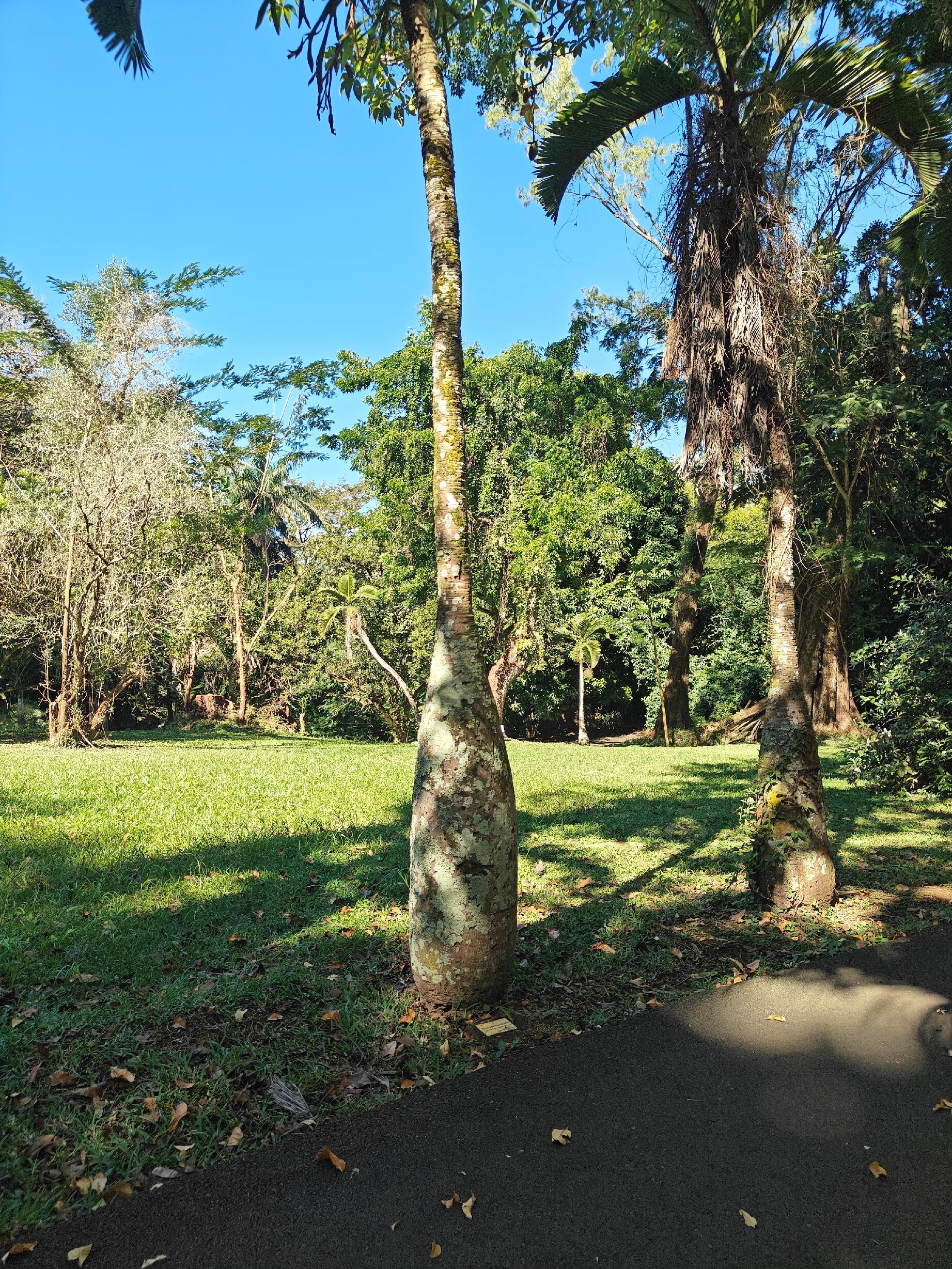

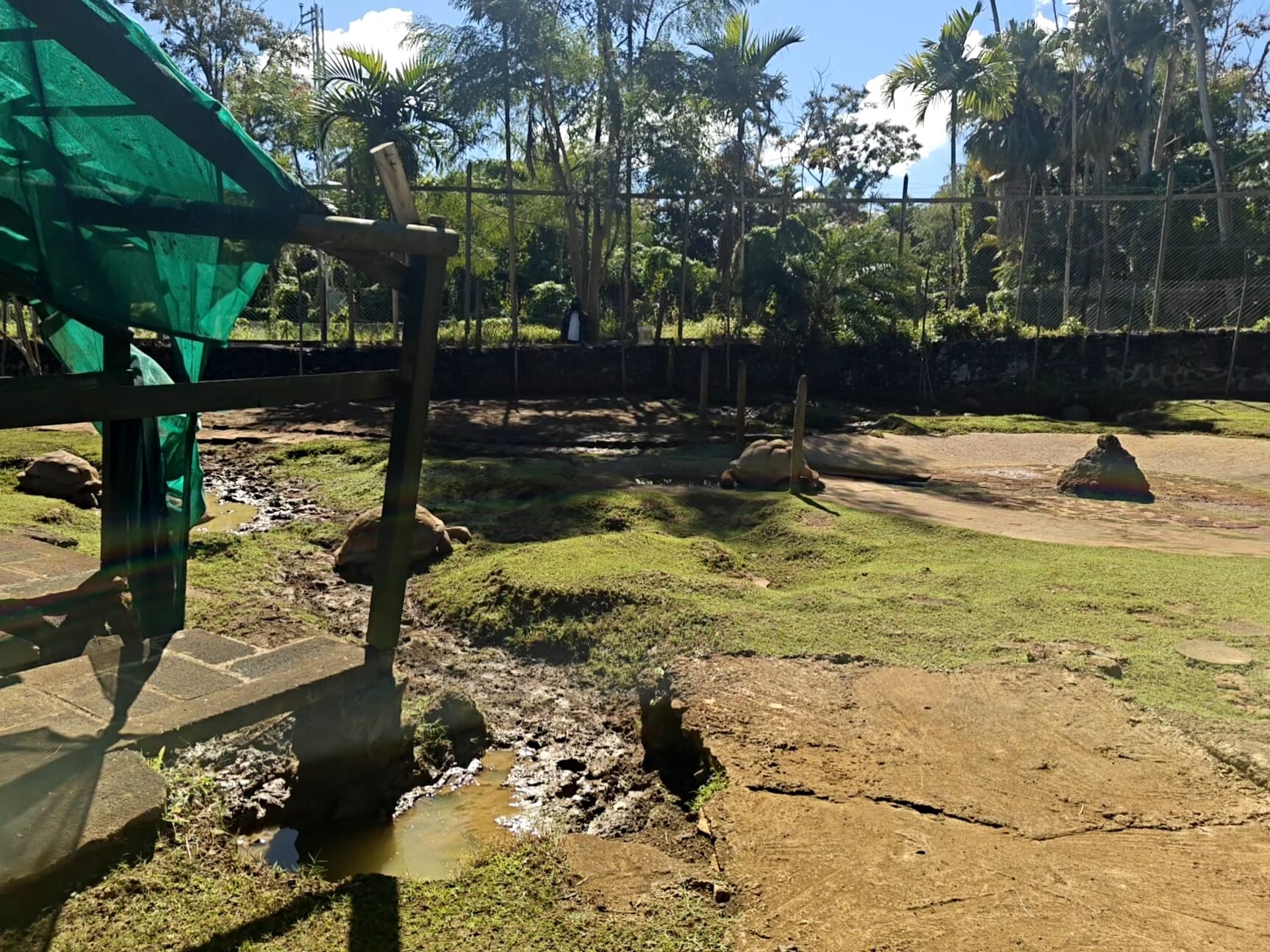
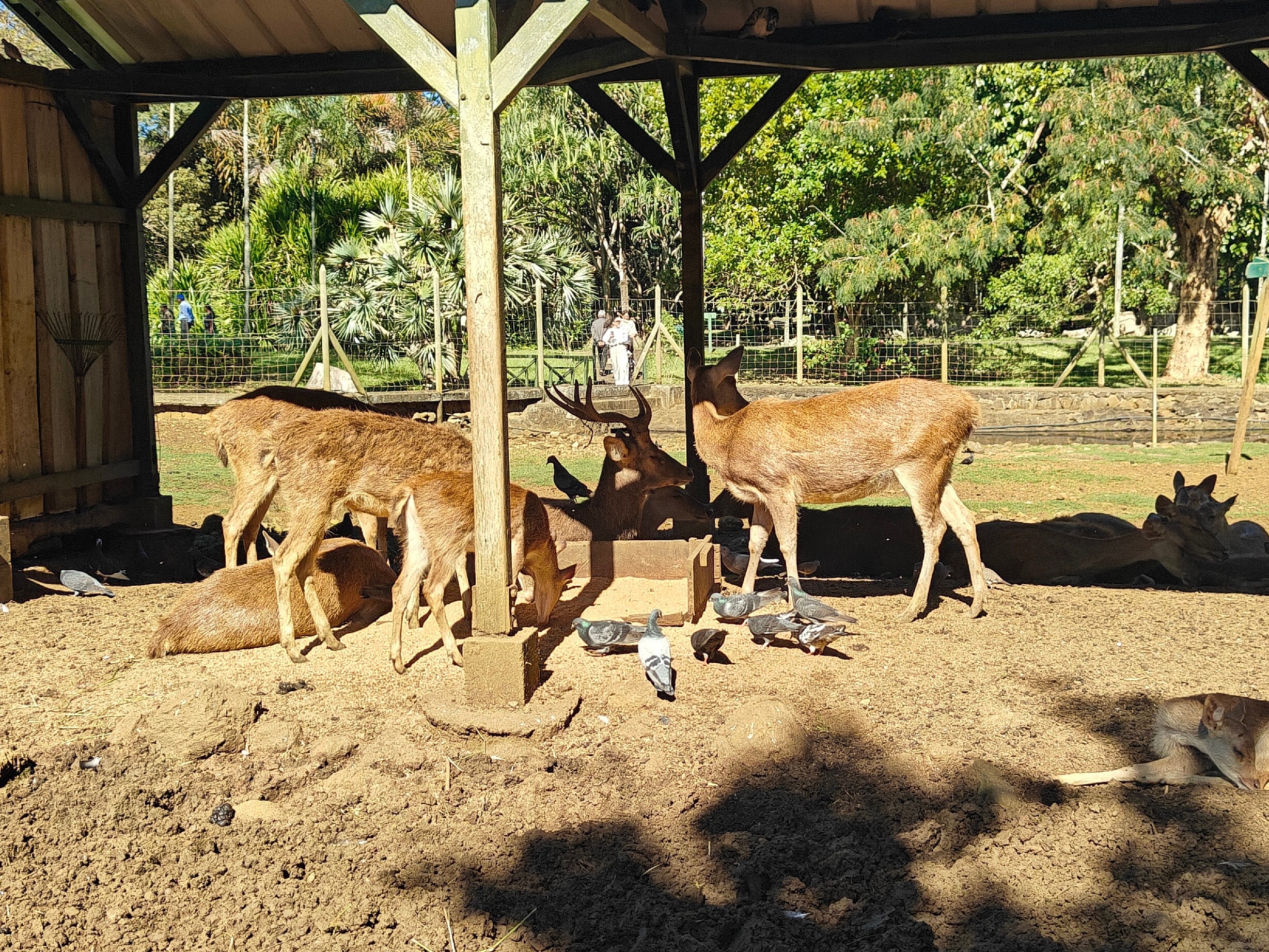
We spent about 1.25 hours and it was quite warm and somewhat humid but at least there was lots of shades under the trees.
Next we drove back south into the capital city of Port Louis where it was difficult to find parking but eventually Doug found a street spot. We walked over to see Government House – under scaffolding with a statue of Queen Victoria out front:
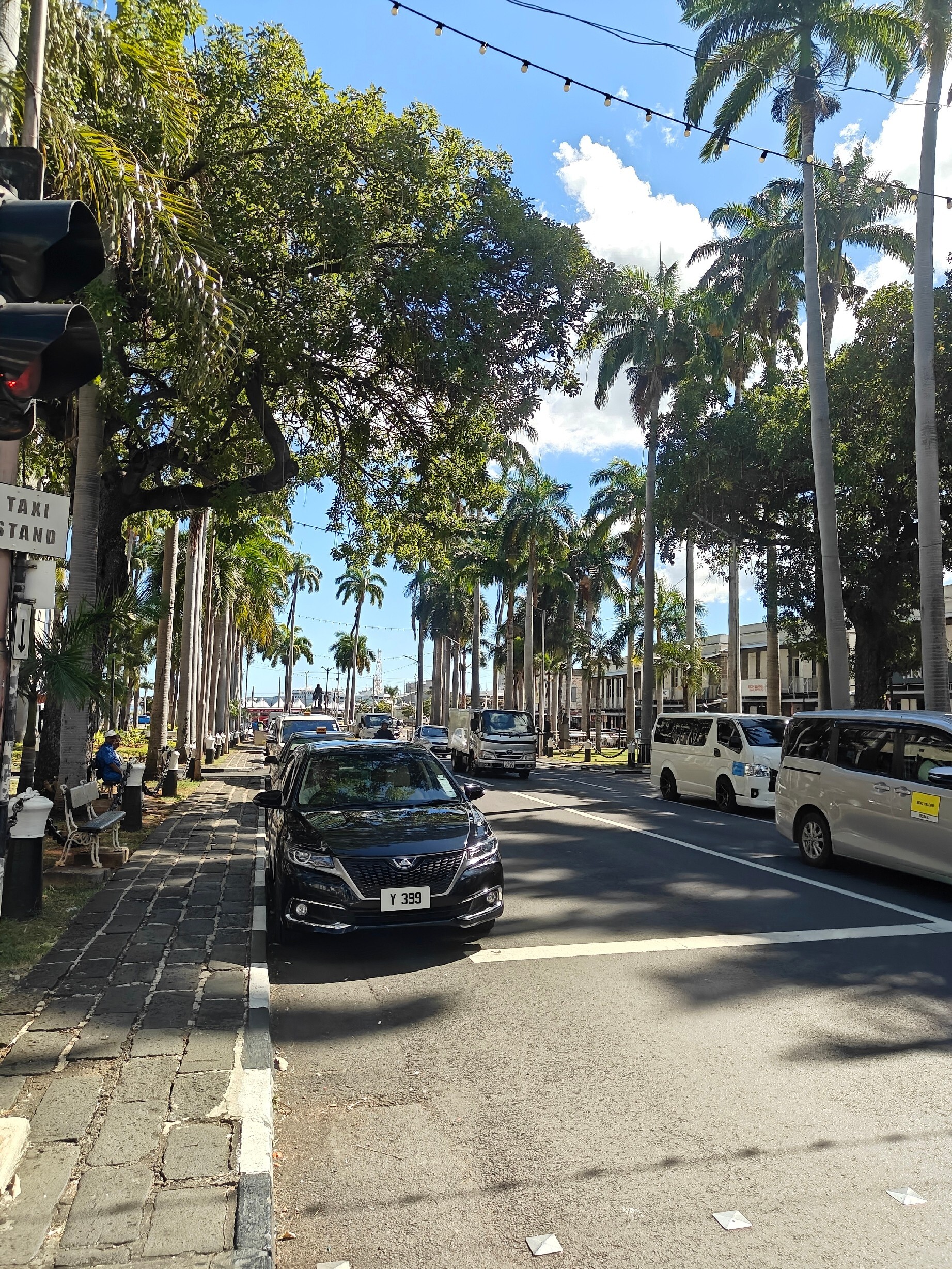
 the avenue that leads to the house is lined with palms and is quite lovely:
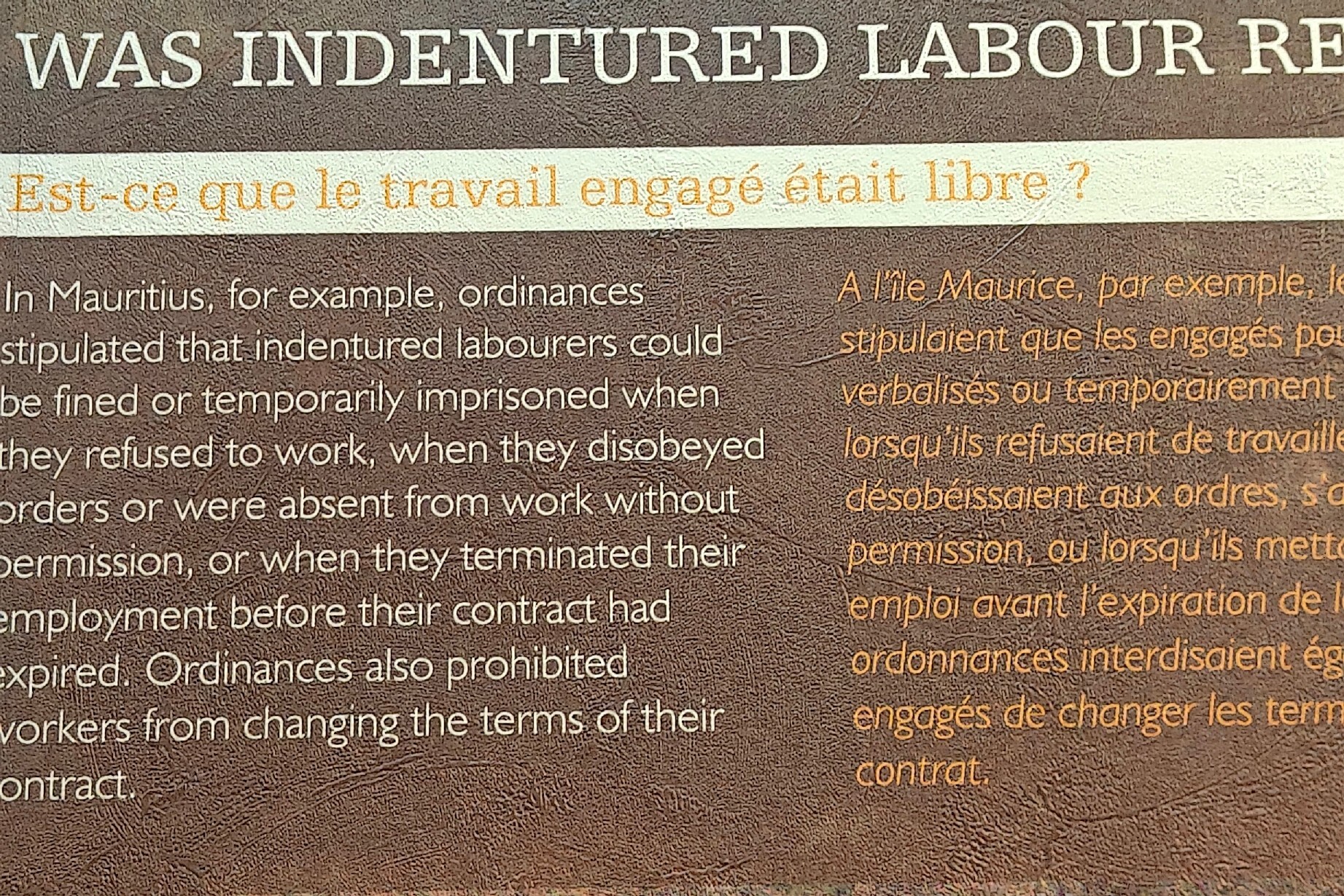
 then we found a way to the port under the highway and went to see the Agpravasi Ghat – the place where over 462,000 indentured labourers were brought to Mauritius to work the sugar cane.
Agpravasi Ghat (‘The Immigration Depot’) is a building complex located in Port Louis, the first British colony to receive indentured, or contracted, labour workforce from many countries. From 1849 to 1923, nearly a half a million Indian indentured labourers passed through the Immigration Depot, to be transported to plantations throughout the British Empire. The large-scale migration of the labourers left an indelible mark on the societies of many former British colonies, with Indians constituting a constituting substantial proportion of their national populations. In Mauritius alone, 68 percent of the current total population is of Indian ancestry. The Immigration Depot has thus become an important reference point in the history and cultural identity of of Mauritius.
The thousands of migrants arriving annually put a stress on the lack of a specialized facility. In 1849, a building dating back to the French administration in the Trou Fanfaron area was chosen as the core of a planned structural complex that would become the permanent depot for immigration. The Immigration Depot, as it came to be known, was continuously enlarged in response to the high number of migrants. The name Aapravasi Ghat, which has been in use since 1987, is a direct Hindi translation of “Immigration Depot”.This lasted until 1857, when all the available land had been occupied. The adequate space allowed the facility to deal with as much as 1,000 prospective laborers at any one time.
Unchecked infrastructural development in the mid-20th century means that only the partial remains of three stone buildings from the entire complex have survived. These are now protected as a natinal monument, under the Mauritian national heritage legislation. The Immigration Depot’s role in social history was recognized by UNESCO in 2006.


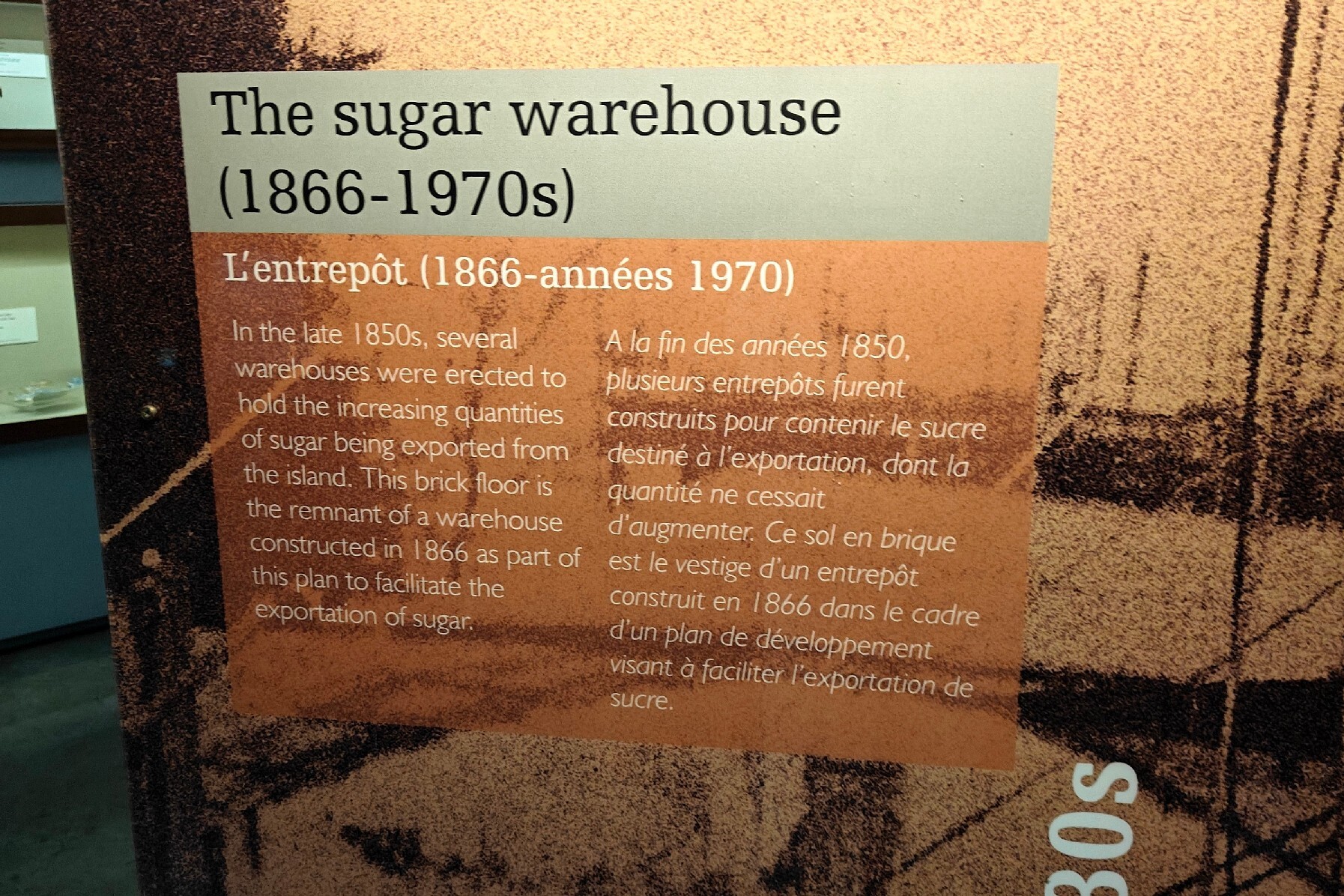
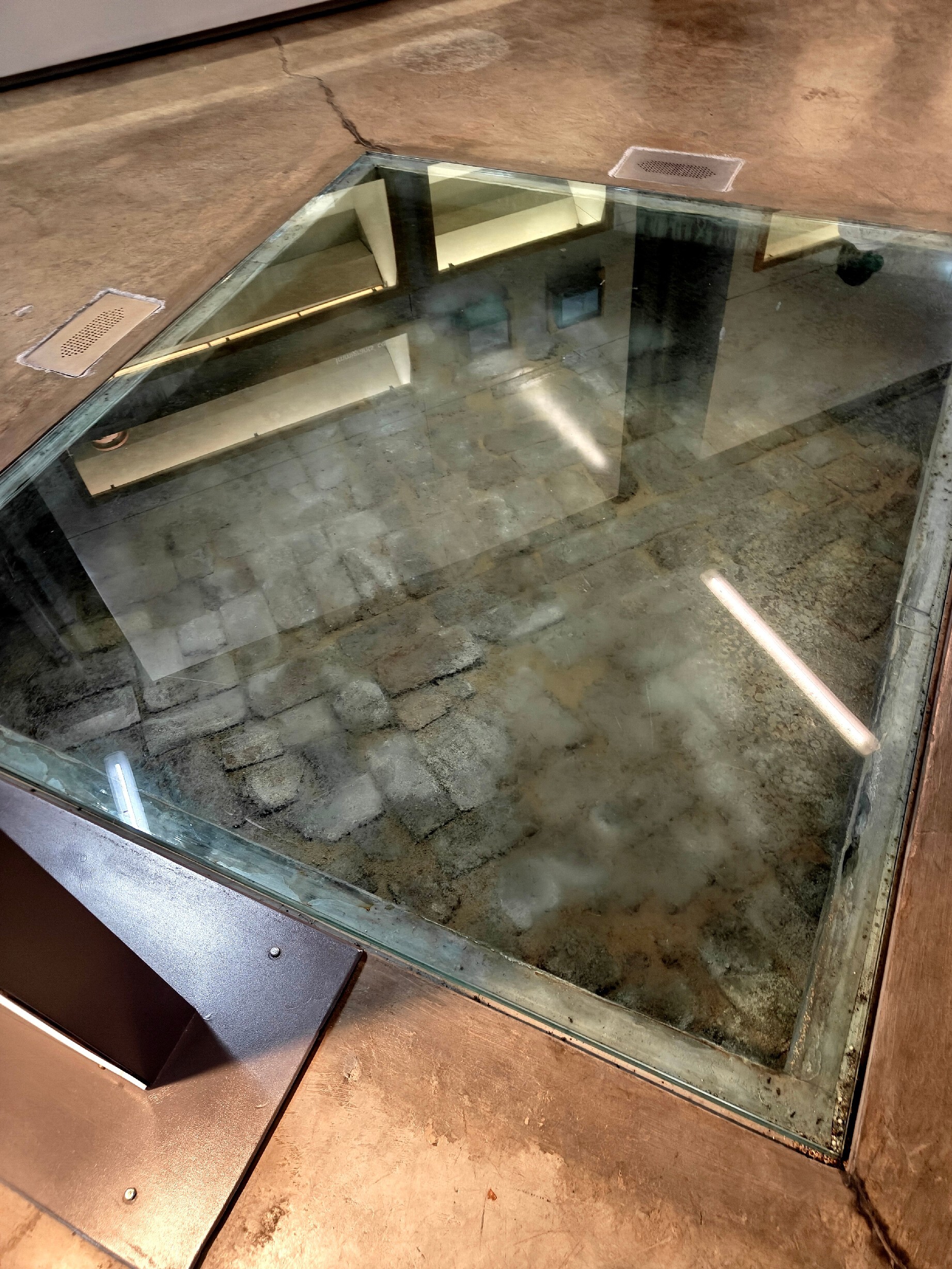

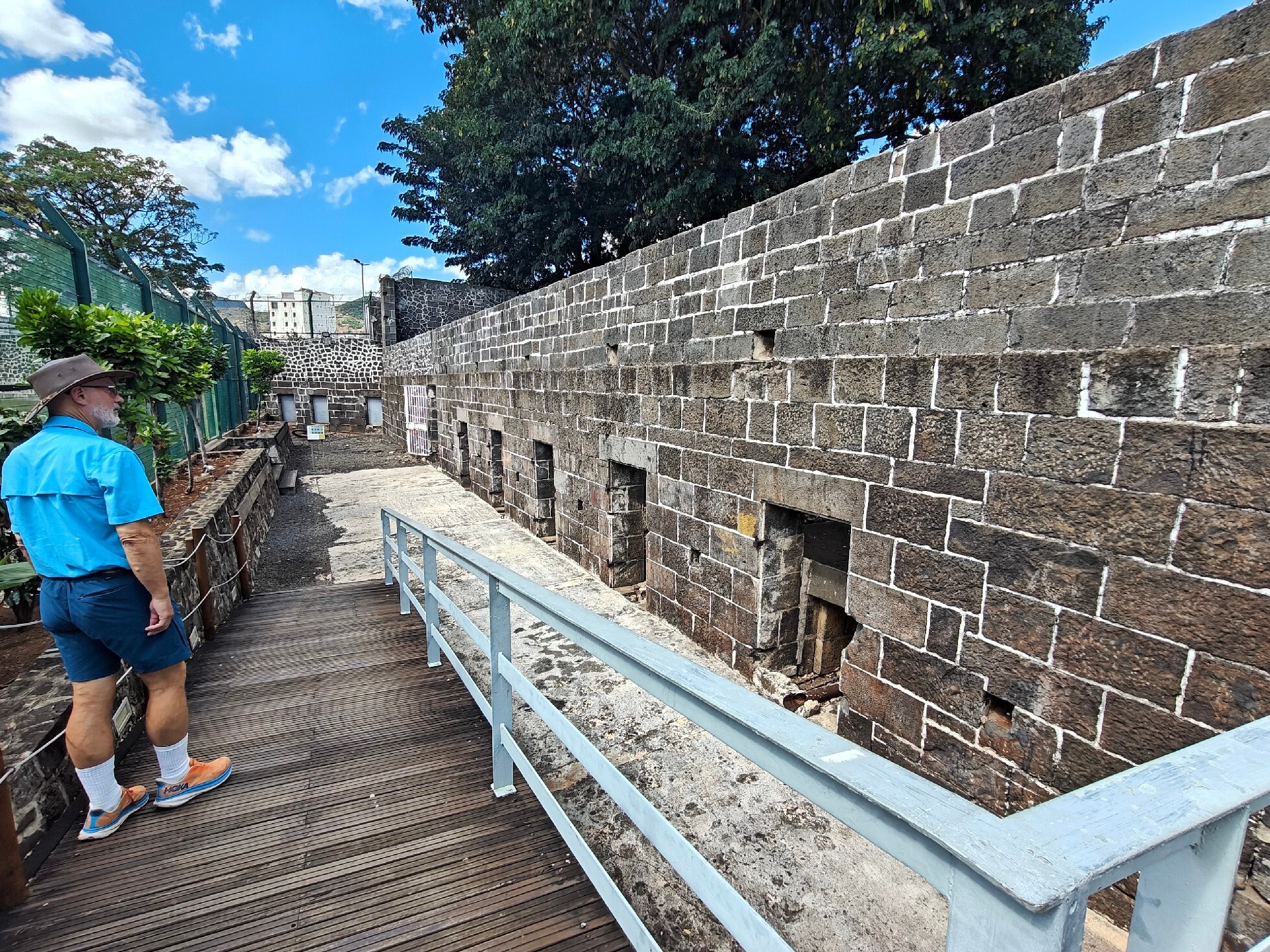
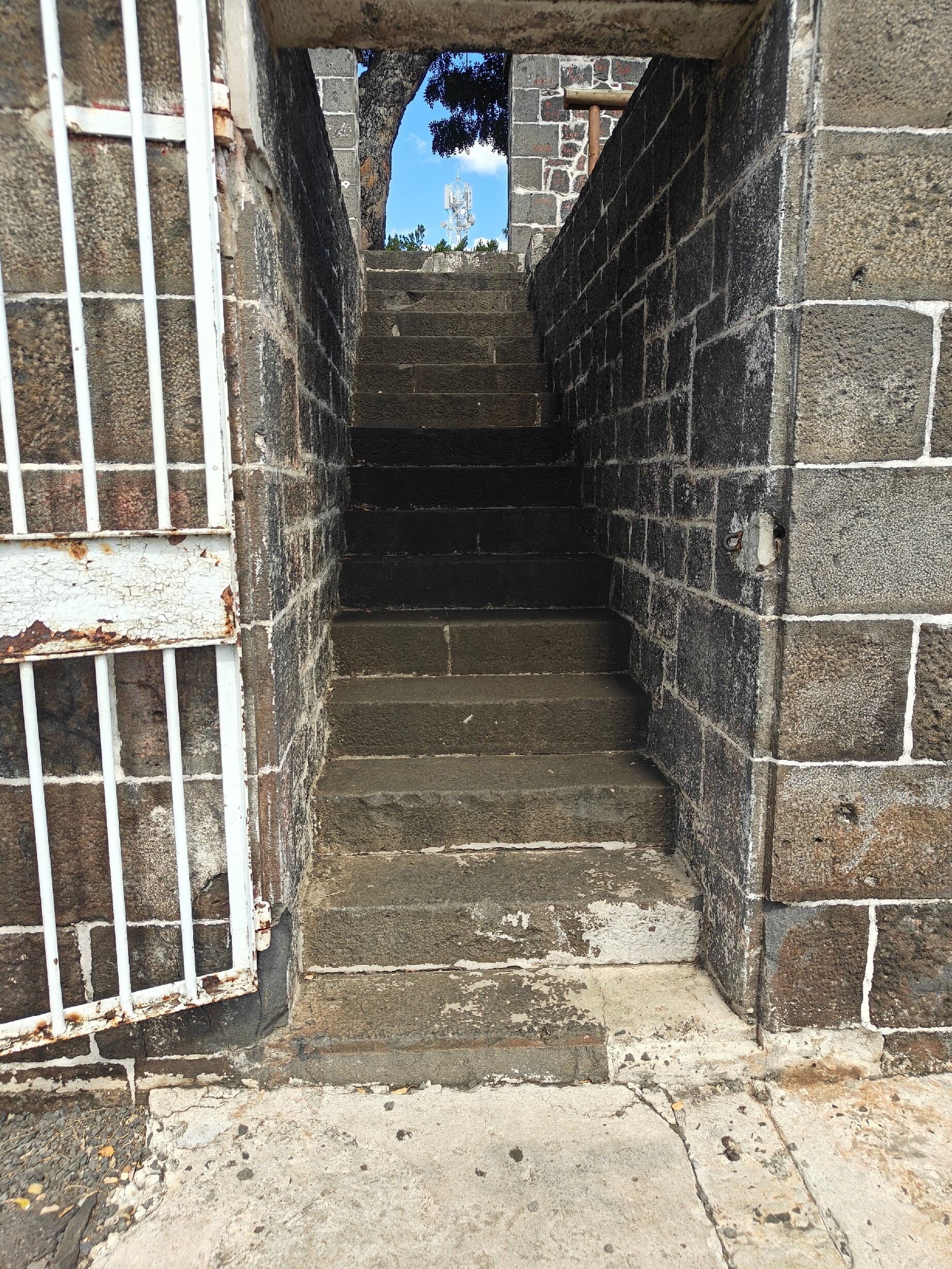
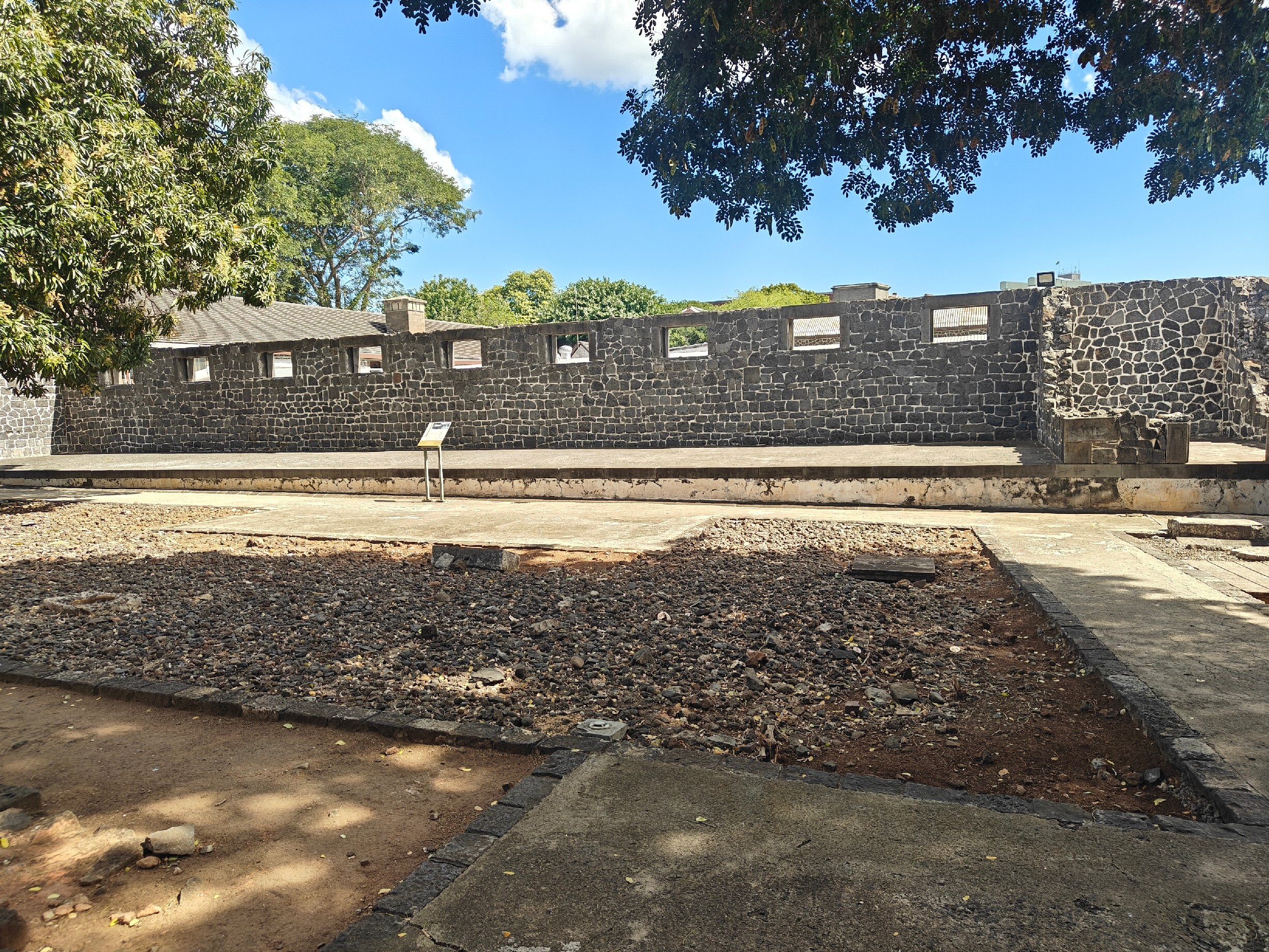
By now Fran’s knees were very sore so we skipped going over to the new waterfront shopping and entertainment centre. Our the last stop was the Museum of Natural history which was an adventure in itself to find but we got there and the reason to go was to see the skeleton of the Dodo bird.
The dodo is an extinct flightless bird that was endemic to Mauritius. The dodo’s closest relative was the also-extinct and flightless Rodrigues solitaire.
Sub-fossil remains show the dodo measured about 62.6–75 cm / 2.05–2.46’ in height and may have weighed 10.6–17.5 kg / 23–39 lb in the wild. The dodo’s appearance in life is evidenced only by drawings, paintings, and written accounts from the 17th century. Since these portraits vary considerably, and since only some of the illustrations are known to have been drawn from live specimens, the dodos’ exact appearance in life remains unresolved, and little is known about its behaviour. It used gizzard stones to help digest its food, which is thought to have included fruits, and its main habitat is believed to have been the woods in the drier coastal areas of Mauritius. One account states its clutch consisted of a single egg. It is presumed that the dodo became flightless because of the ready availability of abundant food sources and a relative absence of predators on Mauritius. Though the dodo has historically been portrayed as being fat and clumsy, it is now thought to have been well-adapted for its ecosystem.
The first recorded mention of the dodo was by Dutch sailors in 1598. In the following years, the bird was hunted by sailors and invasive species, while its habitat was being destroyed. The last widely accepted sighting of a dodo was in 1662. Its extinction was not immediately noticed, and some considered the bird to be a myth. In the 19th century, research was conducted on a small quantity of remains of four specimens that had been brought to Europe in the early 17th century. Among these is a dried head, the only soft tissue of the dodo that remains today. Since then, a large amount of sub fossil material has been collected on Mauritius. The extinction of the dodo less than a century after its discovery called attention to the previously unrecognized problem of human involvement in the disappearance of entire species. The dodo achieved widespread recognition from its role in the story of Alice’s Adventures in Wonderland, and it has since become a fixture in popular culture, often as a symbol of extinction and obsolescence.
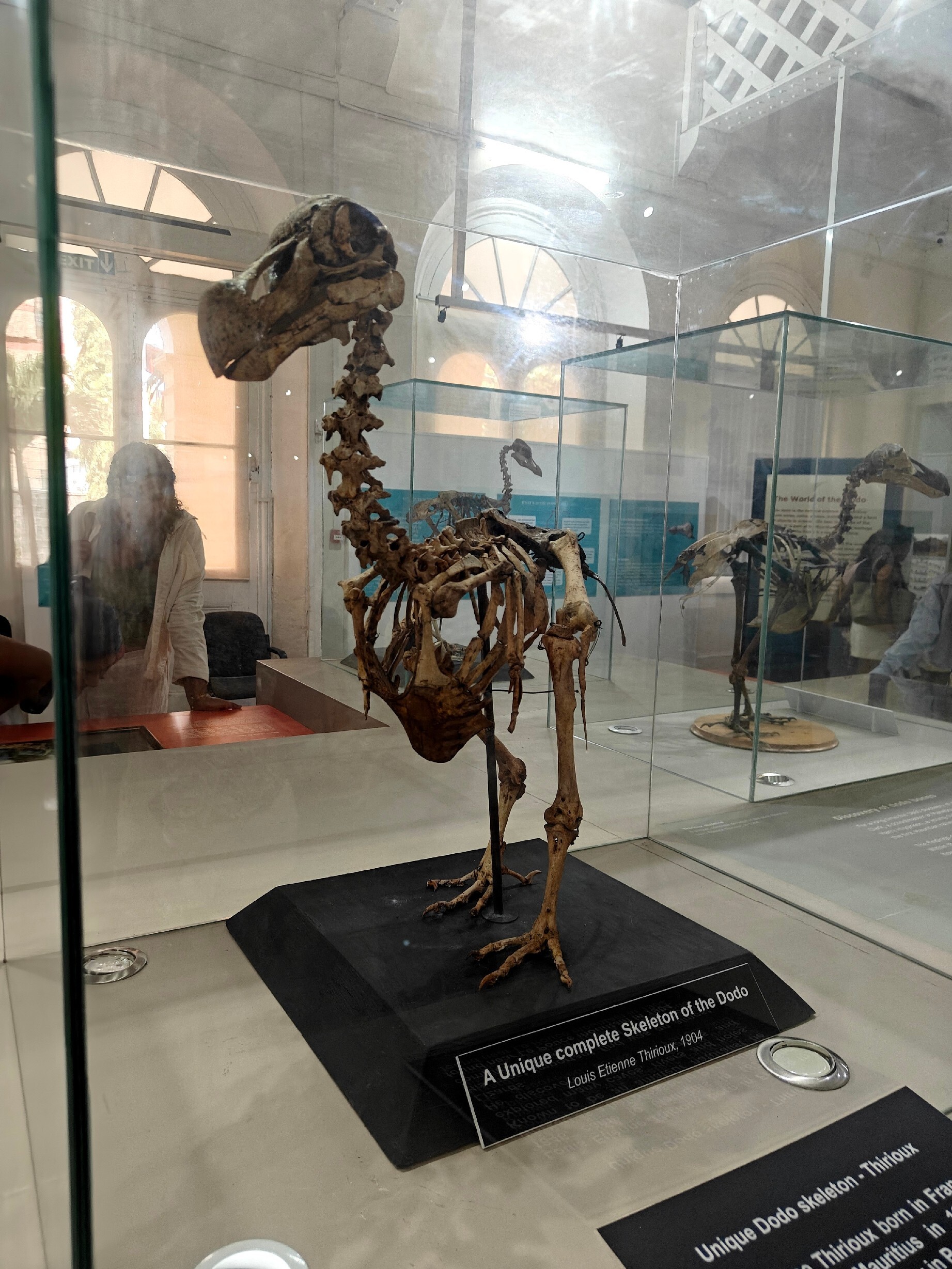


We had hoped to visit their gift shop to get our Mauritius Christmas ornament souvenir but it was closed for lunch for another hour. It was warmer today, hitting 30C / 86F and mostly sunny. Upon returning to our hotel, Fran iced her knees and we went to the pool to sit and read.
After dinner at the hotel, we had our monthly KEGS meeting in our room.
Wednesday we went exploring to check out other beaches on this southwest corner of the island.
We went to visit Flic en Flac:

Then Tamarin Beach (where we found our souvenir in a shop by the beach):
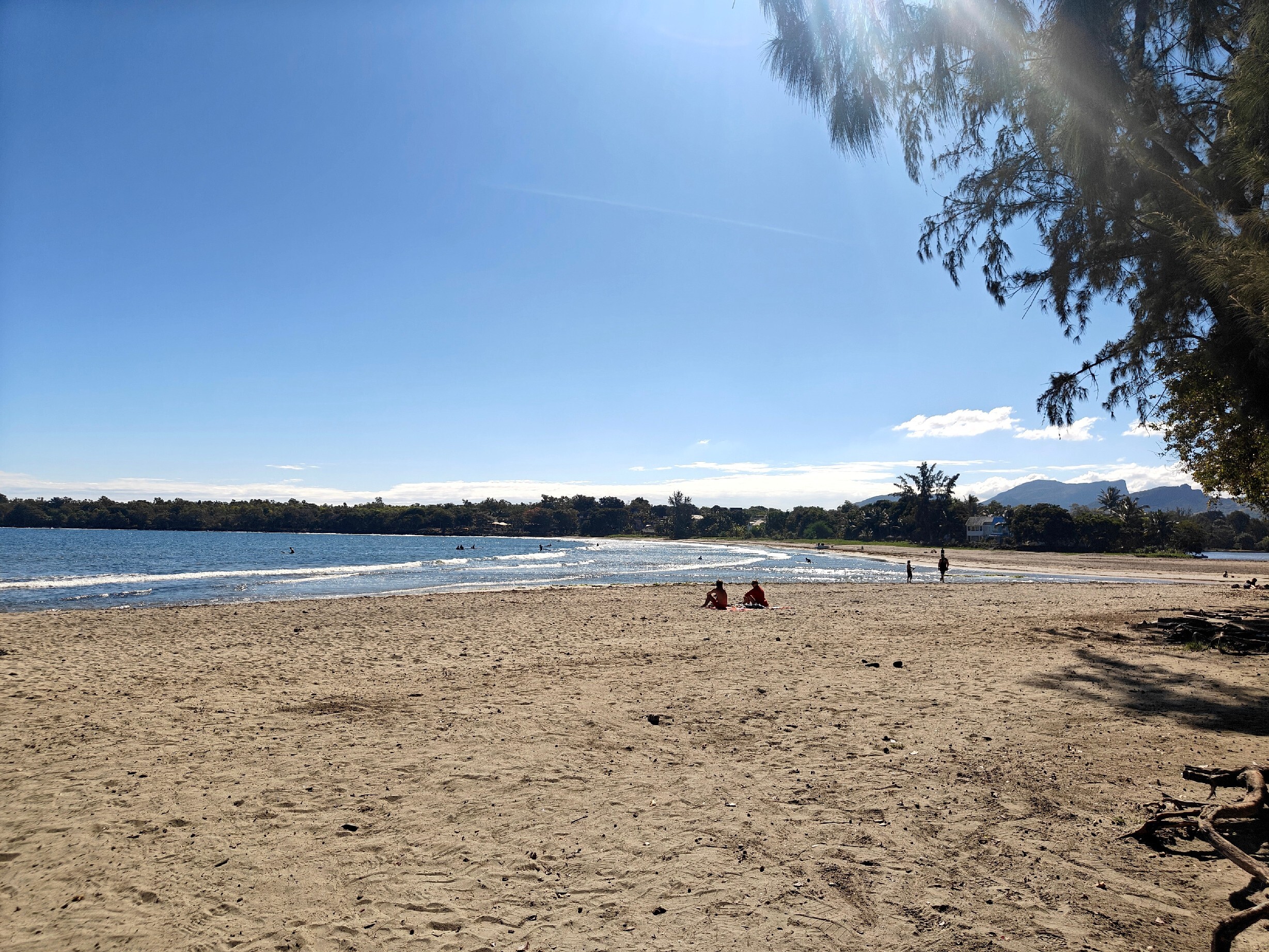
Followed by Wolmar beach:
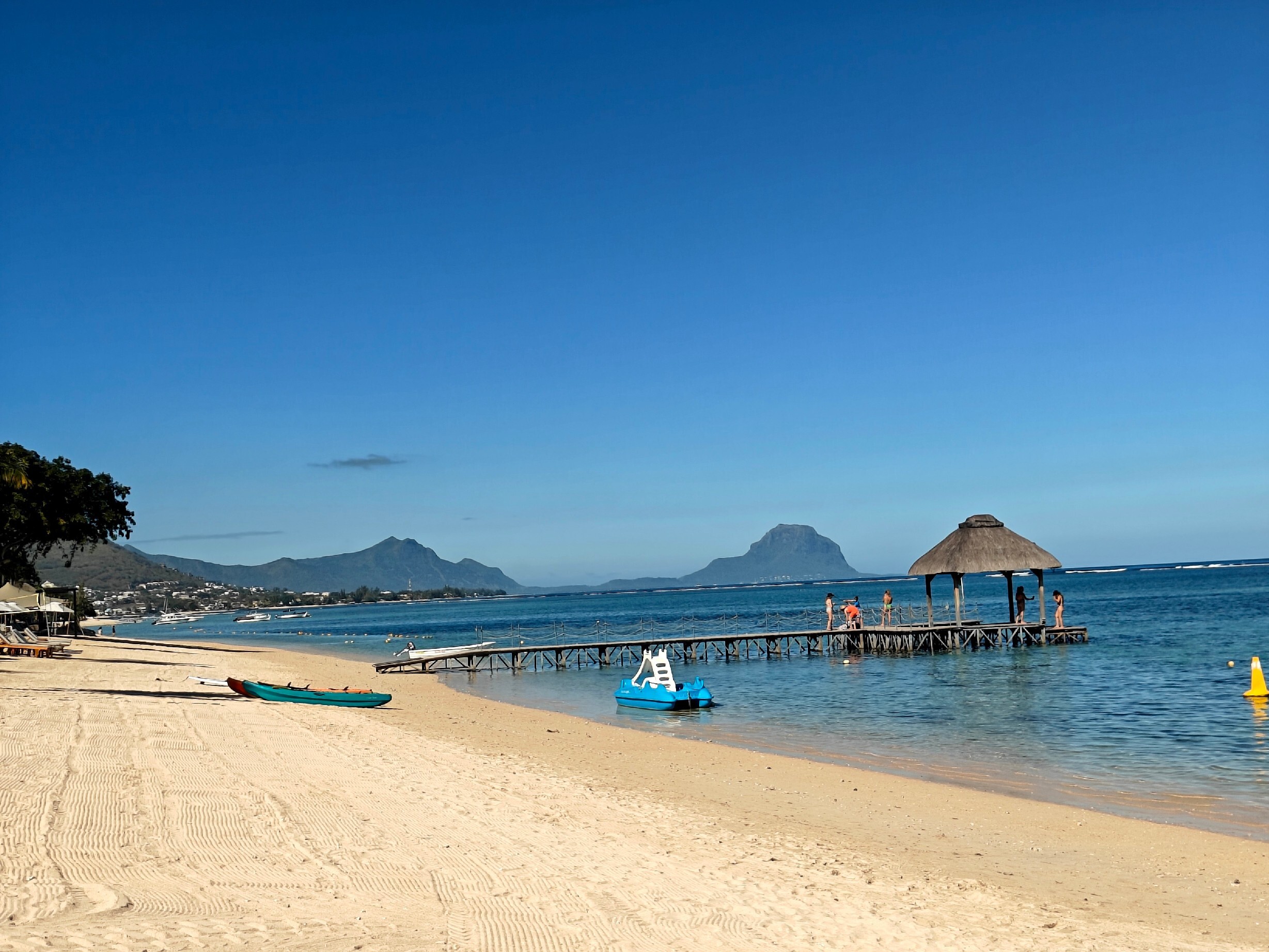
Lastly, La Morne, which was a very long stretch of beach mostly populated by resorts but they cannot claim the beach itself. There are two public beaches and we went to the main one:
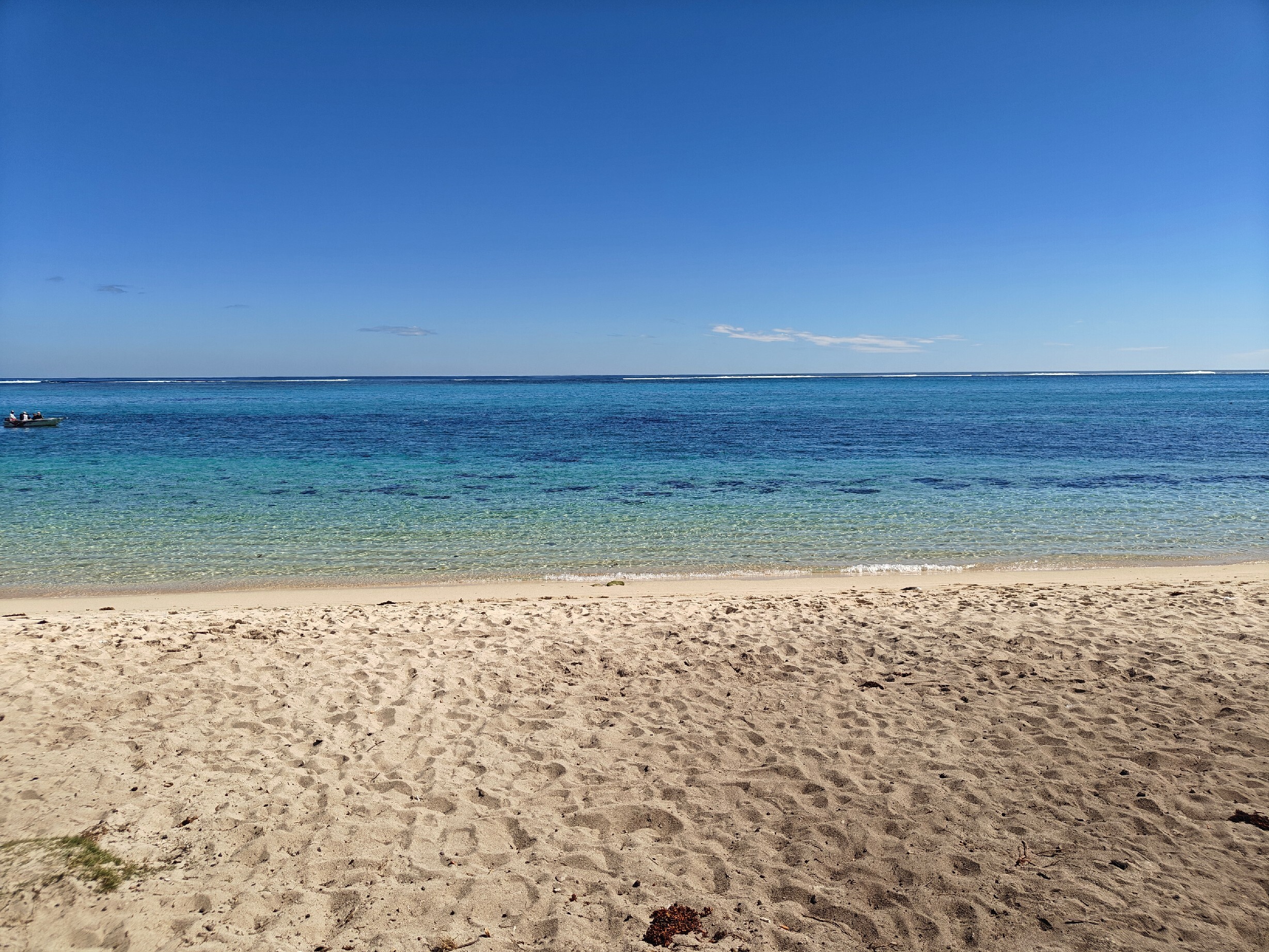 We’d say between this one and Wolmar, they are the best.
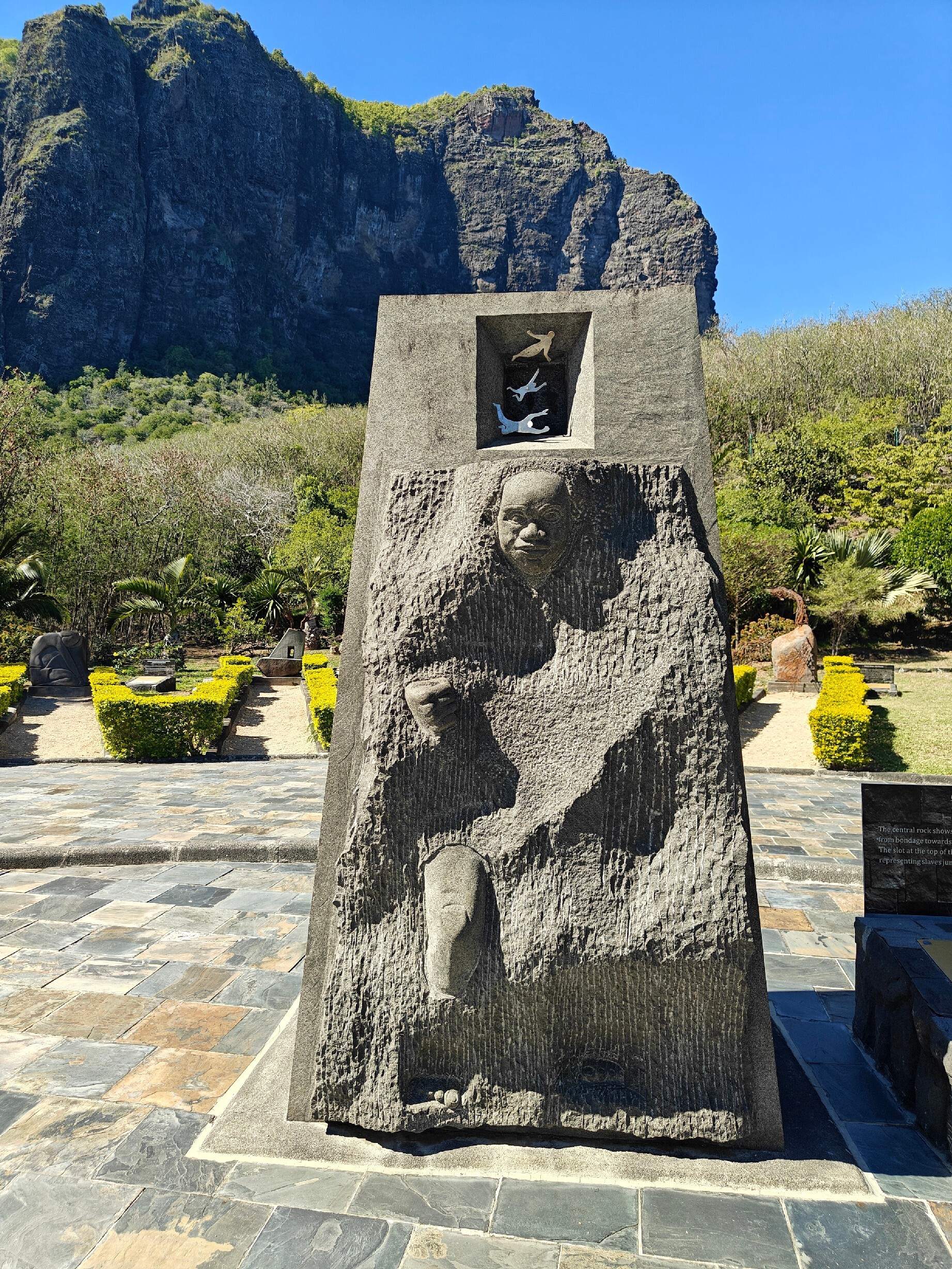
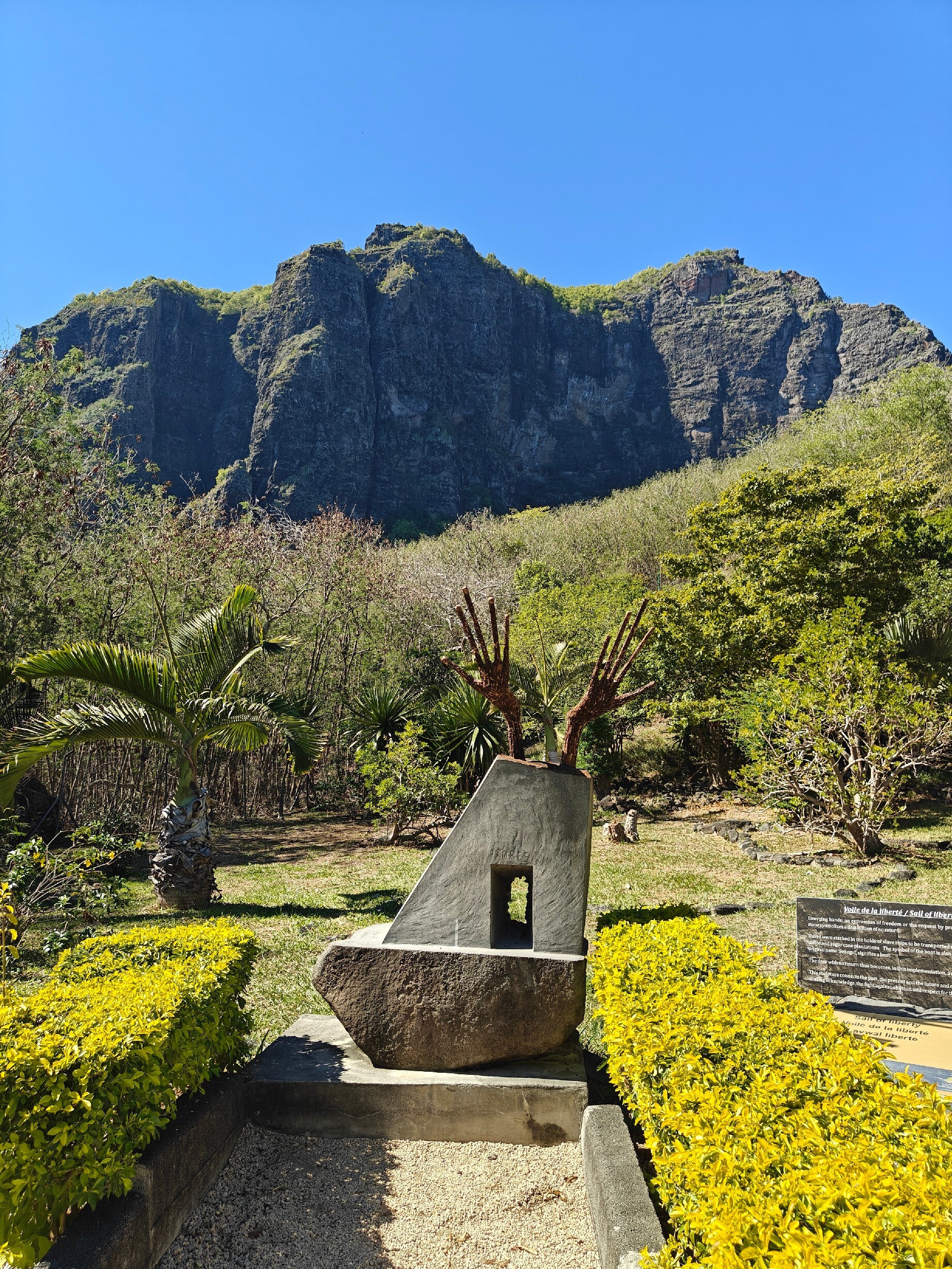
La Morne Brabant, a dramatic basaltic mountain, served as a refuge for escaped slaves in the 18th and 19th centuries.

It now stands as a symbol of freedom and human dignity. Legend has it that some slaves hid along the cliffs at the top of the mountain and one day they saw soldiers with guns. Thinking they were being arrested, the jumped off the cliffs.
This is a UNESCO site in front of which, is a monument to the slaves and their eventual freedom:

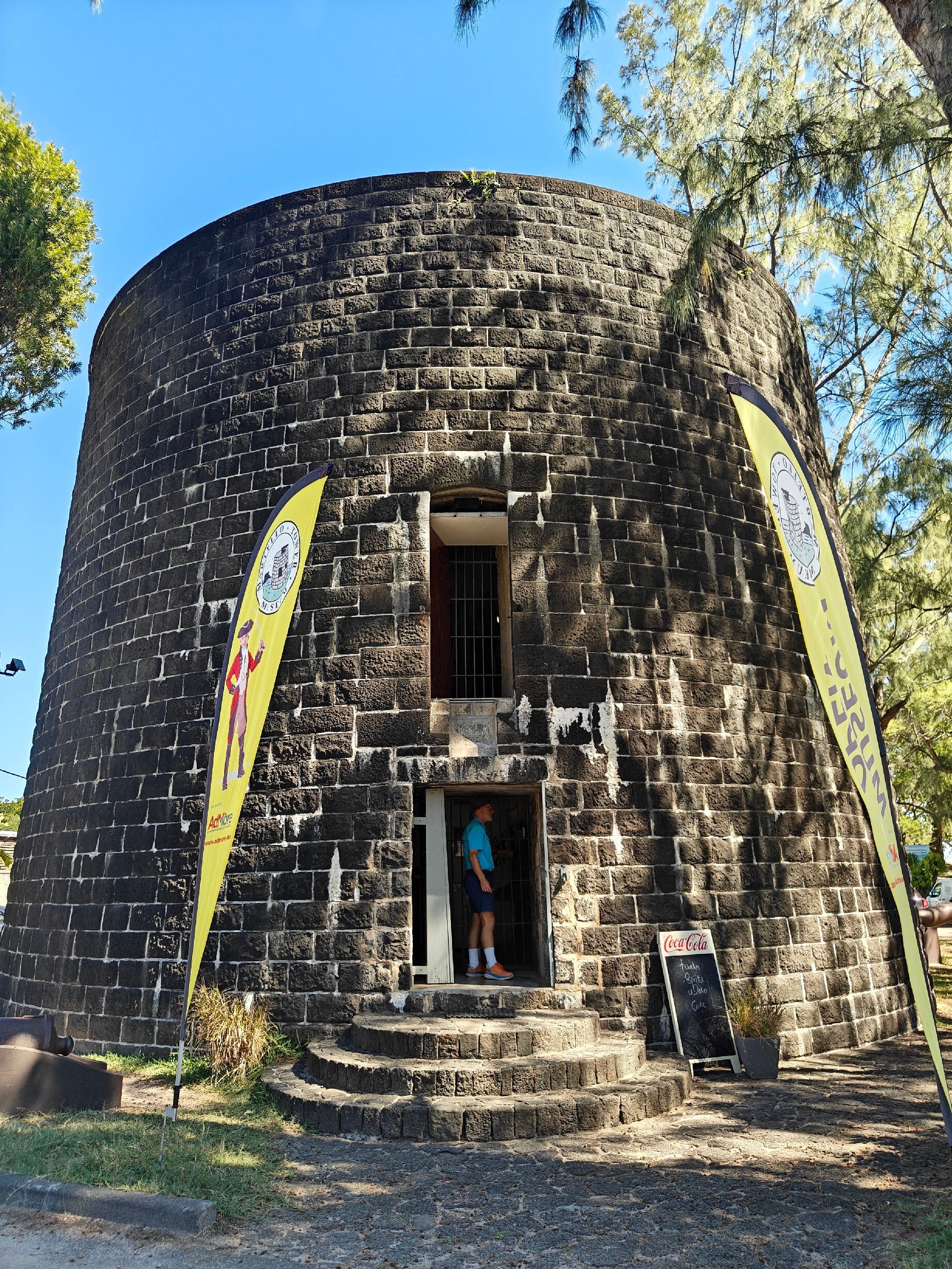
 Before parking back at the hotel, we stopped at the Martello Tower thinking we’d get a good view from up top. This was a British lookout during colonization times. It is now a museum and it is not free. It didn’t really make sense to us to have to pay what they were asking just to go up. But we did check out the view at the back.
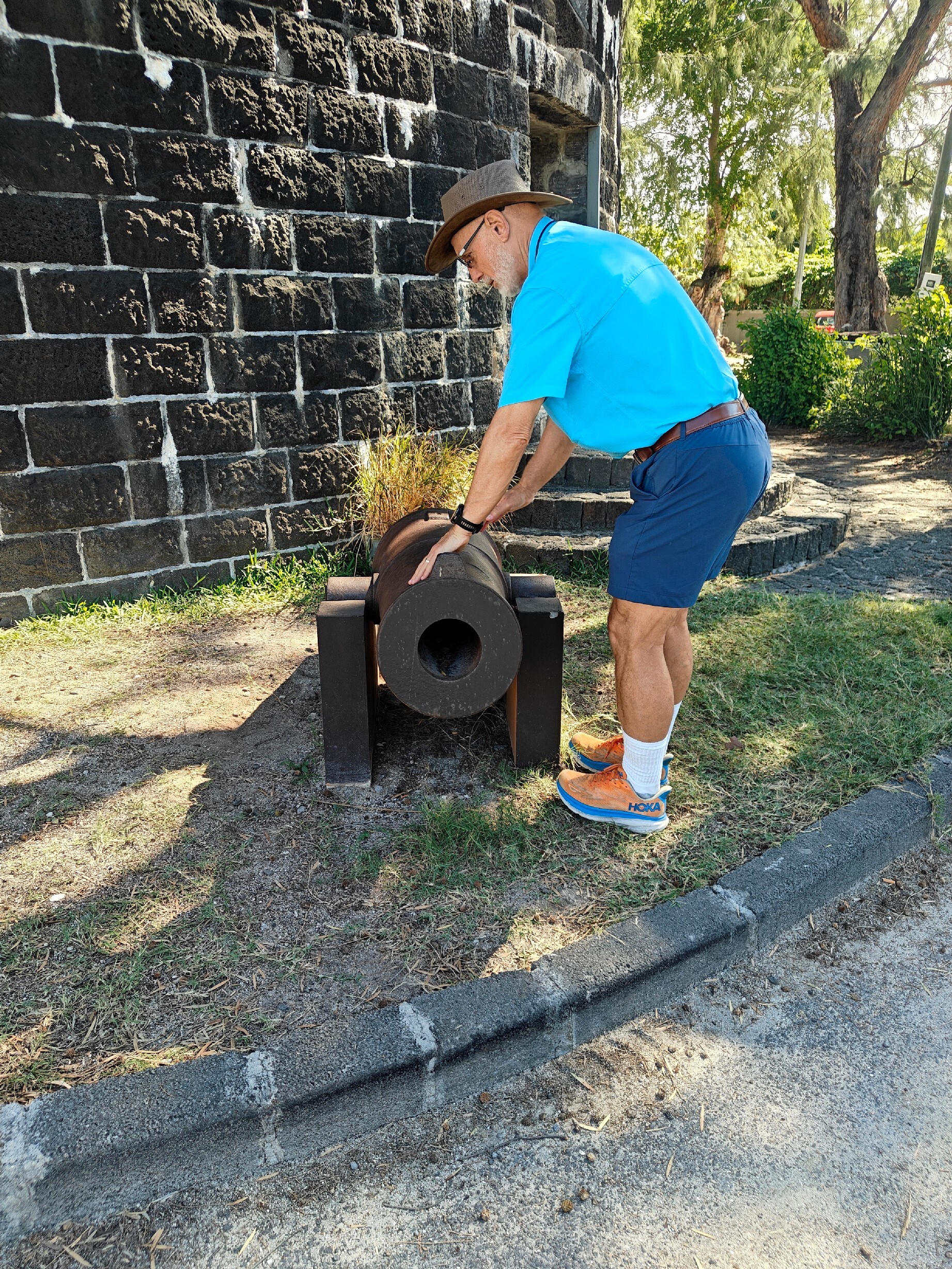
 view out back:

The beaches all had their own good points, and were wider than the beach at our hotel, but we were happy with where we had chosen to stay. None of them had chairs and umbrellas for rent either so it was back to our hotel to enjoy the loungers at the pool, seaside.
Thursday was our last outing day. First off we wanted to find a laundry as the hotel charges far too much and Doug found one online. We found it after a bit of mapping challenges and a very nice Mauritian couple runs it. They charged us a good price (especially after we told them we would be wiped out of cash if we paid the first price!) and said come back in a couple of hours. Since we were off to Blue Bay to do a snorkel trip and we’d be back in 3 hours. They told us they might close before we return but they’d leave the gate unlocked and leave our clean clothes in a corner.

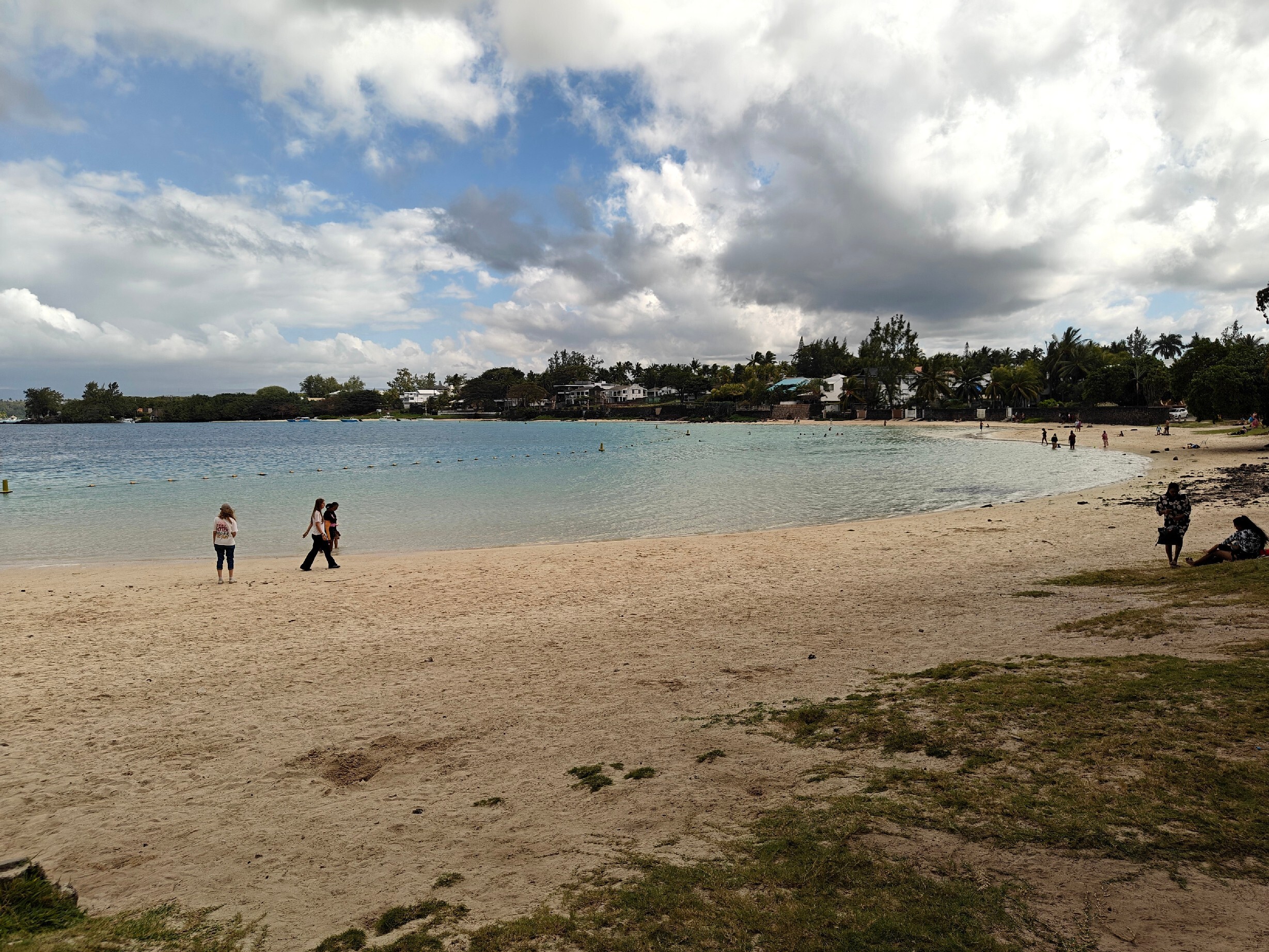
So off we went to Blue Bay – the bay and the beach are quite lovely.
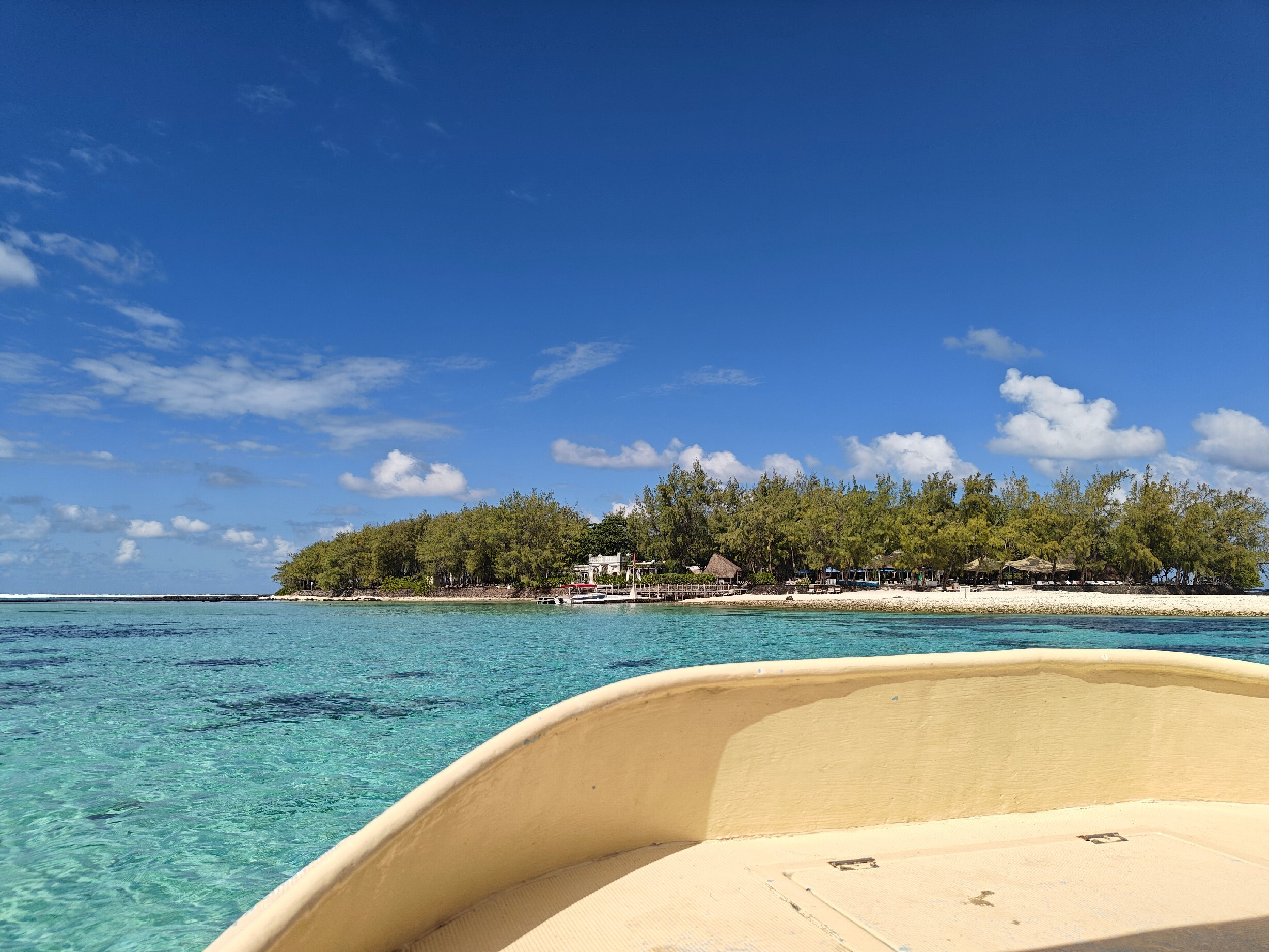
We checked in with our tour table and right on time, they took us to the glass bottomed boat to go out into the bay for two hours and snorkel in two spots. The coral here is not in very good shape; even the captain said up to 80% is damaged/dead. We were with 7 other passengers: two couples from Spain, an Austrian man and an Indian couple. We were taken away from shore and told we could jump in and snorkel. We had borrowed gear from our hotel and were glad we did as the boat did not provide fins. We snorkeled at the first spot for about 20 minutes. The water was not too cold; about 22C and pretty clear but the coral was in such bad shape. We saw a good number of fish, some in bigger schools, but nothing we’d not seen before (but we kinda expected that). We then went to a resort island where you could get off the boat for what we were told would be 5 minutes but turned out to be closer to 15 but we didn’t bother to get off. Didn’t quite see the point.
Then it was back to the beach to drop off two couples who had only booked a one hour two and then we went out further in the bay closer to the reef to where the coral was somewhat better and there were more kinds of fish but nothing too special. We had previously looked at tours that took out out to the other side of the reef where you had a chance to see dolphins, turtles and rays but these were quite expensive, we thought so we’d do this. This is the 22nd country we’ve snorkeled in and in the rankings, Blue Bay was pretty low.

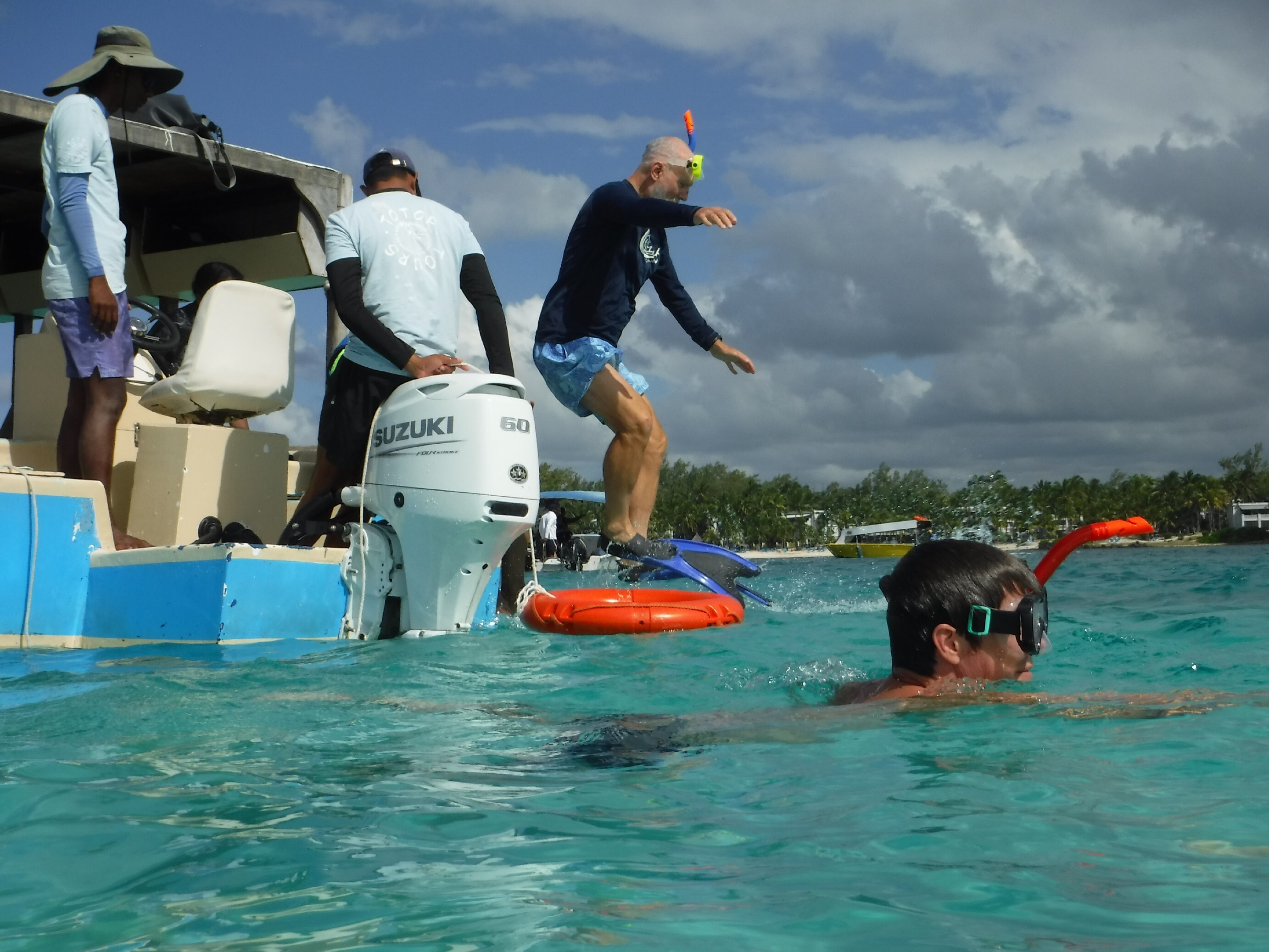
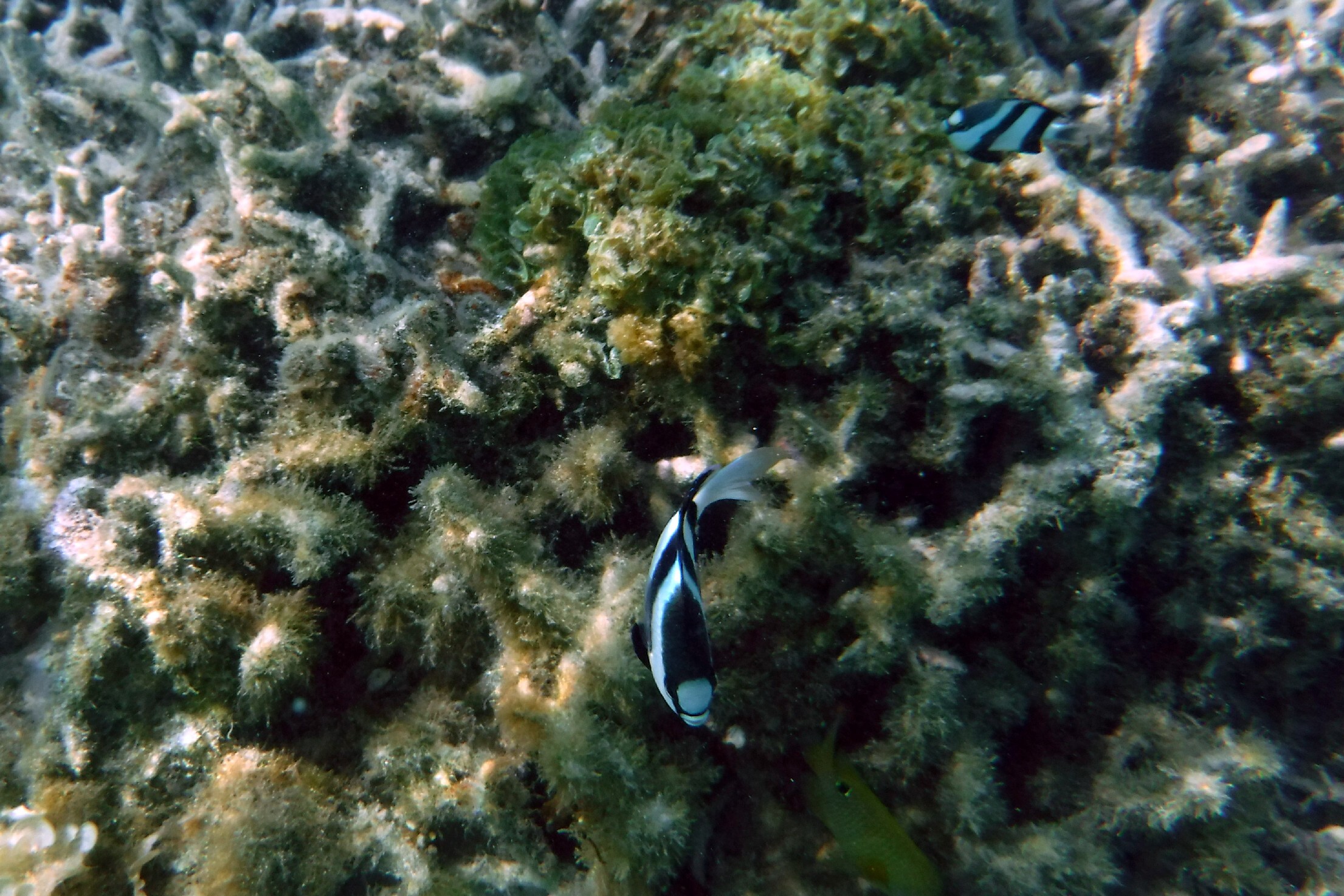
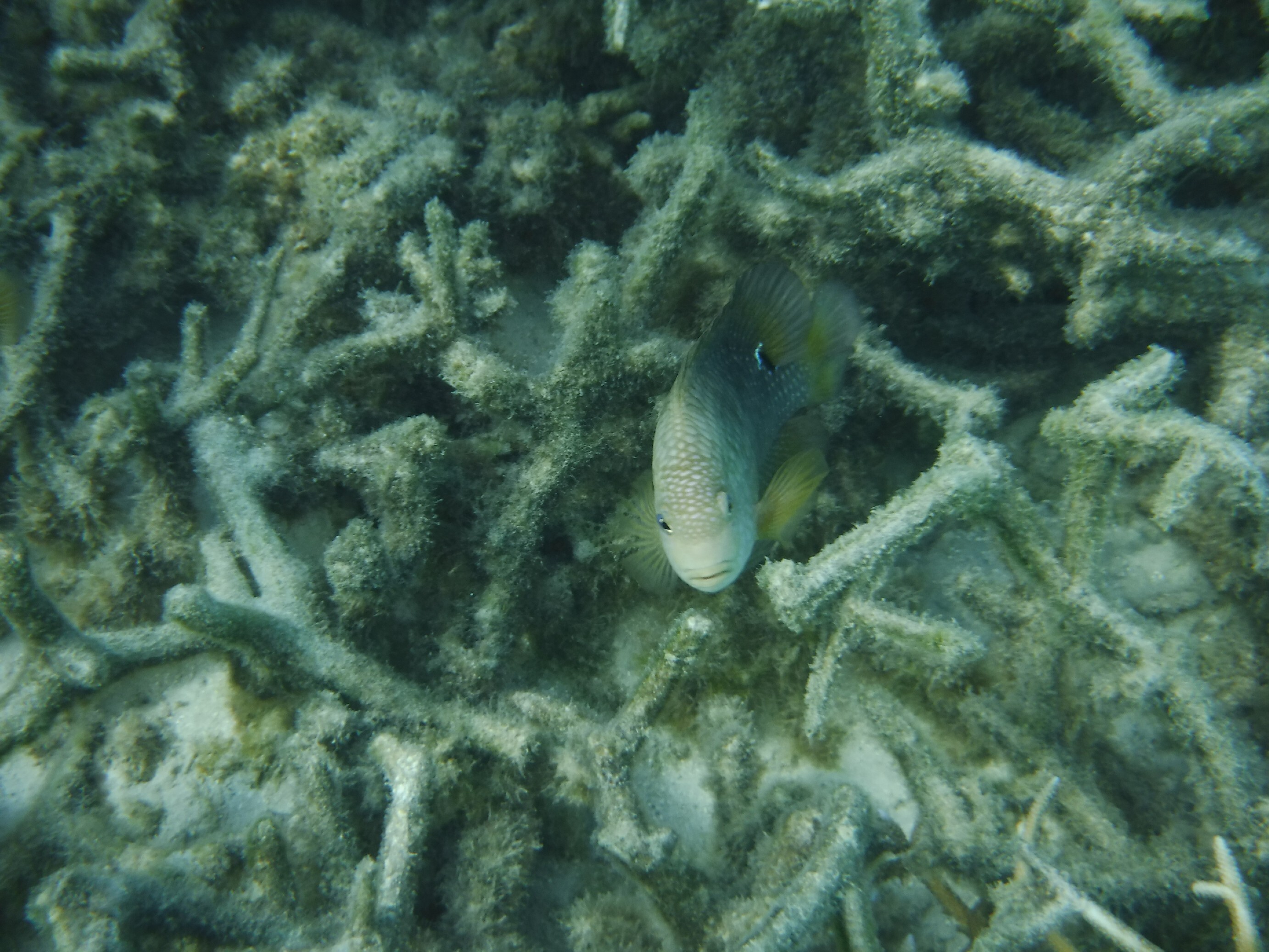
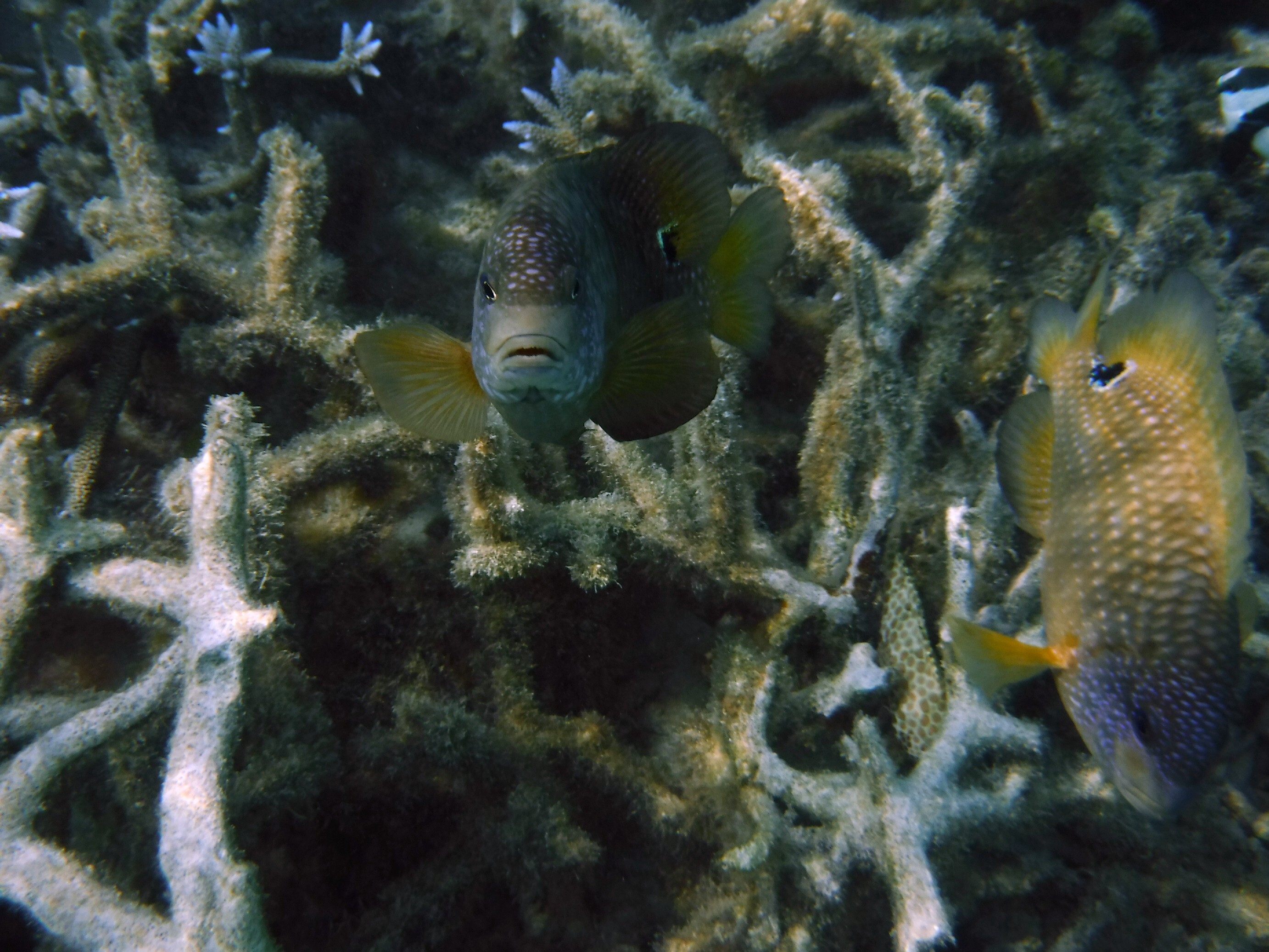
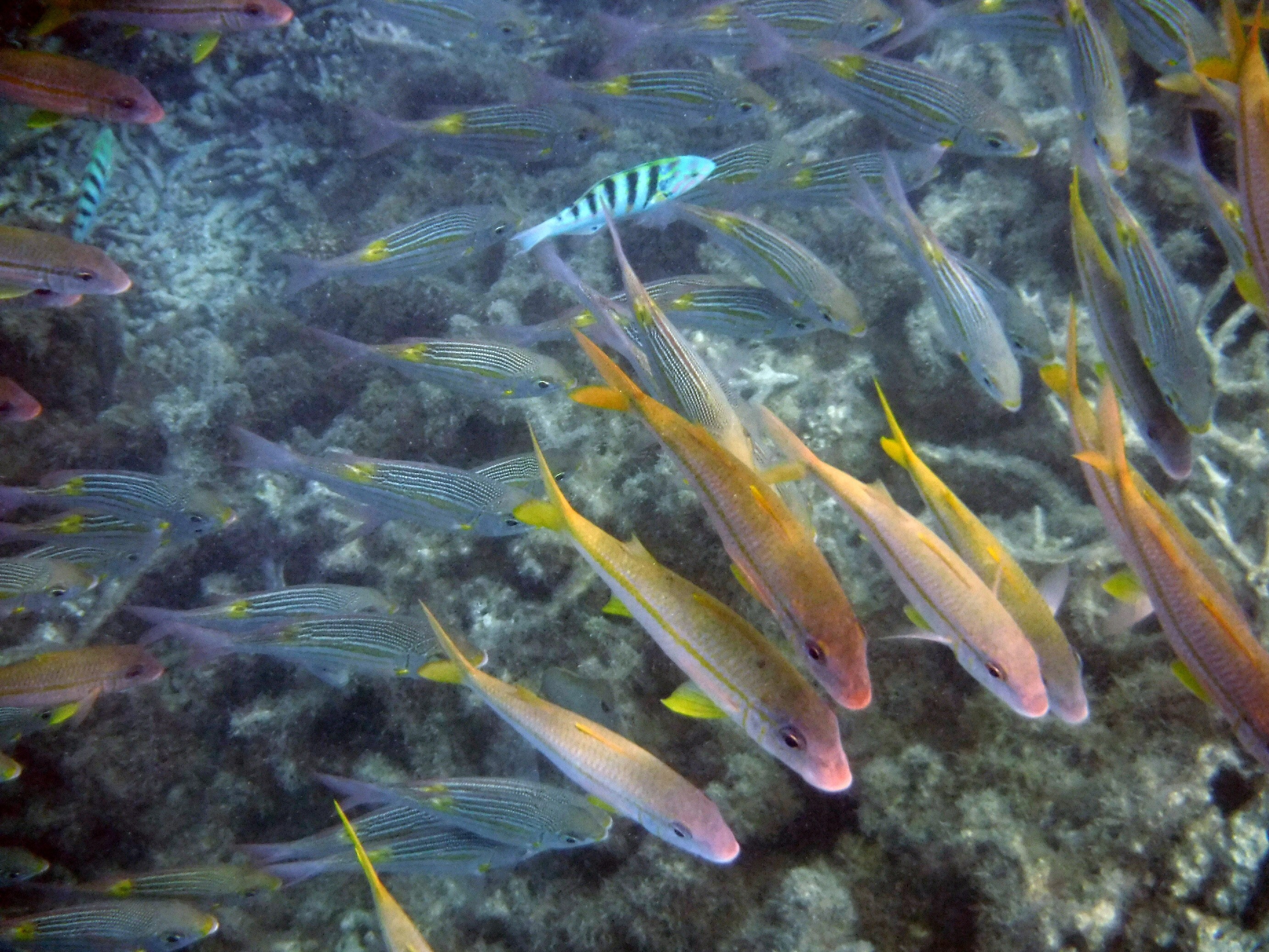
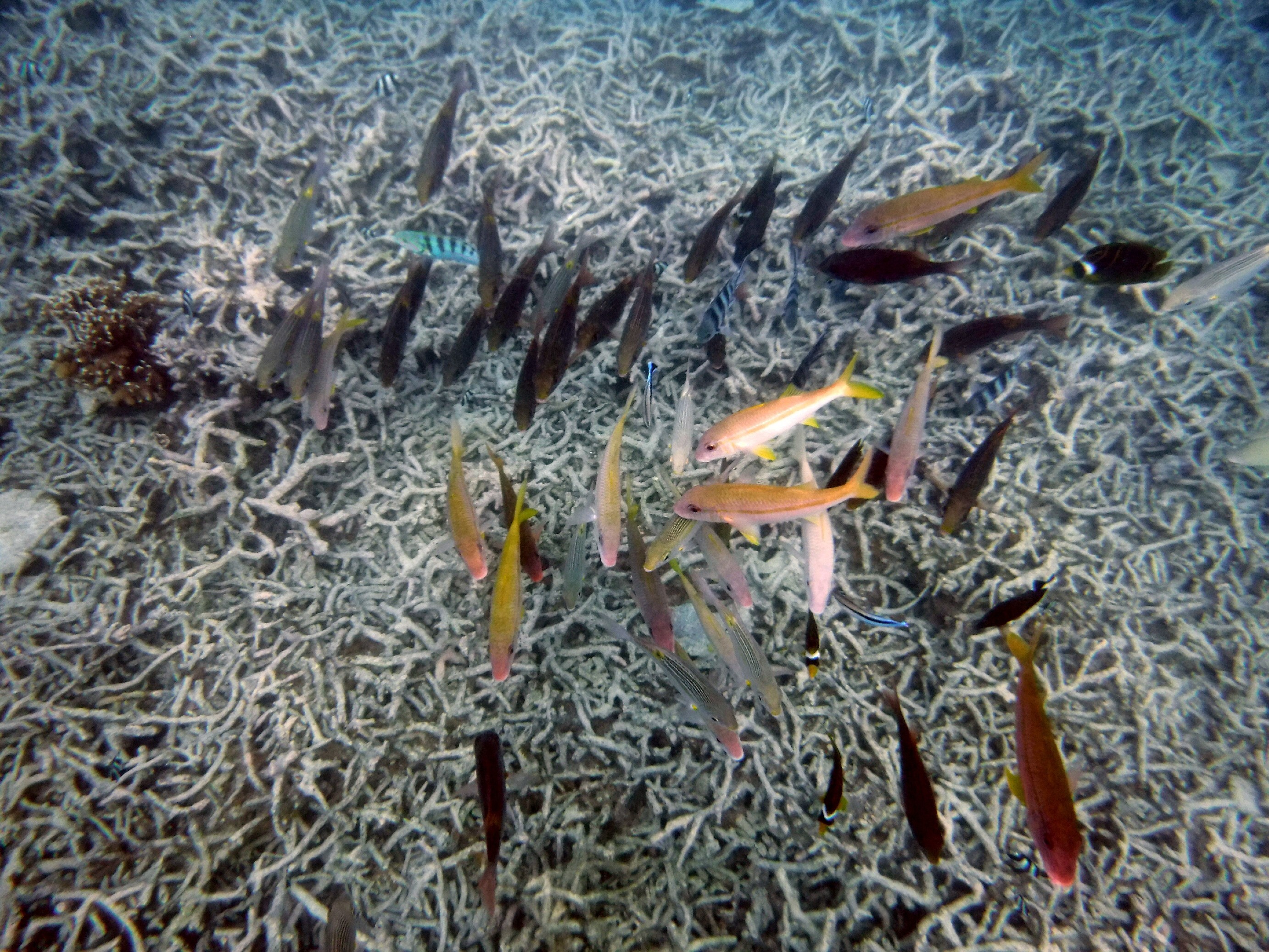
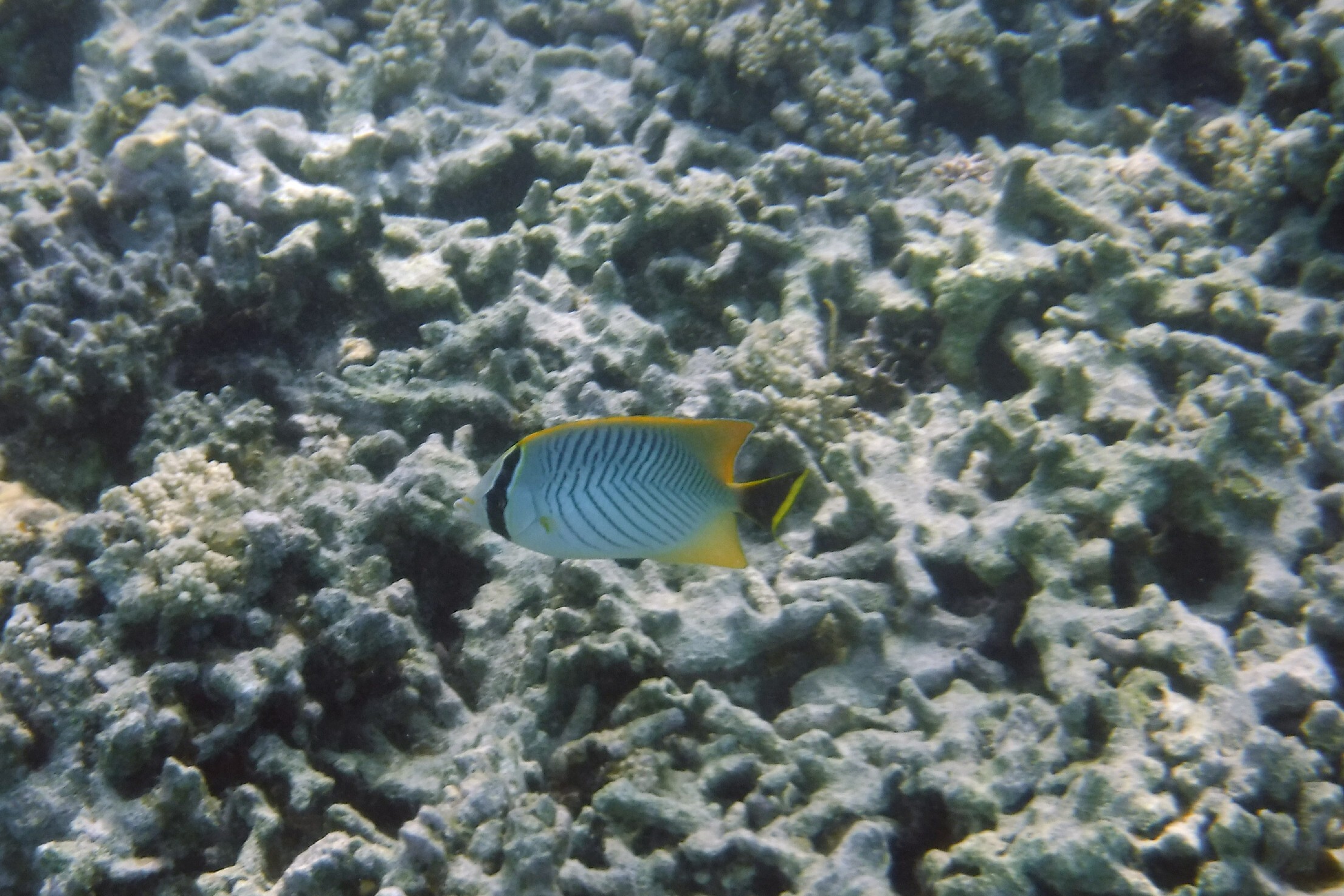
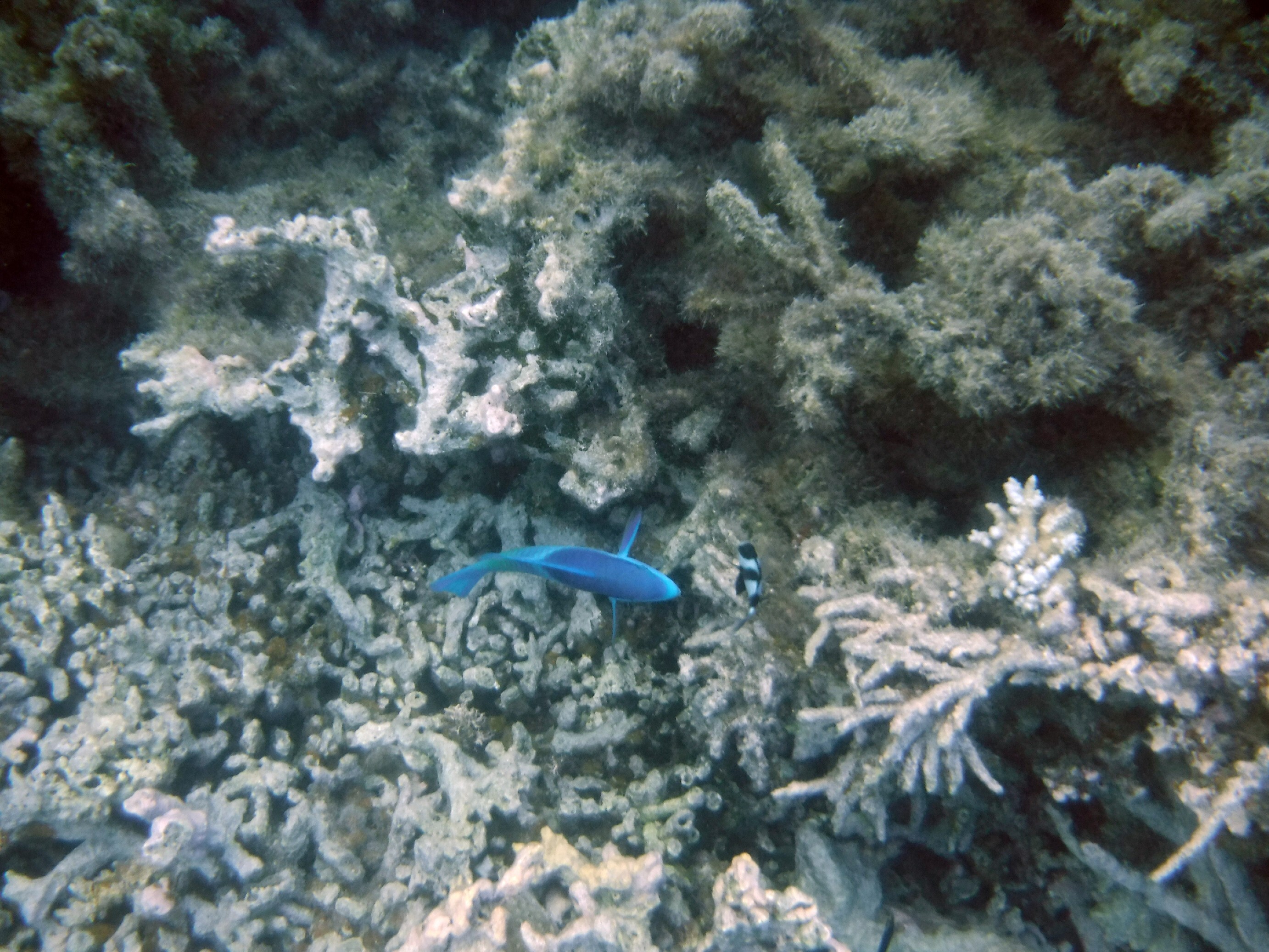
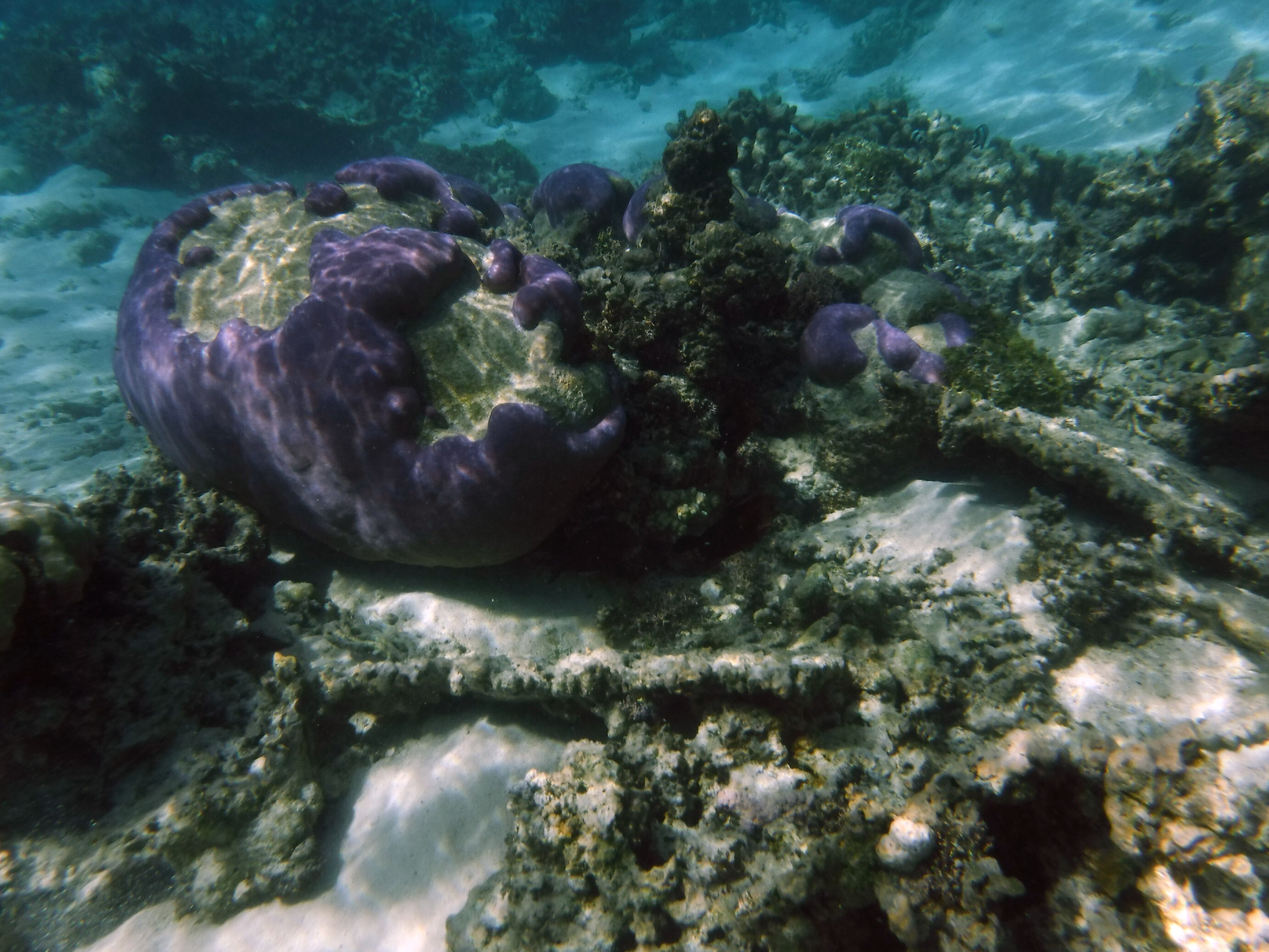
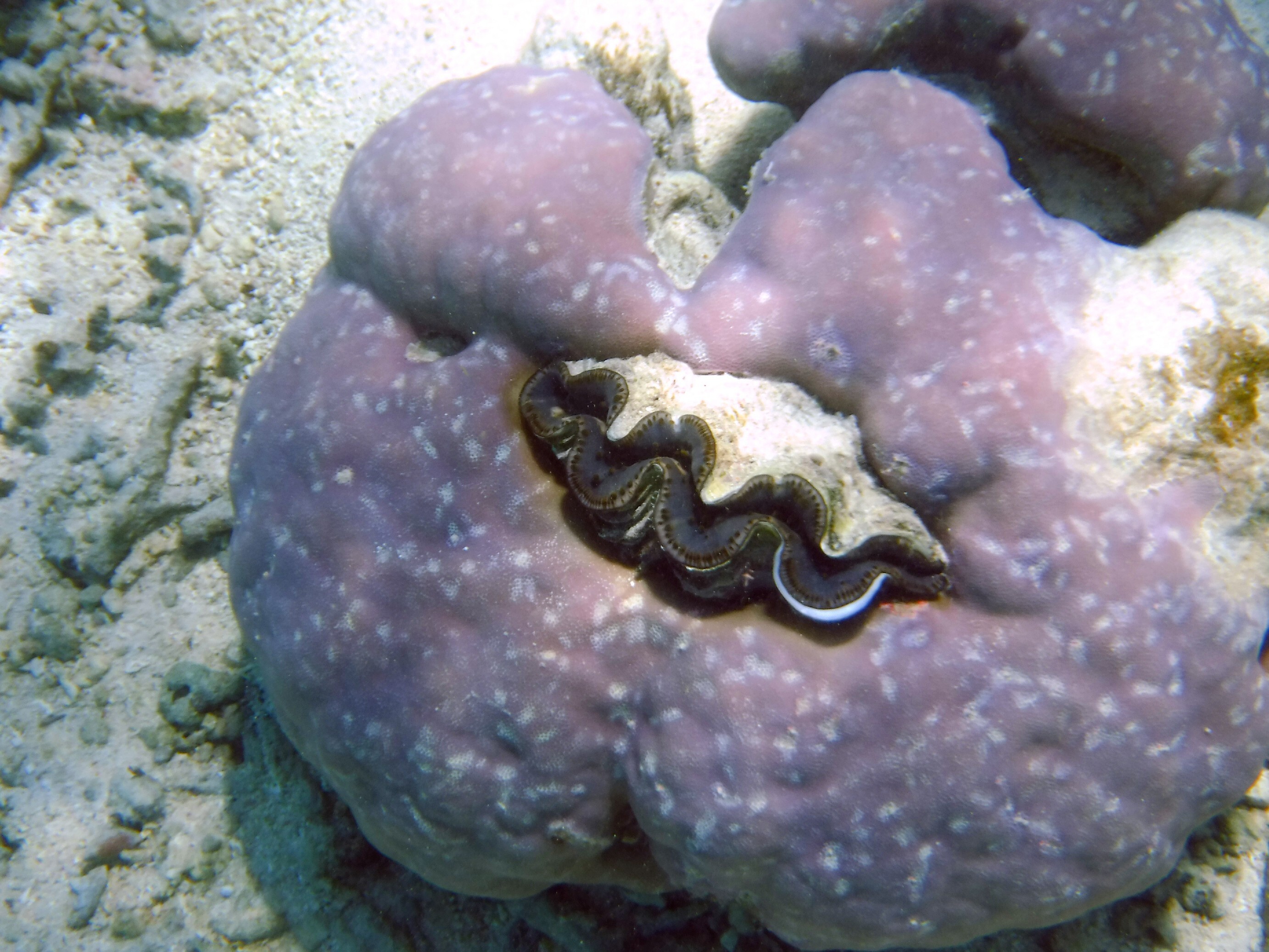
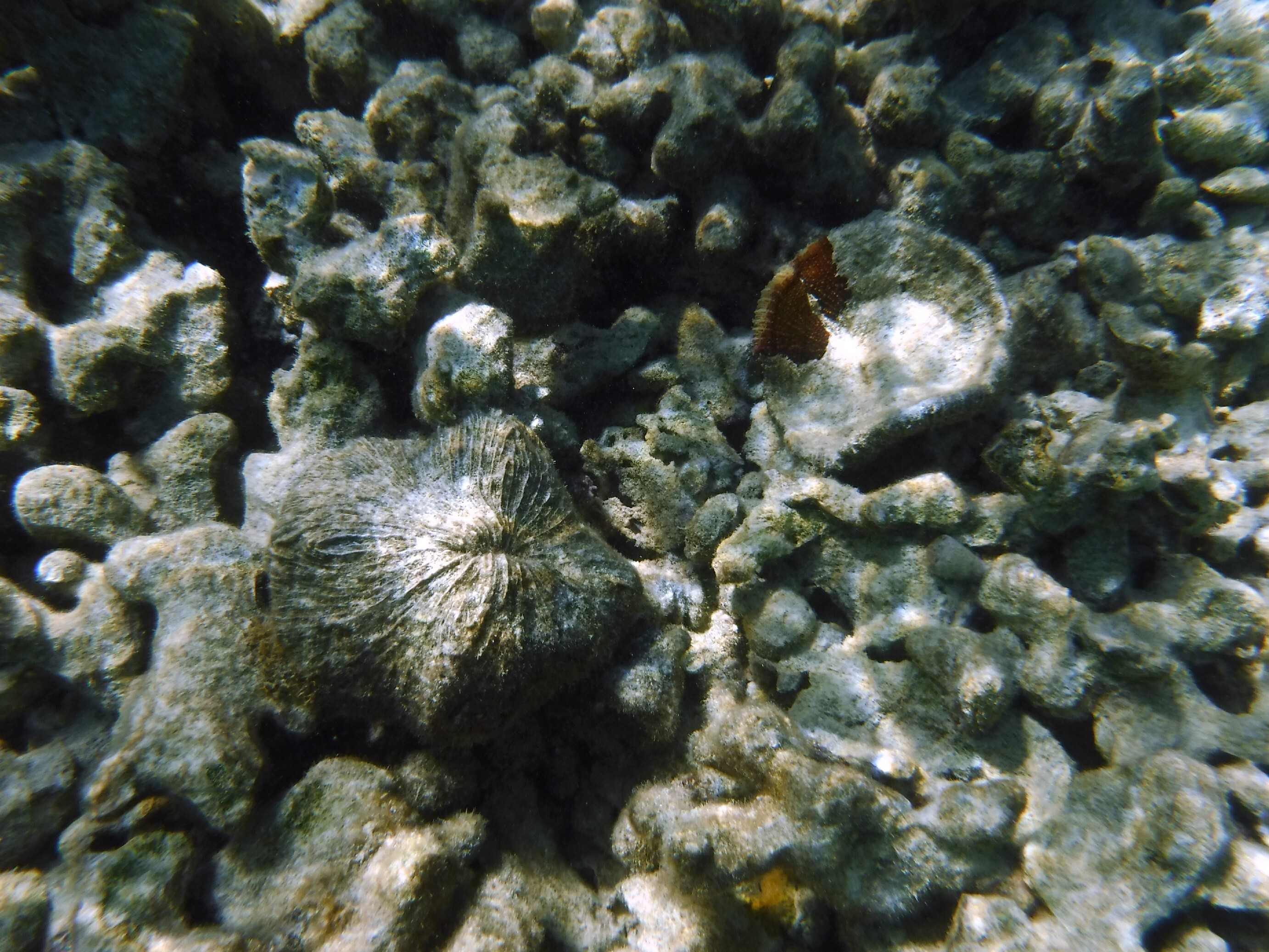
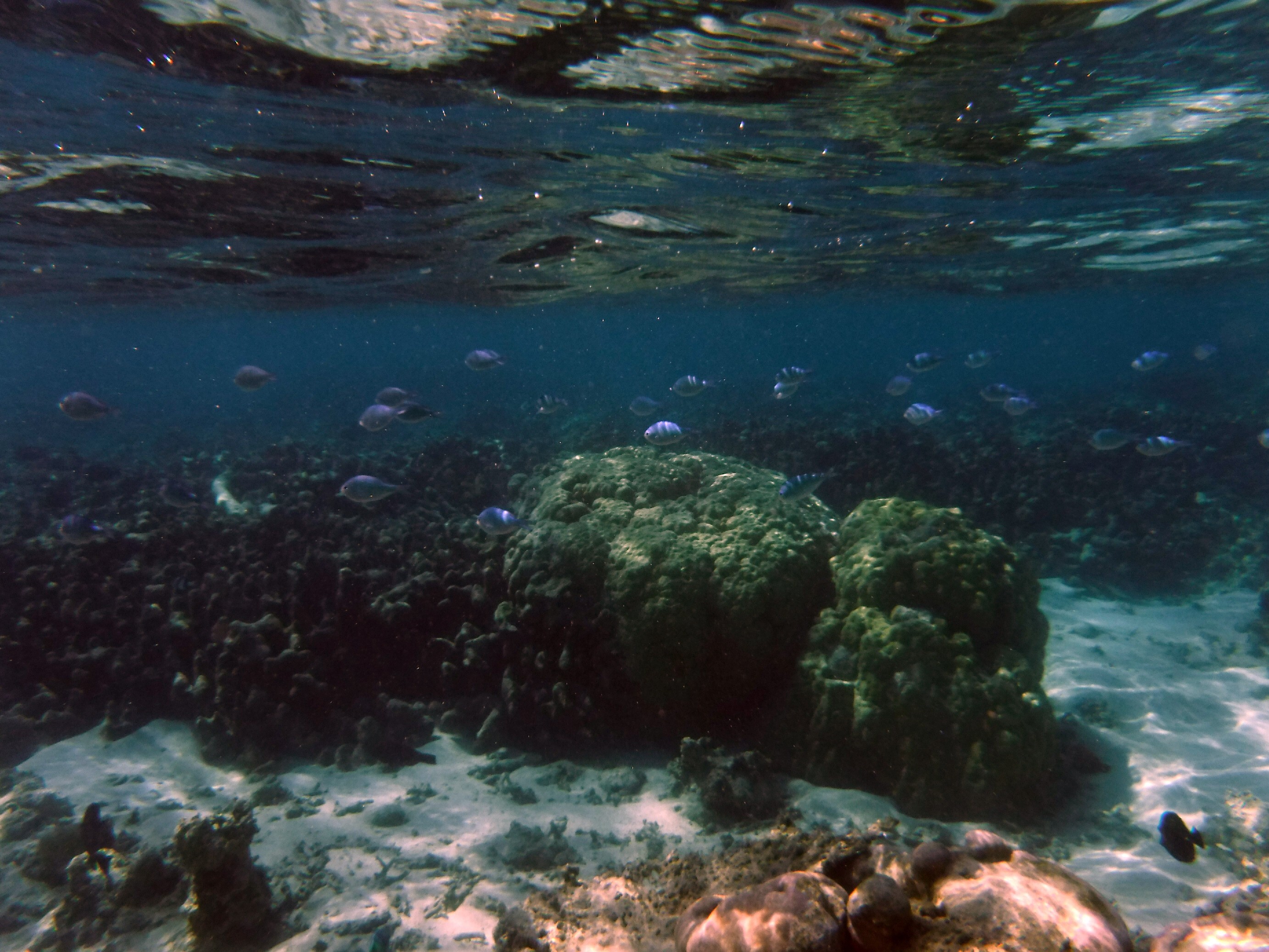
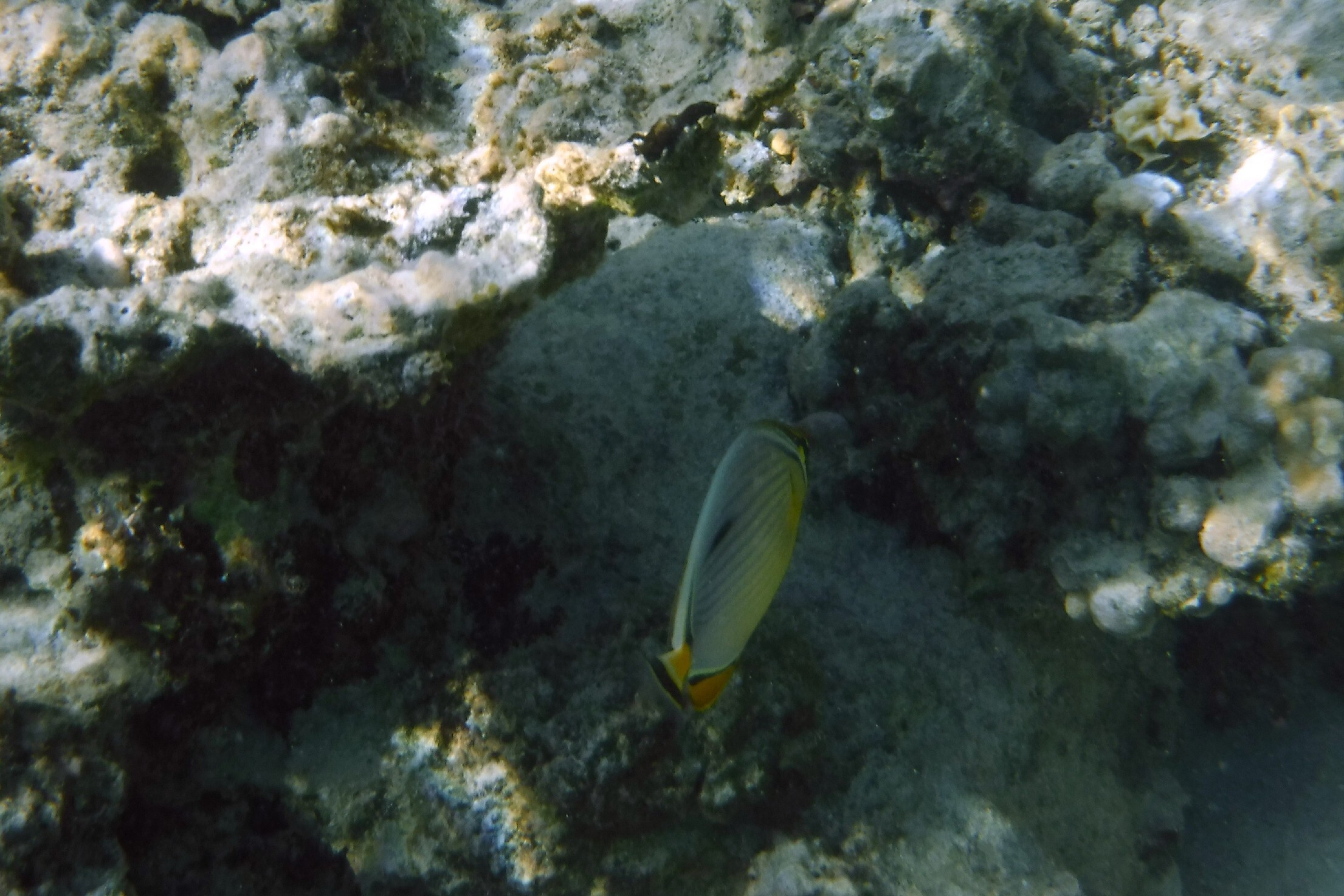
We returned to shore, as usual, Fran was the last out of “her happy place” and Doug was freezing! He’d only gotten in for a couple of minutes as the water was slightly cooler on the second snorkel. Upon returning to the beach we got changed in the shower/bathrooms and drove back to the hotel picking up our laundry as promised. If you ever go to Mauritius and need your laundry done, check out Eco Wash.
Upon returning to the hotel, we did our usual sitting by the pool and reading. That night Doug went to the grocery store and got some bread and sandwich fixings and we had dinner in the room. Where we are, the restaurant choices are limited and of the ones there are, many close between 5 and 6.
Friday, we stayed put; Doug went for his long run, Fran walked the beachfront after exercising and we chilled by the pool.
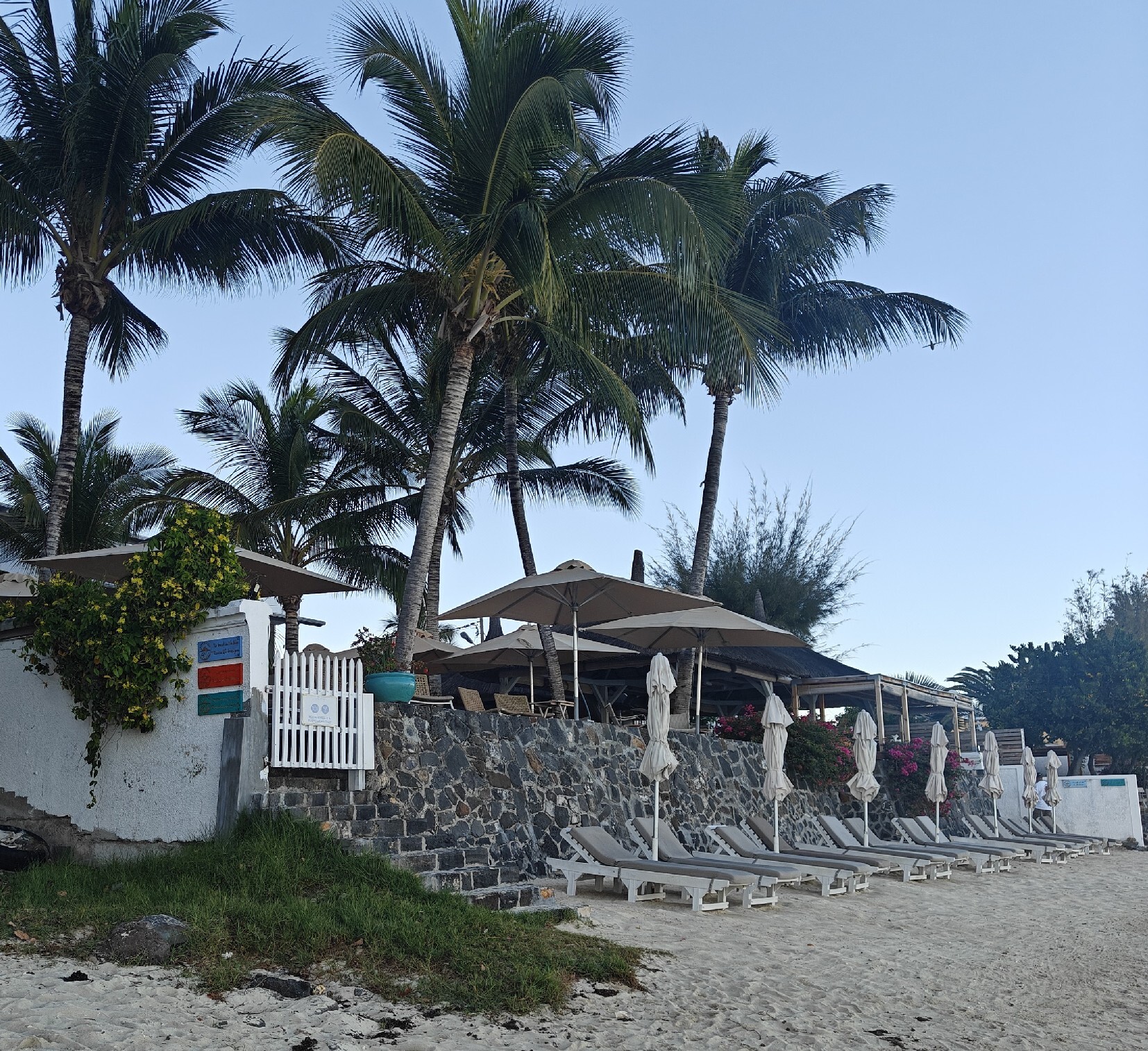
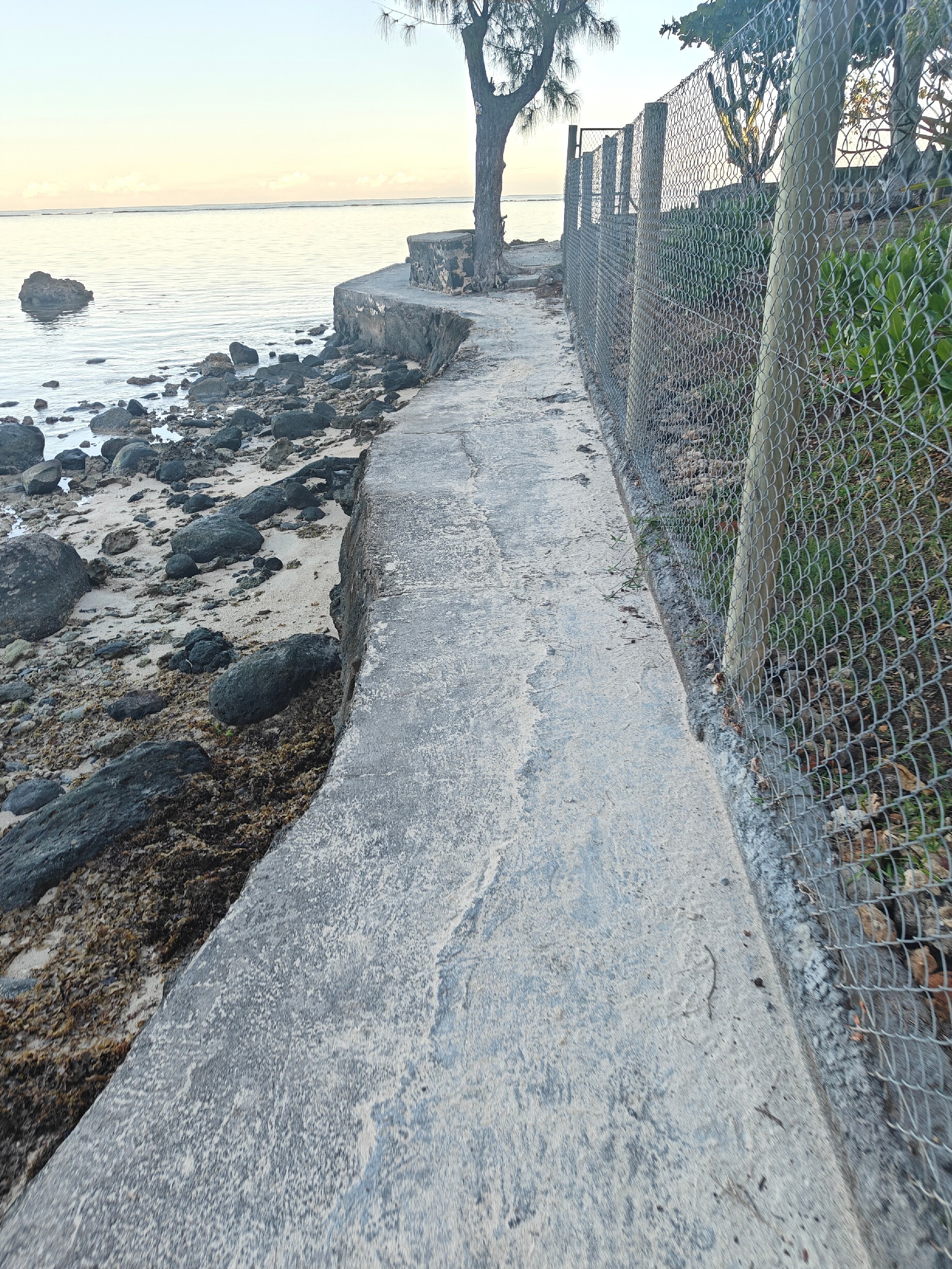
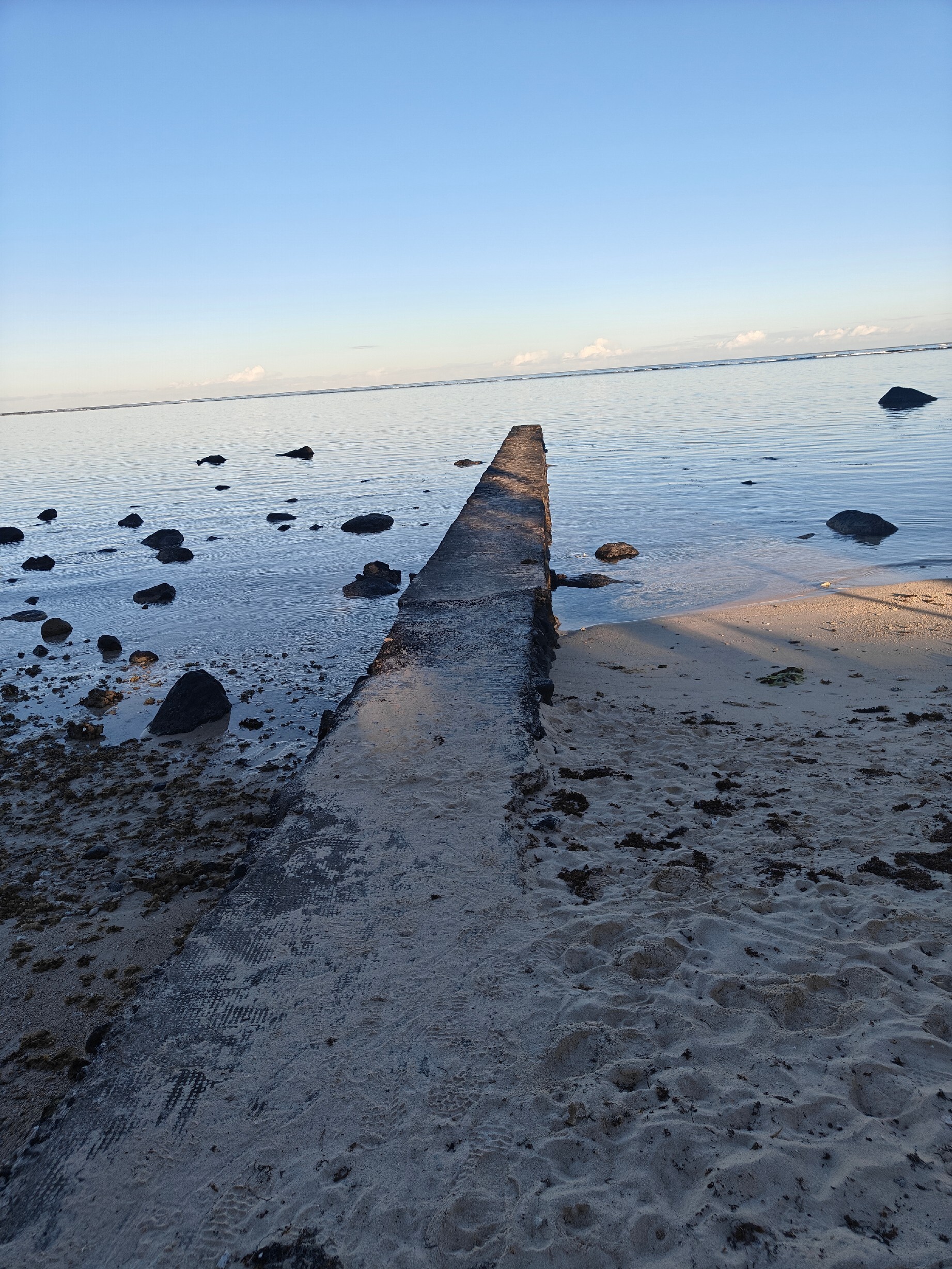

During our time here, we have met a few other travelers here at the hotel. A few South Africans, a fellow from Namibia who now lives in Hong Kong, an American man with an Austrian wife, and on our last night a fun couple who just moved here for work; he was from the UK and she, Germany.
The sunsets here are amazing!
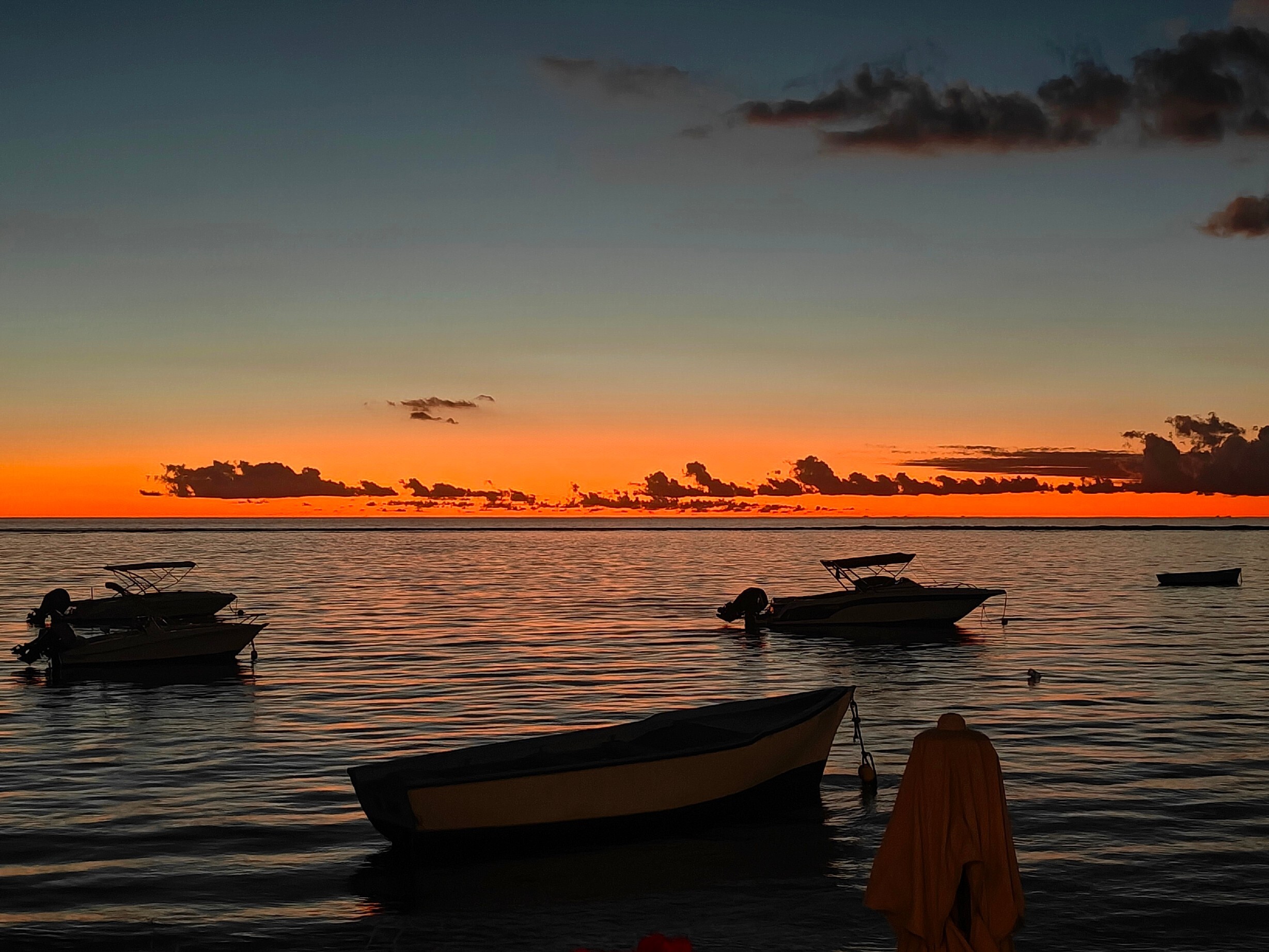

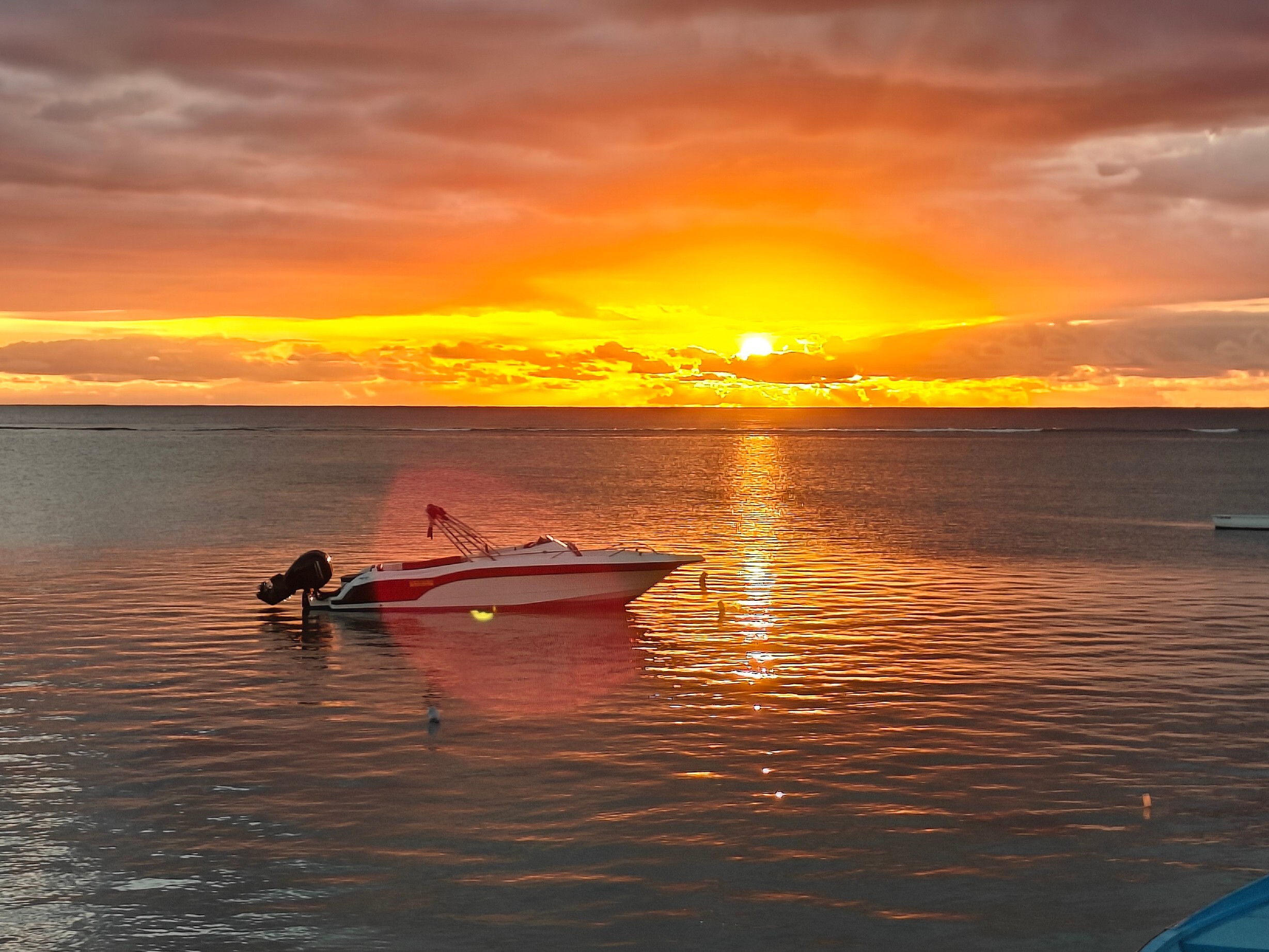
Friday night, we had thought about going out to for dinner but it meant taking the car and then having to find parking. As it was already 6:30 after we watched the sunset we asked about a table in the restaurant but they were already full unless we wanted to wait until 8. So instead Doug ran over to the grocery store again and got us bread, fixings and fruit for dinner in the room.
Saturday morning was check out and after breakfast we finished packing up and paid our food and bar/dinner bill. This hotel, The Bay, was very nice with a g00d variety of breakfast options and a decent sized menu for dinner with daily specials. The prices were not unreasonable and views were just up our alley: the ocean!
Our flight to Madagascar was at 2:20 and we were told to be there two hours ahead but we had to drop the car off and it’s a good minimum 45 minute drive to the airport/car rental. The drop off went smoothly and we were taken to the airport in our rental car. We were amoung the first to drop our bags and we ended up having a couple of hours to kill.
Enroute we saw more pyramids if you can make them out here:
We drove 498 km / 309 miles on Mauritius and by no means did we see the entire country. Traffic does not move fast, even major highways have roundabouts to slow it down further; locals seem to prefer to drive below the speed limit so getting anywhere is not fast (not that you need to be fast on vacation!). If we were to come again – not ruling it out – we’d stay on the north end of the island to explore up there.
The Mauritius airport is quite nice and not so large; there’s a domestic with 15 gates and an international one with another 13. There are plenty of duty free shops and a couple of bars/restaurants. Boarding started with the back of the plane and then everyone else. We left a bit late but it was a smooth flight.
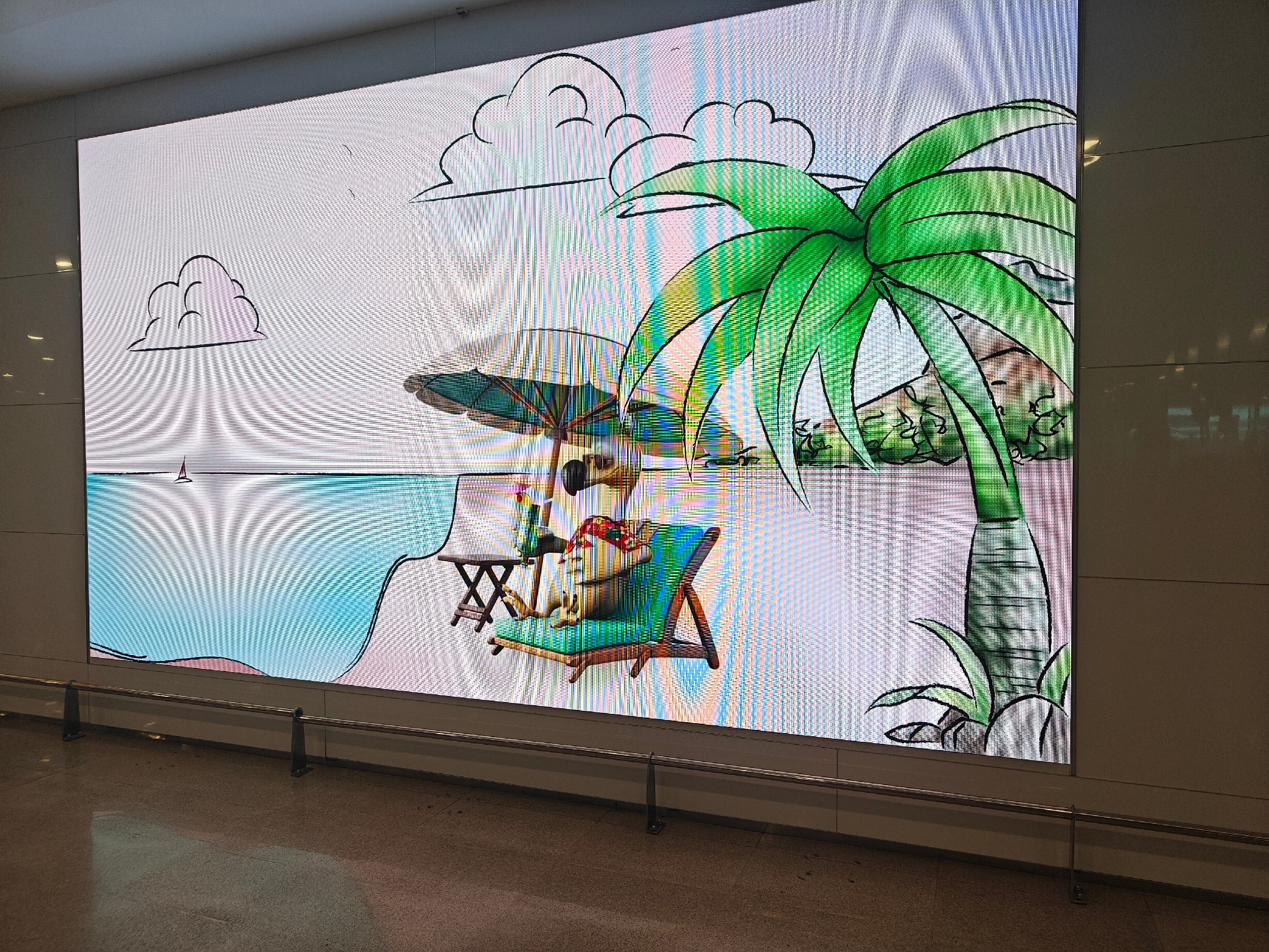
Fun Facts about Mauritius:
- The home of the Dodo bird that went extinct in the 17th century. It is the country’s national symbol.
- For more than three centuries, Mauritius was defined by sugar. Today those plantations are evolving. Many sugar estates have been transformed into eco-lodges, heritage museums, and artisanal rum distilleries.
- Mauritius’s volcanic soil and tropical climate are ideal for both sugarcane and tea cultivation. These two crops gave rise to the island’s beloved beverages: rum and tea.
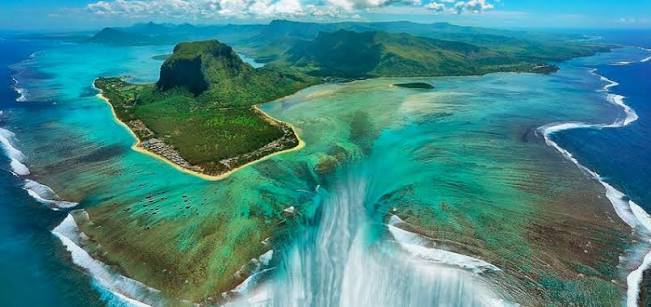
- Off the southwest coast, near Le Morne Brabant, lies one of the world’s most astonishing optical illusions: an “underwater waterfall.” Seen from above, the ocean appears to cascade down into an abyss, but in reality, it’s a play of light and shifting sand over the ocean floor. (we did not take a heli ride here so we did not see this)
- Mauritian cuisine is a reflection of its cultural diversity where Africa, Asia, and Europe meet on a single plate. Here, you’ll find Indian curries cooked with French flair, Chinese fried noodles infused with Creole spices, and street food stalls selling dholl puri (a savoury pancake filled with split peas and chutney).
- Mauritius has no winter but rather “micro climates” – Trade winds from the southeast create these micro climates, meaning one side of the island can be drenched in rain while the other basks in sunshine. This makes Mauritius lush, green, and constantly changing in light and texture. The temperature rarely drops below 17°C, even in the “cool” season between June and September.
- Mauritius doesn’t have an official language, but English is commonly used, especially in administration and schools. French also pops up in the media, and a local dialect derived from French, known as Mauritian Creole, is widely spoken across the island. That’s not all – you might even hear Hindi, Chinese, Bhojpuri, Tamil, and Urdu as you explore.
- Mauritius has no permanent army since its independence from Britain but instead depends on a paramilitary organization named the Special Mobile Force.
- Mauritius is home to the world’s rarest stamps: the 1847 Post Office stamps are the most valuable and rare of all ‘Blue Mauritius’ stamps. There are very few of these stamps left, making them some of the most sought-after in all philatelic history.