
July 25th, 2026
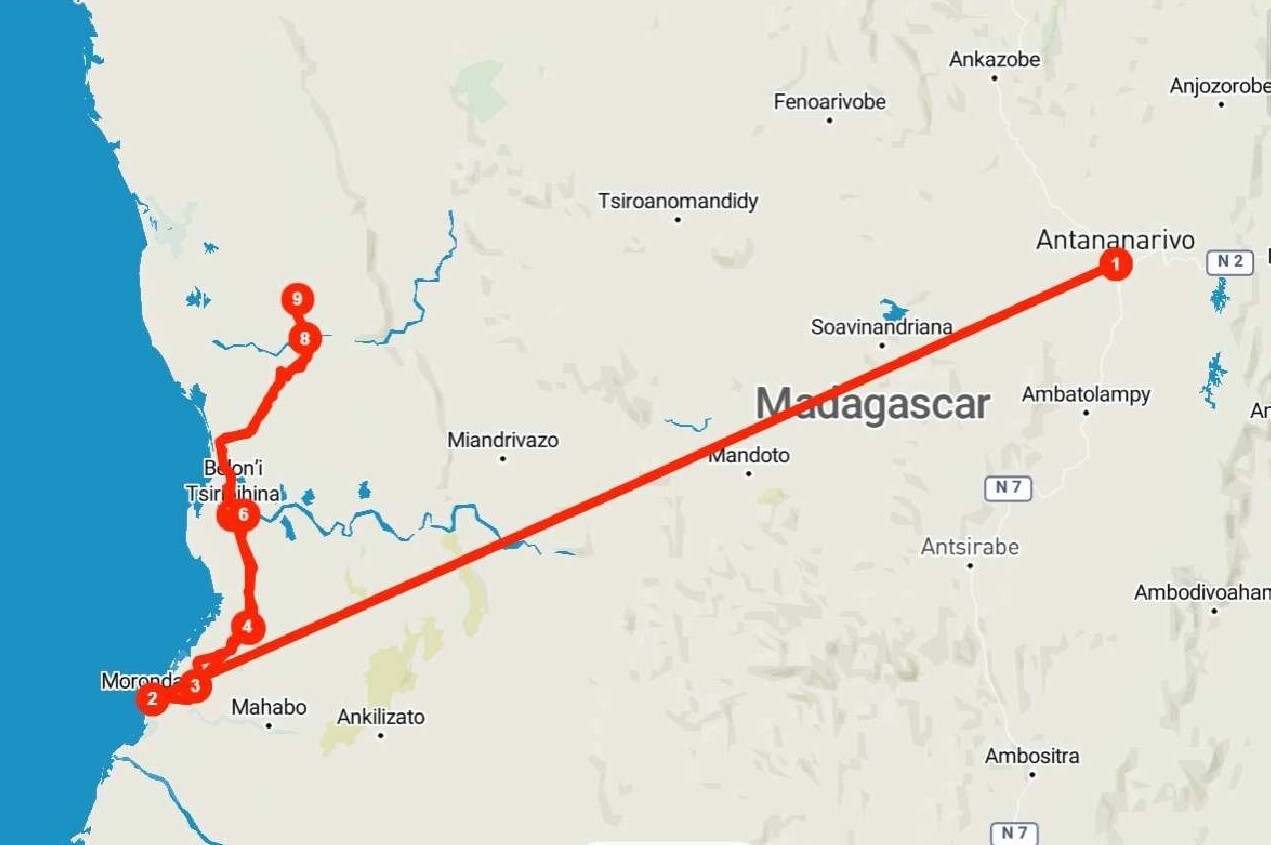
Madagascar, officially the Republic of Madagascar, is an island country in the Indian Ocean lying off the southeastern coast of Africa. It is the world’s 4th largest island and the 2nd largest island country. Its capital and largest city is Antananarivo at 1277 m / 42189’.
The country is larger than France, slightly larger than the province of Manitoba and 20% smaller than the state of Texas.
Following the prehistoric breakup of the supercontinent Gondwanaland, Madagascar split from Africa, around 180 million years ago, and from the Indian subcontinent approximately 90 million years ago. This isolation allowed native plants and animals to evolve in relative seclusion. As a result, Madagascar is a biodiversity hot spot and one of the world’s 17 mega-diverse countries, with over 90% of its wildlife being endemic. The island has a subtropical to tropical maritime climate.
Madagascar was first permanently settled during or before the mid-first millennium CE (roughly 500 to 700) by Austronesian peoples, probably arriving on outrigger canoes from present-day Indonesia. These were joined around the ninth century by Bantu groups crossing the Mozambique Channel from East Africa. Other groups continued to settle on Madagascar over time, each one making lasting contributions to Malagasy cultural life. Consequently, there are 18 or more classified peoples of Madagascar, the most numerous being the Merina of the central highlands.
Until the late 18th century, the island of Madagascar was ruled by a fragmented assortment of shifting sociopolitical alliances. Beginning in the early 19th century, most of it was united and ruled as the Kingdom of Madagascar by a series of Merina nobles. The monarchy was ended in 1897 by France’s annexation of Madagascar, from which the country gained independence in 1960. It has since undergone four major constitutional periods, termed republics, and has been governed as a constitutional democracy since 1992. Following a political crisis and military coup in 2009, Madagascar underwent a protracted transition towards its fourth and current republic, with constitutional governance being restored in January 2014. In 2025, a series of mass protests resulted in another military coup and the installation of Michael Randrianirina as president of an interim government. It is one of the poorest countries in the world.
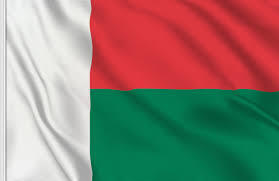
The flag of Madagascar was adopted in 1958—represents the nation’s rich history, diverse society, and transition to self-governance. The colors hold specific meanings:
- Red: Symbolizes sovereignty, national unity, and the valor of the Malagasy people. It is also the traditional color of the historic Merina kingdom, which ruled the island before French colonization.
- White: Represents purity, peace, freedom, and security. It points to the ancestors of the Malagasy people and plays a major role in traditional clothing.
- Green: Represents hope, the country’s lush biodiversity, and the former coastal peasant class (the Hova) who were instrumental in the fight for independence.
Currency: The Malagasy Ariary (MGA)
to USD: $0.00023 ($1 USD is 4432 MGA); to CDN $0.00033 ($1 is 3054 MGA)
Here’s what $120 USD looks like here in Madagascar (600,000 MGA)
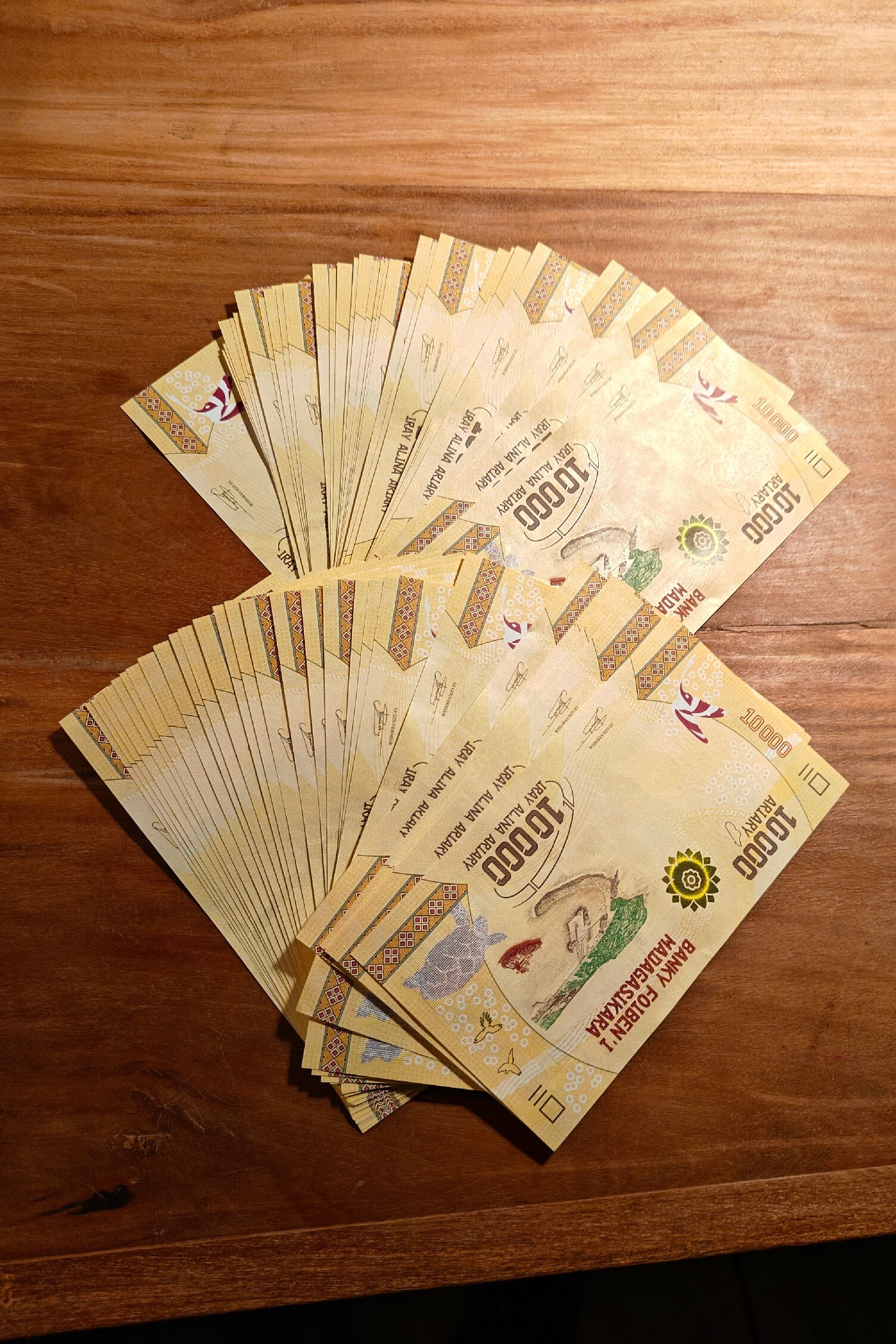
Gas: 5100 Ariary – about $4.48 a gallon
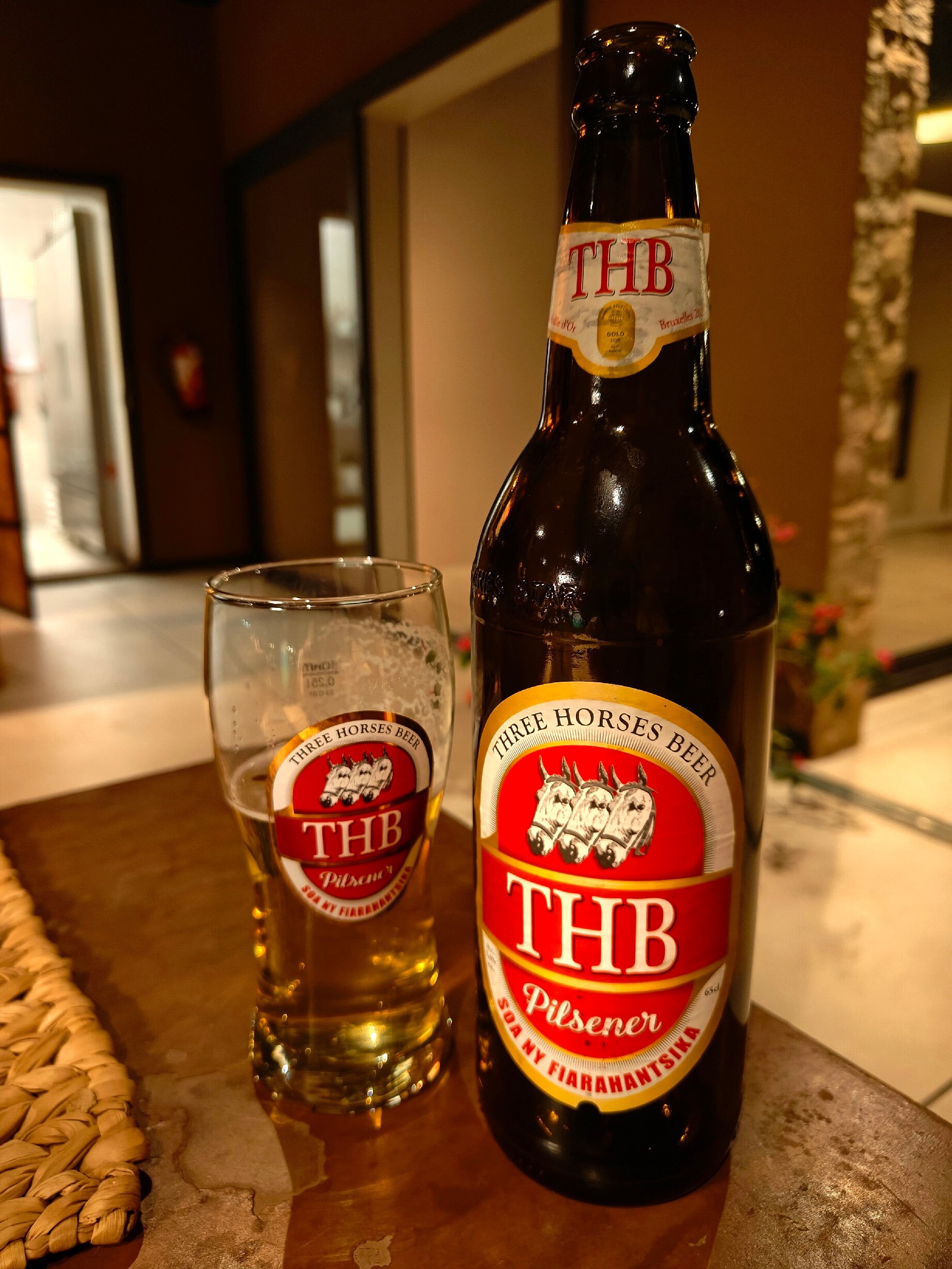
Beer: THB (three horse beer)
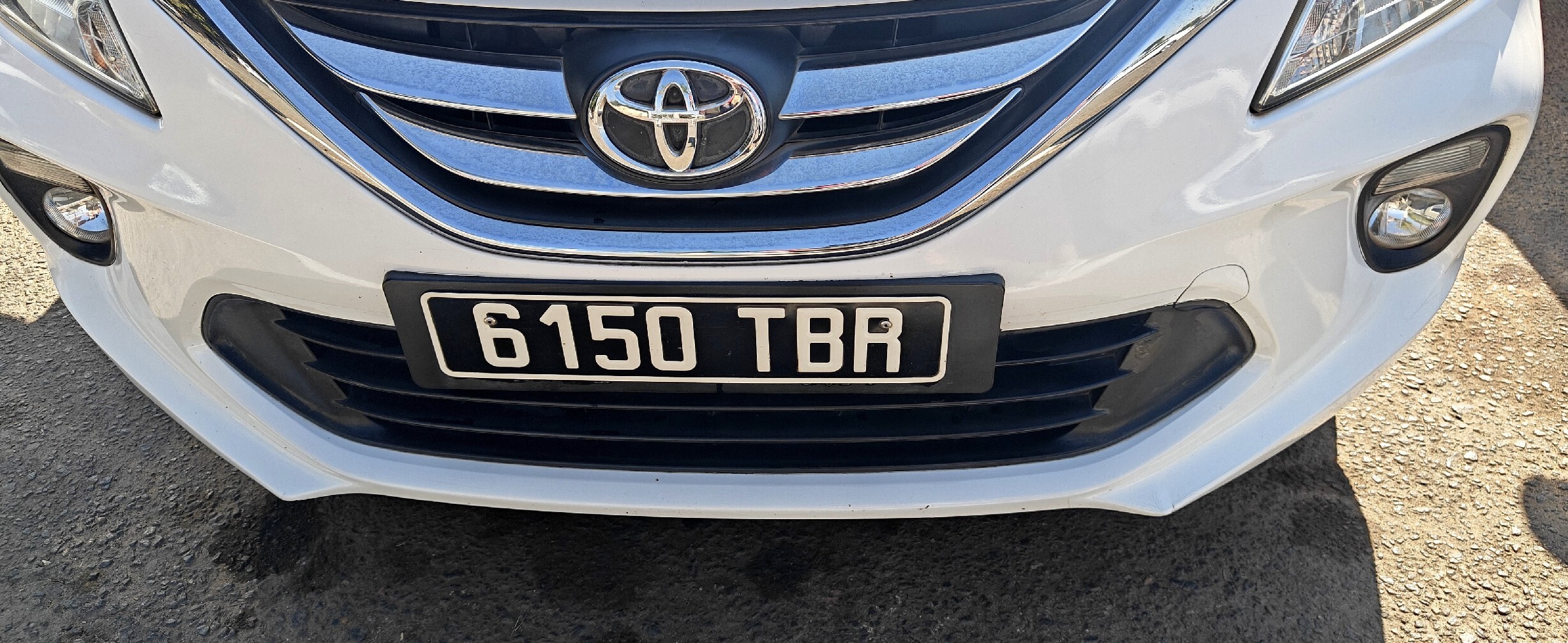
License plate:
Finally we made it happen! We’ve always wanted to go to Madagascar and lo and behold HERE WE ARE! This is a very hard country to travel on your own due to road conditions and distances. When we looked into coming here twelve years ago, even renting a car had limits on where you can drive it or you needed to hire a driver. So this year, we bit the bullet and decided to do a tour. (We were told it’s easier to rent a car now but there is huge deposit required and hiring drivers is recommended.)
Immigration was quick and easy as we’d already gotten our visas online. Our luggage came very slowly and we actually thought it might be lost and pulled out the luggage tags, just in case (that made them appear of course!).
We looked at different tours before coming here and investigated three different companies when planning, narrowed that to two that would do an itinerary that we wanted not the cookie cutter ones and then chose the one with the best plan. This is a private tour for the two of us only and we are impressed so far and we’ve been here two hours so far! Included in the tour, is an app (available offline too) where you can see each day’s plan, flight info, meals, driving times etc. It’s quite a handy tool.
We were met by a representative of the tour company, Dadamanga, a Mr. Roberto, and with him was his driver, Kevin, to take us to our hotel. They both spoke perfect English which is a must here for us as this is a French speaking country (as well as Malagasy which apparently has many dialects). We had already purchased eSIM’s for cell service but are prepared for the fact that many of the places we are going are very remote so coverage will not be great. All accommodation is said to have WiFi but of course, that can be limited and depends on the power situation. Mr. Roberto took us to an ATM and we got cash at the second one. While our hotels and breakfasts are included, we will have to buy dinners, snacks and drinks and if we want lunches so in small towns cash is king.
They drove us to our hotel only a kilometre away and we were checked in and given information about the tour and what to expect (most of which we knew). We had also been advised that flights within the country are notoriously late and already, our first domestic flight of two tomorrow to the west coast, has a two hour delay but they have made allowances for this in our itinerary and now we don’t have to rush in the morning.
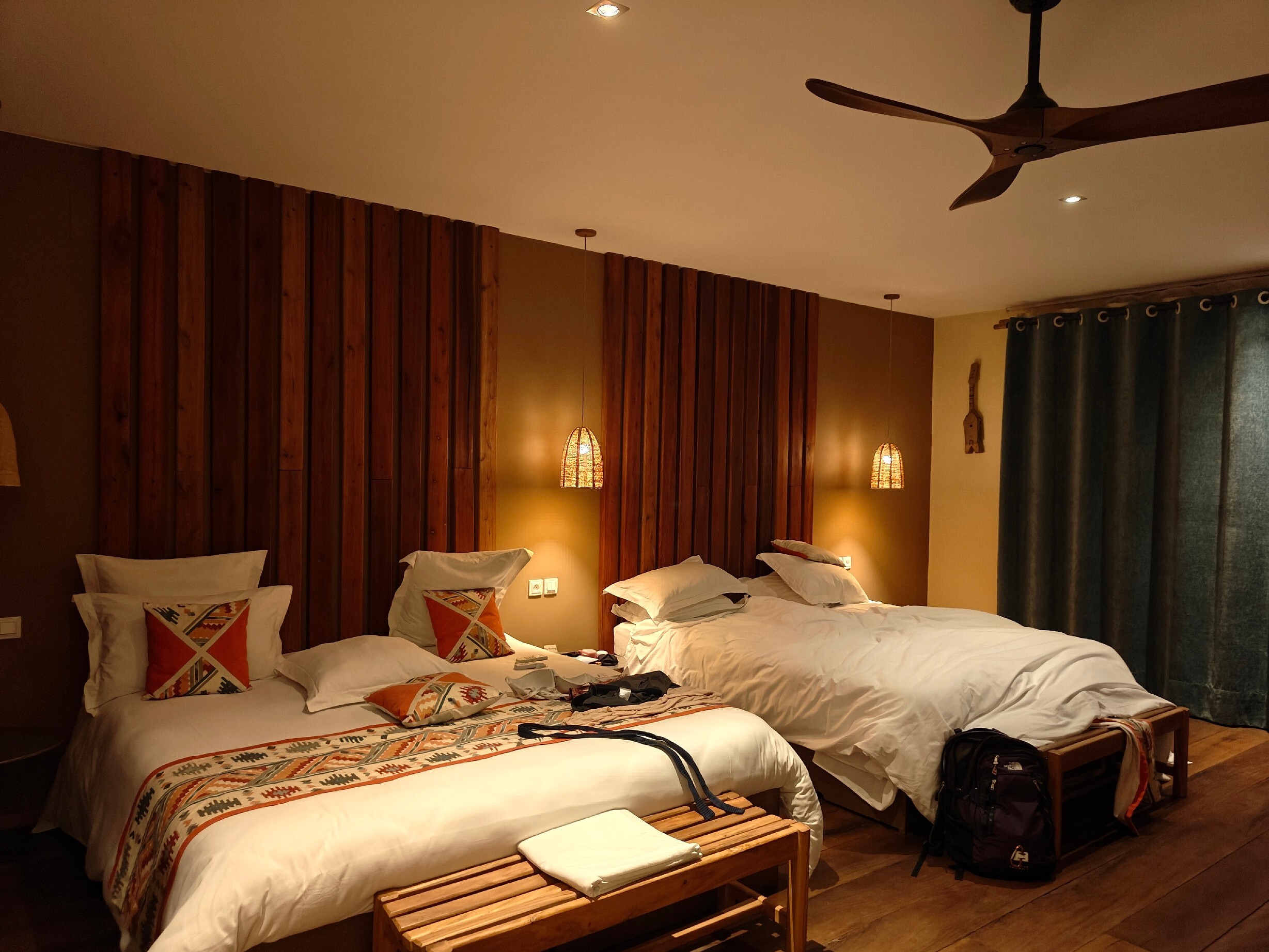
We are settled in a very nice hotel called Nosy Manga and they have given us a huge room with two king beds, a large desk, fridge, kettle, AC and WiFi. It came with bathrobes and slippers as well. All the furniture is all heavy wood and very artistic. You can tell they had an interior designer with an African people theme in mind.
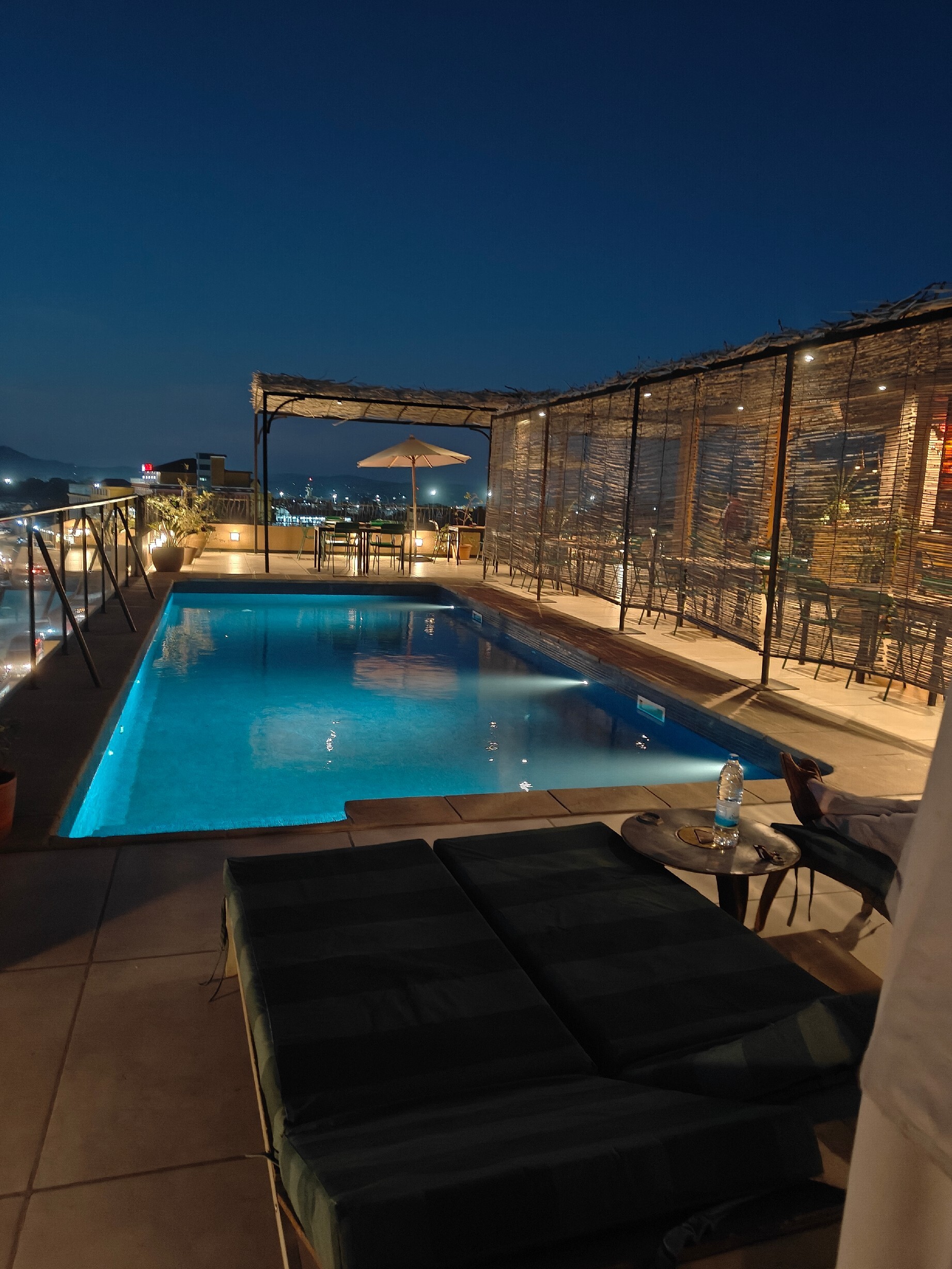
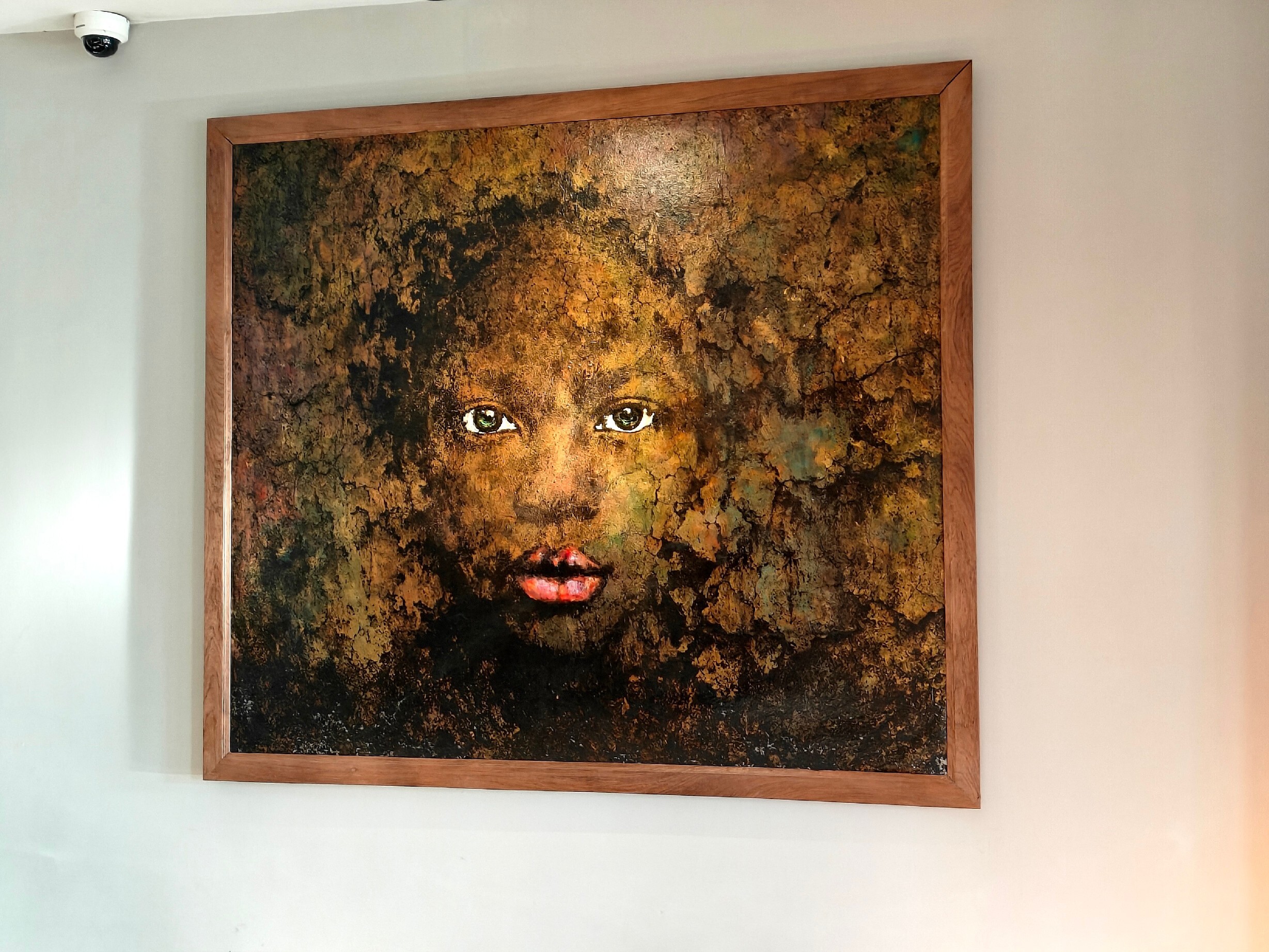 Doug went for a short walk to find drinks and maybe smaller bills. We spent a bit of time online (knowing there may be fewer options and slower internet at hotels going forward) and then went up to the fourth floor rooftop bar, which also has a pool, just catching the end of the sunset. But boy, had the temperature dropped! There was a wind up here so we found a bit of a sheltered spot and had a couple of drinks and ordered pizza for dinner.
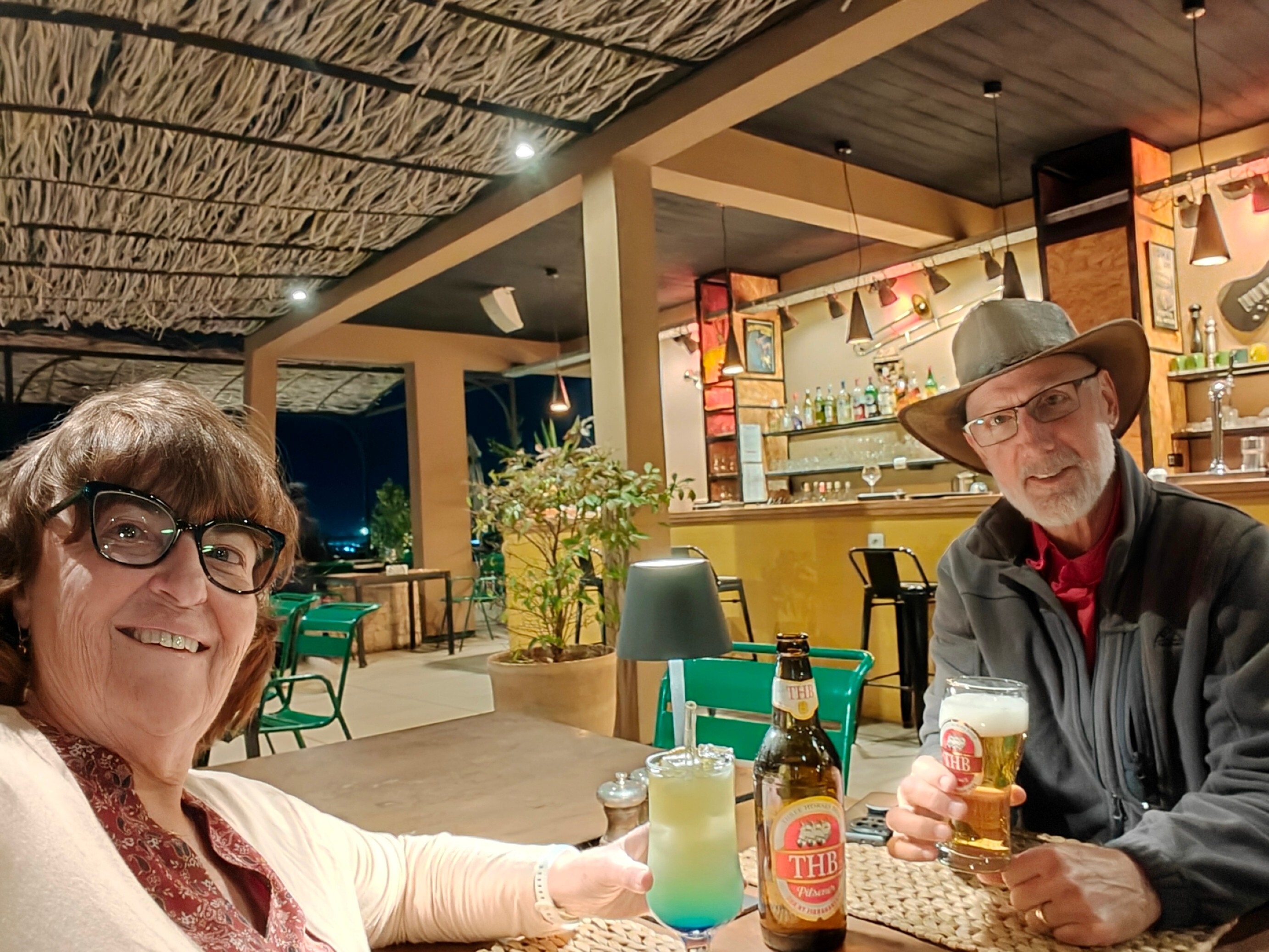
The staff was friendly and Doug really liked the local beer while Fran tried the bar’s signature cocktail, the Nosy Manga which was quite good.
We went back to the room, watched some shows and were sleepy by 8:30 which was 9:30 for us as we’ve dropped back an hour here in Madagascar. Next morning Doug went for a run (an out and back on the main road so as not to get lost and give Fran a bit of piece of mind) and we enjoyed the hotel’s excellent buffet breakfast before taking the shuttle to the domestic terminal for our flight to the city of Morondava on the west coast.
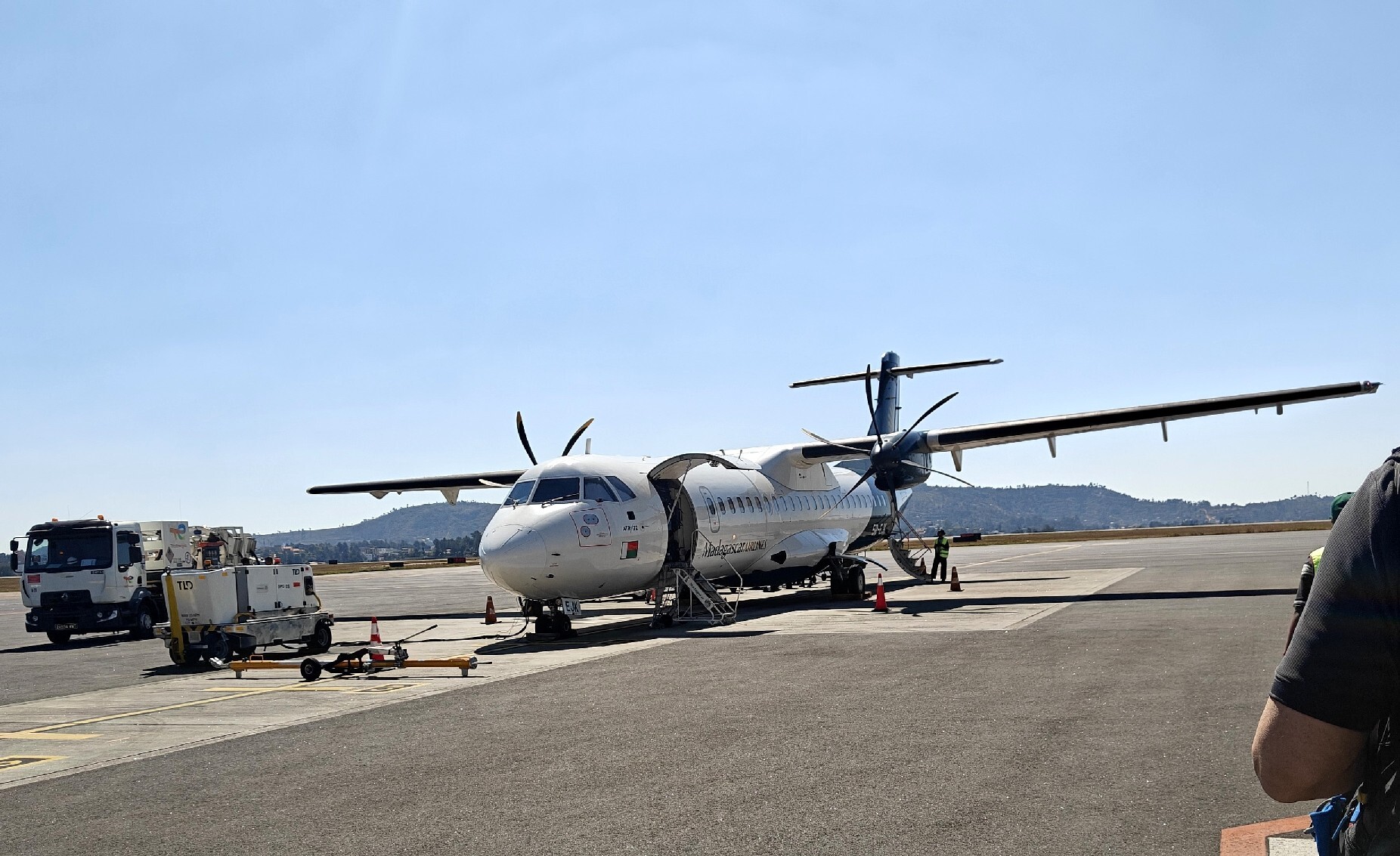
Views from the plane window:
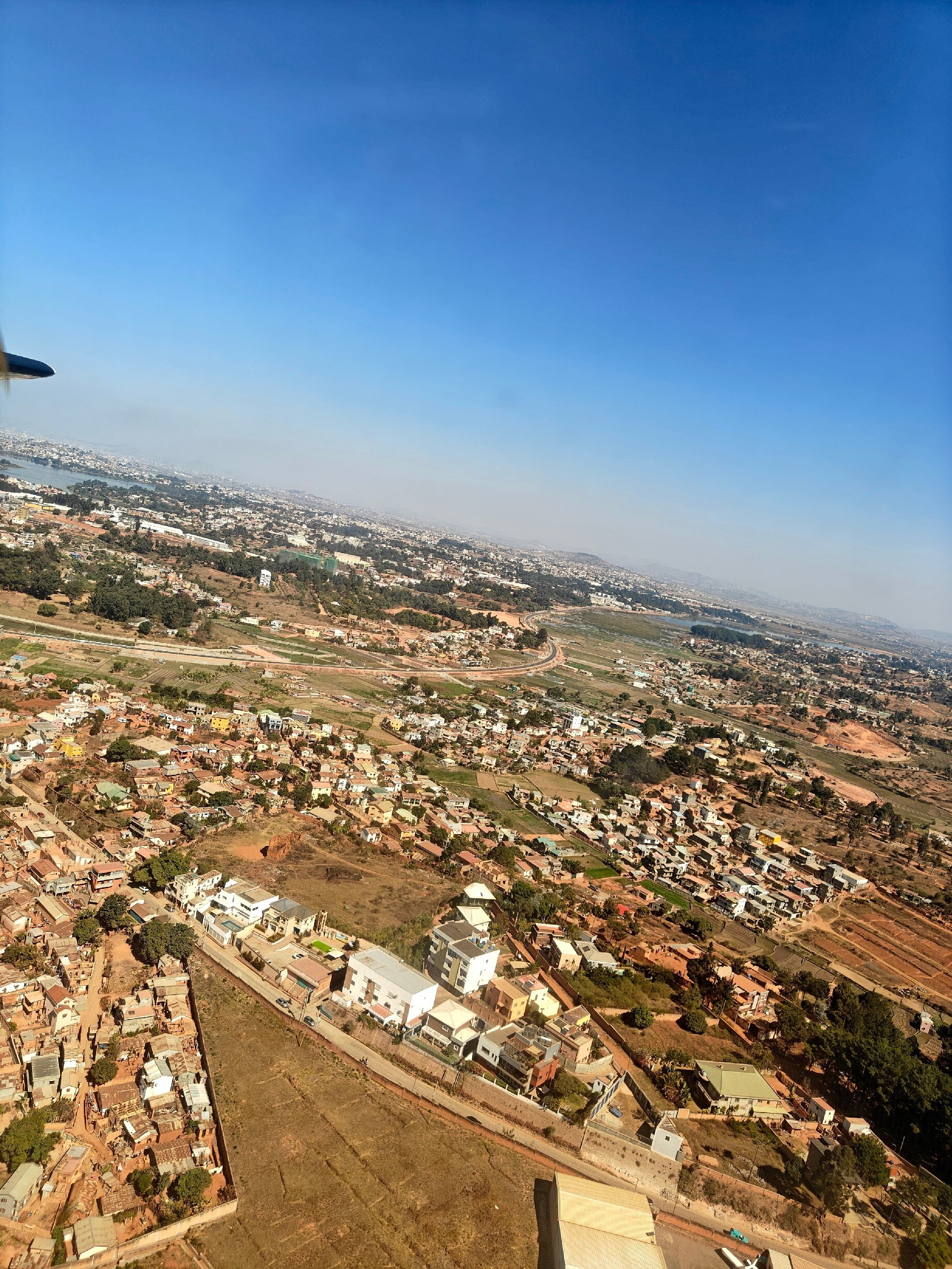

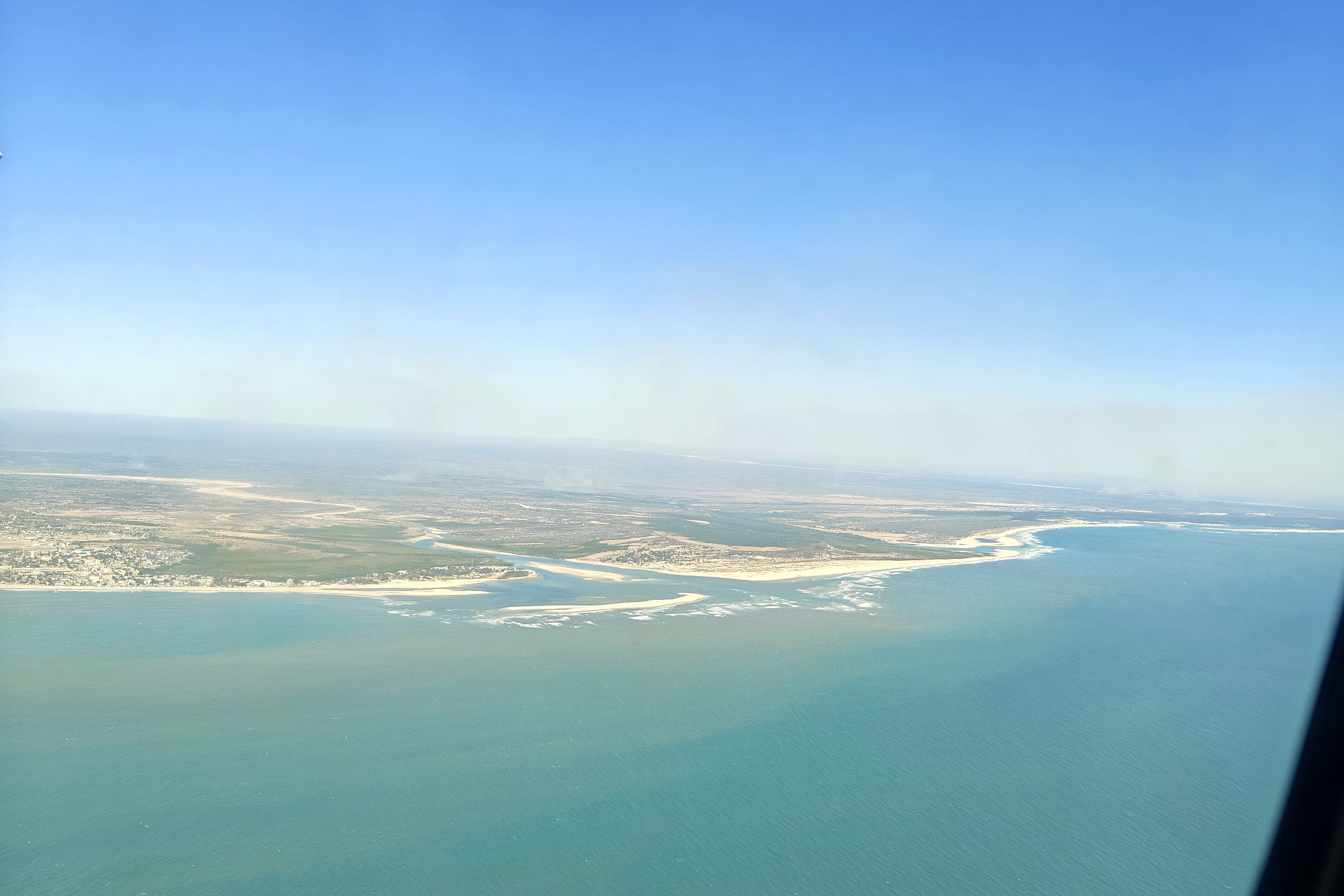
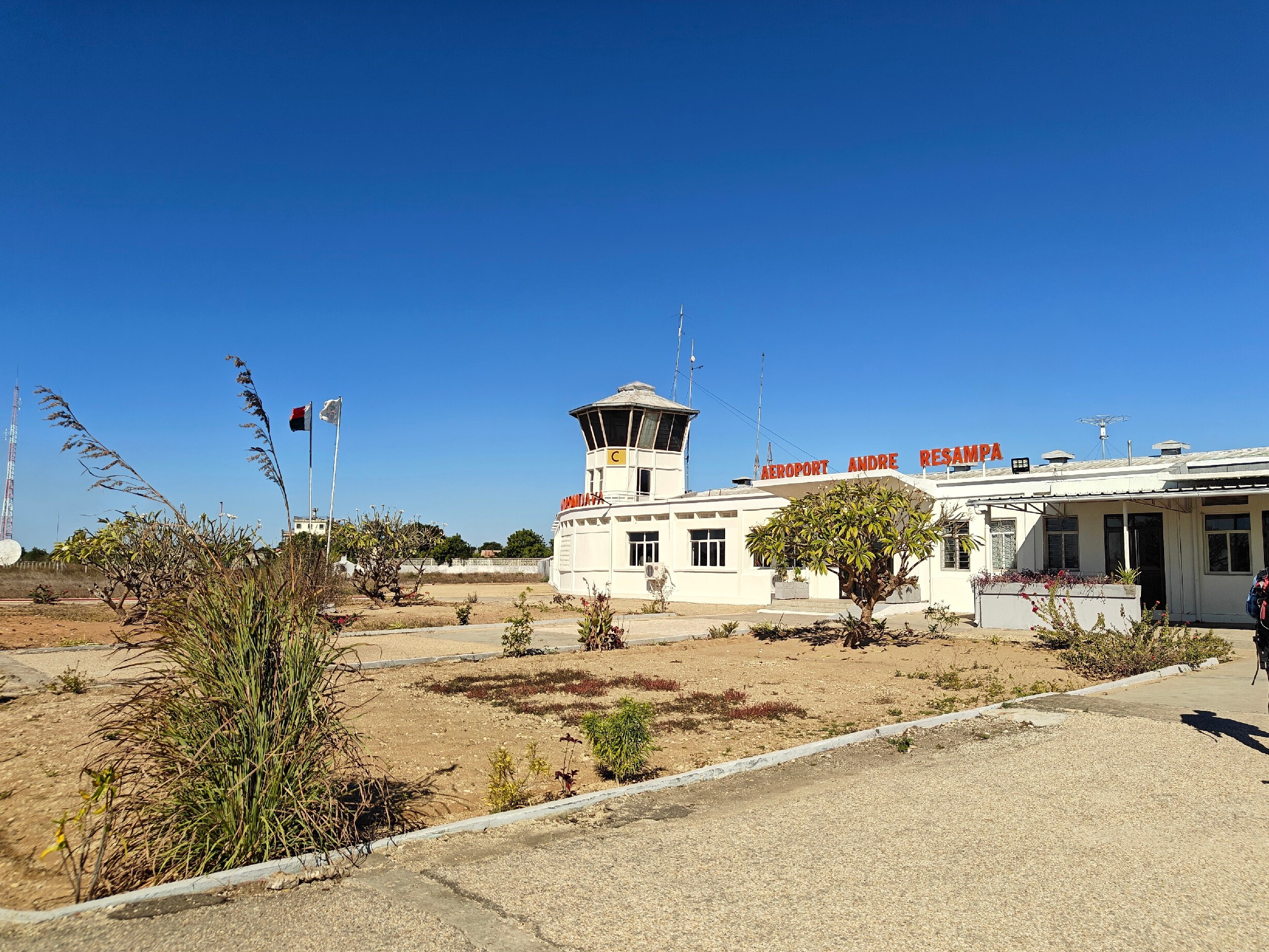
The flight left a bit late but our guide, a young man named Haja, and a driver, Eric, were there waiting for us after we got our luggage off the single belt that this airport has. The poor luggage guy has to haul the bags out of the plane, load them on a cart which he pushes to the terminal and then unloads it. The airport in Morondava:
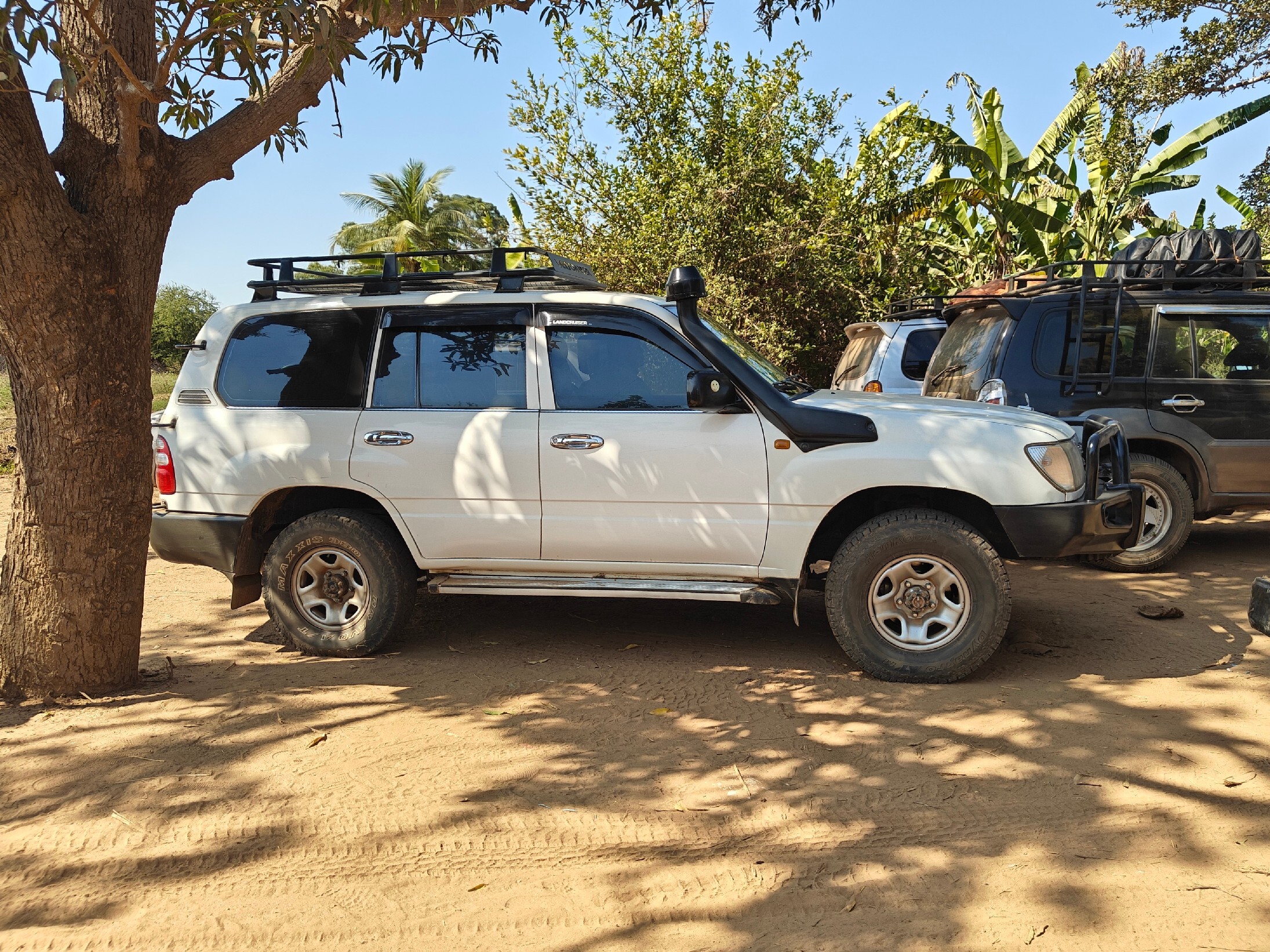
The vehicle that was used for this part of the trip was a Toyota Land Cruiser:
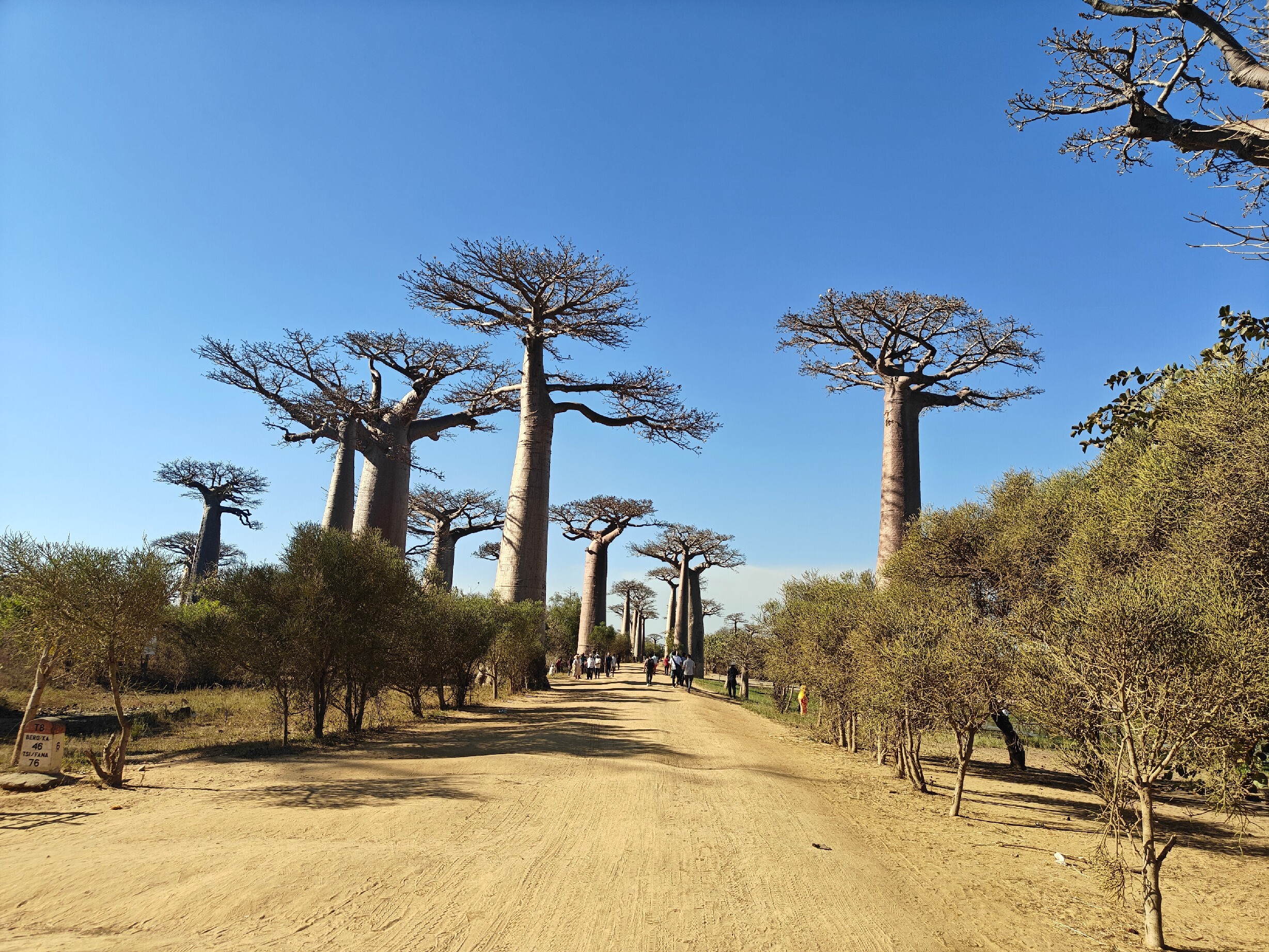
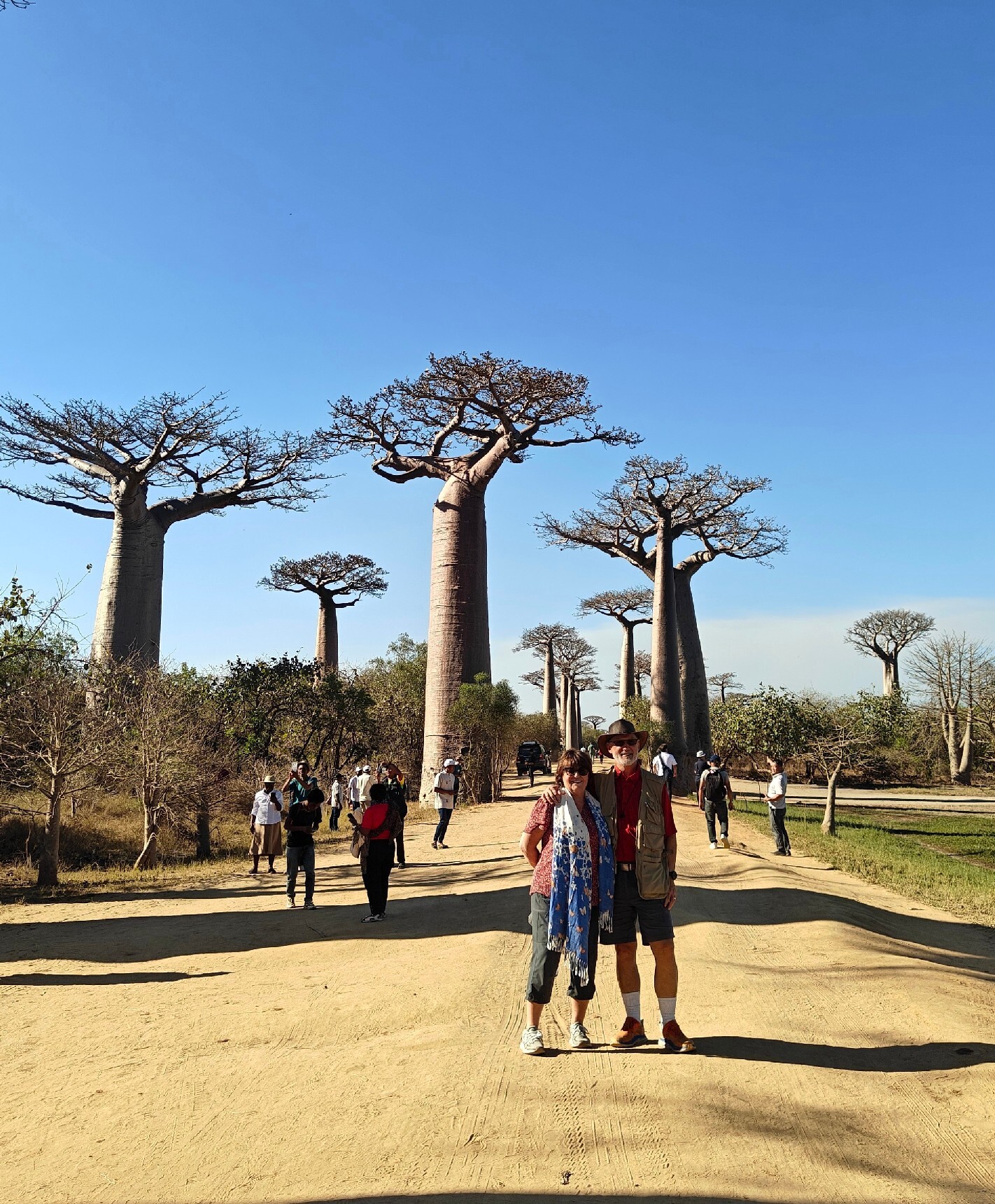
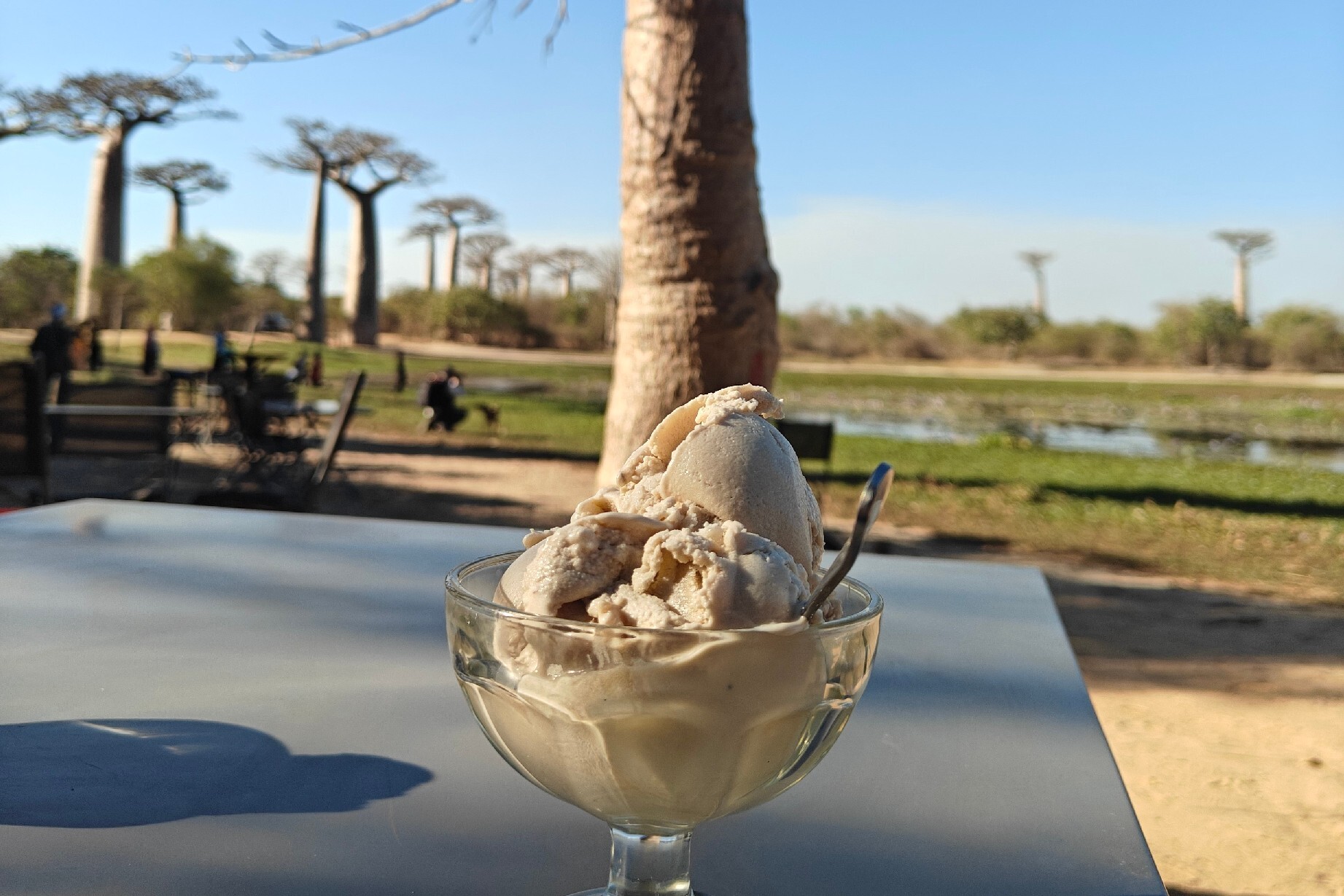
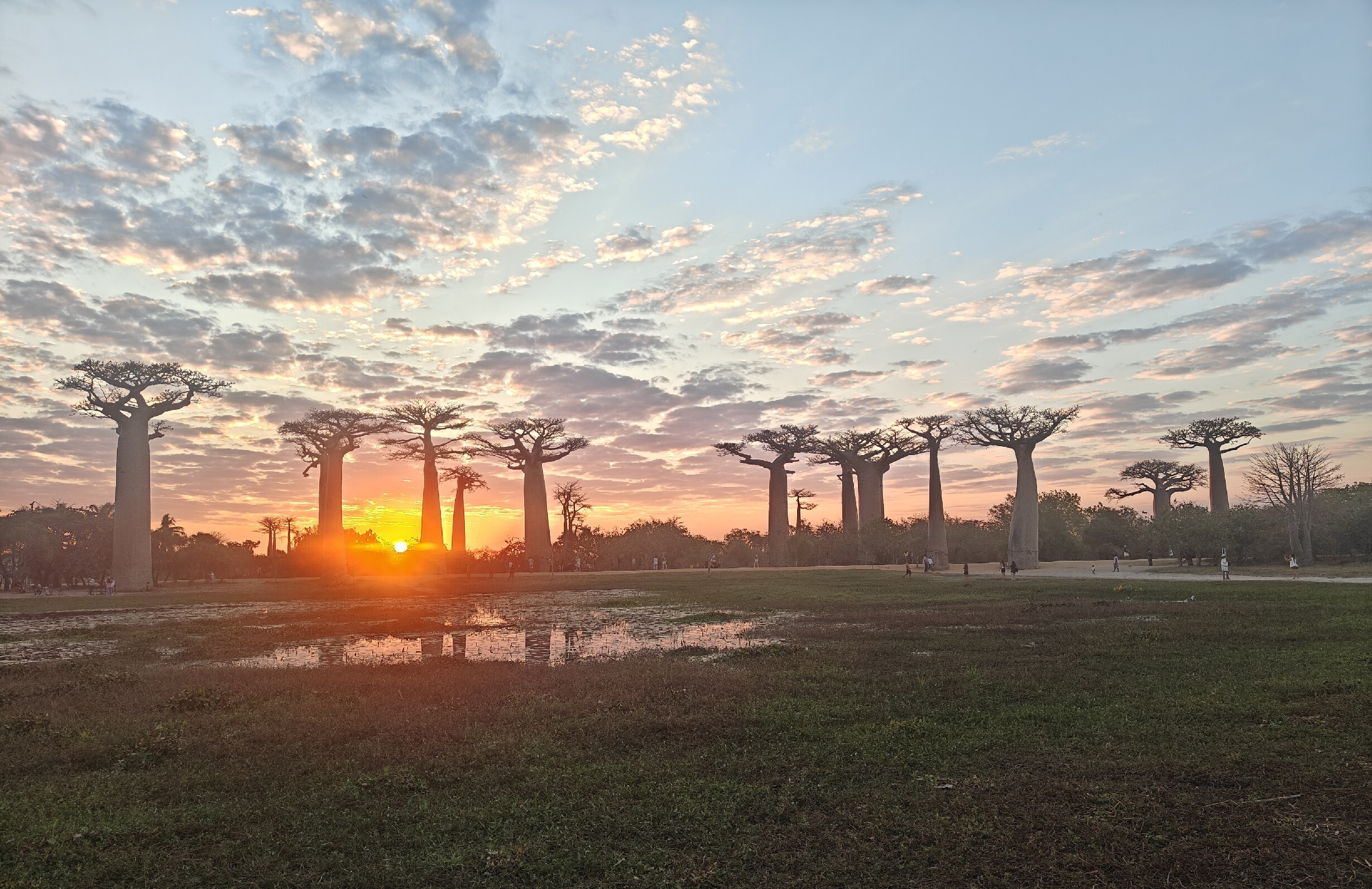
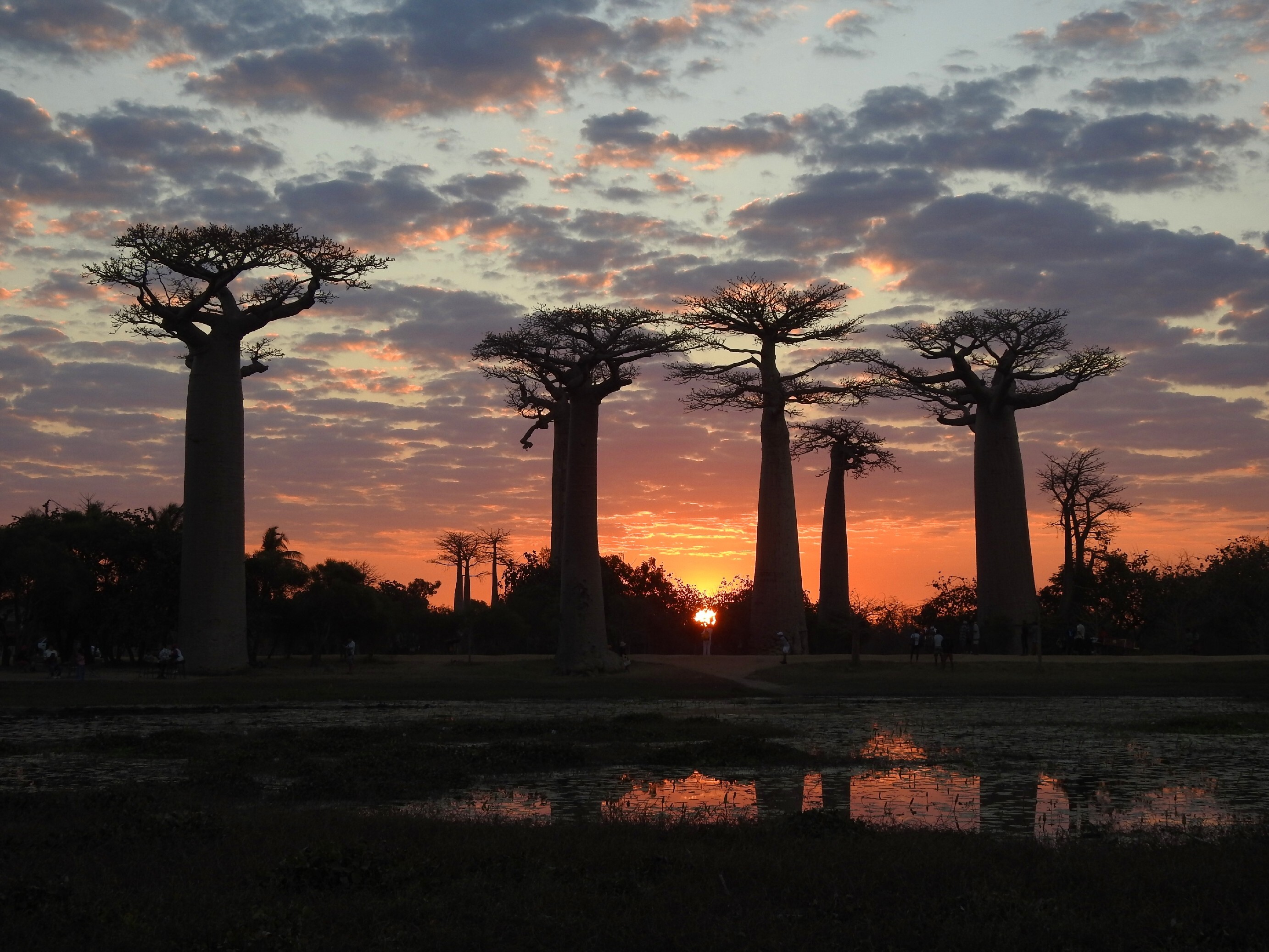
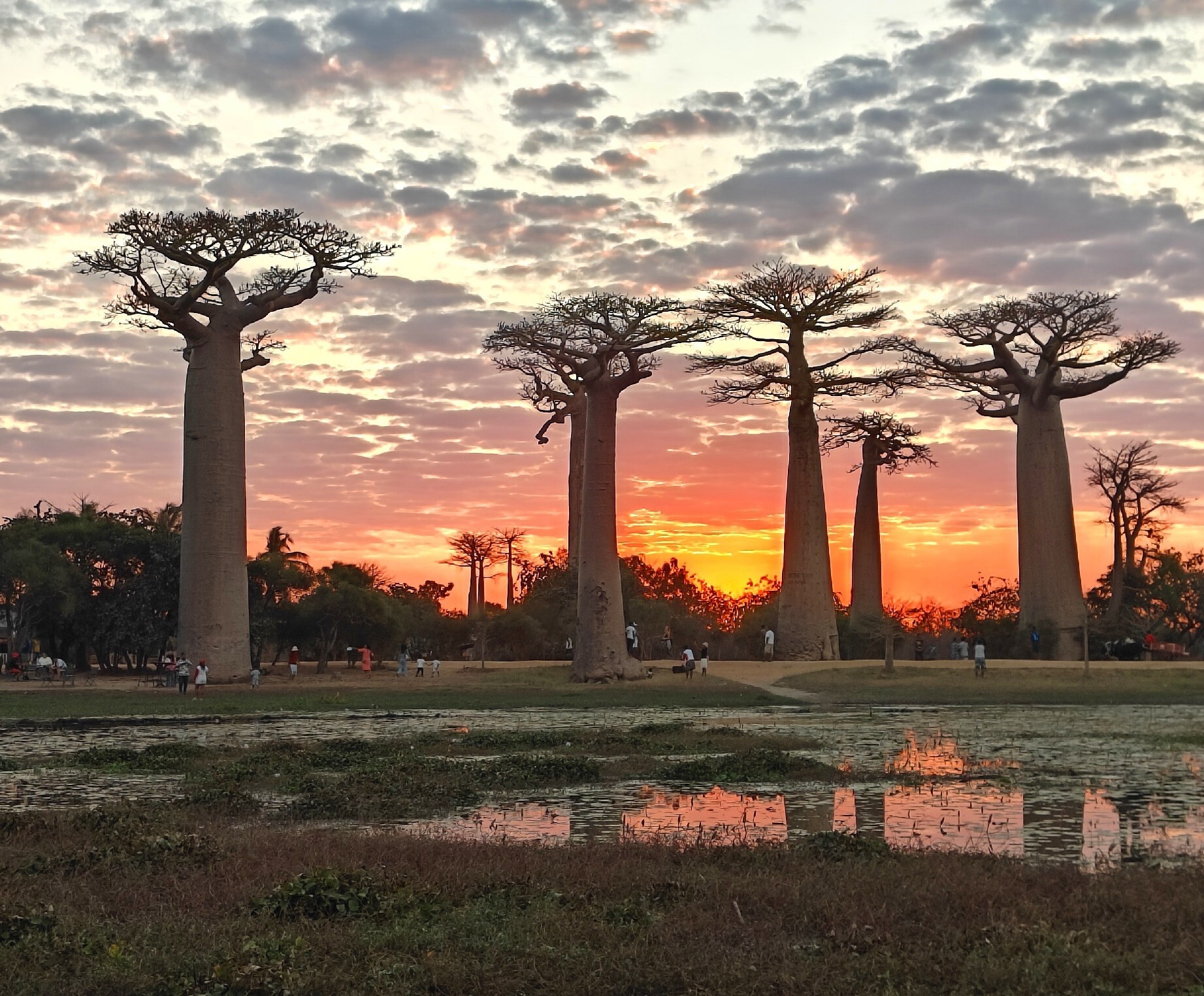
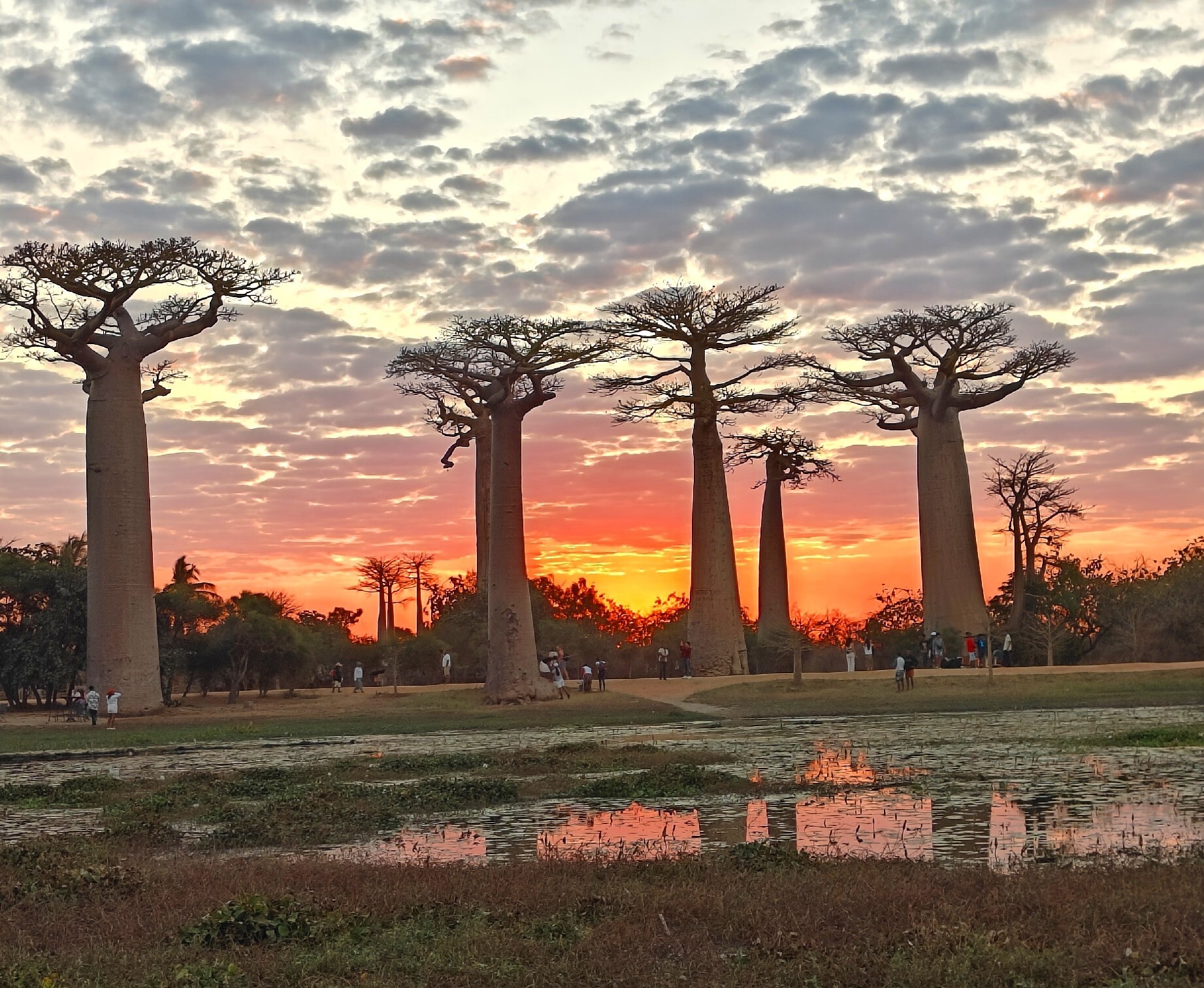
 Haja welcomed us and we drove out of the city northbound with a first short stop at the famous Avenue of Baobabs – it was spectacular and we hung around for about 40 minutes, taking photos and enjoyed a snack of fish samosas and baobab ice cream. (We will return here on the way back from our drive up north so we didn’t take lots of photos.)
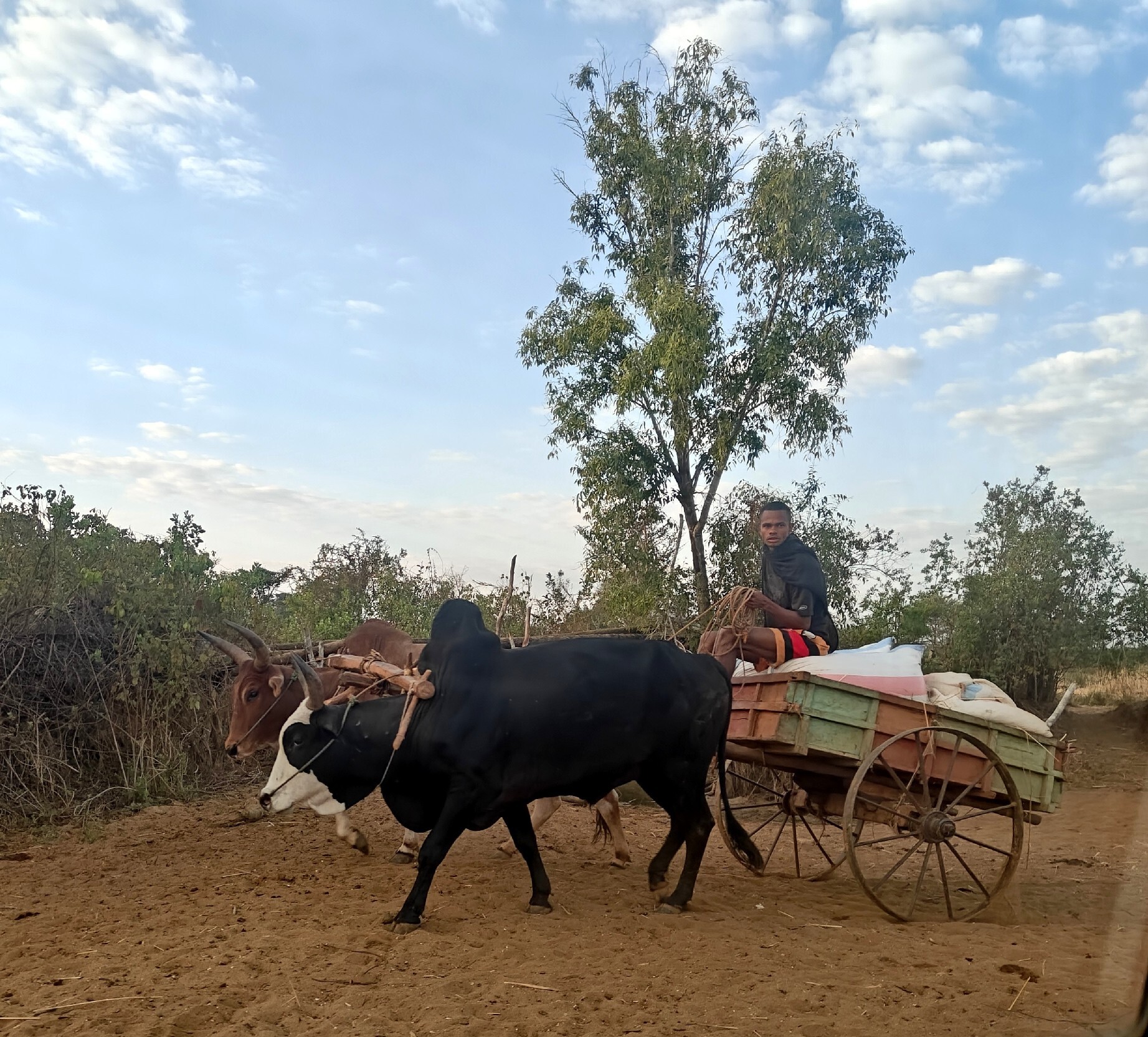
We saw our first zebu pulling a cart when we left the Avenue. The zebu originated from a genetic mix of Indian zebu and African cattle, arriving in Madagascar around the 8th to 12th century through early maritime trade and migration.
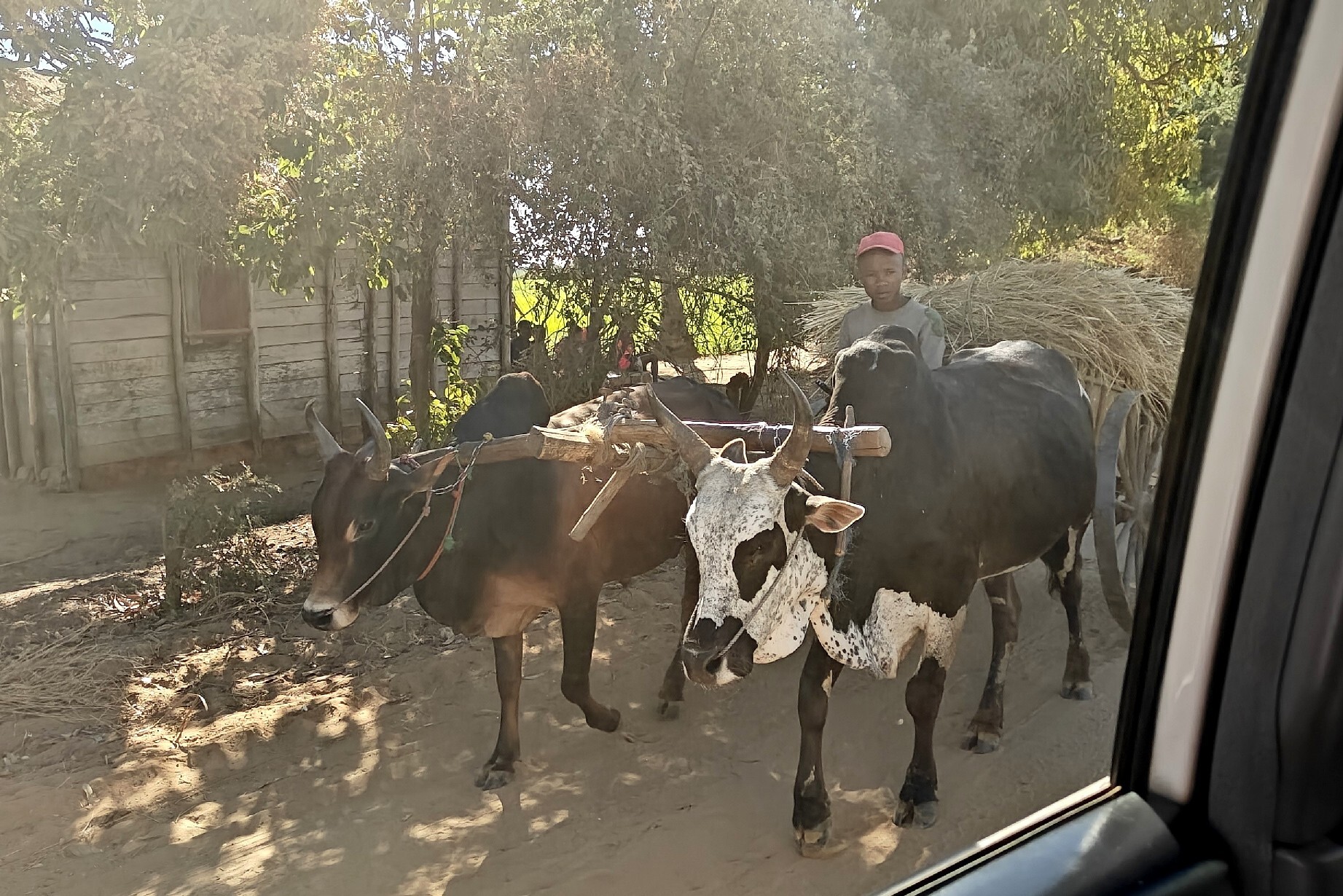
The Zebu is an iconic humped cattle species that serves as the ultimate cultural, economic, and agricultural backbone of Madagascar. Arriving on the island during the first millennium AD from South Asia via Africa, zebus now number in the millions—out-numbering the human population in many rural regions. Zebus are used to tread down the fields before the rice is planted out. When the ground is well and truly waterlogged, the farmers walk up and down the fields with one or two zebus to soften and prepare the soil for planting out the young rice seedlings. In a poor country where few people have motorized vehicles the zebu often replaces the car. Hitched to a little cart and in exchange for a bit of grass, they carry the locals across the winding tracks in the bush, so need for petrol. A family’s social status and prosperity are measured directly by the size of their zebu herd.
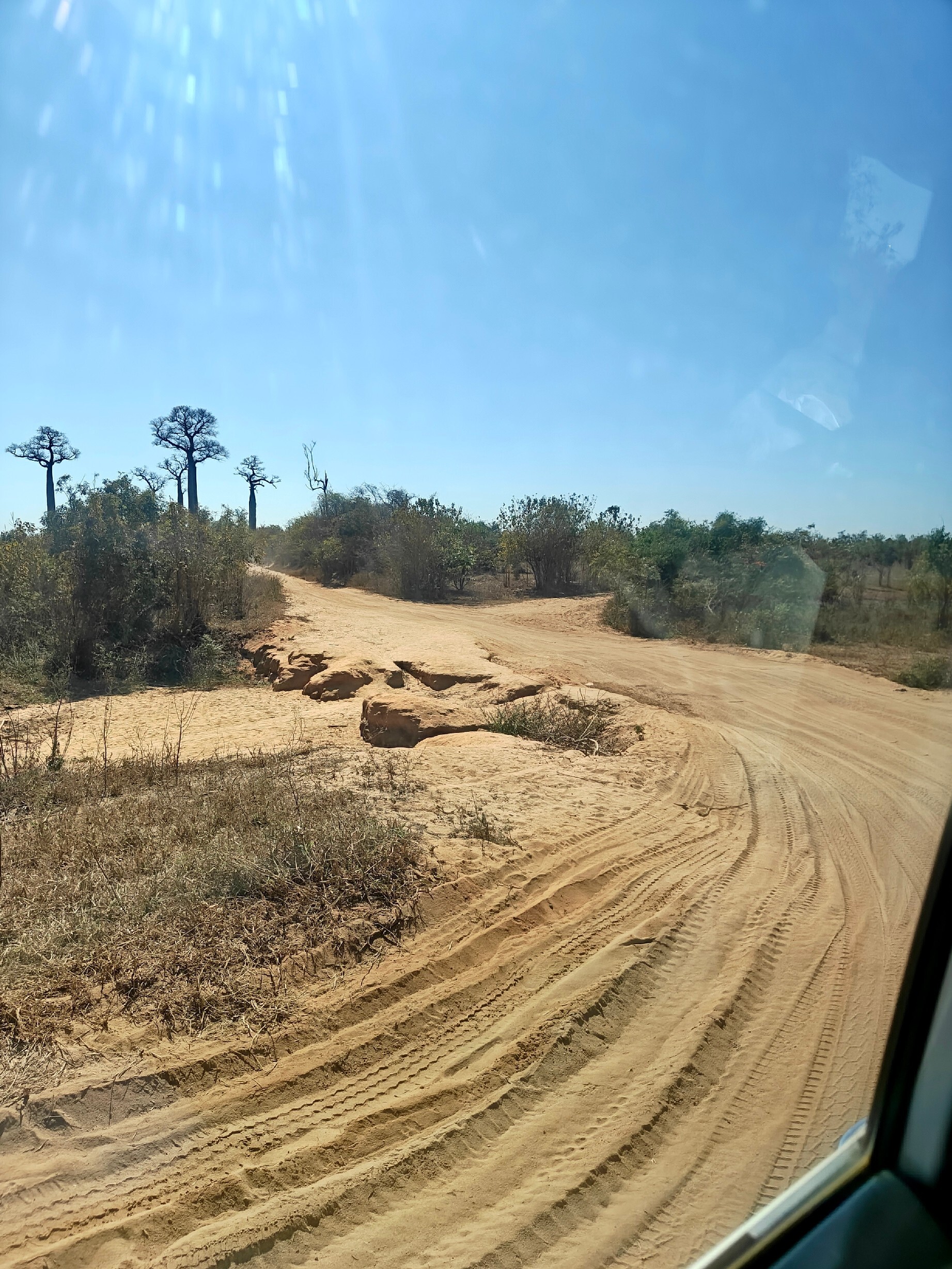
We then continued northward to Kirindy Forest National Park. This took a couple of hours and we began to see the state of the roads on this western side of the country – all dirt, not well maintained and as Haja, said – you get a free road massage! There could be long stretches with pot holes, ruts and sometimes just sand. The roads are impassable in rainy season (summer).
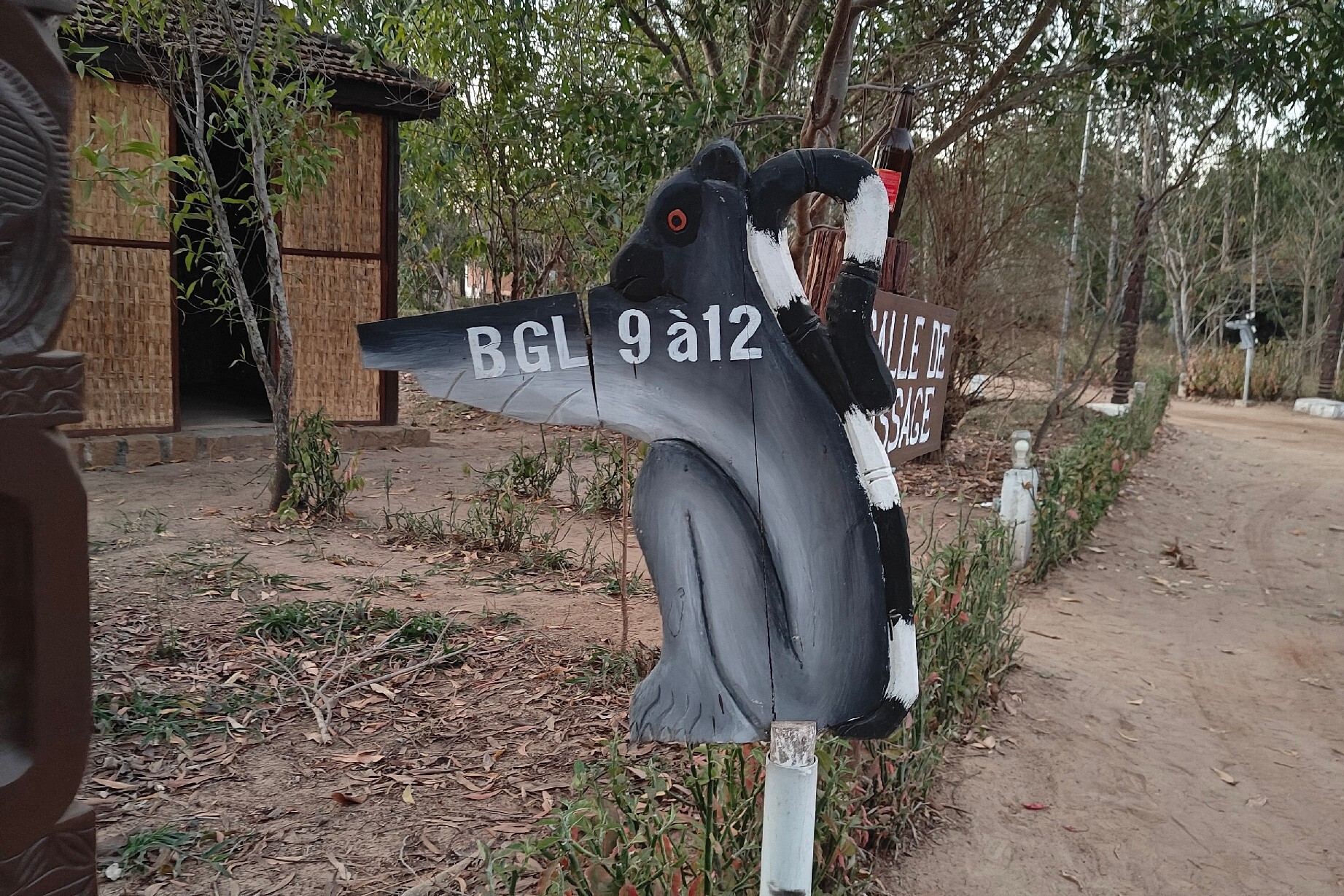
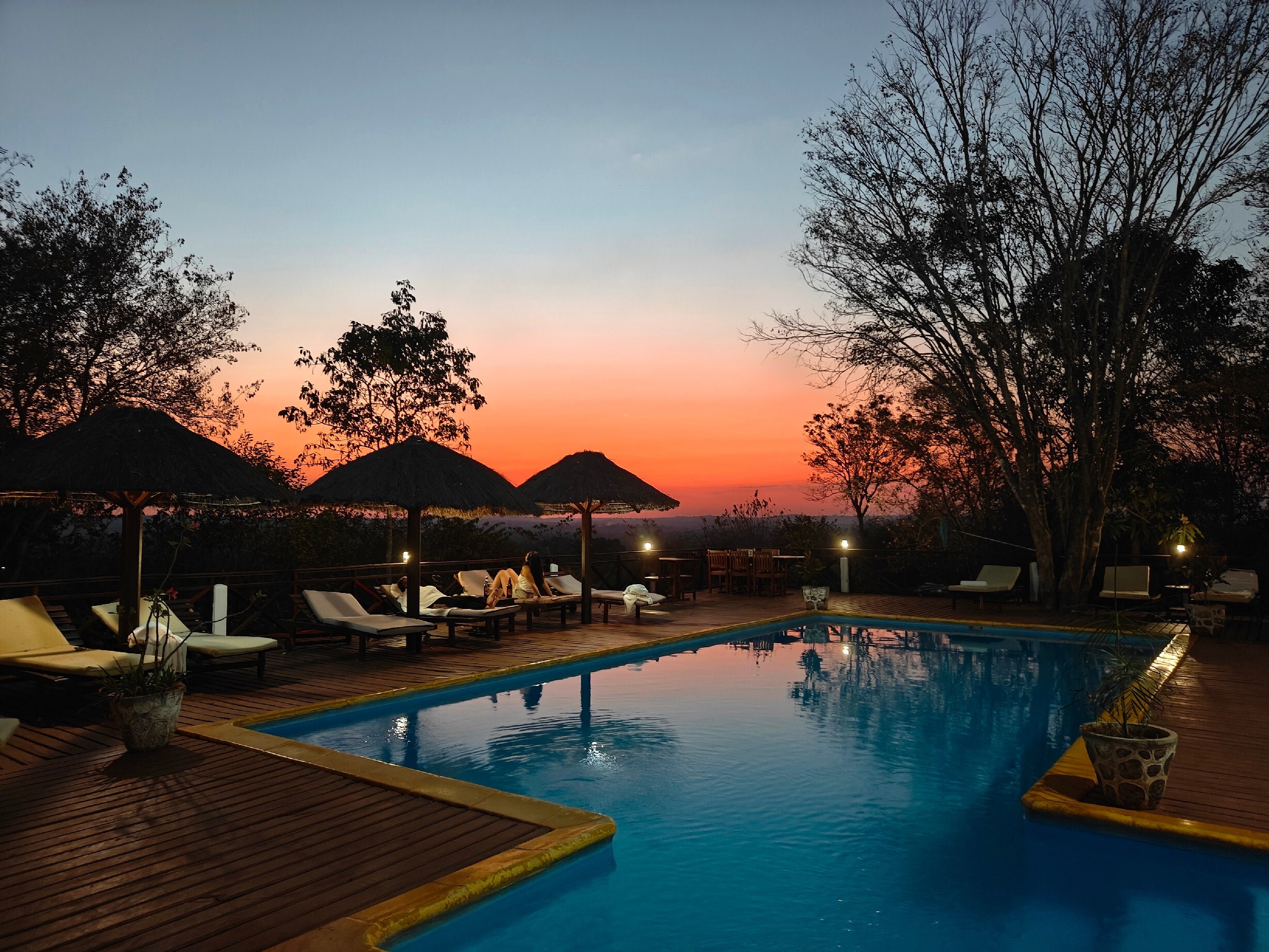
We checked into the lodge, were given Bungalow 10, ordered our dinner, caught the end of the sunset at the pool and then at 6 pm we were taken into the forest for a night walk.

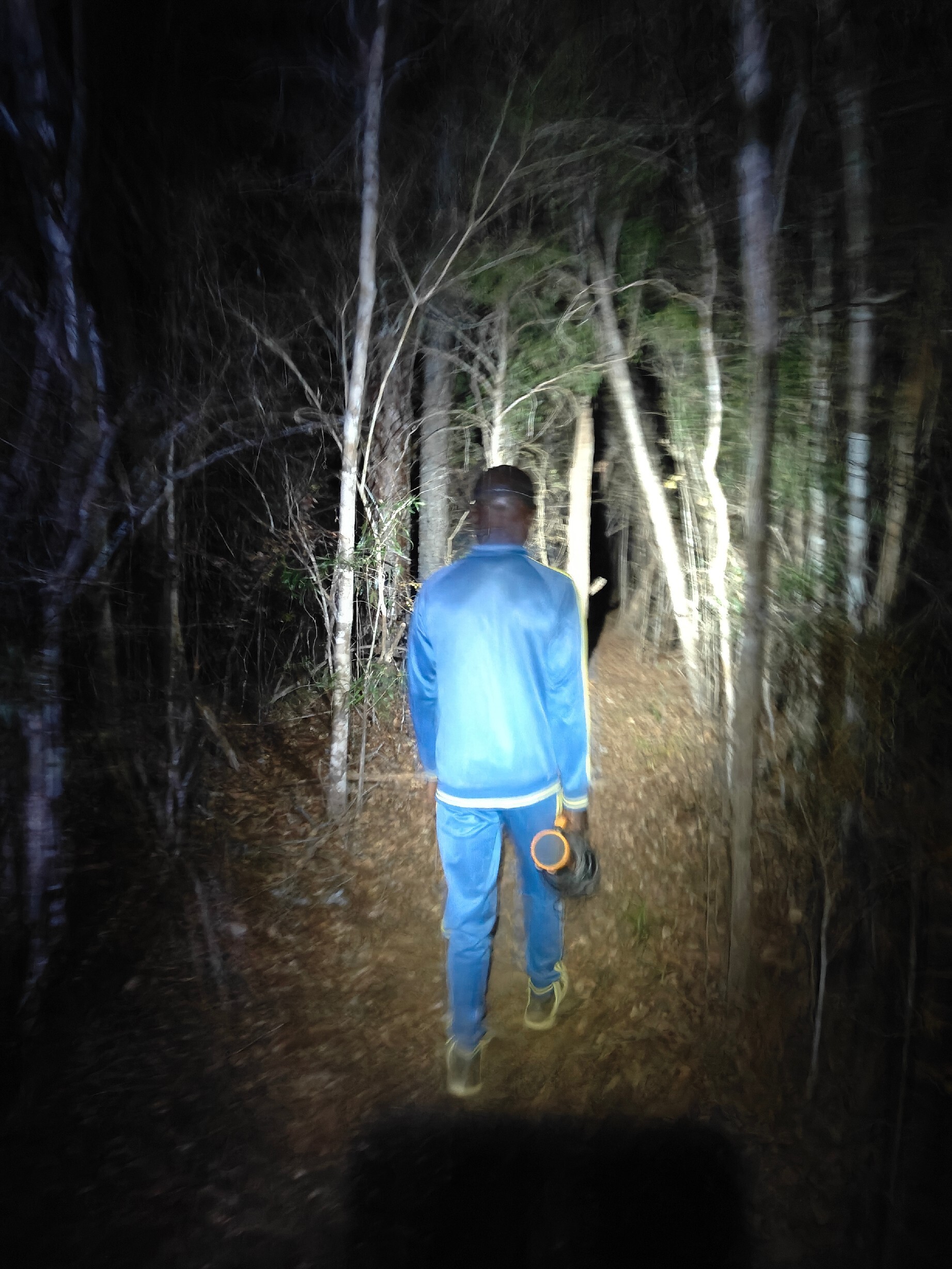
The parks here require that you use a local guide within them, and Piero took us on a walk through the forest. We all wore headlamps and he had bright torch.
We were told we could see possibly four types of lemurs and maybe a fossa. We lucked out on the first but not on the second.
The fossa is the largest predatory animal on the island and is a dog/cat like creature. Here is a photo of a picture from the bar at the lodge:
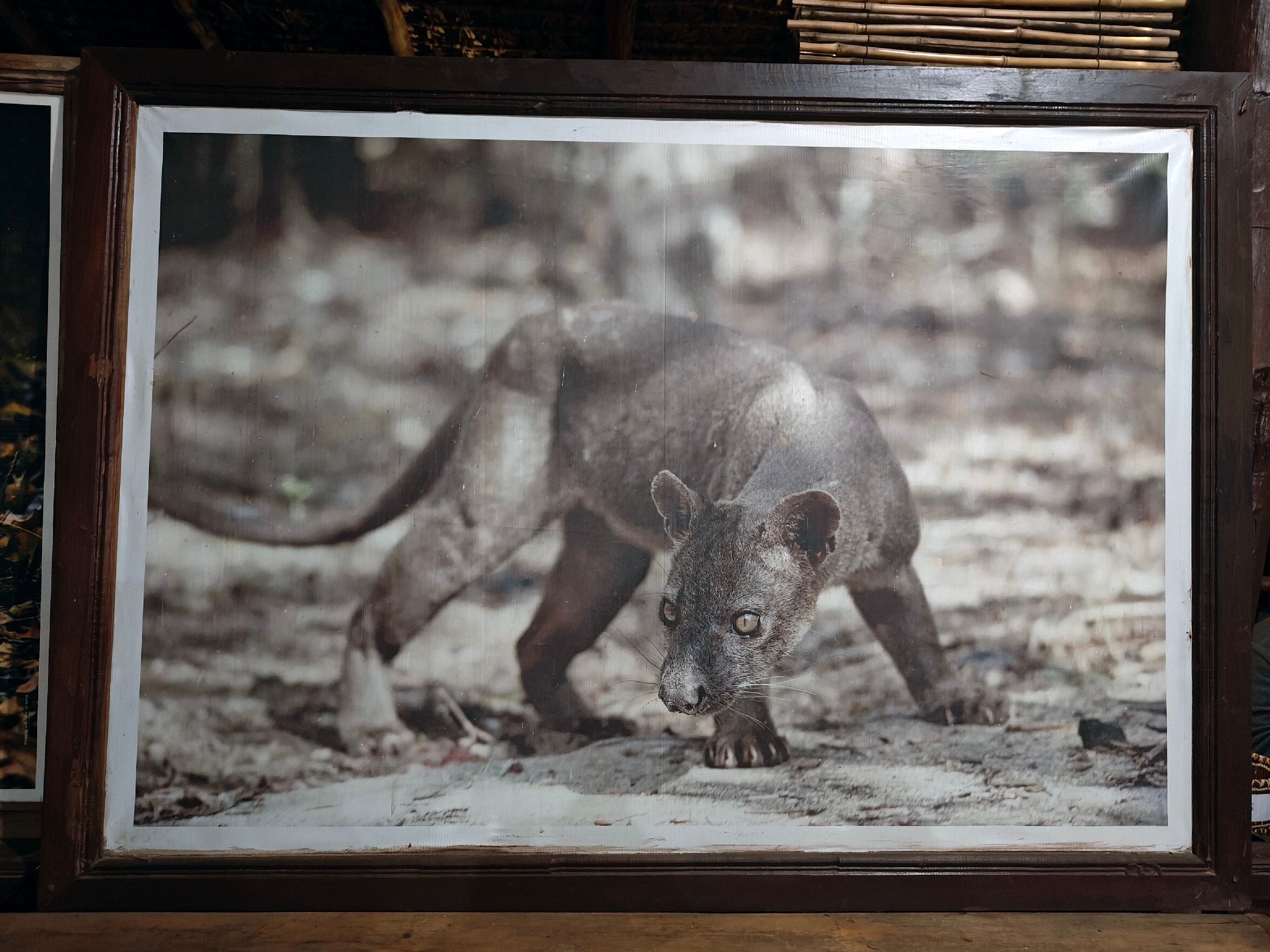 We saw one of these in the Sydney zoo a couple of years ago, so we figured at least we’d seen a live one somewhere!
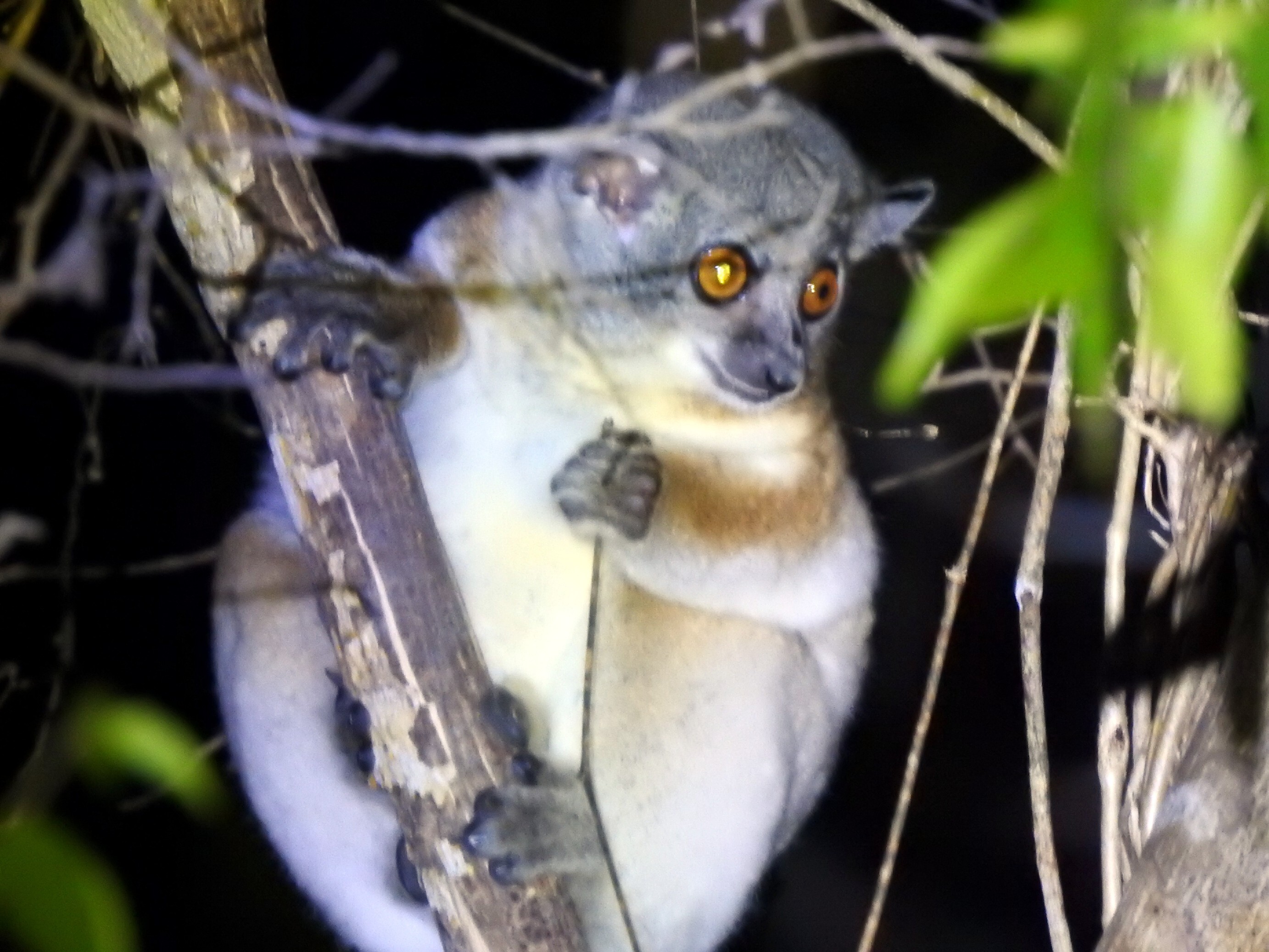
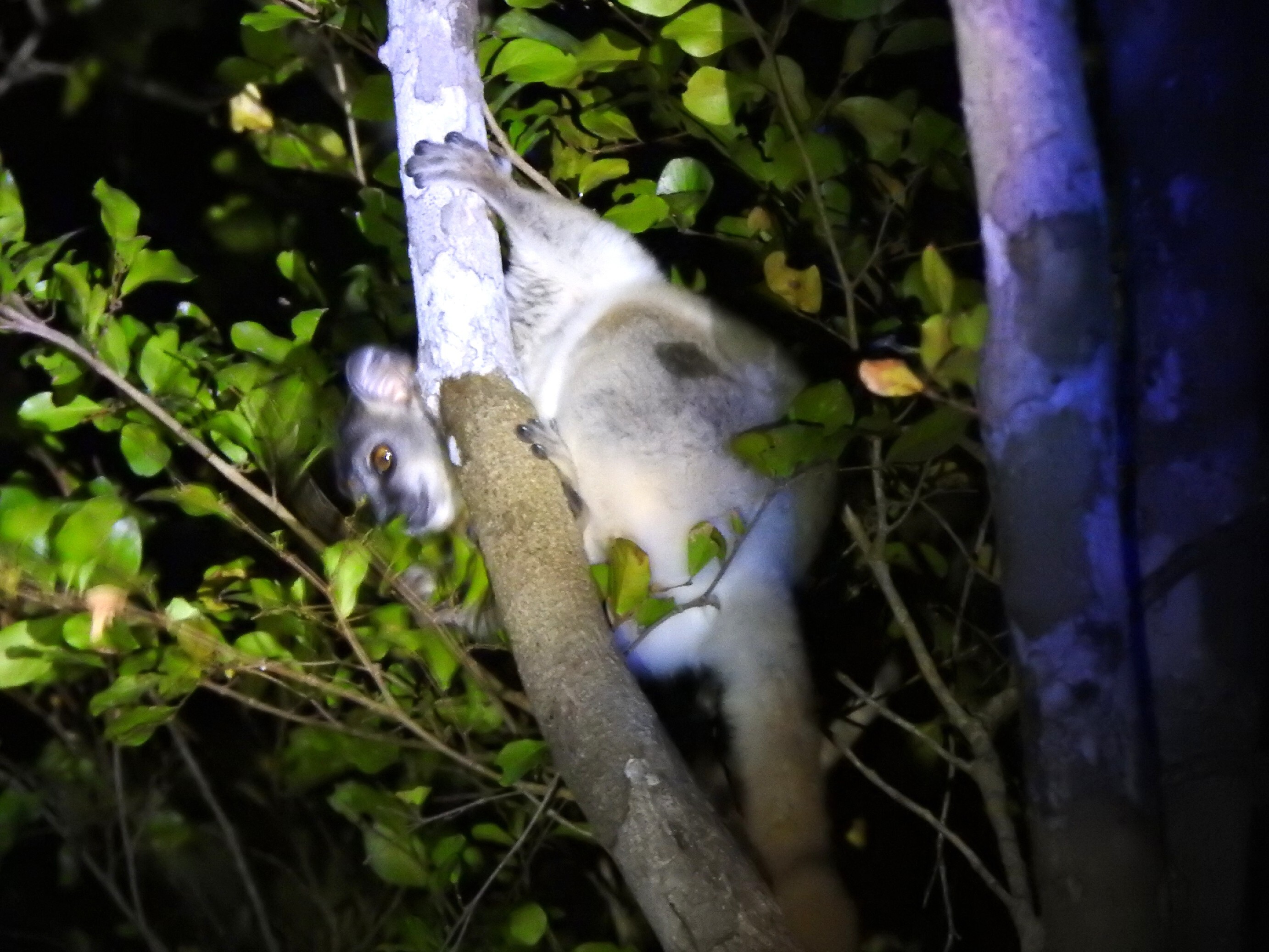
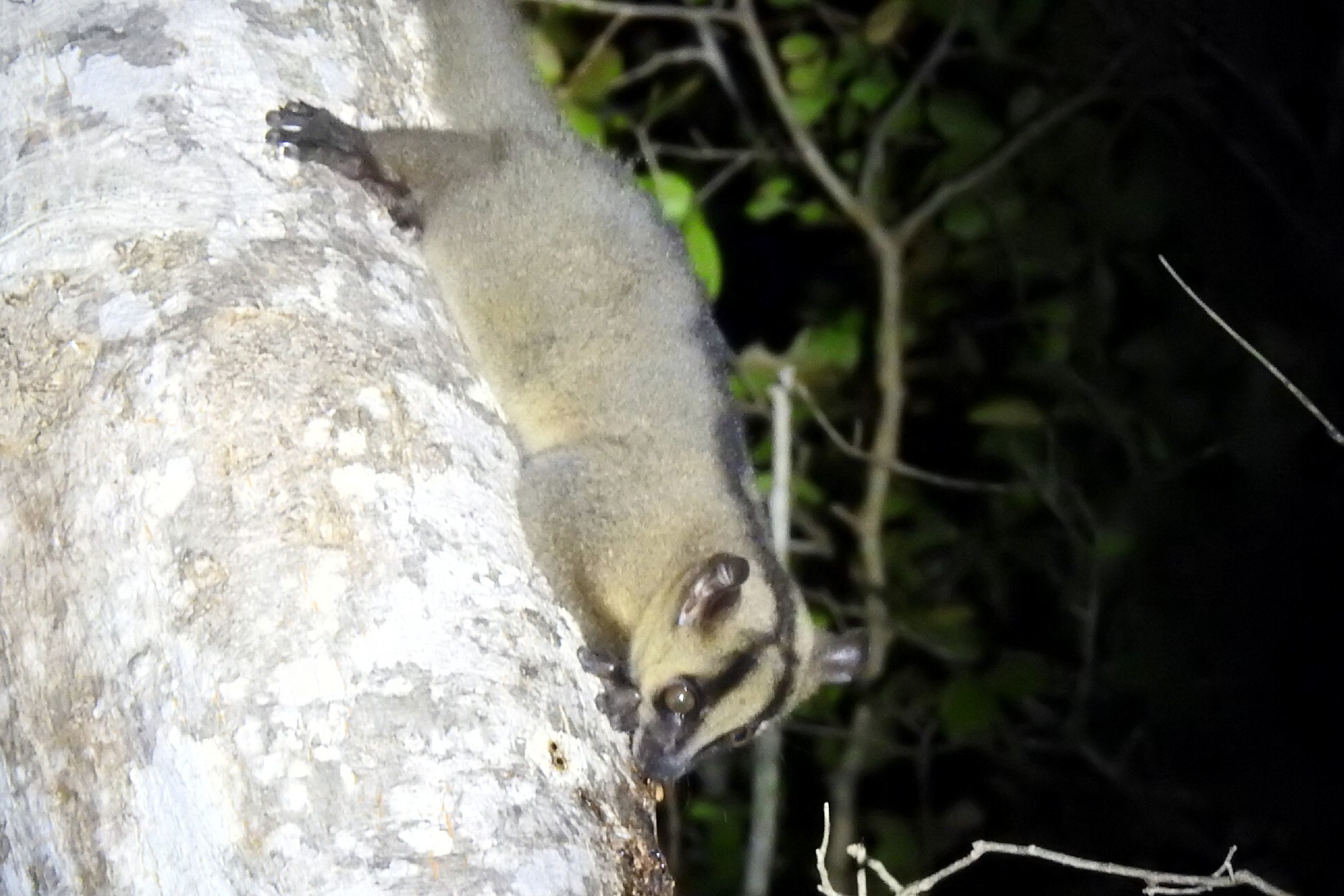
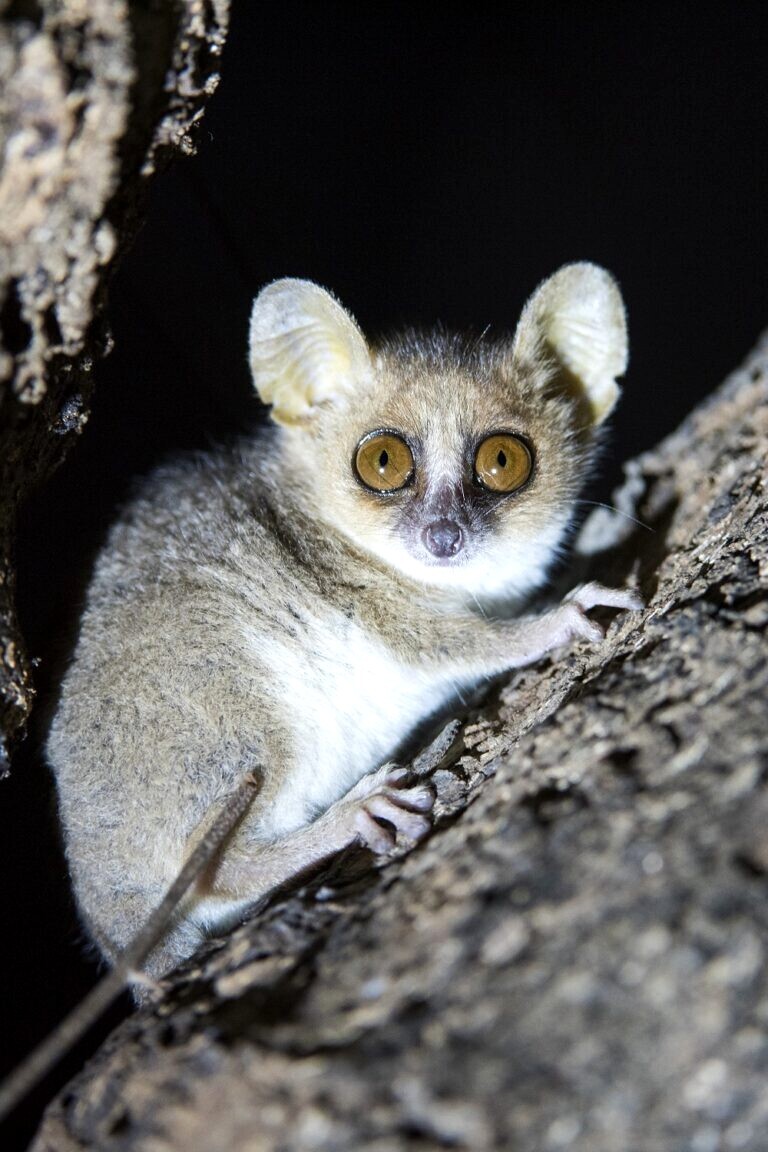
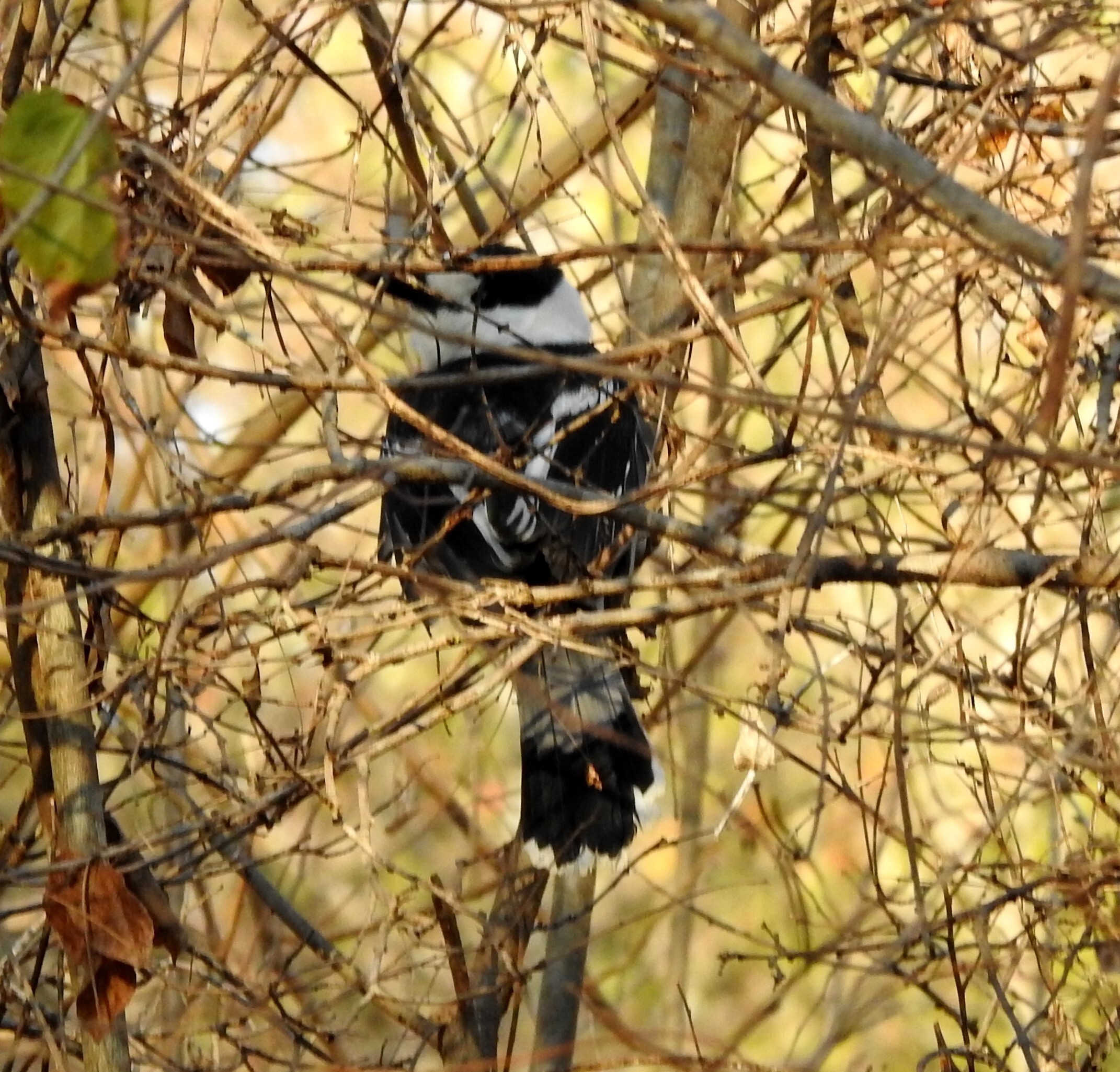
We got photos of the fork marked lemur and sportive lemur but the woolly lemur ignored us and the grey mouse lemur would only poke its head out for a few seconds so no pics.
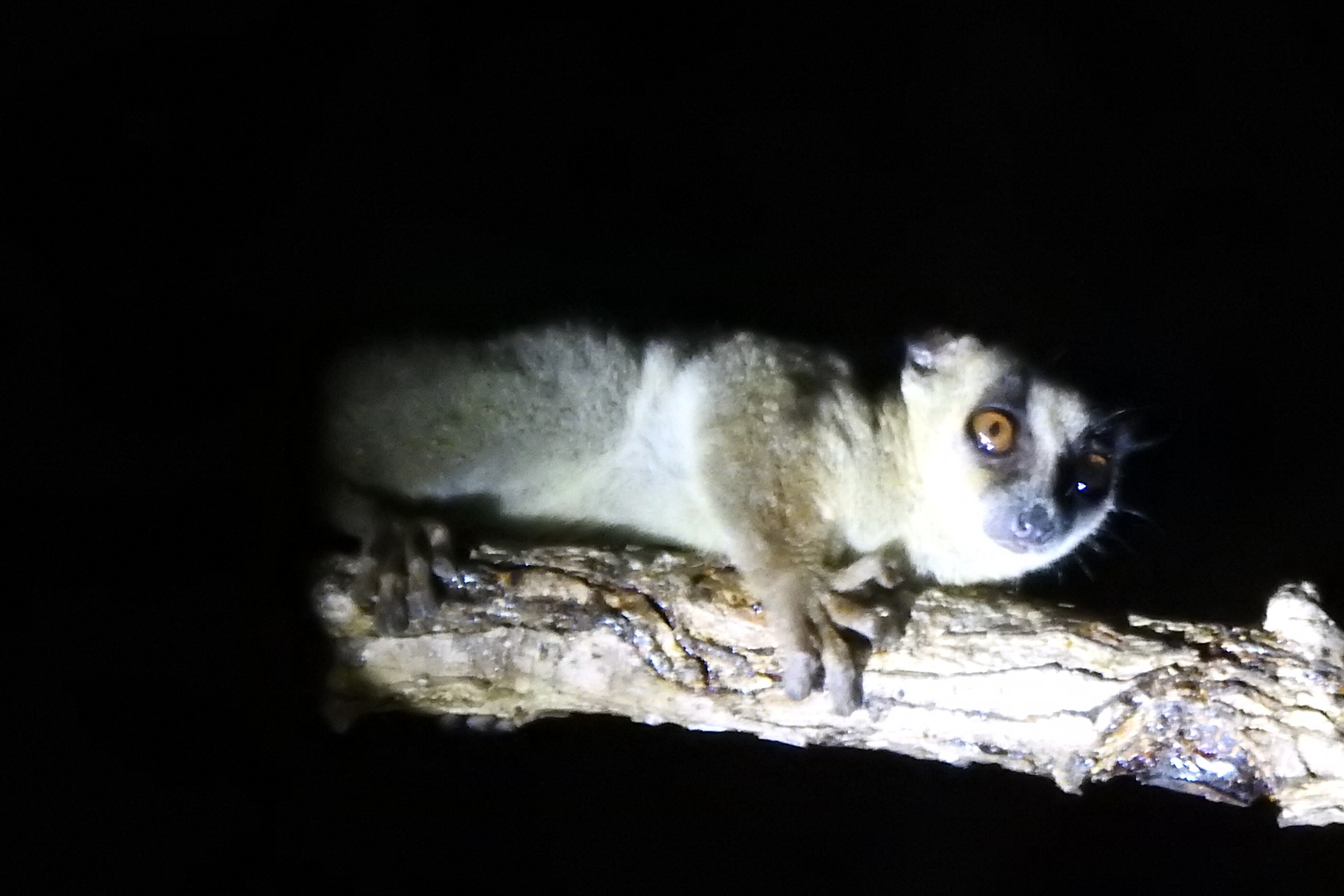
This is a photo from online of the grey mouse lemur:
We can’t recall the name of this little guy in the video:
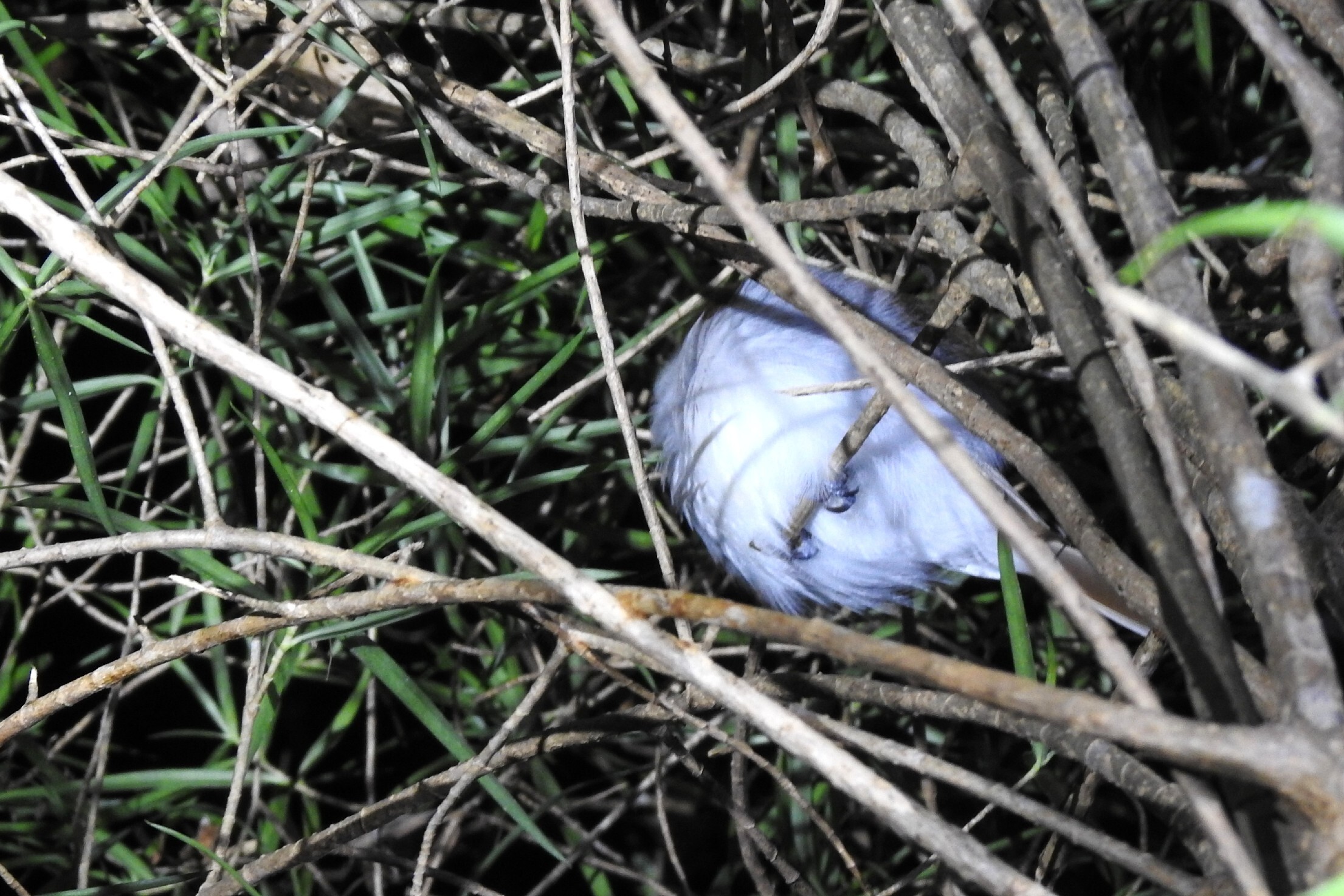
We also saw a sleeping vanga bird:
 We were taken back to the hotel where we had dinner and went to our room. We were both quite tired but managed to make it to about 9:30 before crashing. There is no power here at Les relais du Kirindy Lodge but there is solar and a gennie runs from 6 – midnight and from 5-7 in the morning. We managed to get our phones charged up before bed. The WiFi is only available in the restaurant/bar.
Our cabin came with a king bed with a mosquito net and a single bed, a bench and a bathroom. There is a small patio out front and no AC but there was a fan which obviously only works until midnight. Fran was concerned she’d get too hot but the temperature really drops here at night and halfway through the night she had to pull up the comforter.
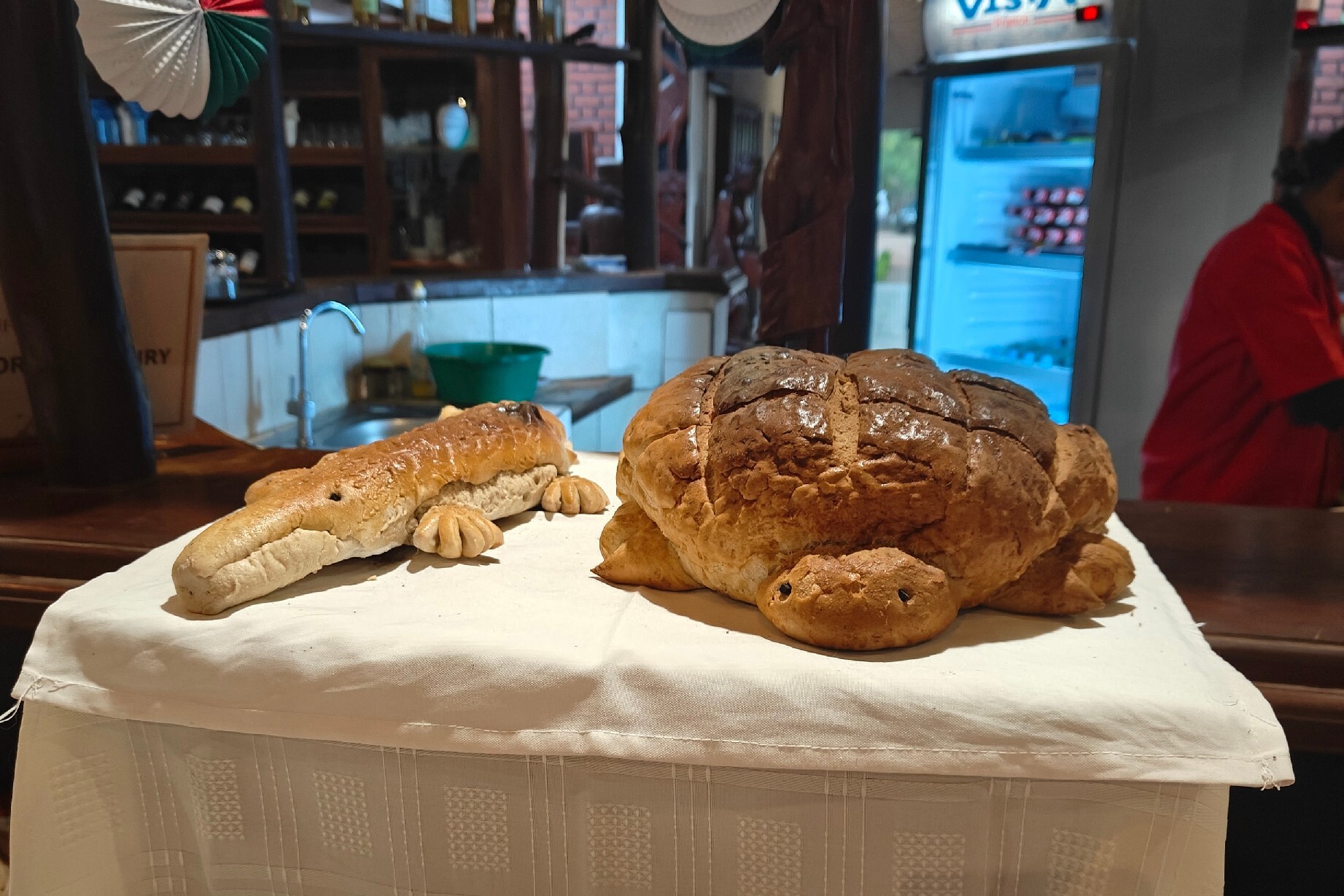
Dinner the night before was very good as was the breakfast buffet on Tuesday. Doug paid our dinner bill that night so there wouldn’t be an internet issue in the morning. On display we saw these interesting breads:
We had a 6 am forest walk before breakfast on Tuesday searching for two types of daytime lemurs. We really lucked with the red throated brown lemur as we found a conspiracy of the latter. It was quite entertaining watching them jump between the trees.
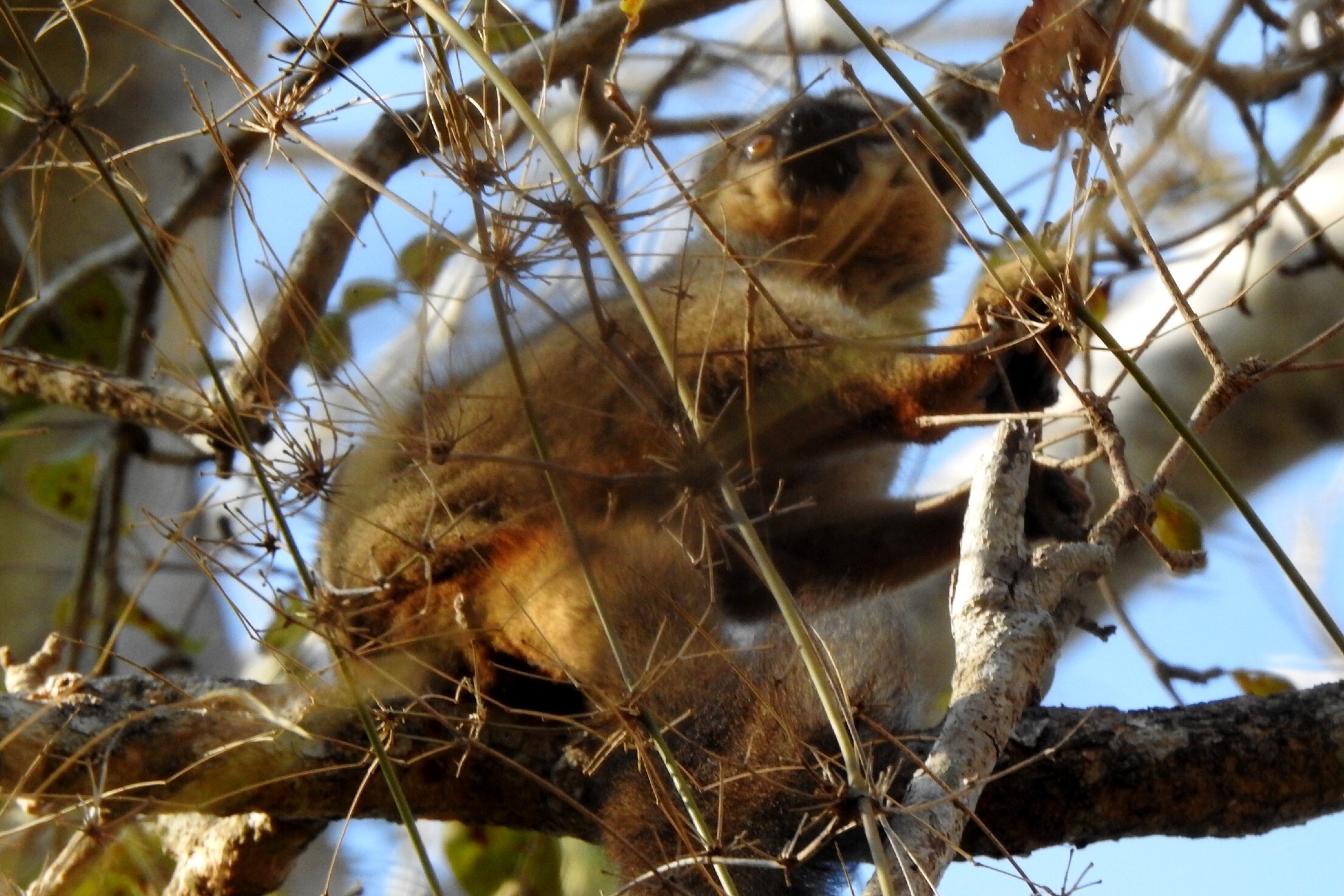
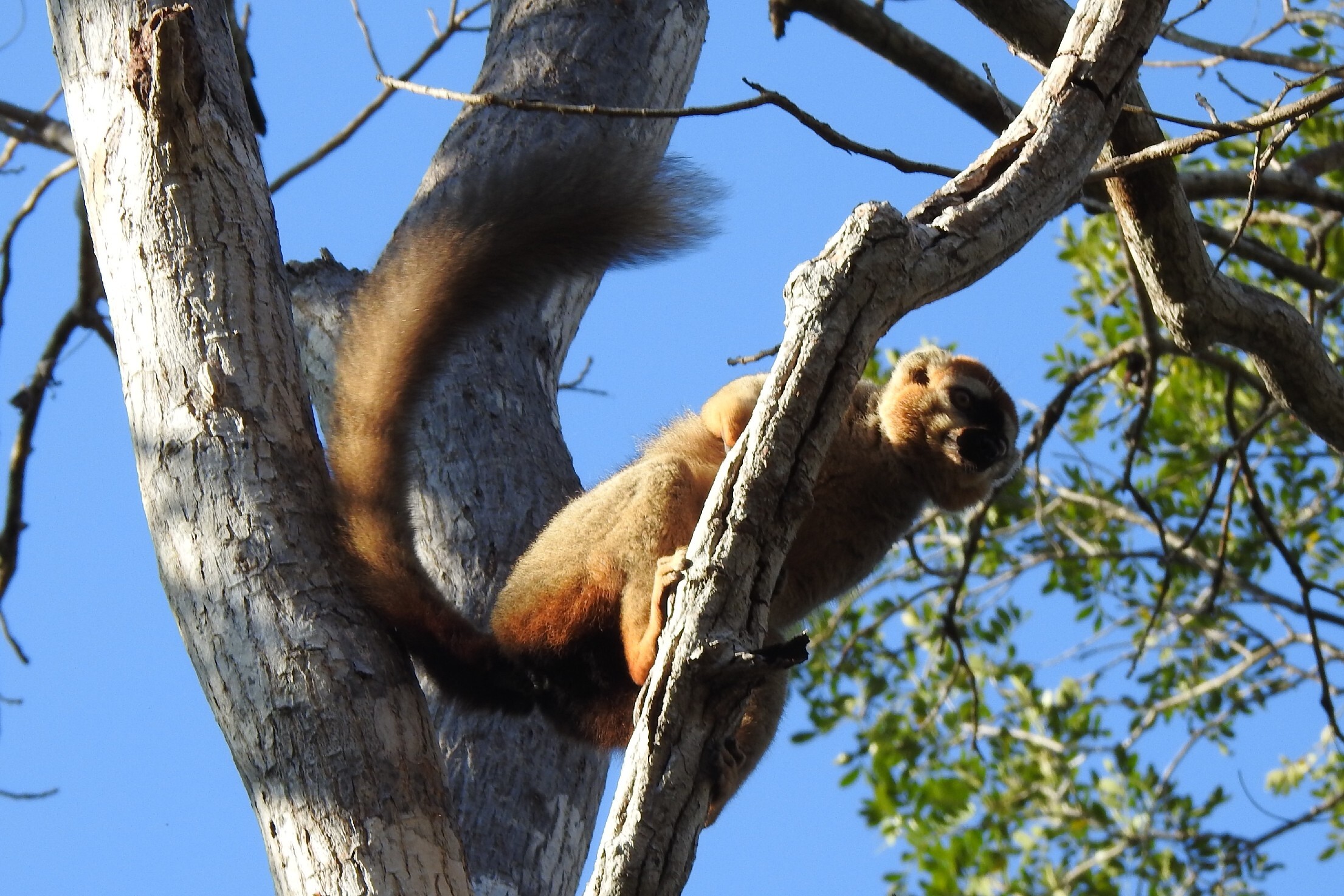
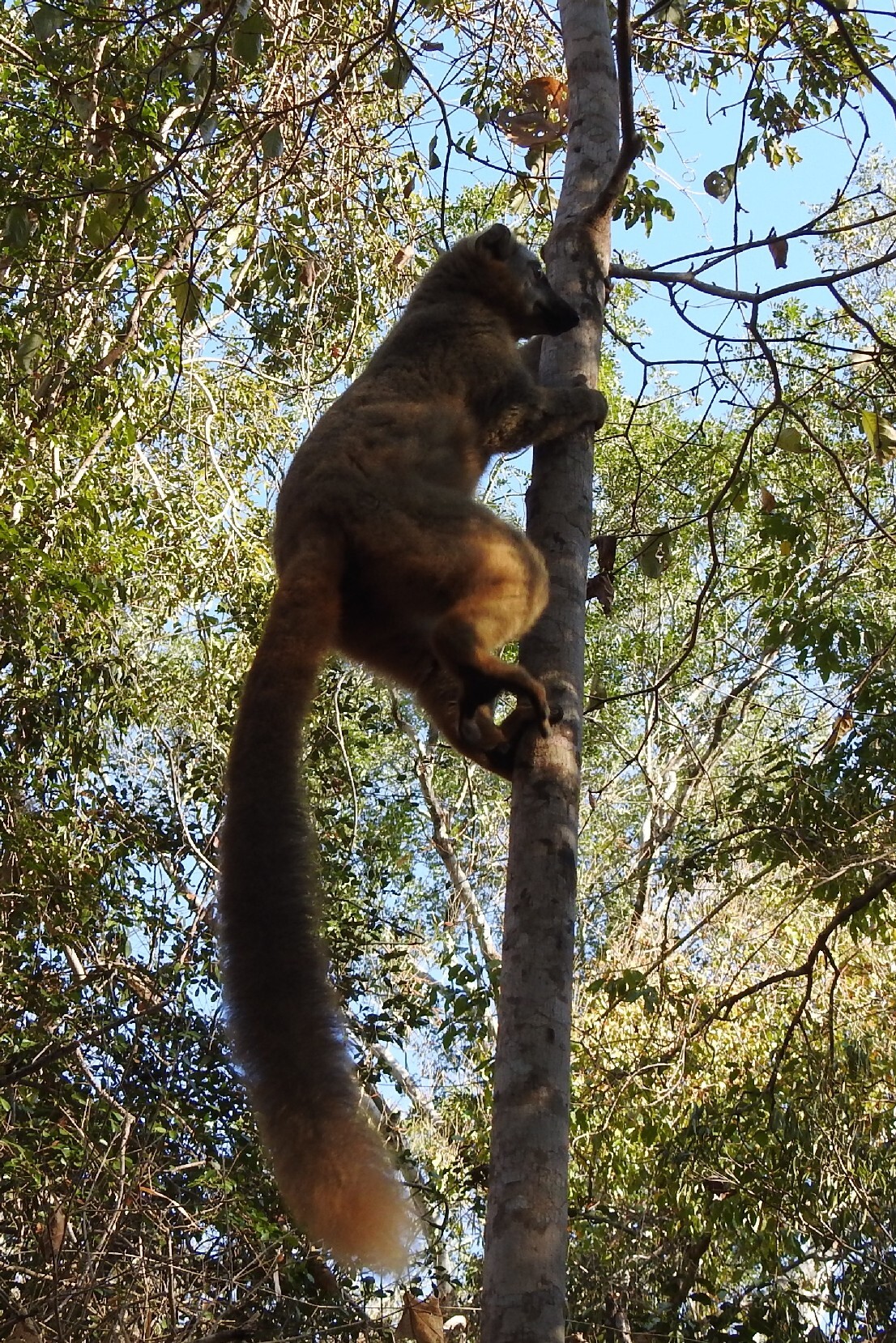
While the sportive lemurs (which we saw last night) are nocturnal, our guide found one resting in a tree this morning:
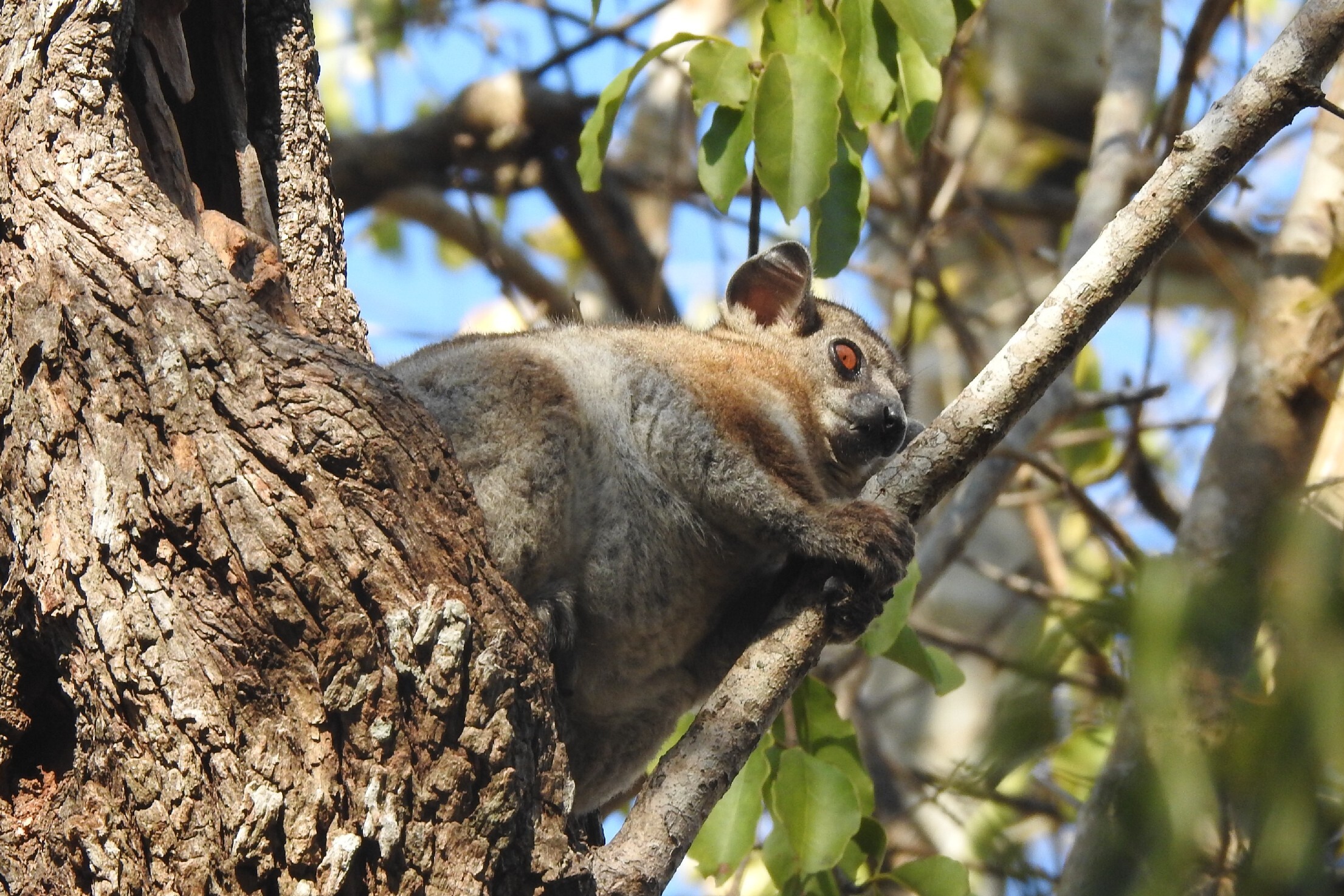
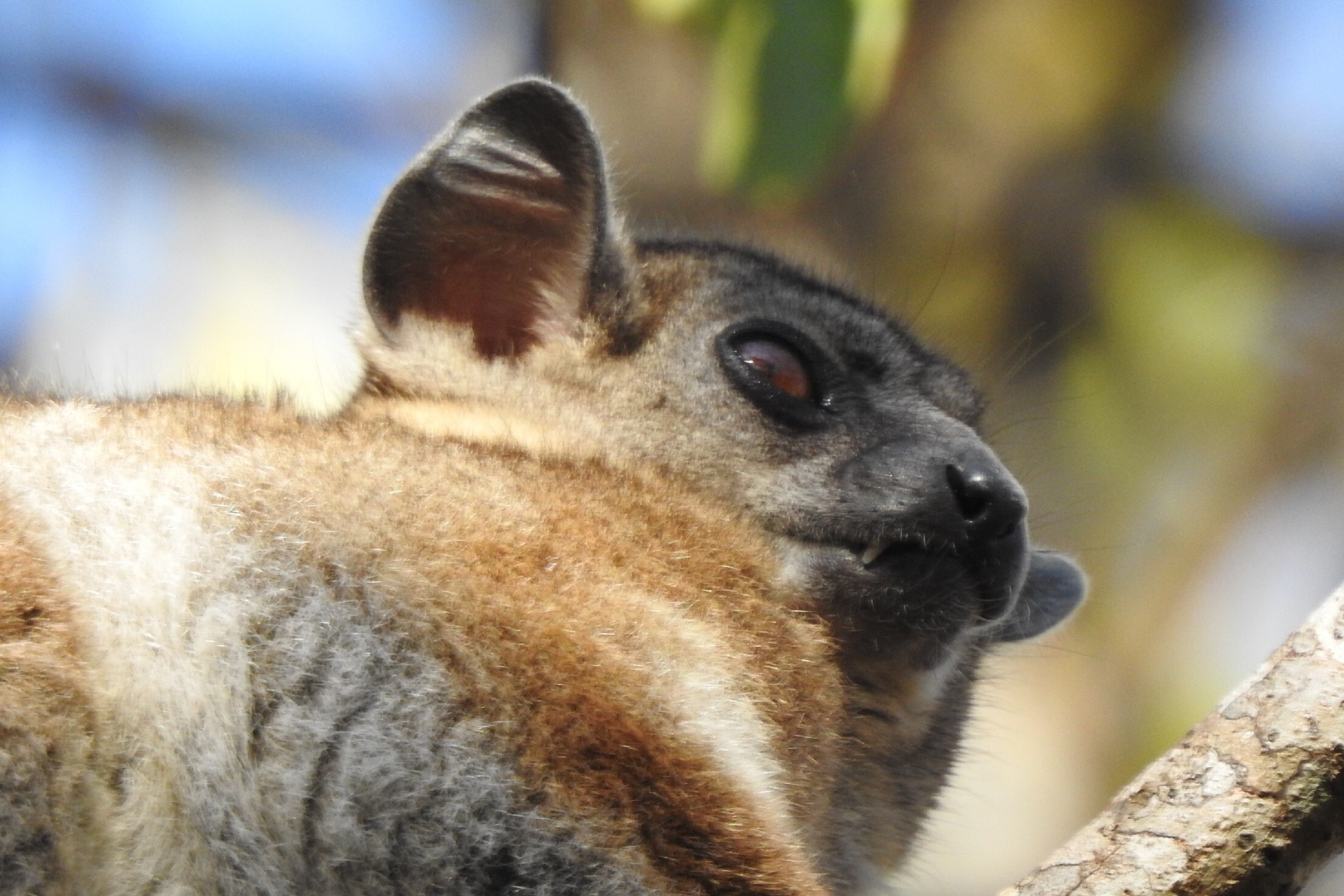
We left the hotel after breakfast before 9am and began the long drive north – this would take pretty much the rest of the day.
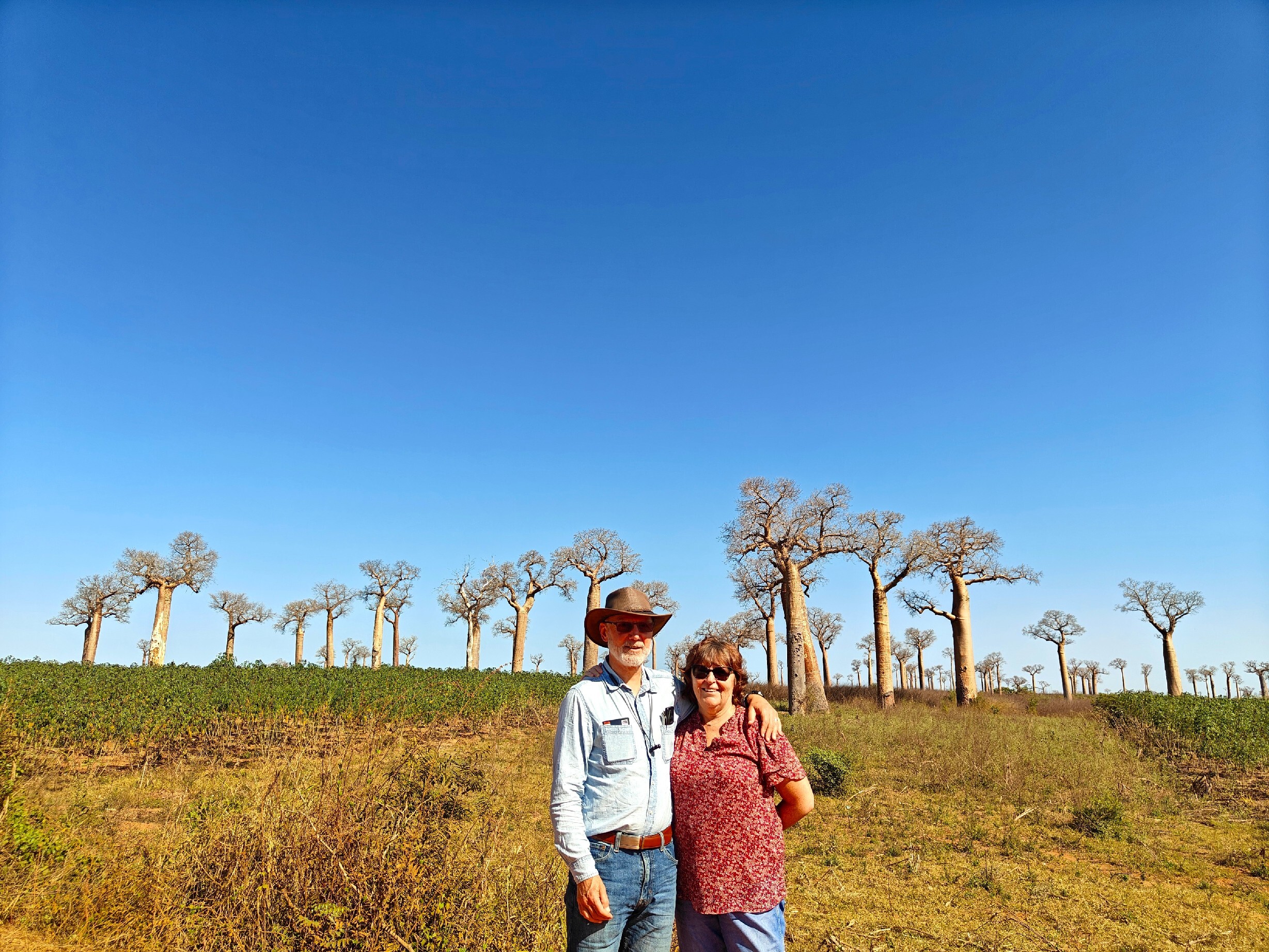
Enroute we passed be a baobab forest in the distance and shortly afterward, there was one much closer to the road so of course, we asked to stop.


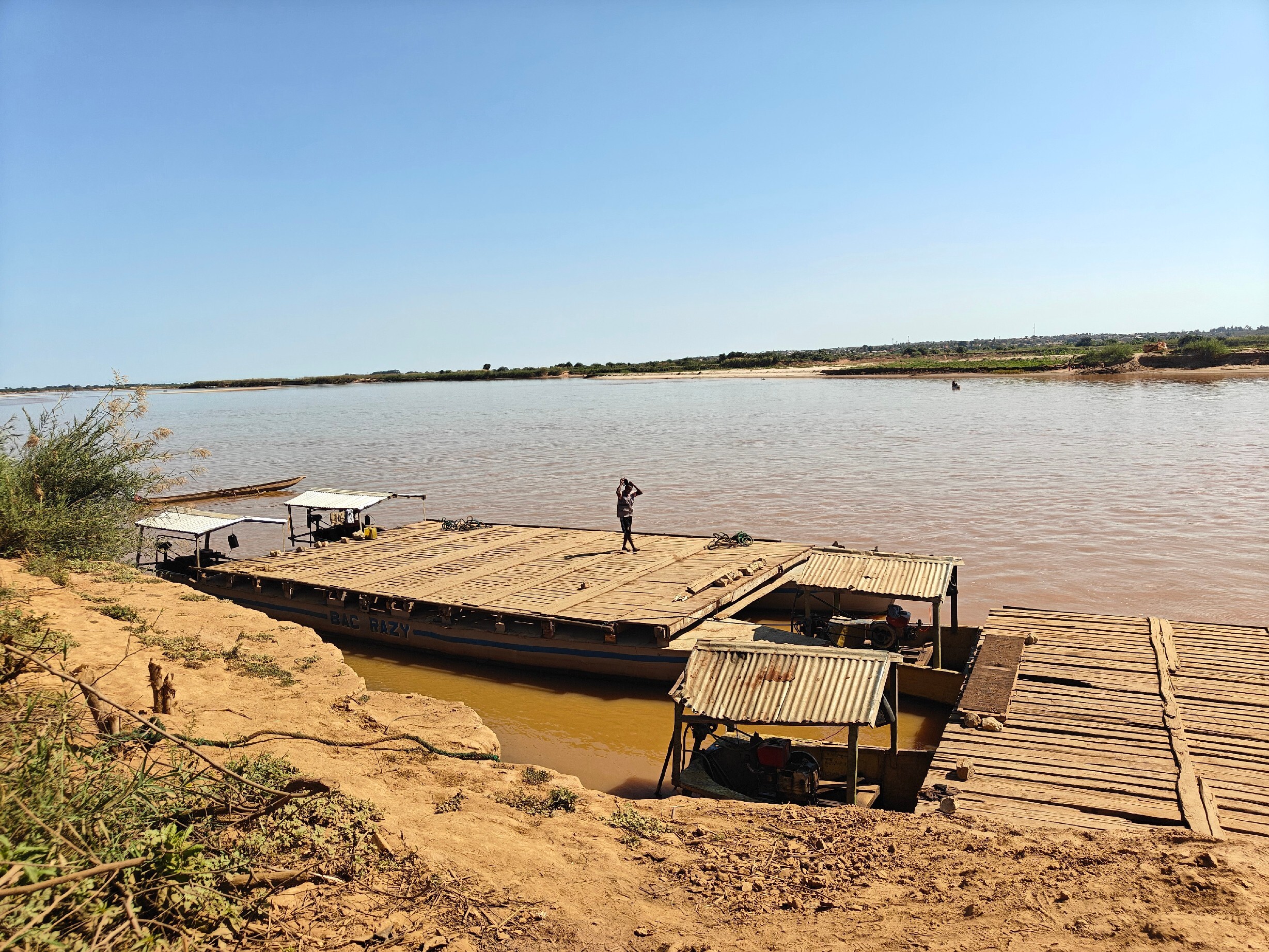
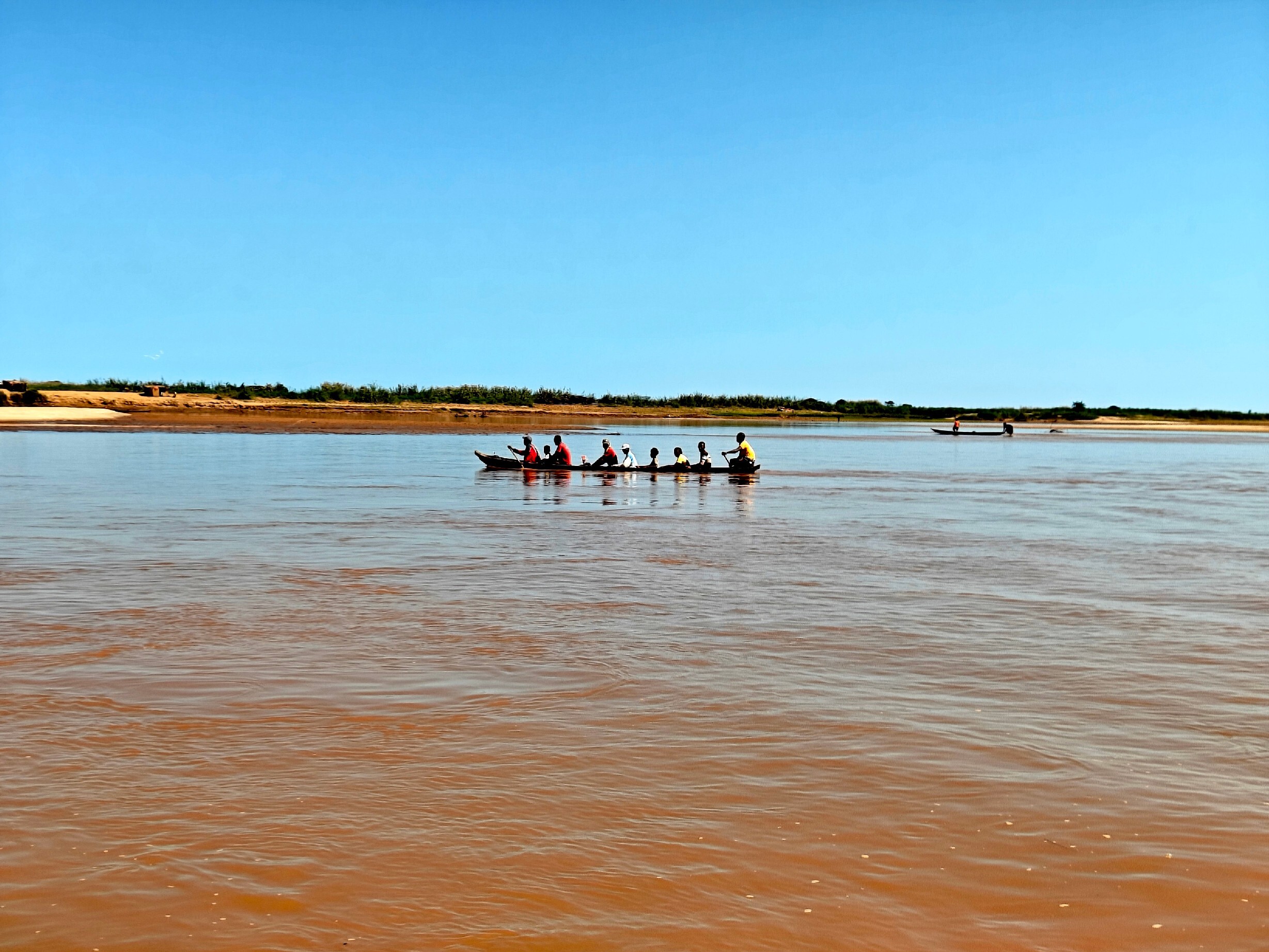
In order to reach out destination today, a hotel outside Tsingy National park, we had to take two ferries across two different rivers. The first was across the Tsirbihina River took quite a while before we went across. Our vehicle was the first one on but getting other vehicles onboard took quite a while. The crossing took just under a half hour.
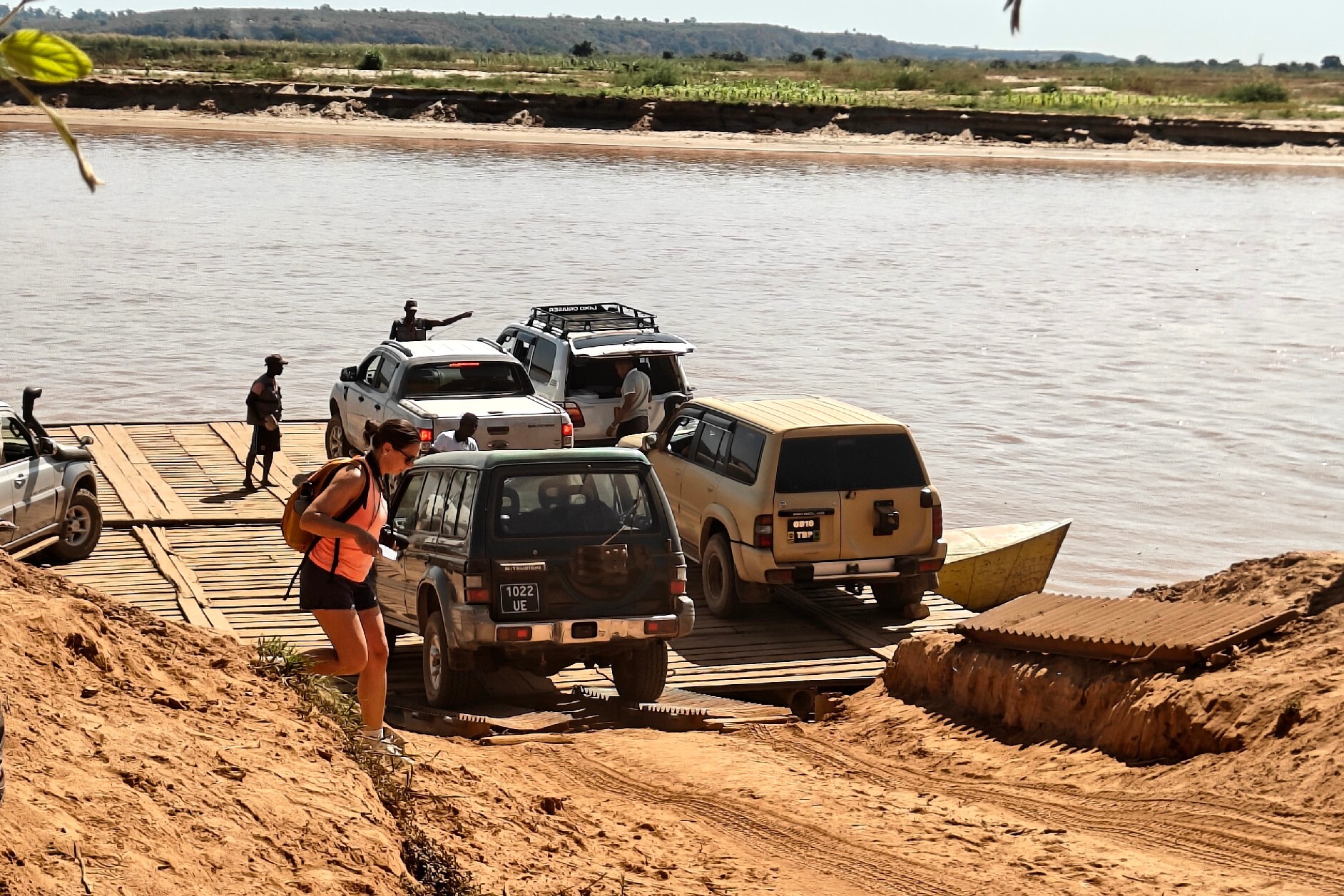
During this time, Fran was watching the load operation and in the shade under a tarp was a woman braiding her daughter’s hair. Like many Malagasy women we’ve seen she was wearing mask on her face. Haja told us they made it using tamarin tree bark which they crush with small pebbles and a little bit of water. It is said to protect their skin from the sun and keep it soft:

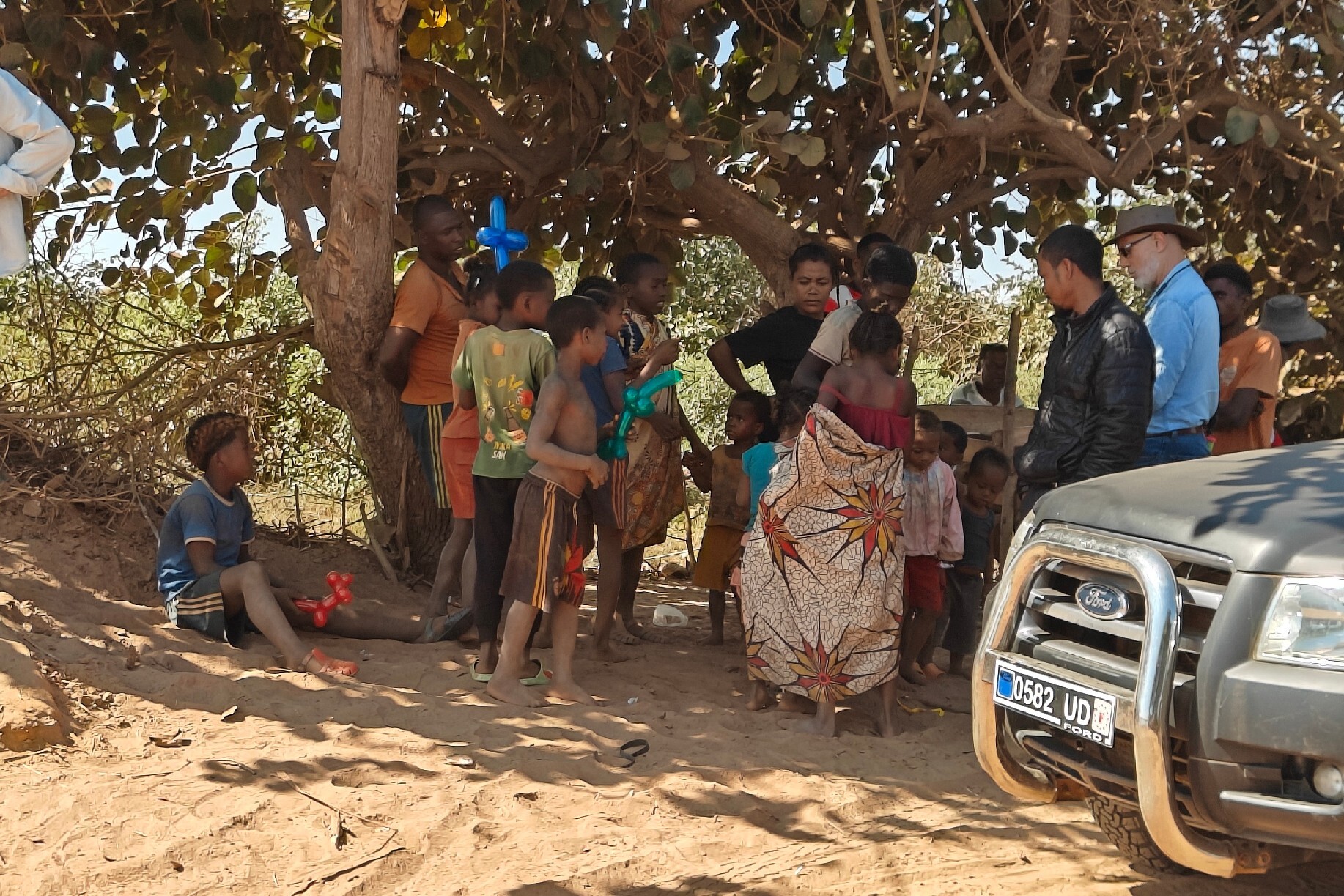
While waiting Doug found himself a bunch of kids to make balloons for. A young man named Alex approached Fran and began speaking English – he was trying to learn it and wanted to practice with tourists as he wanted to be a guide one day.
All passengers on the ferry are not allowed in their vehicles so we all walked on once the cars had all boarded and Haja found us a place to sit where we could enjoy the views:

We then made a stop in Belo Tsirbihina for lunch at the famous “Mad Zebu Cafe” for lunch. We weren’t very hungry and the prices were quite high so we only ordered soup to tide us over until dinner. It super touristy and it seems every tour stops here.
About 3 km before the hotel there was another small ferry that loaded immediately and we were across the Manambolo river in two minutes.

We checked into the Olympe de Bernaraha Lodge which is a sister property to the place we stayed last night and was pretty much the same set up. Our cabin was the same but this time no single bed in addition to the king bed. We had the mosquito netting again but here we did not seem to bothered by bugs of any sort in the room so we didn’t use it (we’ve been taking malaria tablets since just before we left Mauritius).
After dinner which we didn’t finish as we had no appetite and the pasta was overcooked, we returned to the room. Fran had a shower (surprised there was hot water based on the instructions we received) and then we watched some shows before bed. Doug brought in the two chairs from the patio as sitting on the bed would make us sleepier and we only had one pillow each here so leaning on a headboard that is 4” from the mattress was not conducive to a comfy seating arrangement.
We managed to sleep until 6 Wednesday morning and it was not too hot but no where near as chilly as the night before – no blankets needed from Fran, just the sheet.
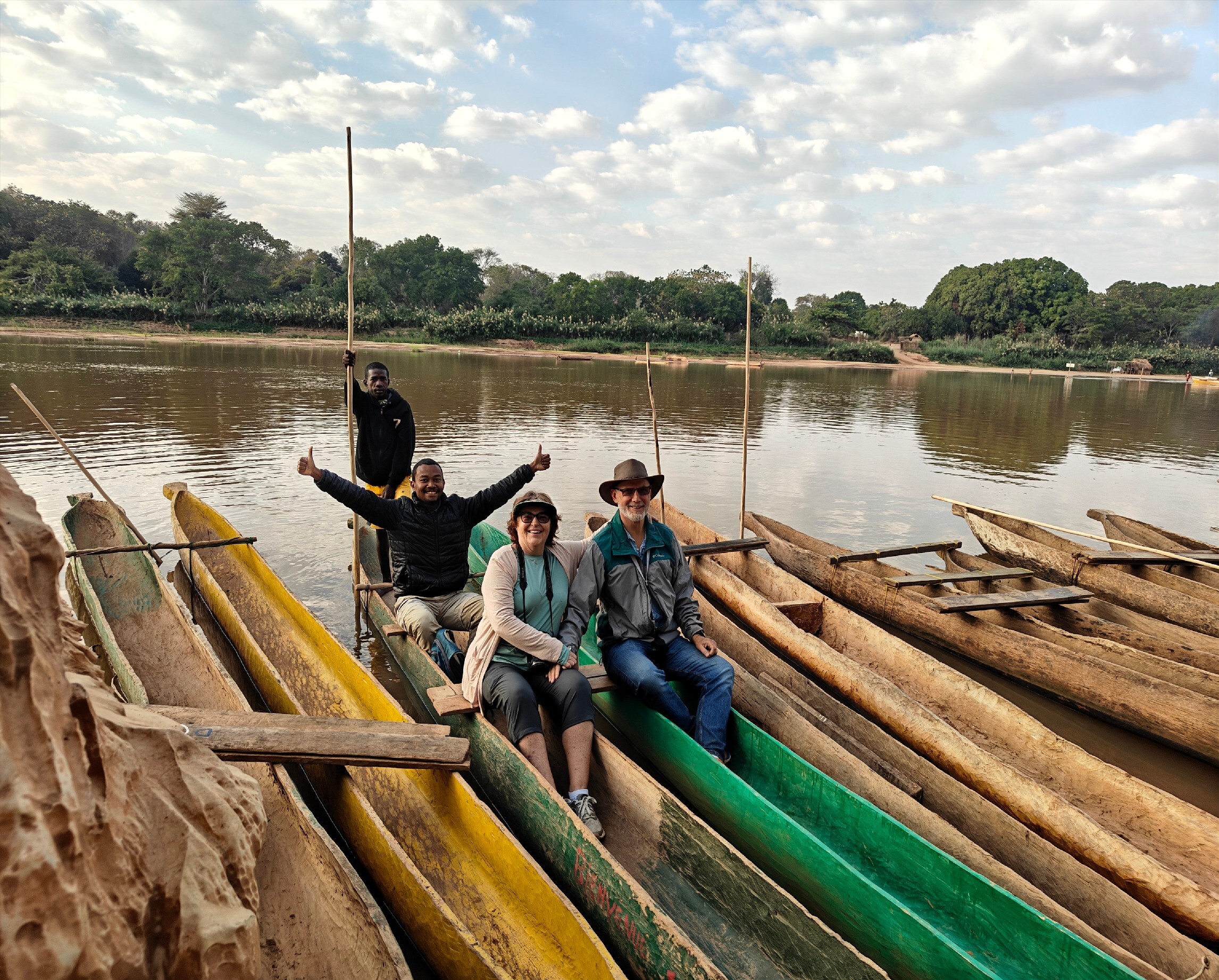
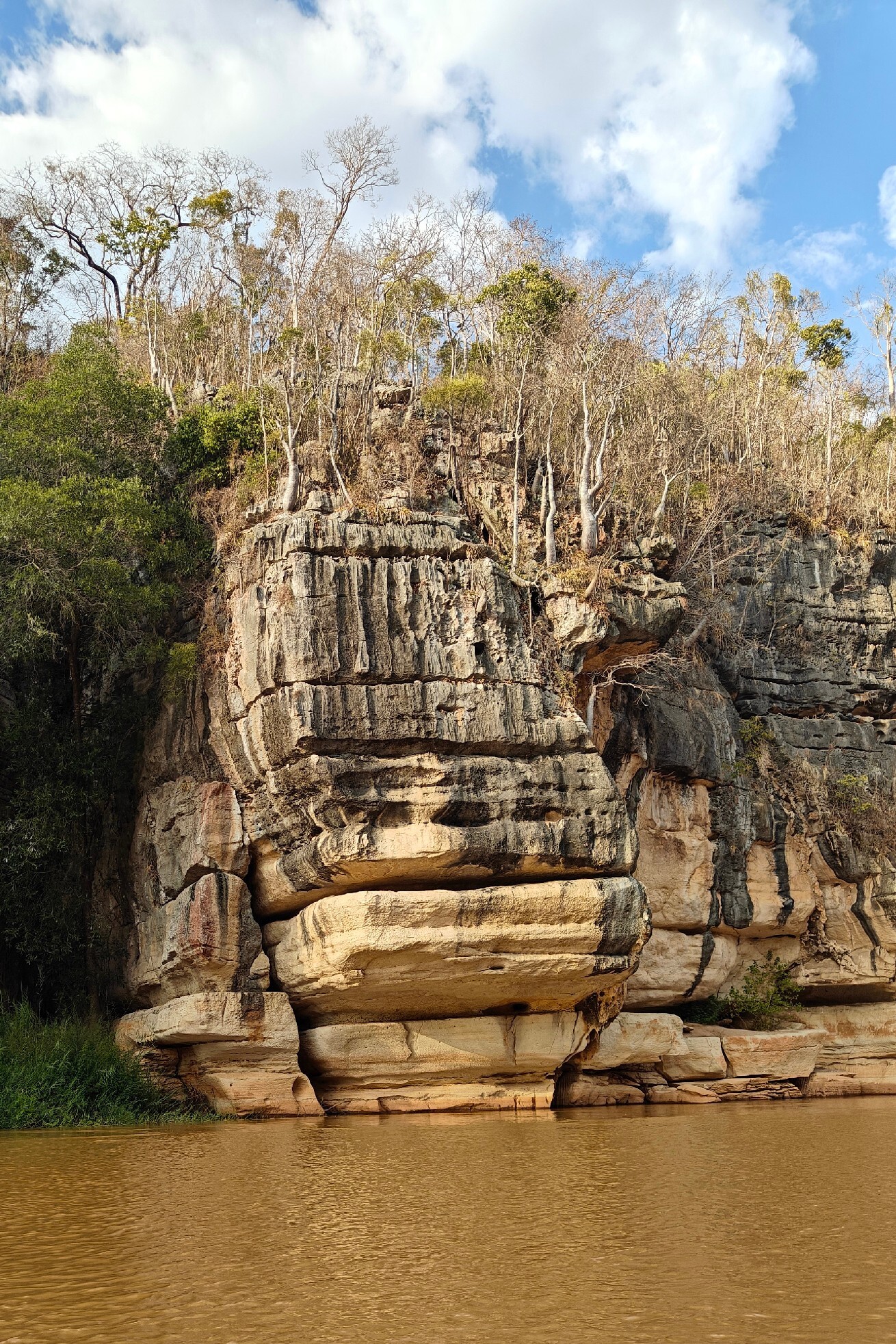
After breakfast at 6:30 Haja met us and off we went to see the Tsingy National Park. Now since Fran’s knees are not feeling any better at all, (that shot basically hade done nothing), we changed the plan. Instead of the long hike up to the top view point which involves ladders, a via ferrata and a suspension bridge and more importantly, lots of climbing, we first took a pirogue (local canoe) down the Manambolo River to see the rock formations of the Little Tsingy.
This is a double canoe-like boat with a captain who stands at the back using a tall oar to get us down the river while we see on planks that fit across both sections – not affixed to the boat at all. (see in the photo – the boat on the left of us).
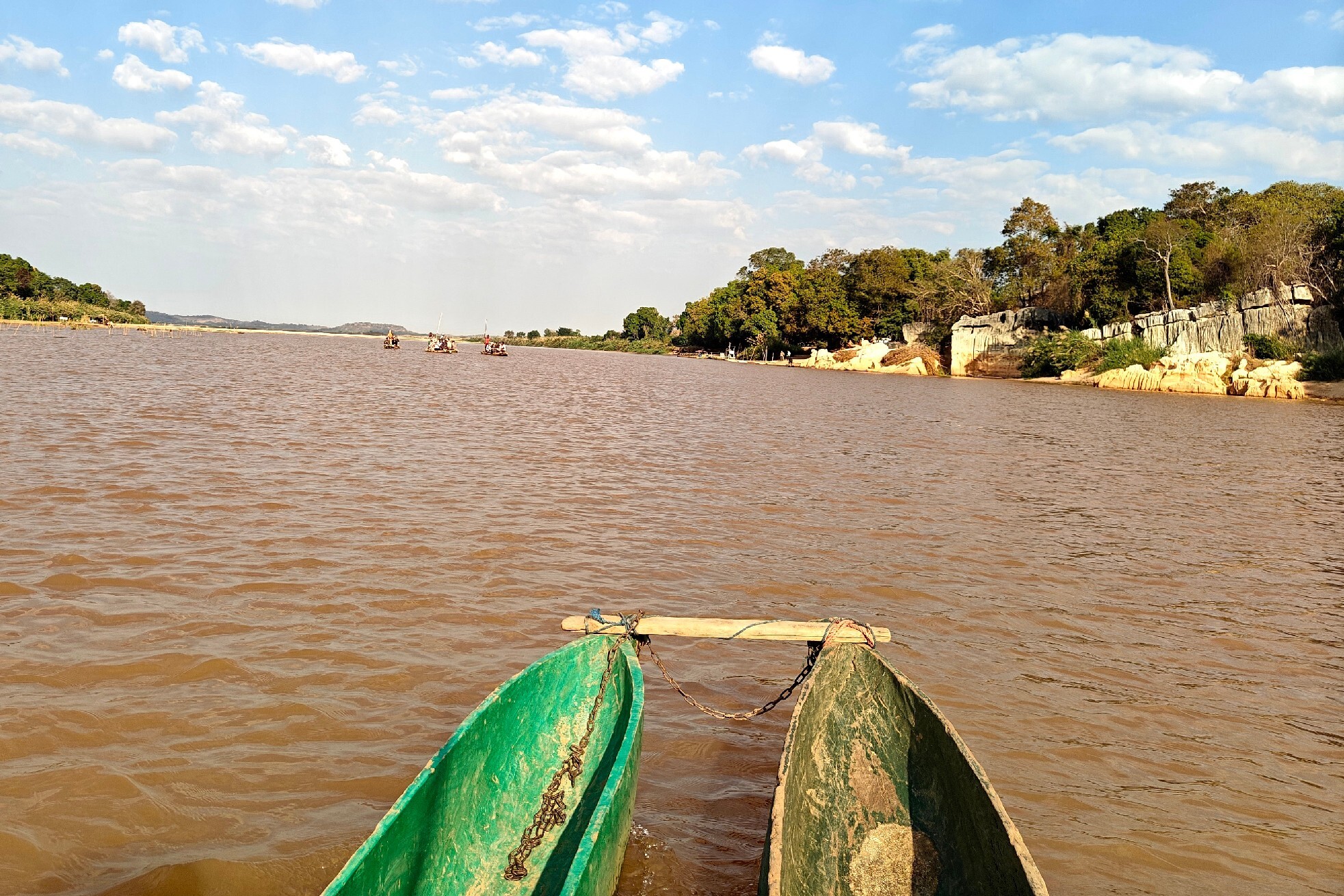
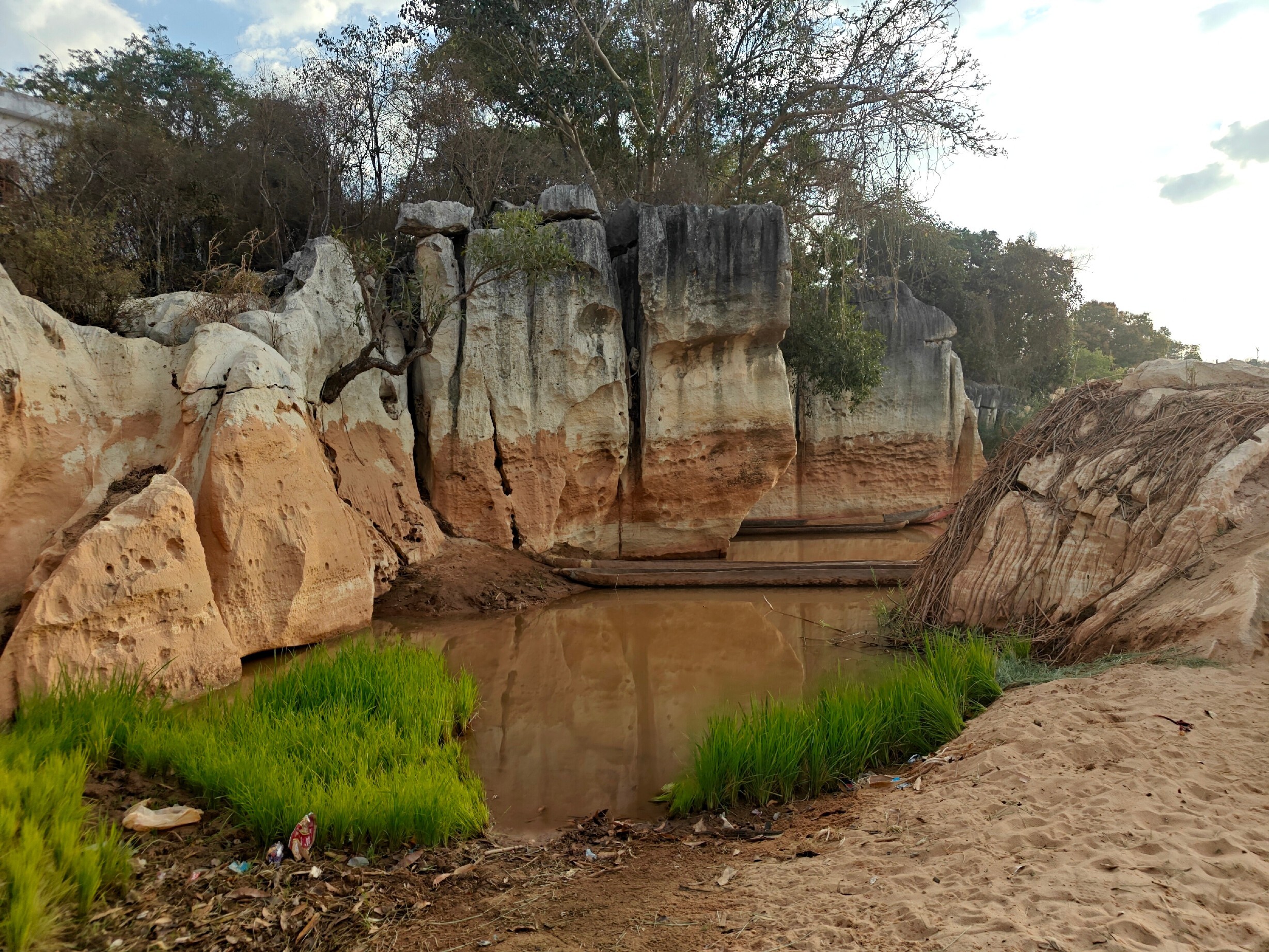
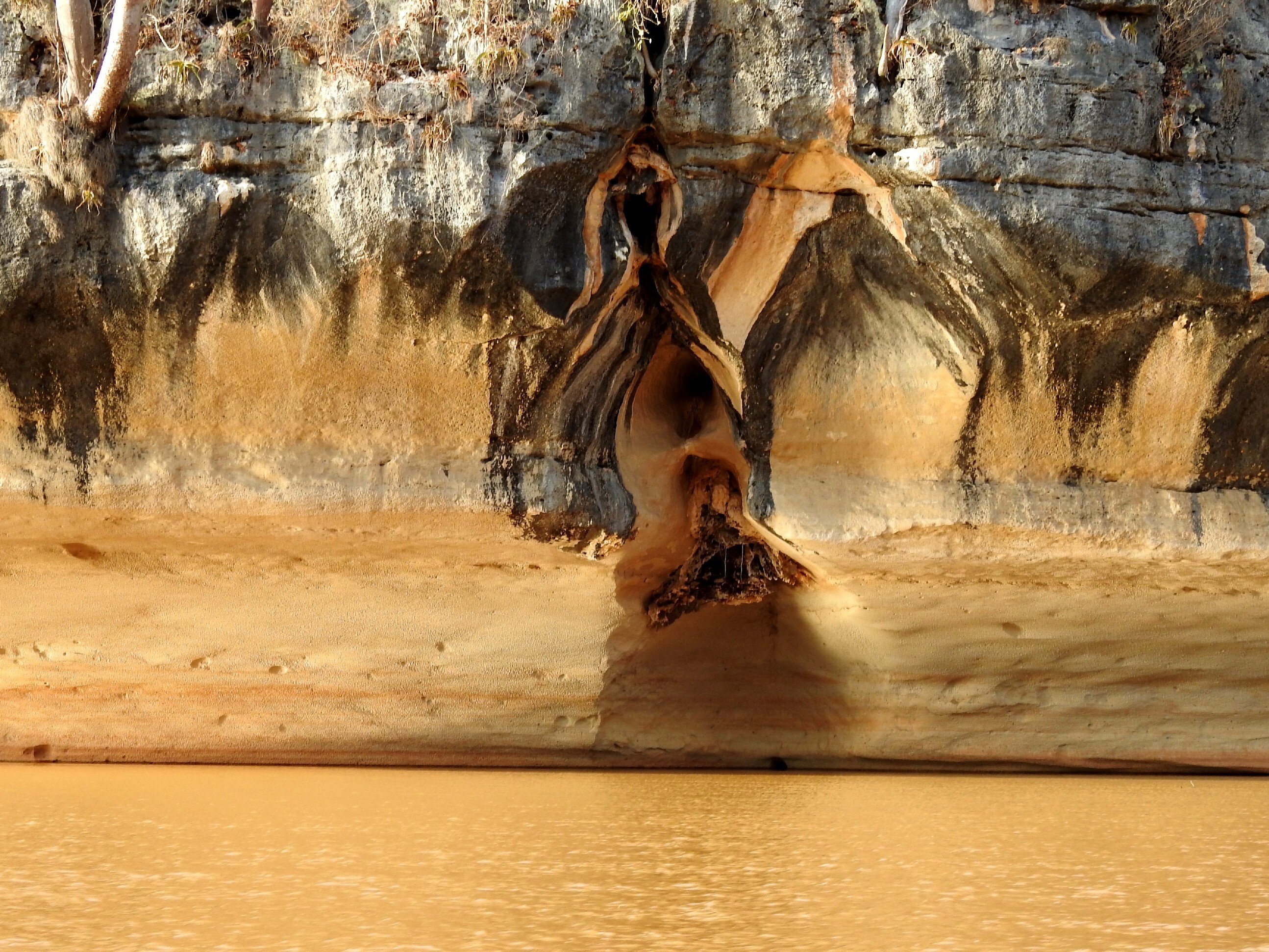
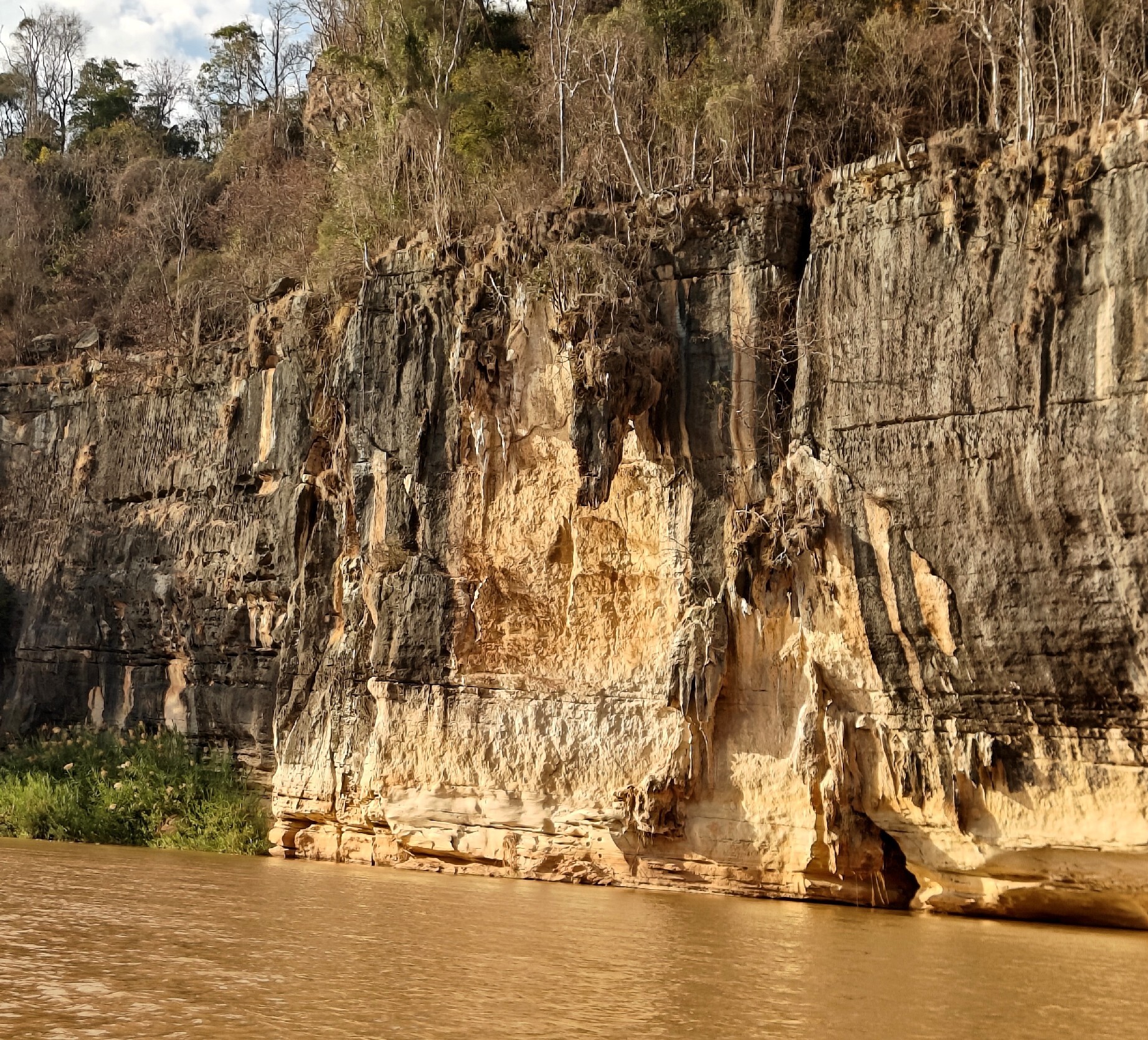

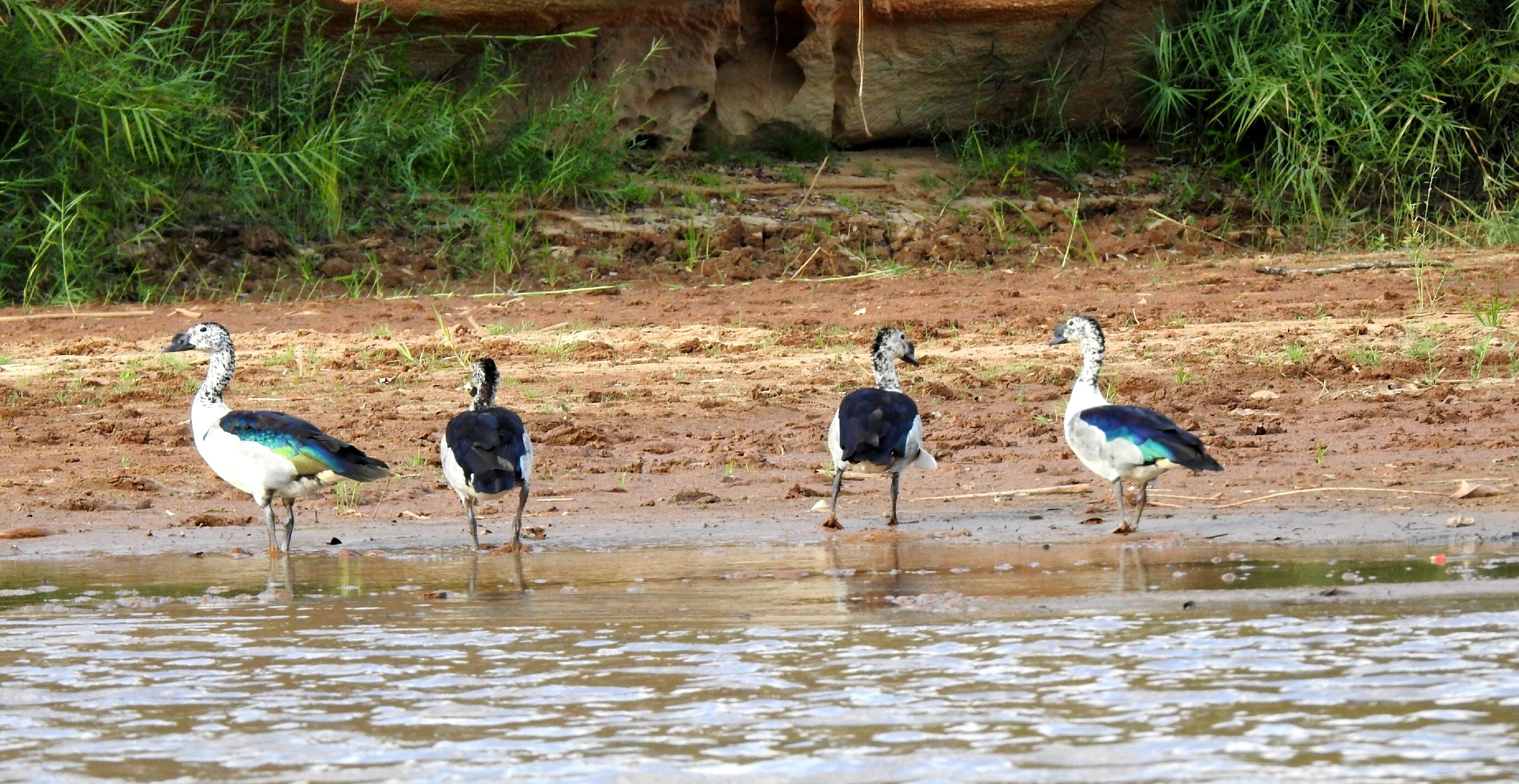
We spotted some knob billed ducks near the shoreline:
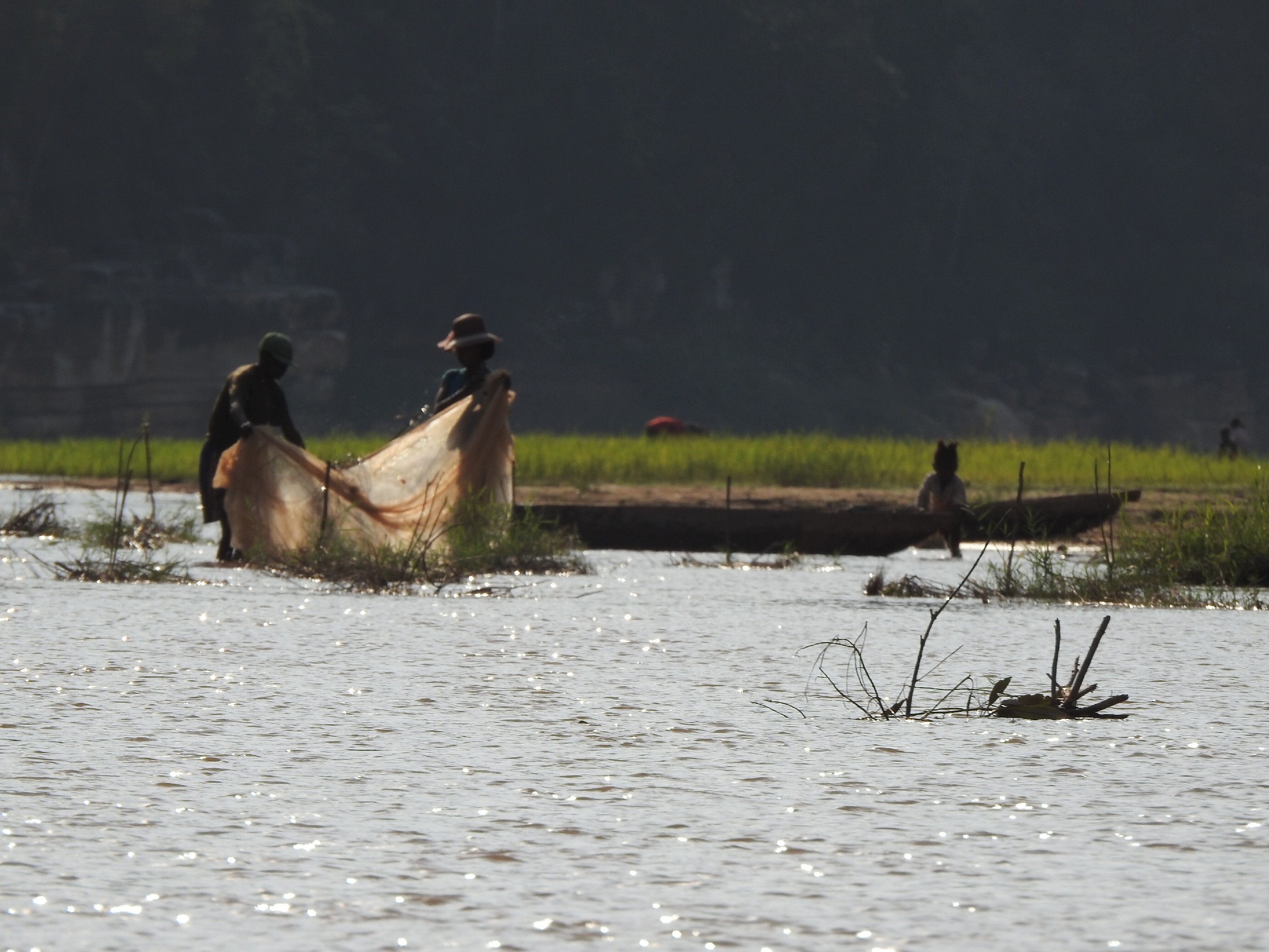
And came across some locals fishing with nets:
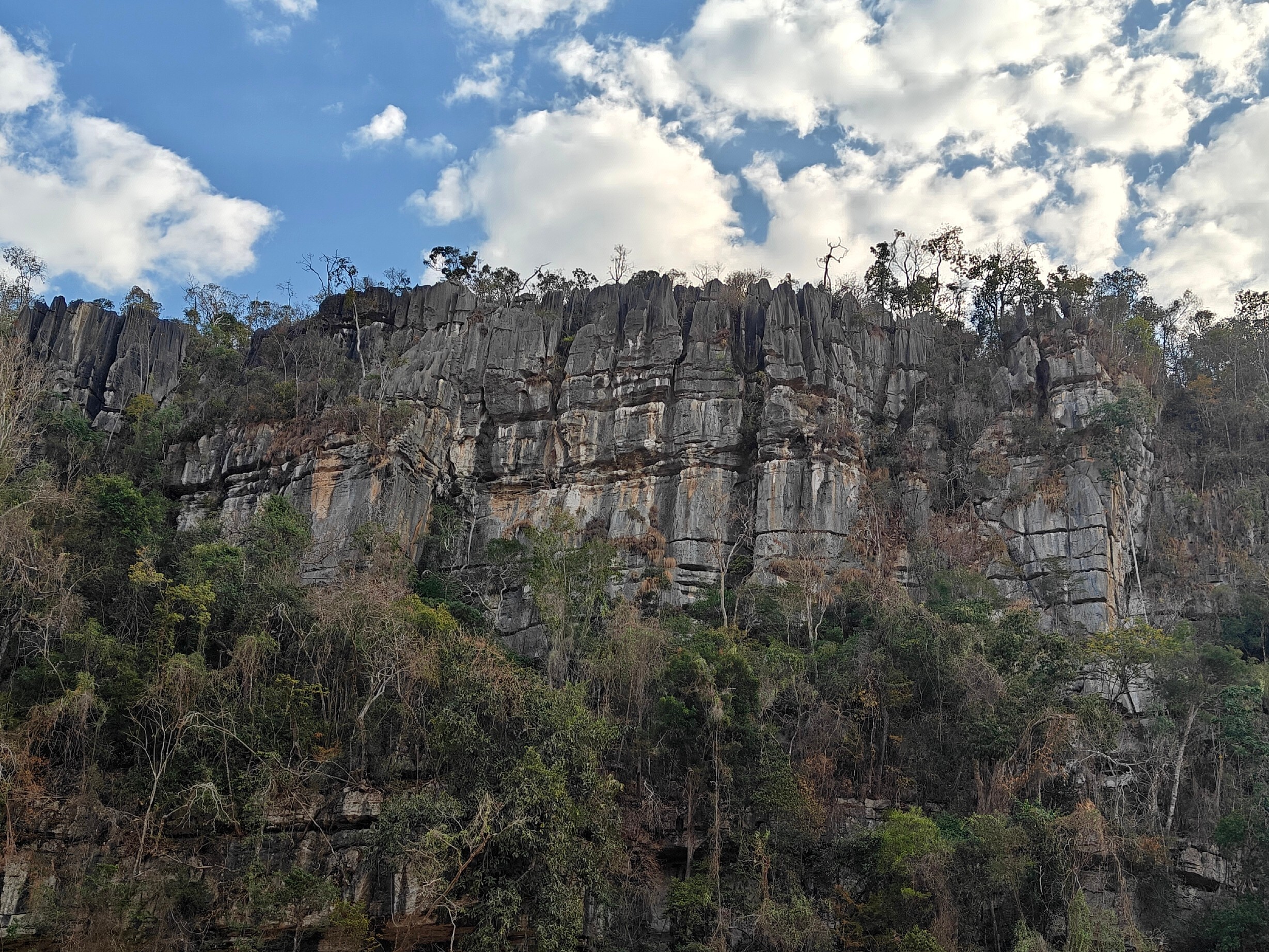

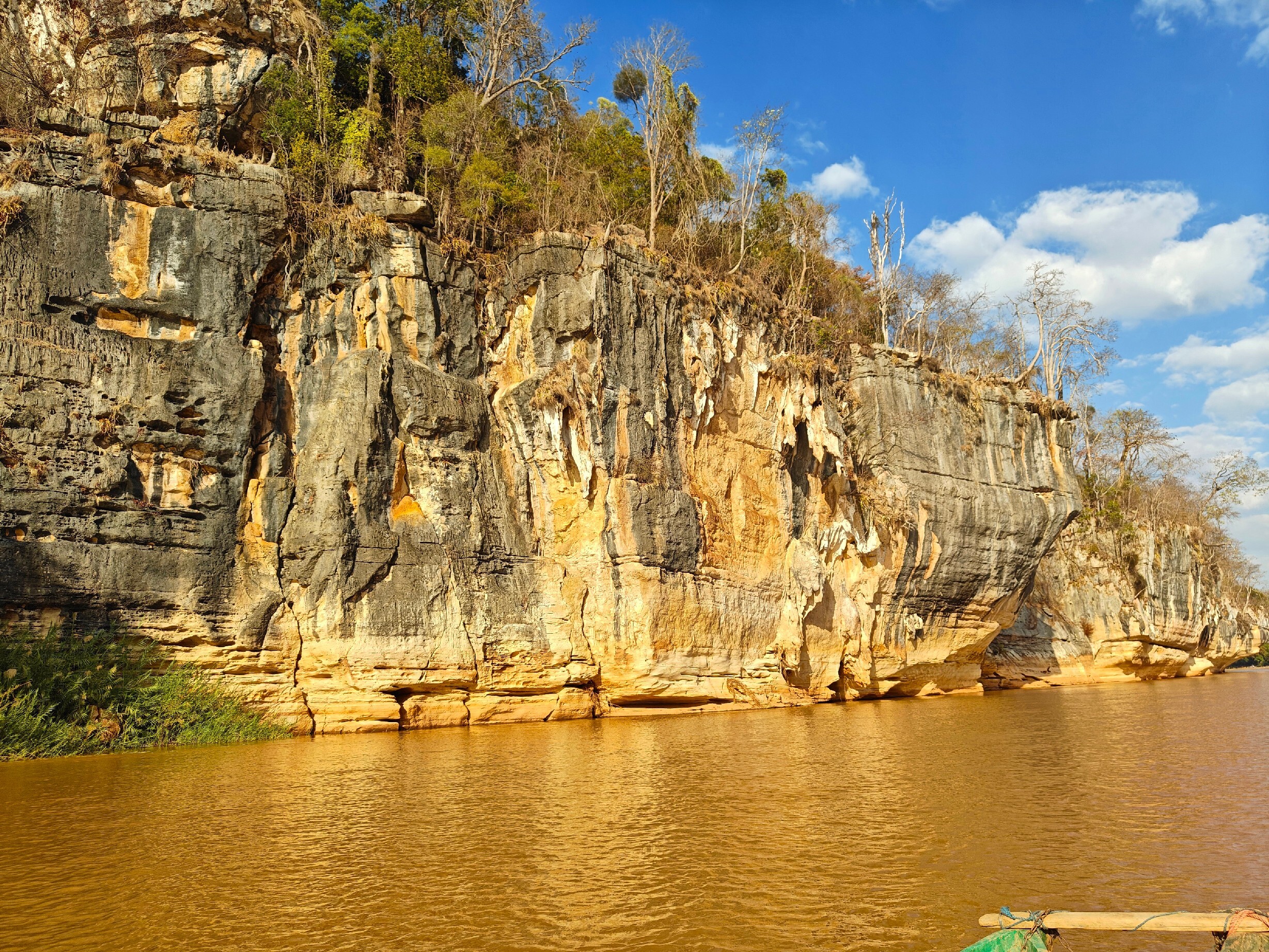

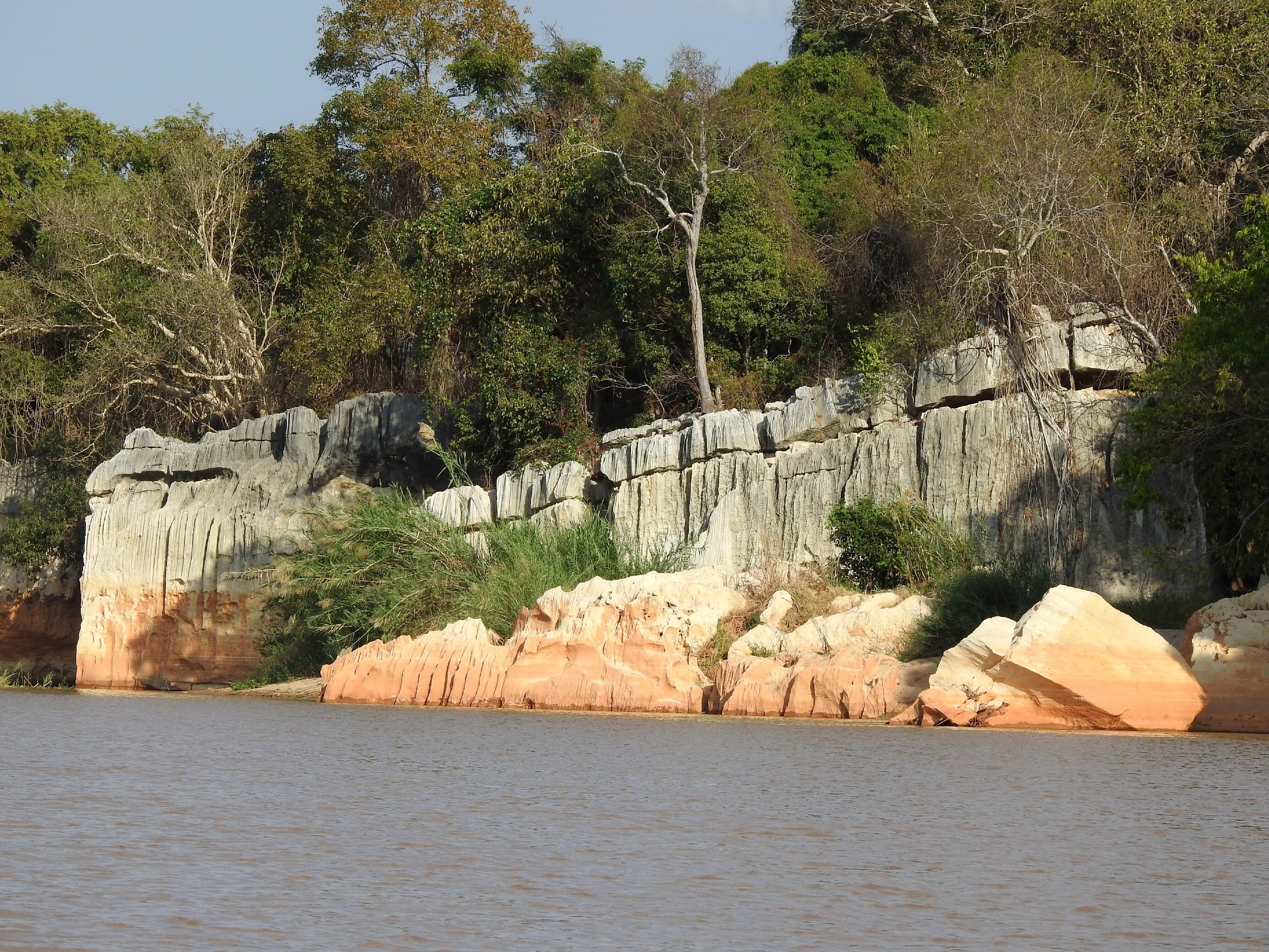
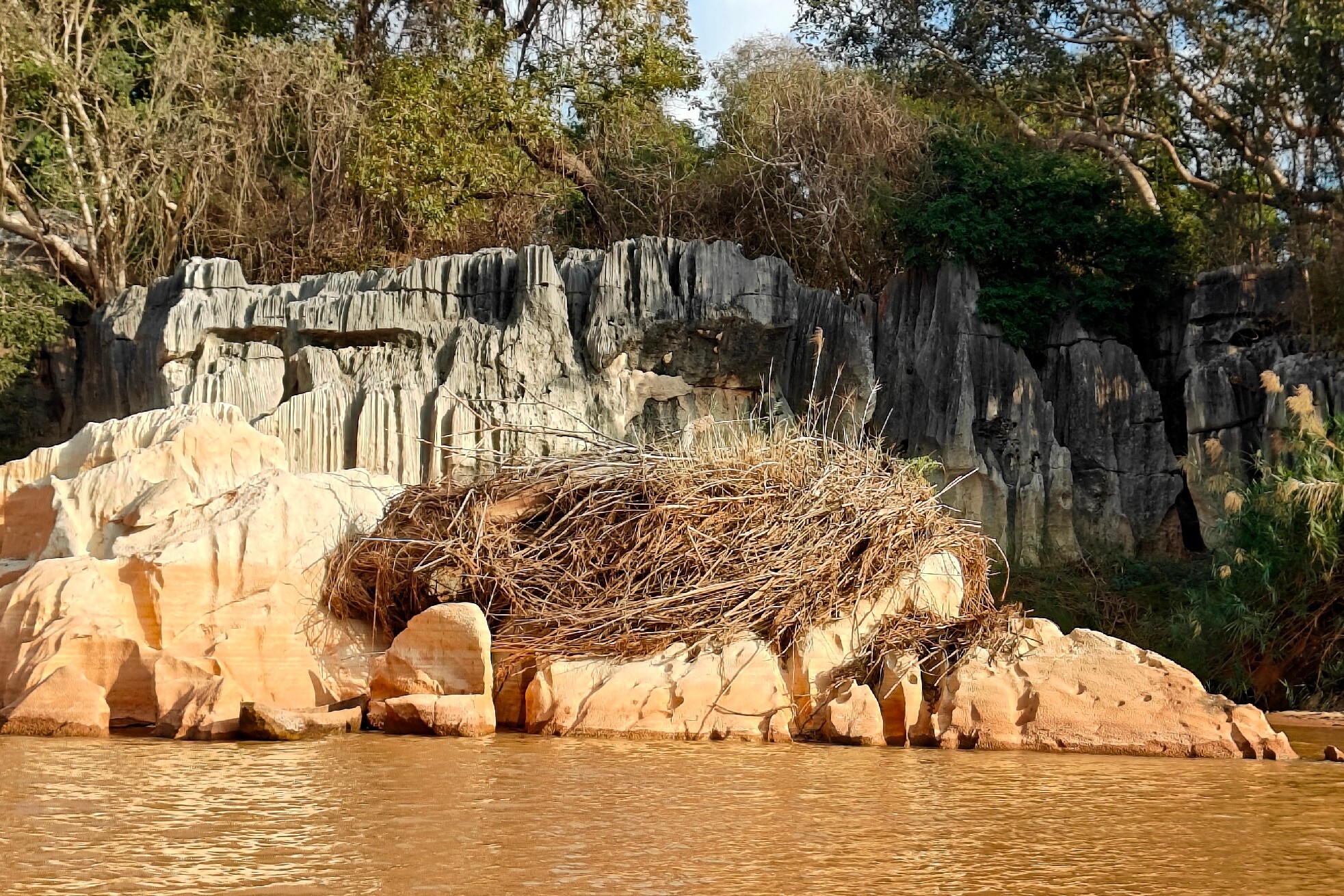
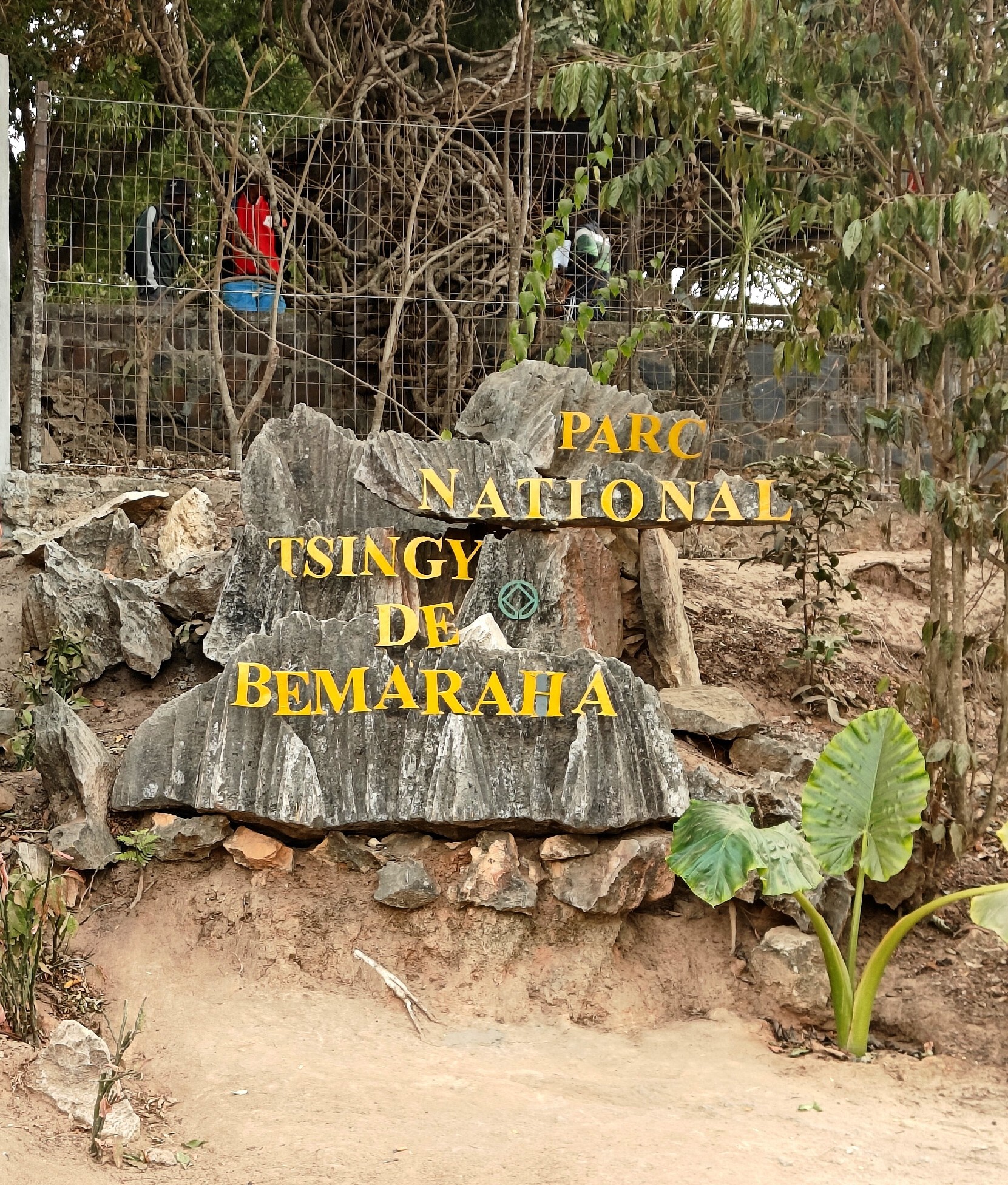
We returned to the vehicle and Eric drove us and the park guide (required in national parks in this country) for about 45 minutes to a hike through the forest looking for lemurs (no luck in the middle of the day) before reaching two viewpoints of the tsingy.
We did see a vasa parrot – only found in Madagascar:
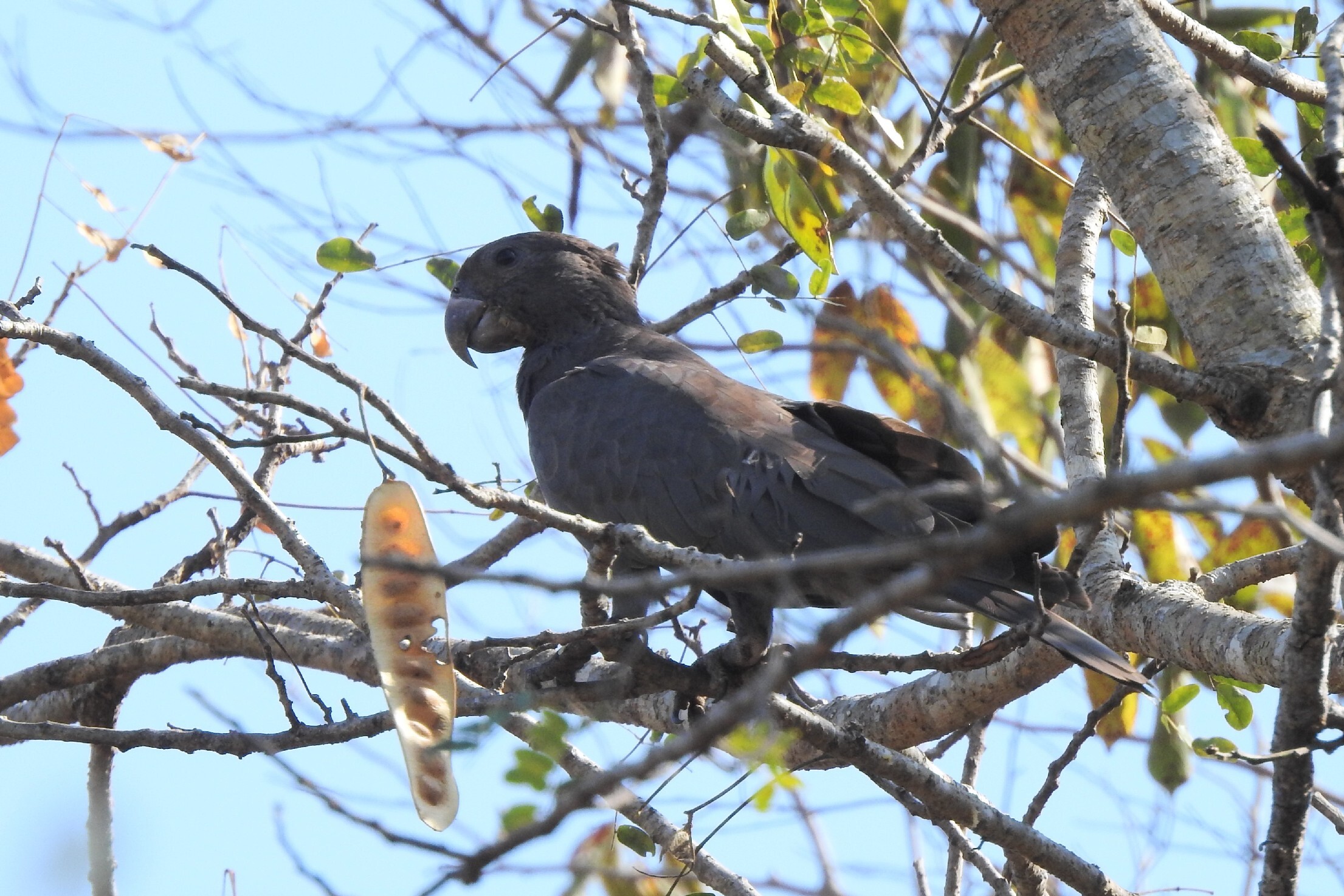
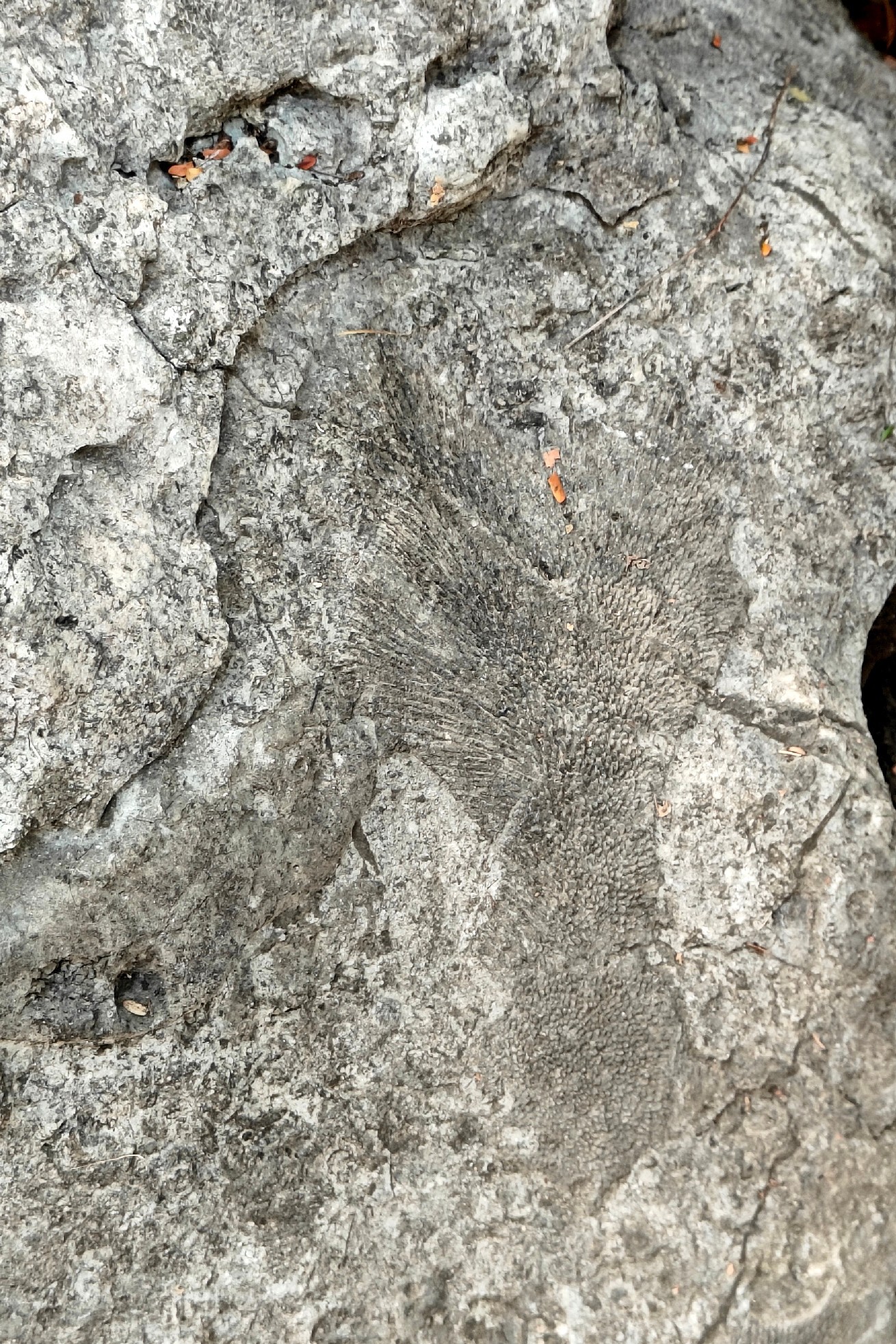
and lots of fossils in the rocks:
 Views from the first observation point:
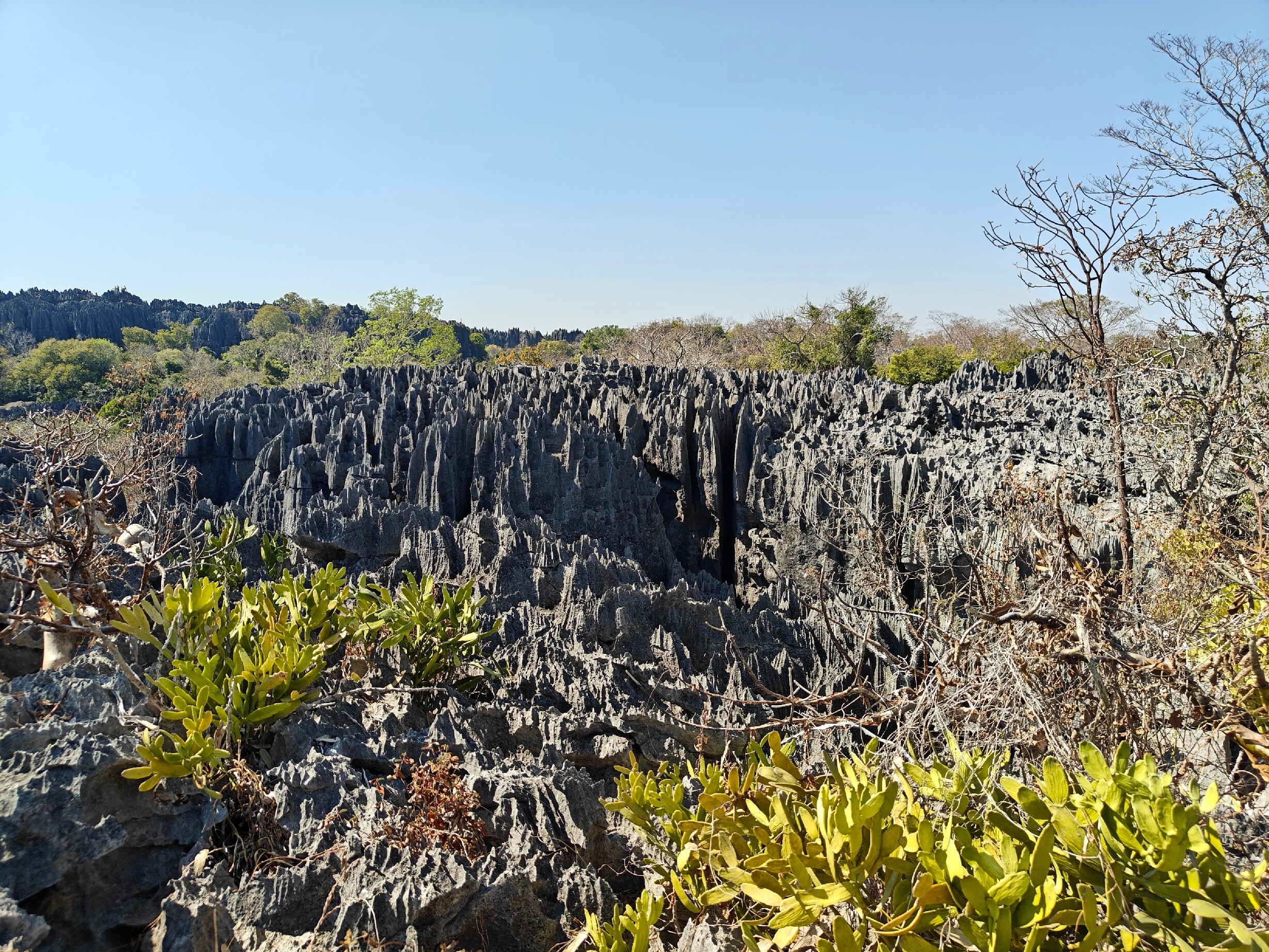
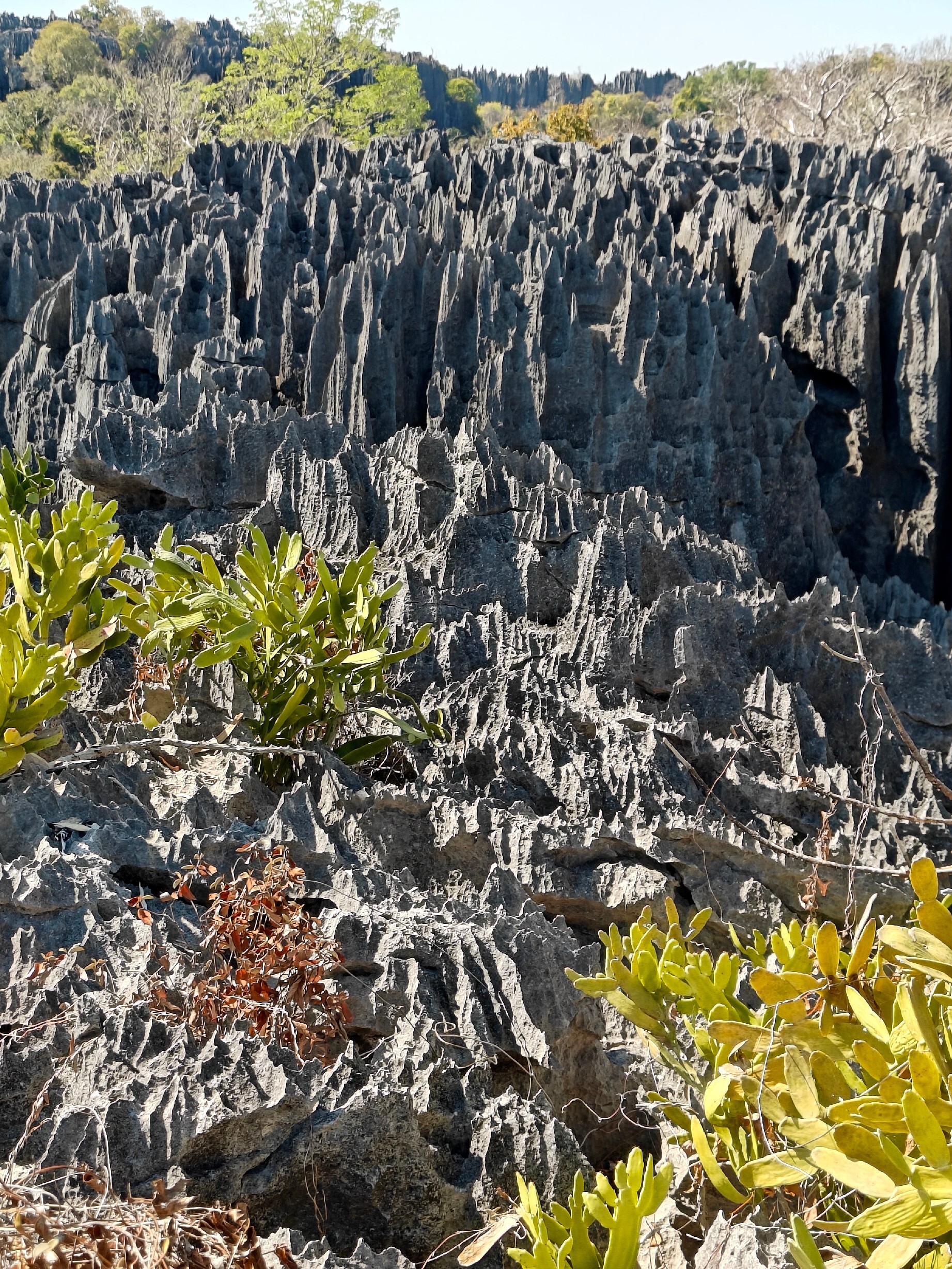
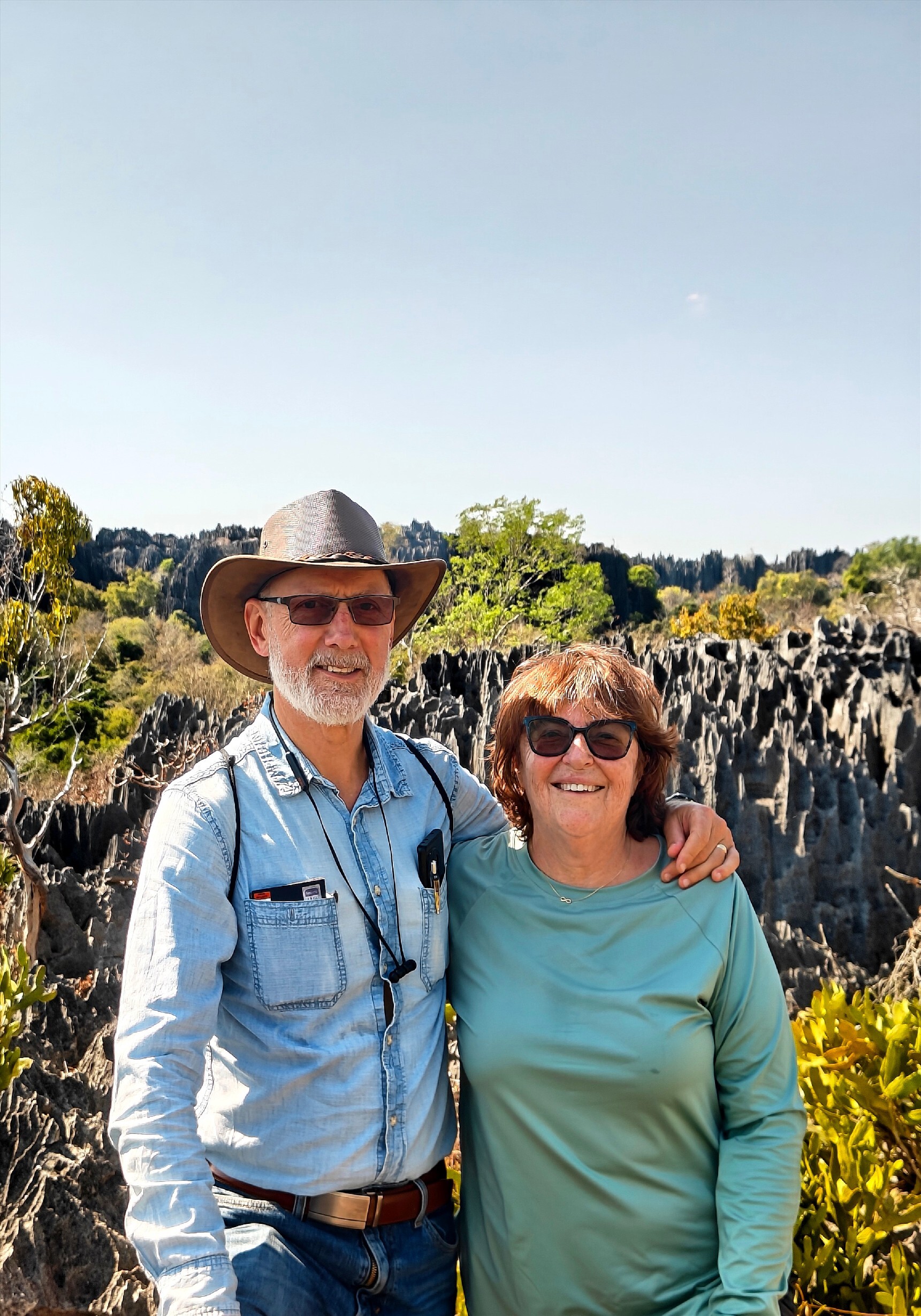
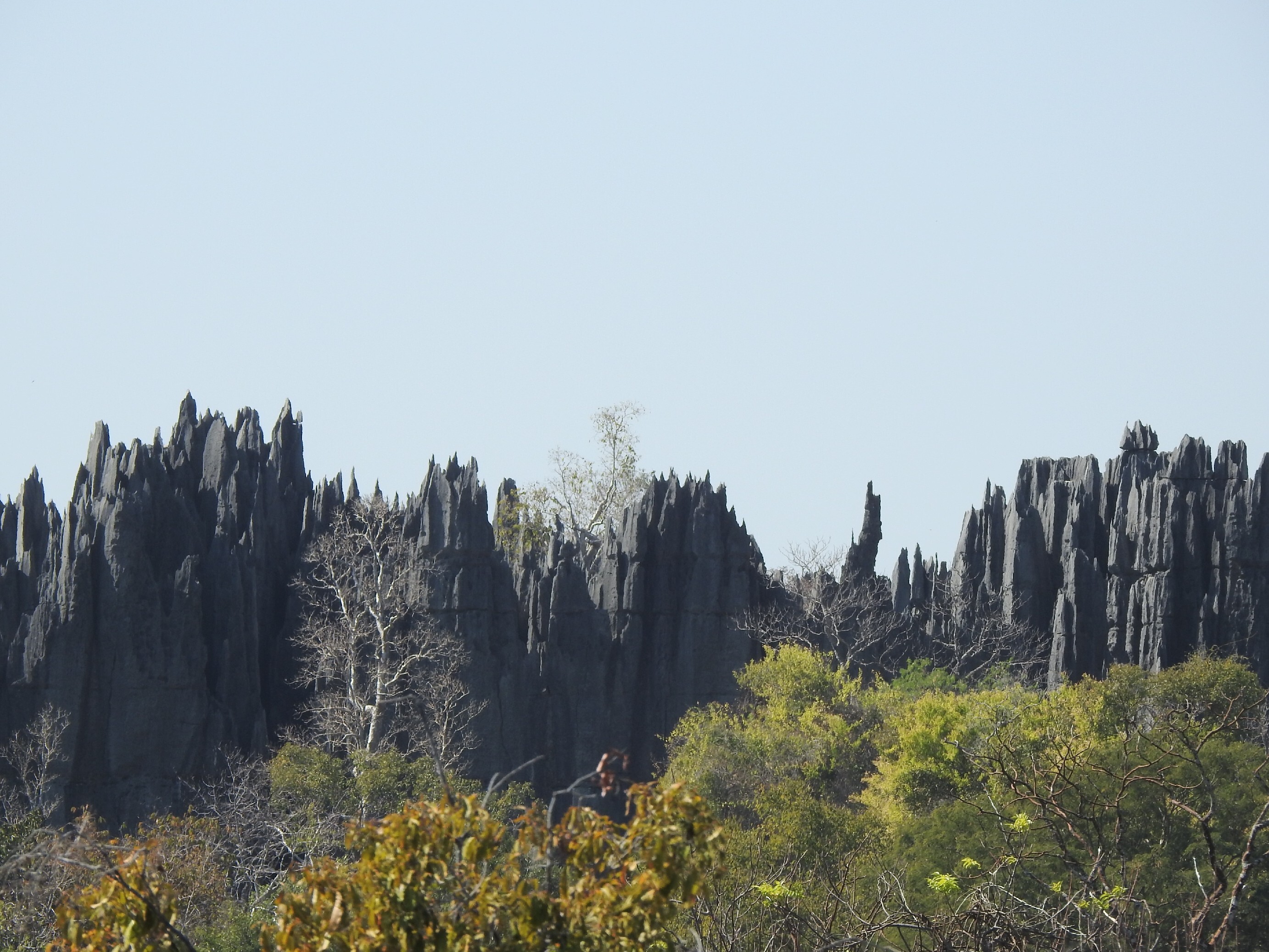
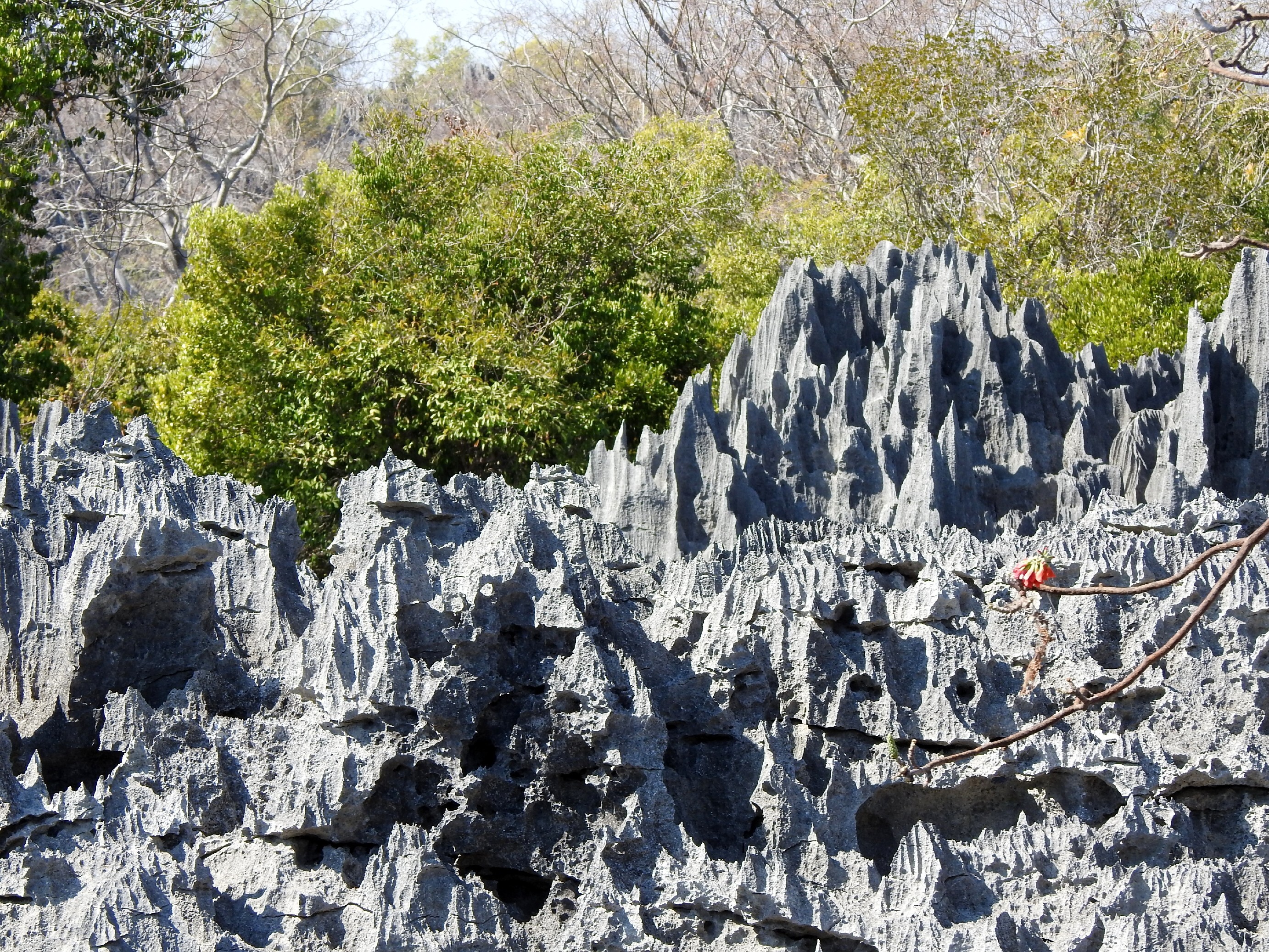
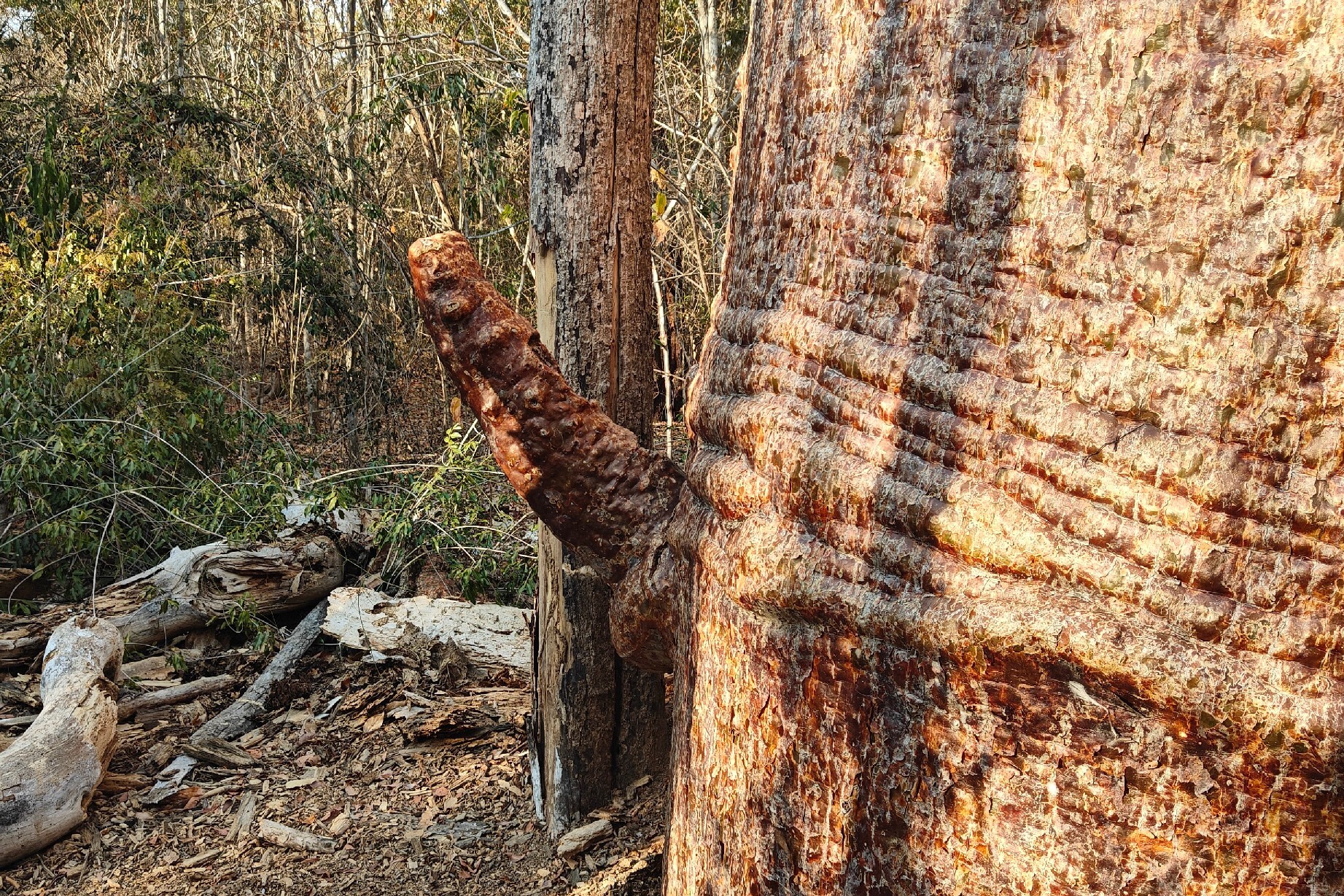
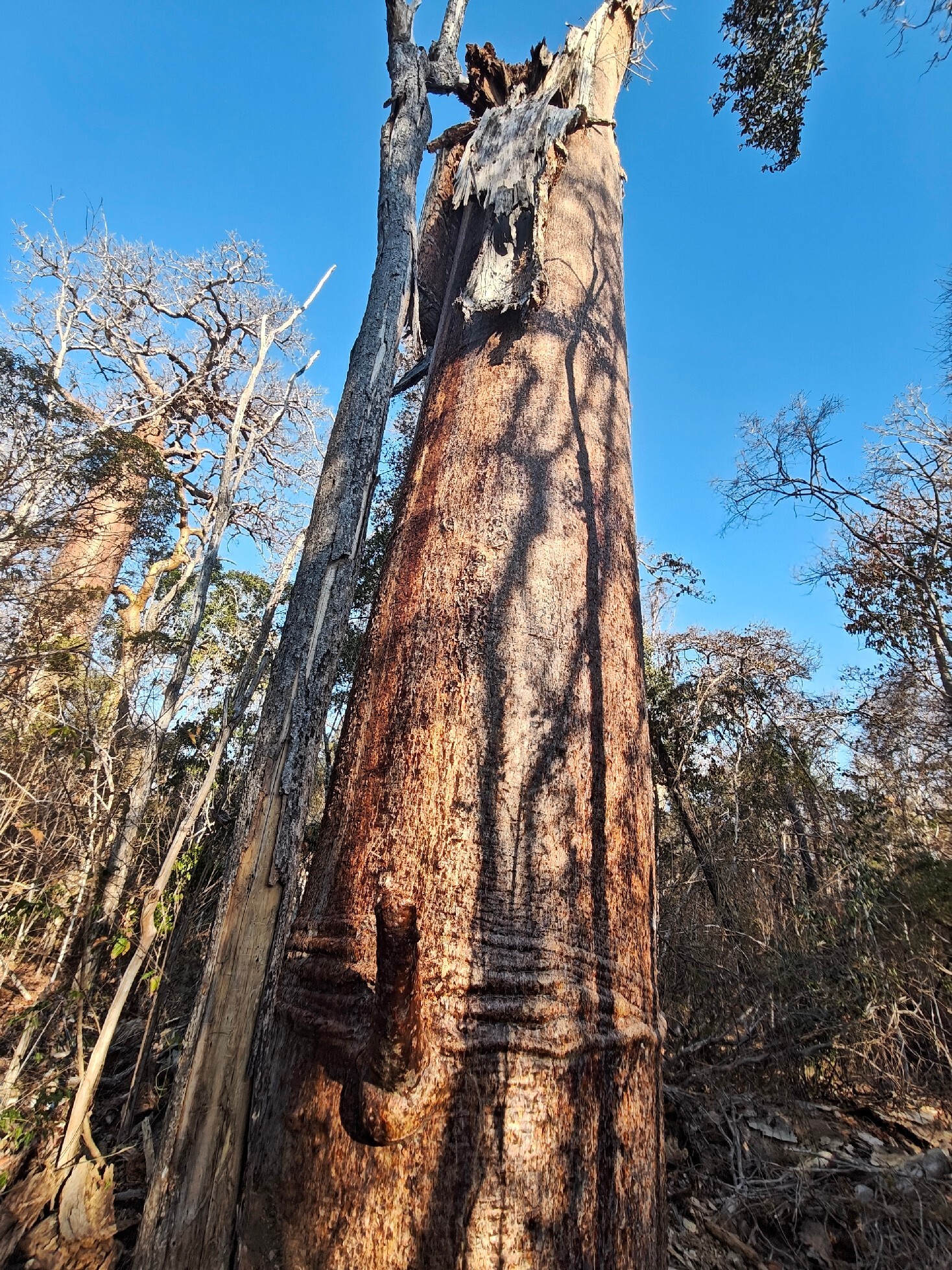
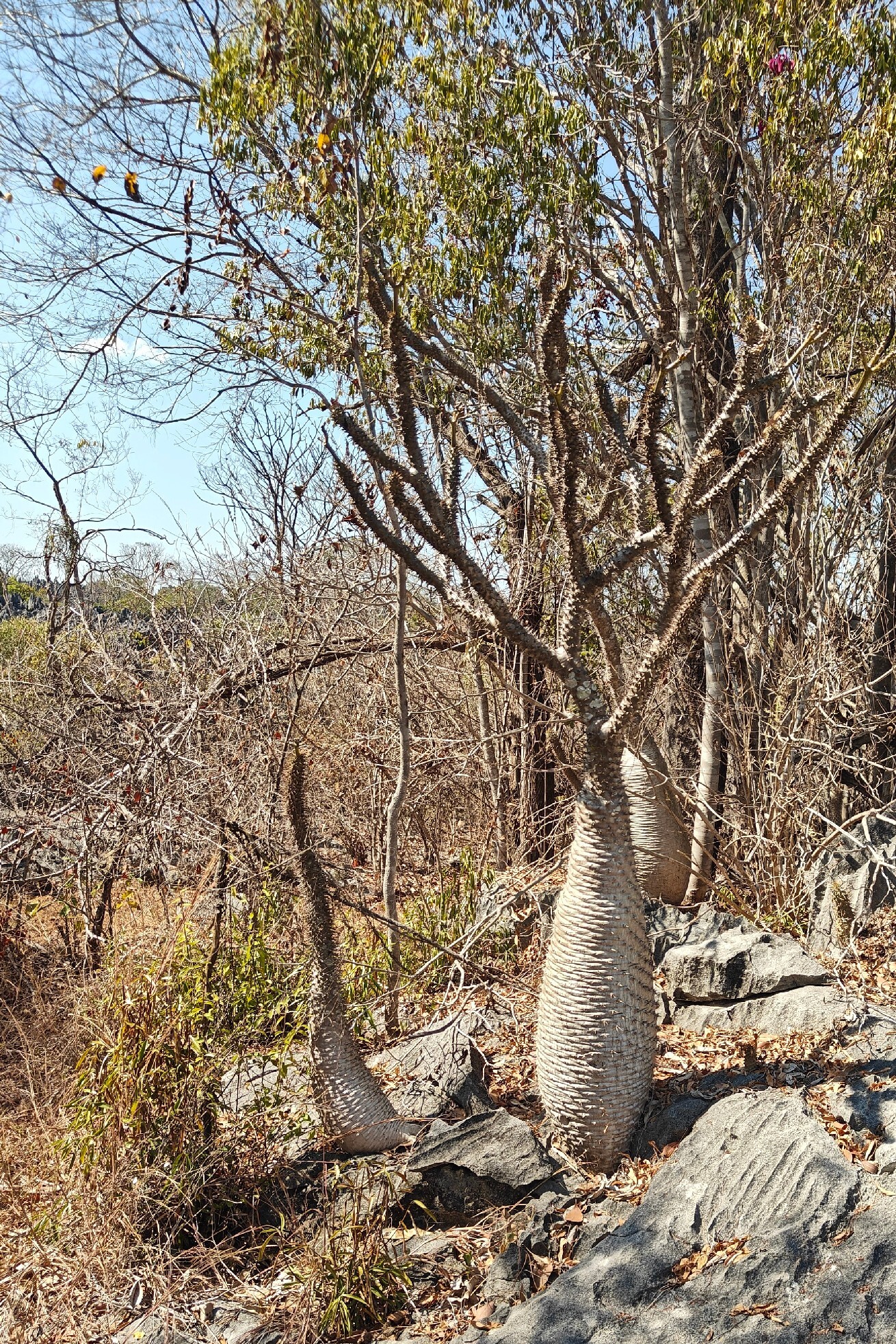
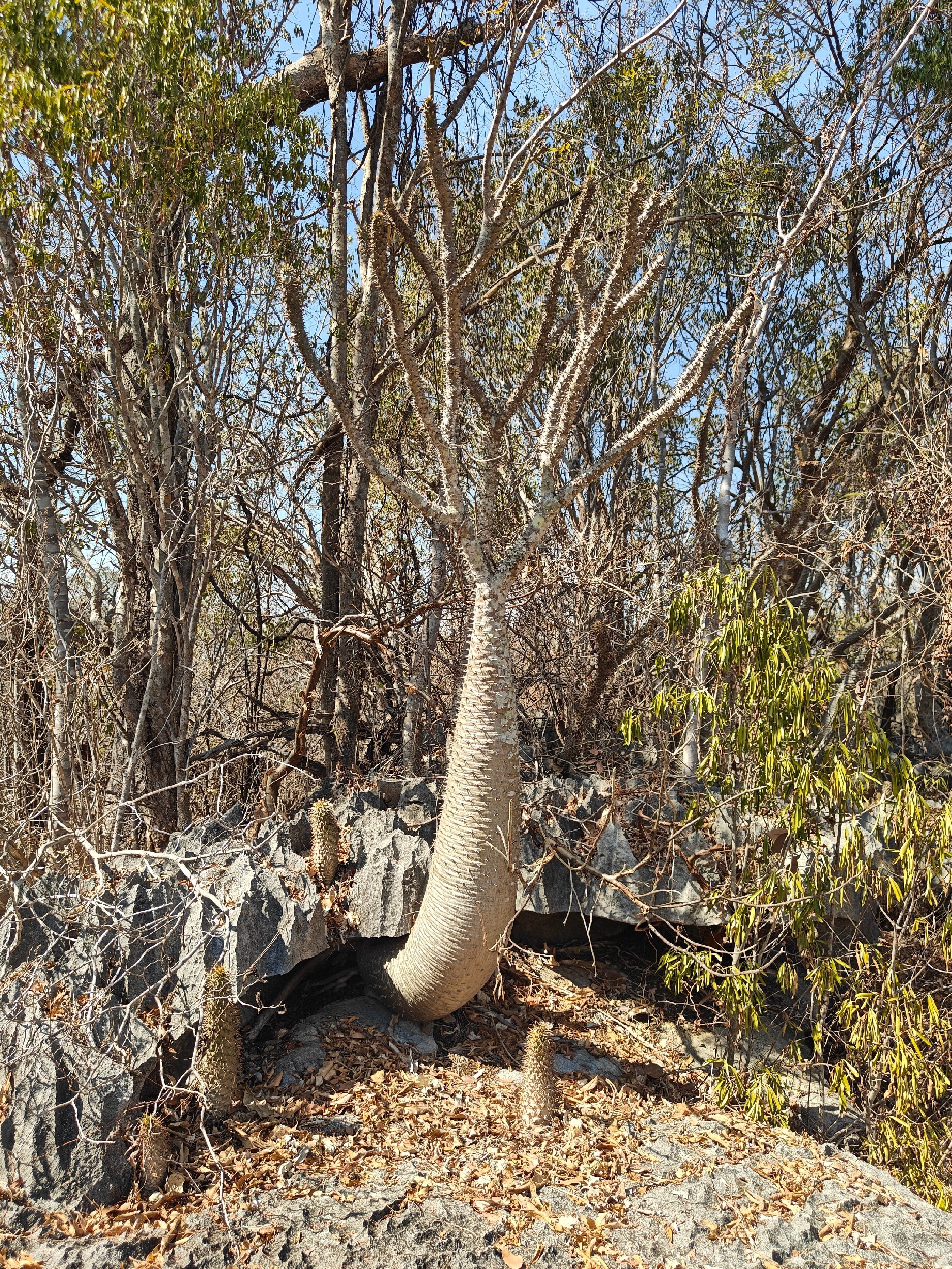
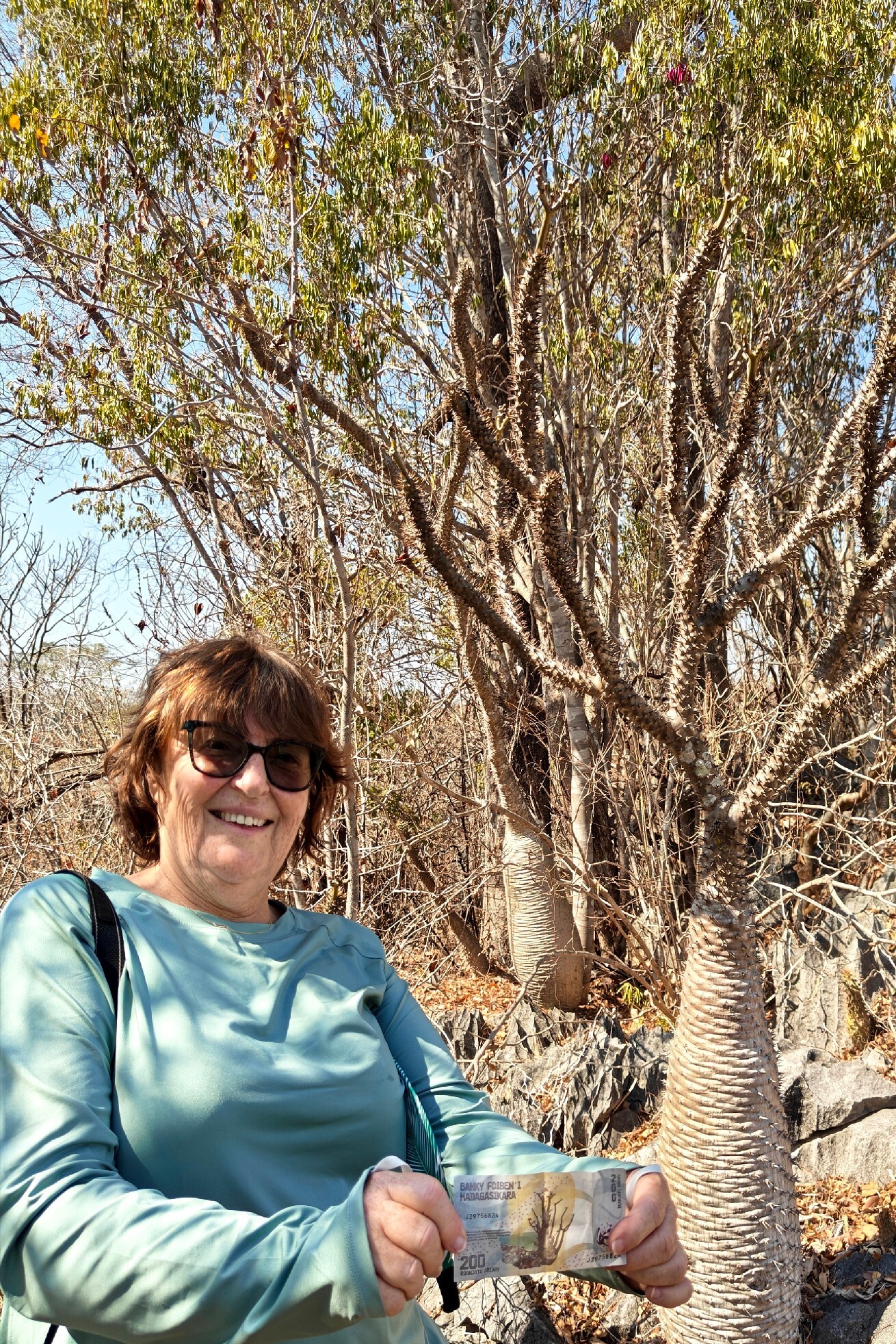
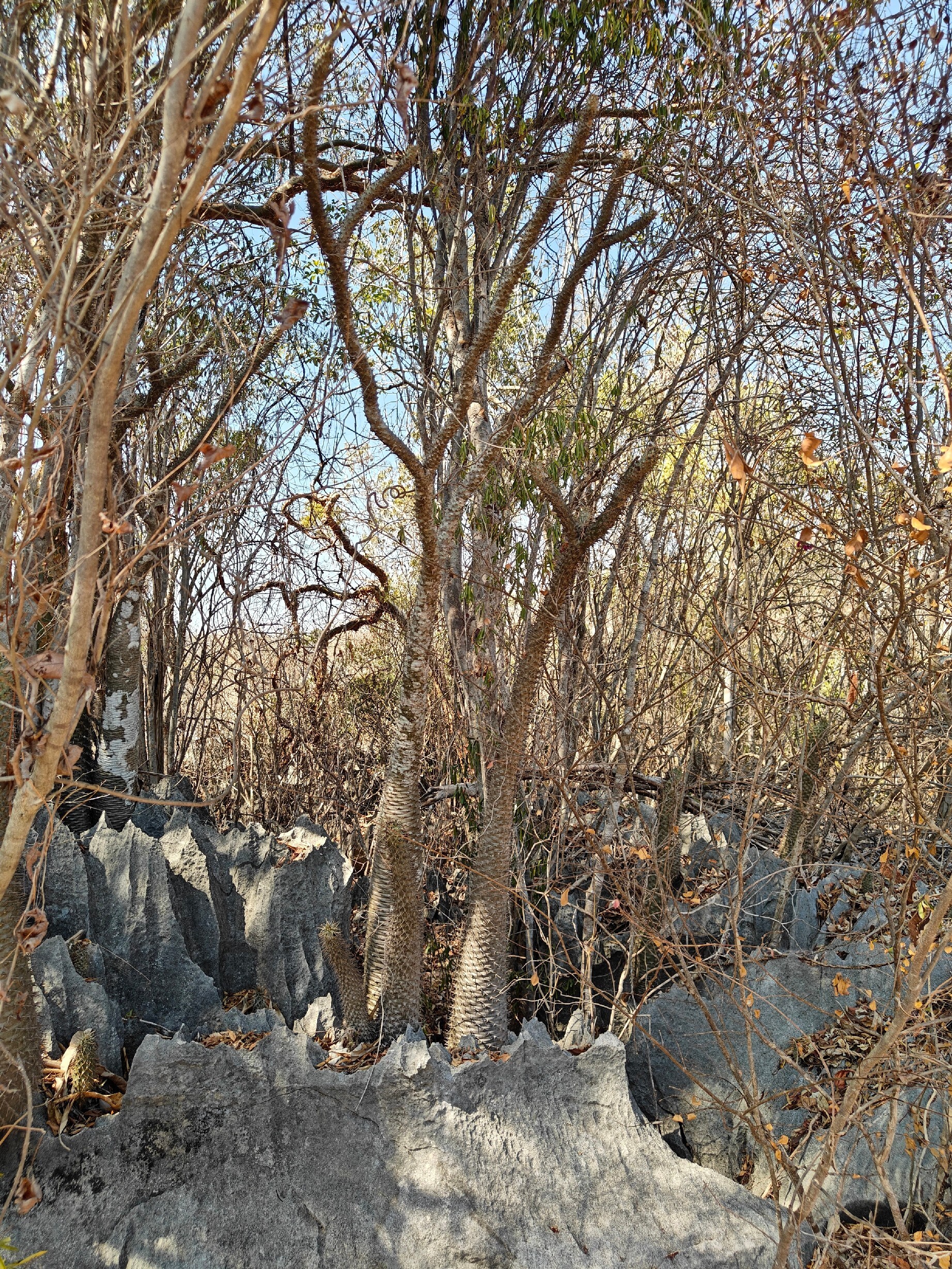
We walked a little further and came to a second viewpoint which was even better. Enroute between the two we came upon elephant foot trees. This tree is on the 200 Ariary note. There were various sized trees at different stages.
Here are shots from the second look out including some Doug took when he bravely walked out on the sharp rocks. 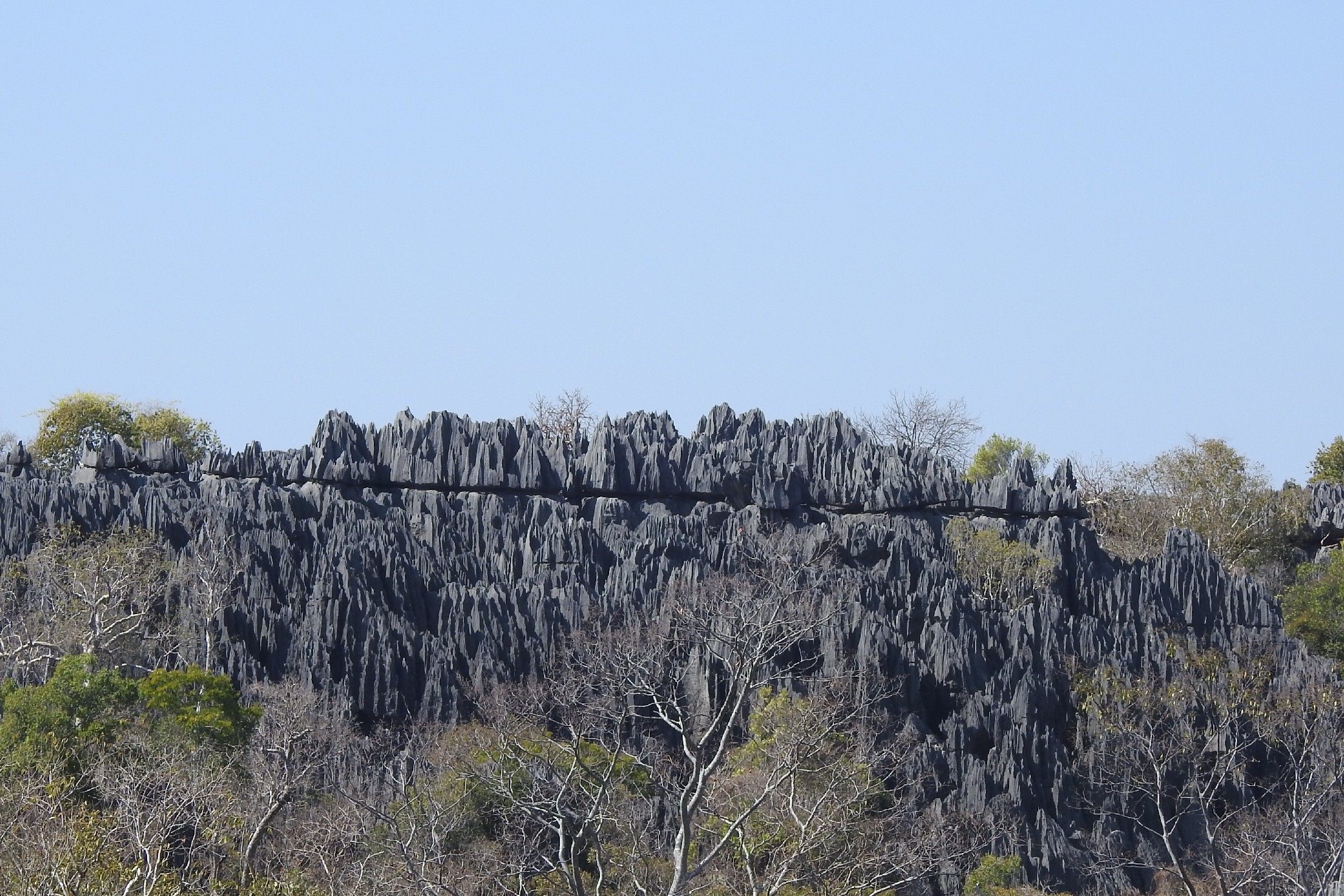
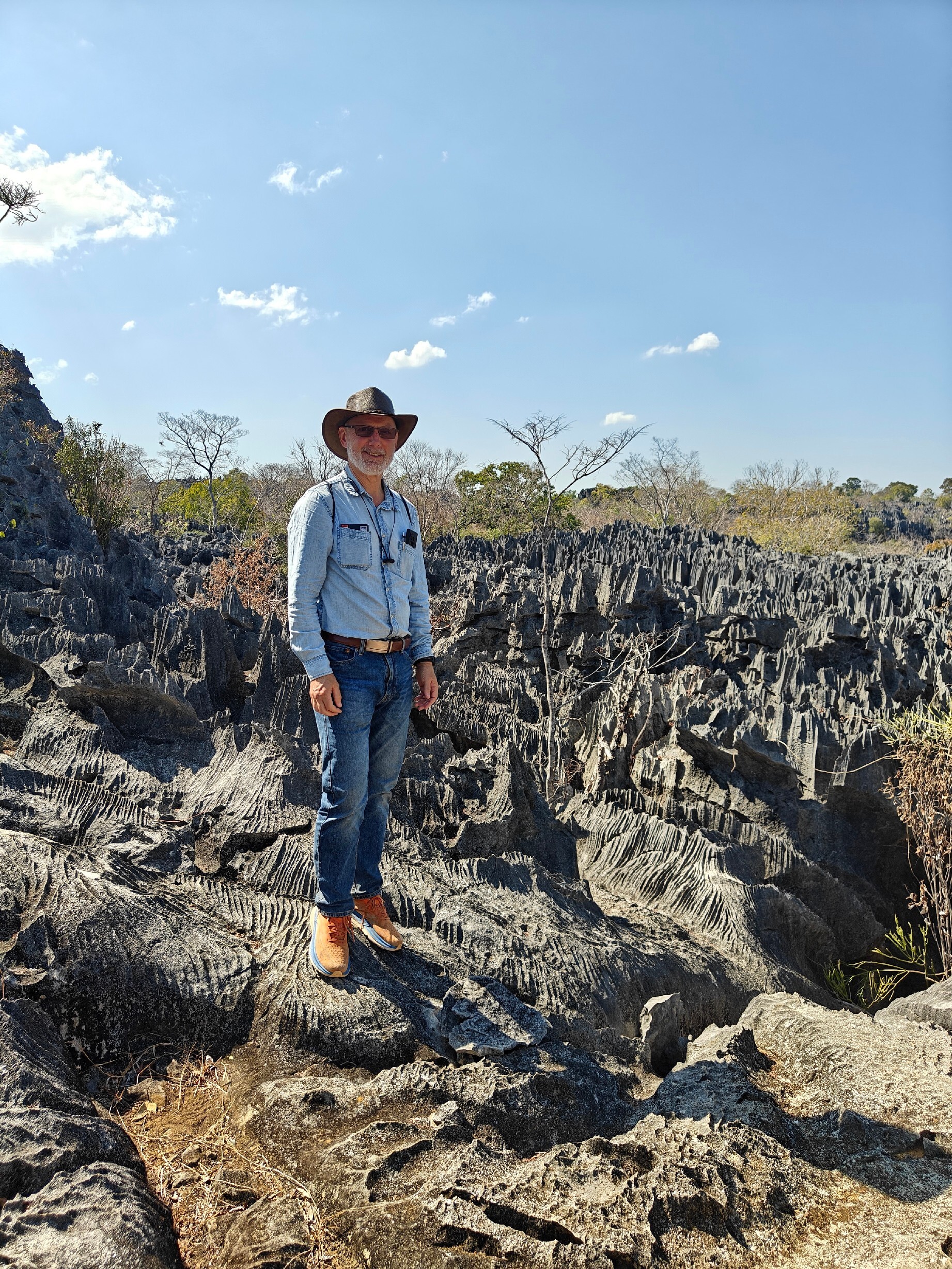
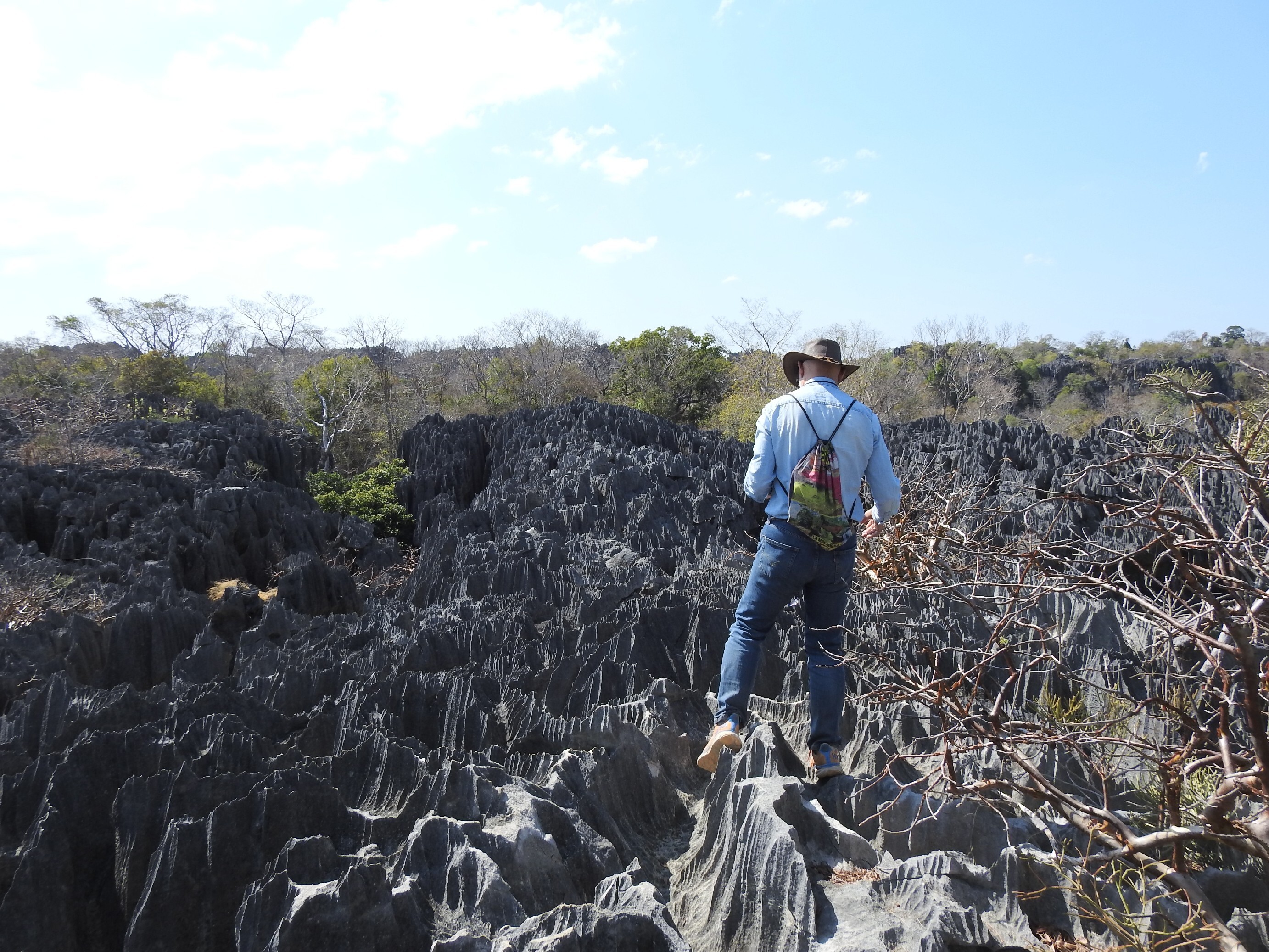
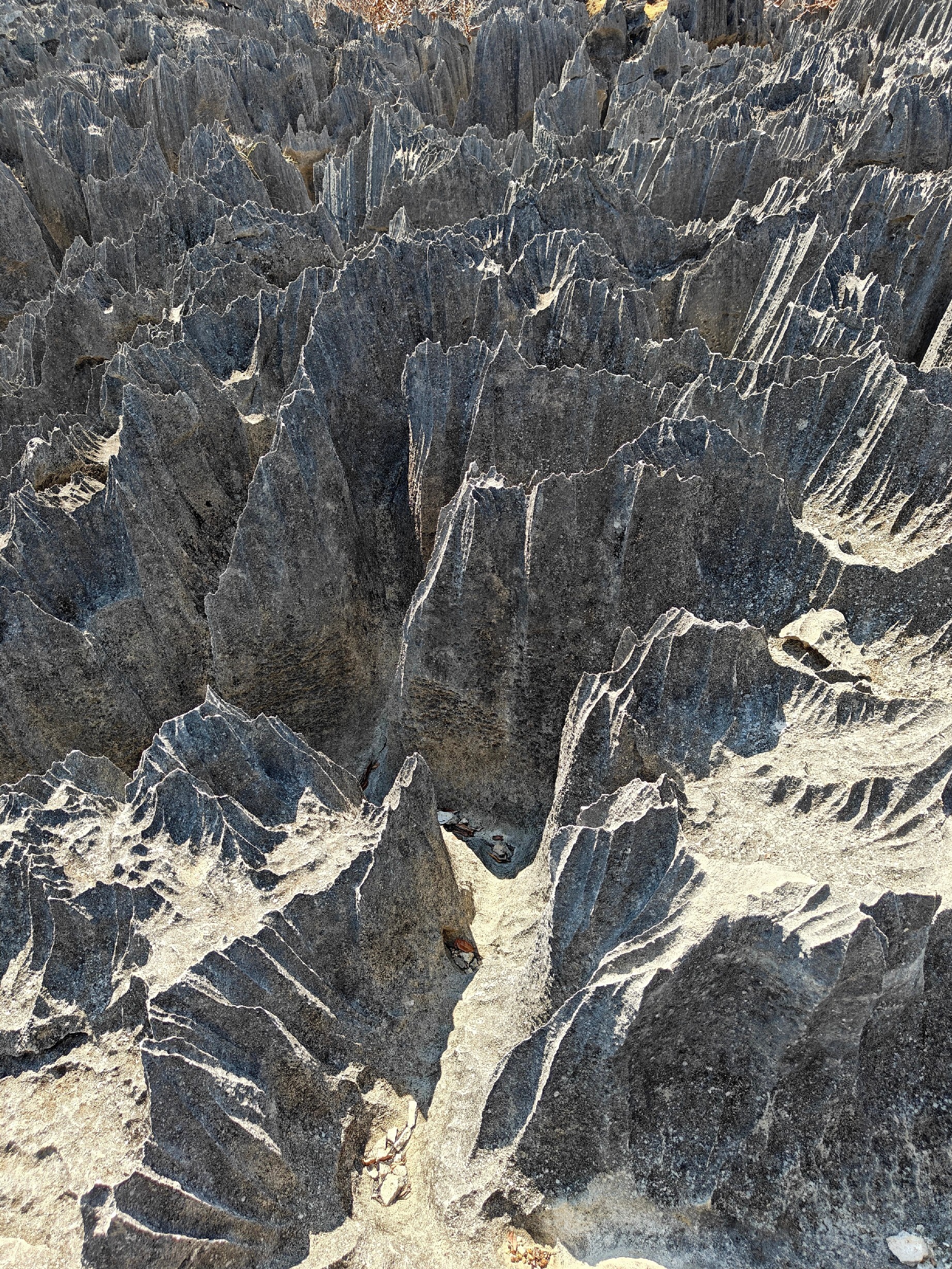
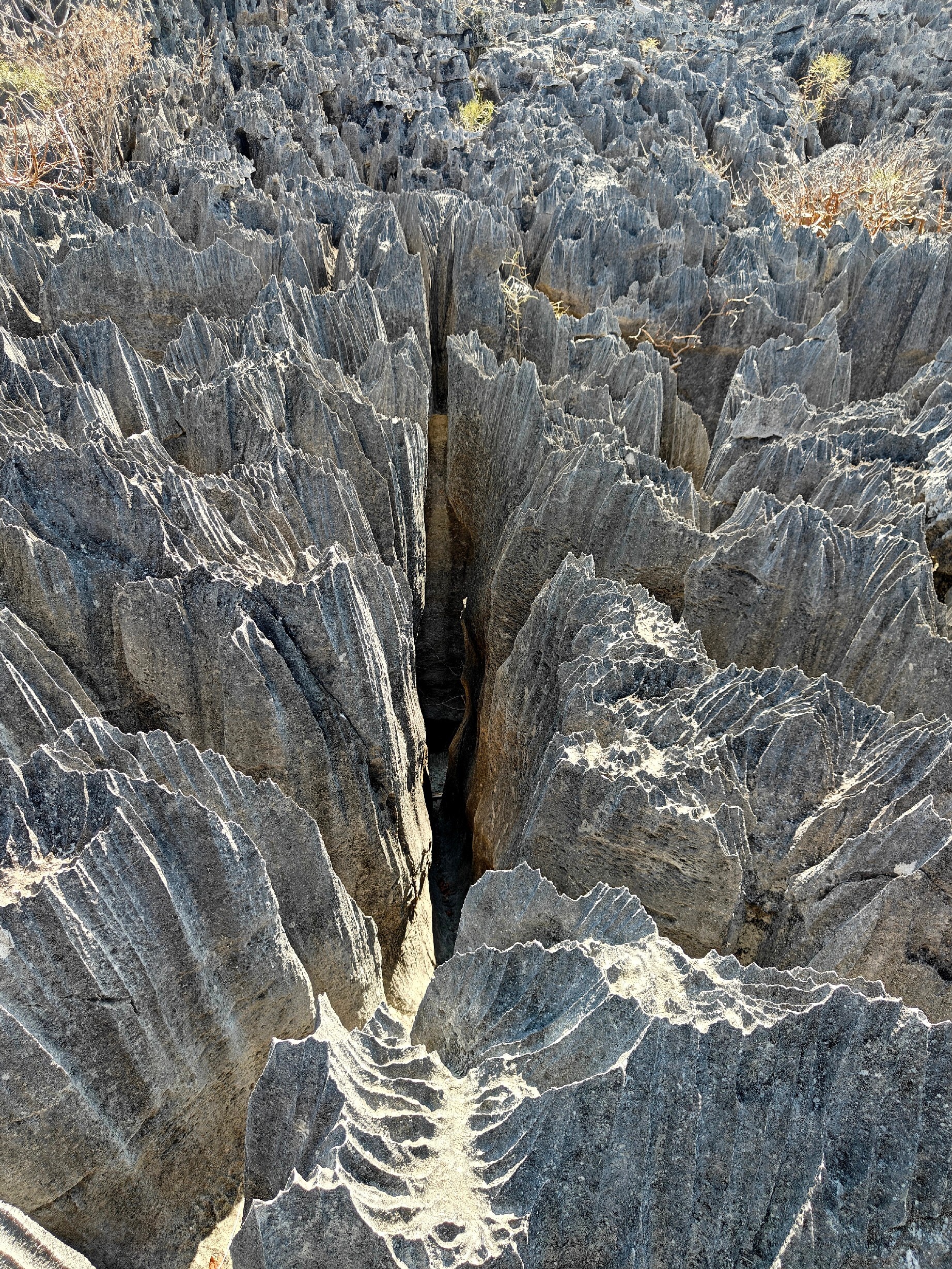
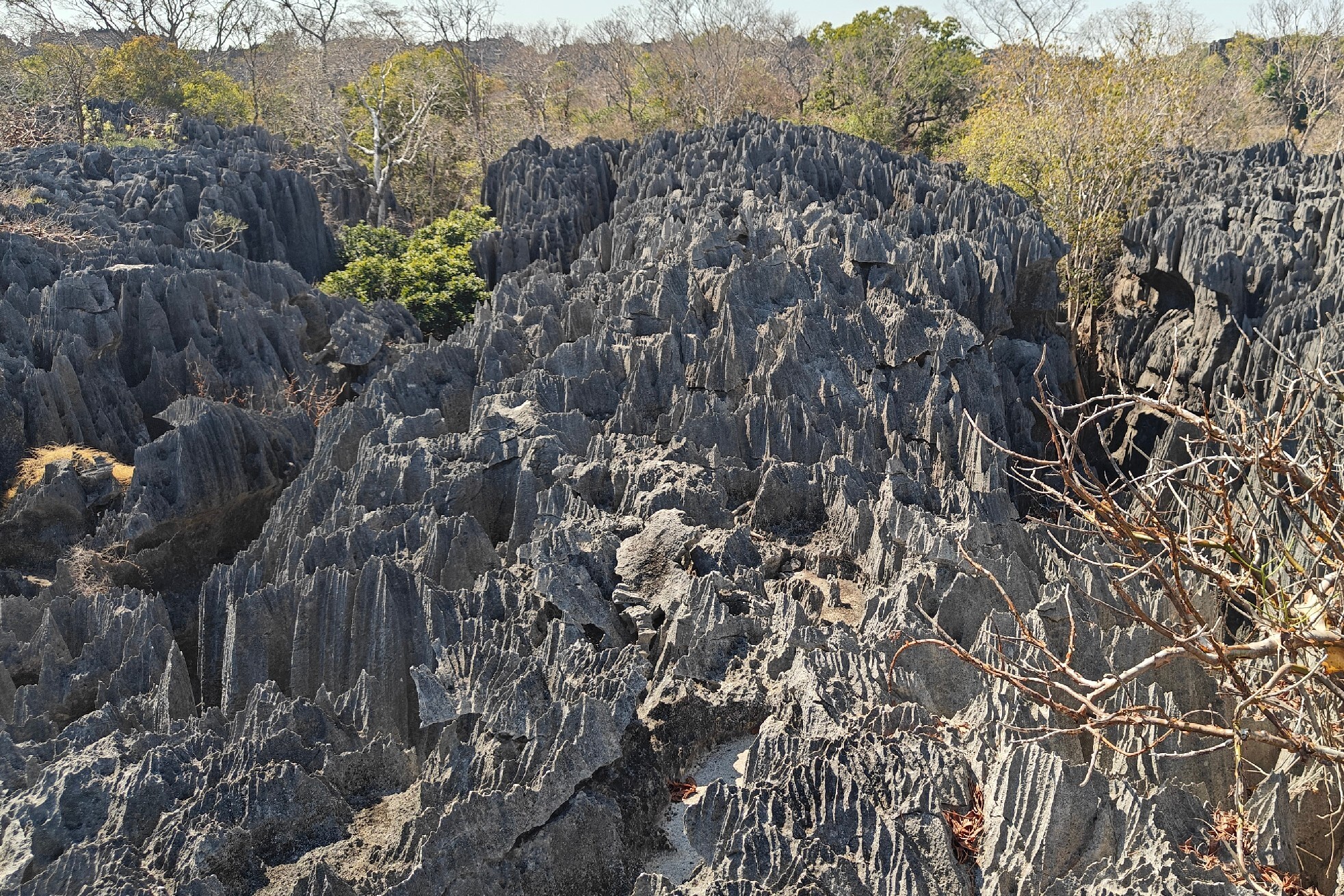


We had planned to add a hike to the small tsingy park viewpoint but as we’d seen them on the boat ride and they couldn’t top this view in our minds (as they are much shorter) we cancelled that in favour of some down time.
So we were happy and had Eric take us back to the hotel for an afternoon of rest. We spent some time online in the restaurant before Fran went for a refreshing swim while Doug went for a shower, then we sat by the pool reading before dinner. During dinner there was a performance by some Malagasy women (the videos are a bit weird, in and out of focus but you can get the gist):
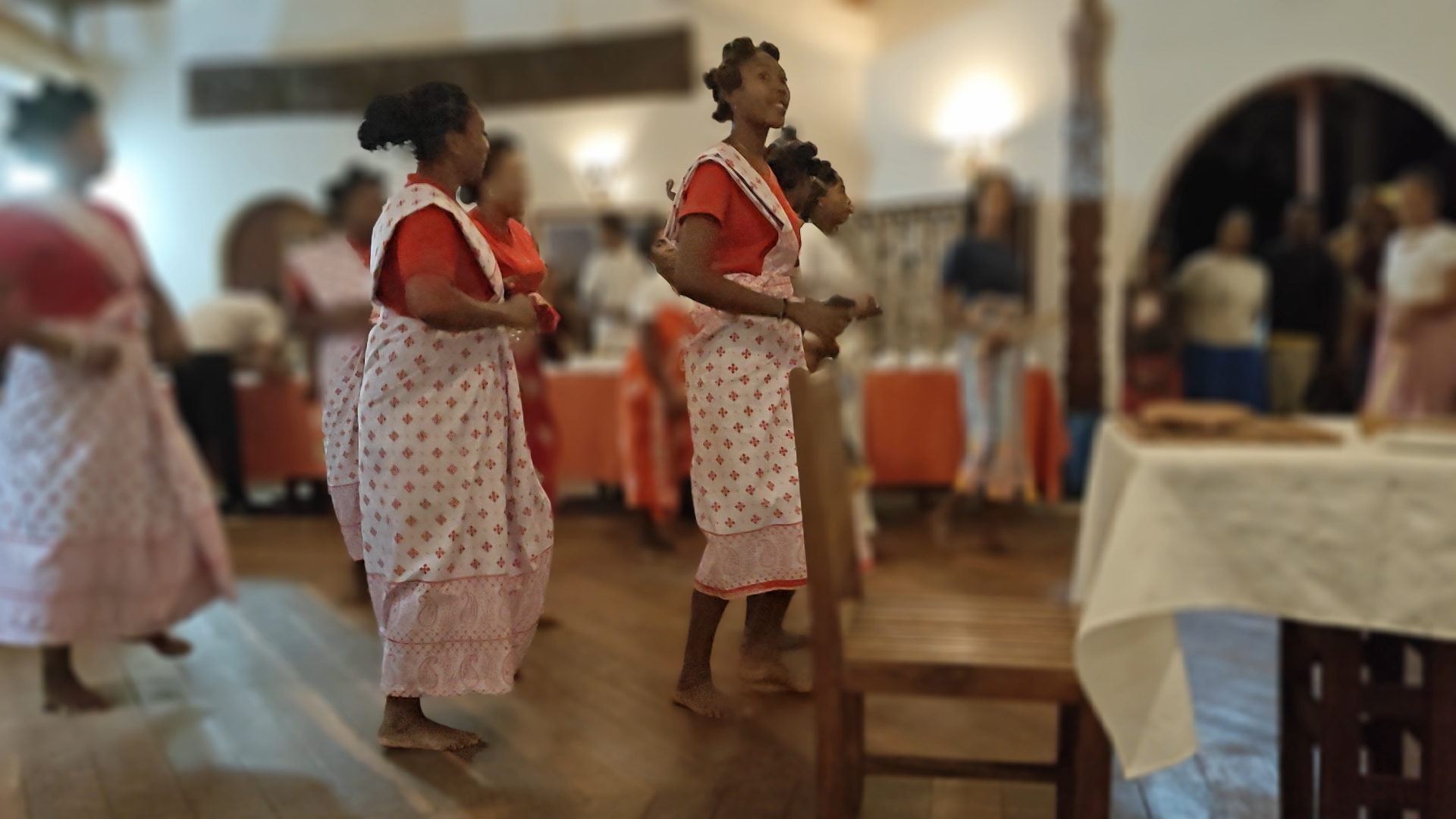
This one is rather loud so turn down your speakers!
Wednesday for a looooong day of driving which turned out not as bad as we had expected. We had enough stops to break it up. We left the hotel at 7 right after breakfast and caught the first short ferry across the Manambolo River.
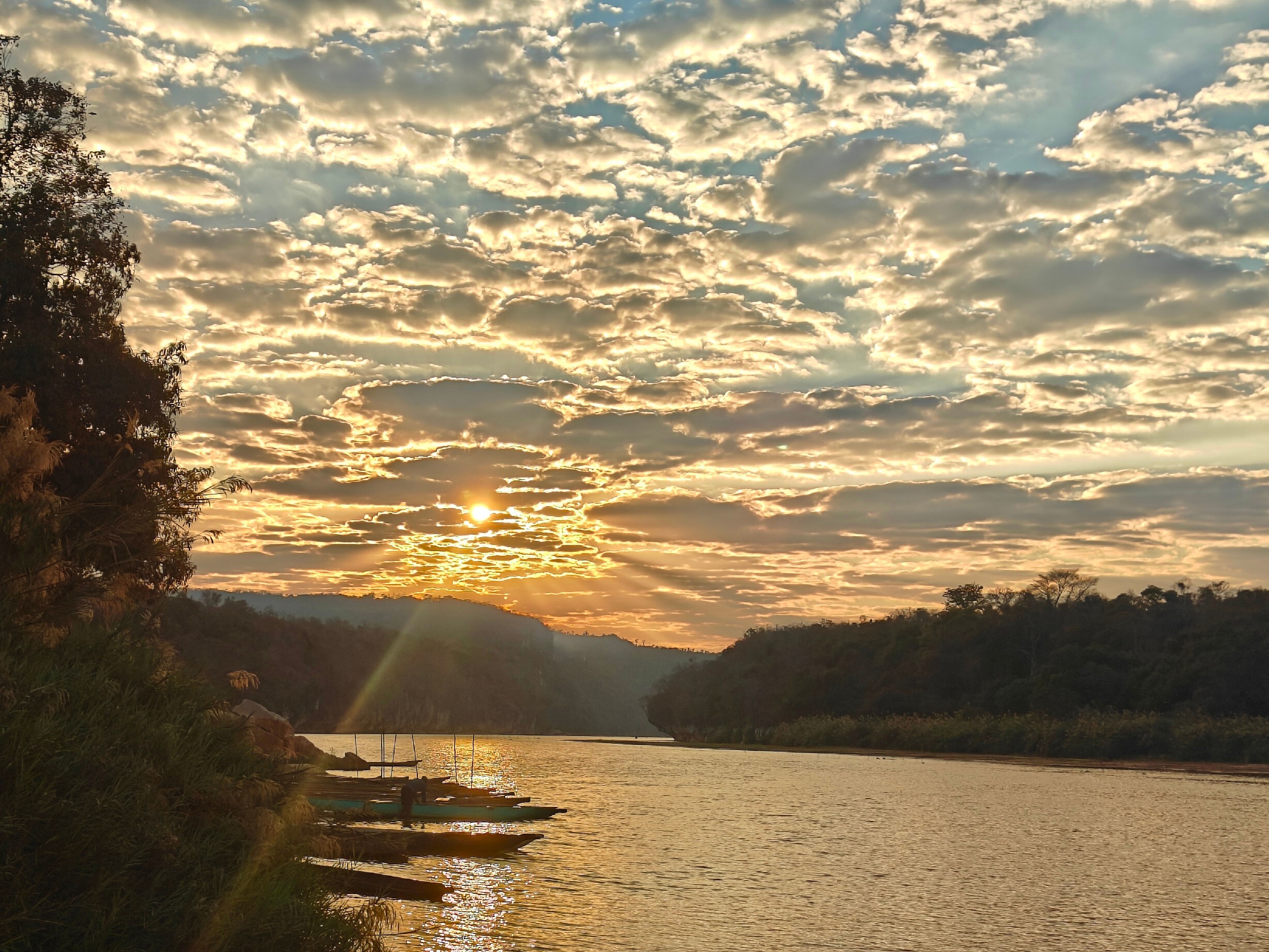
…..then we drove almost two hours before a bathroom break under the mango trees (there were several other vehicles there doing the same thing!).
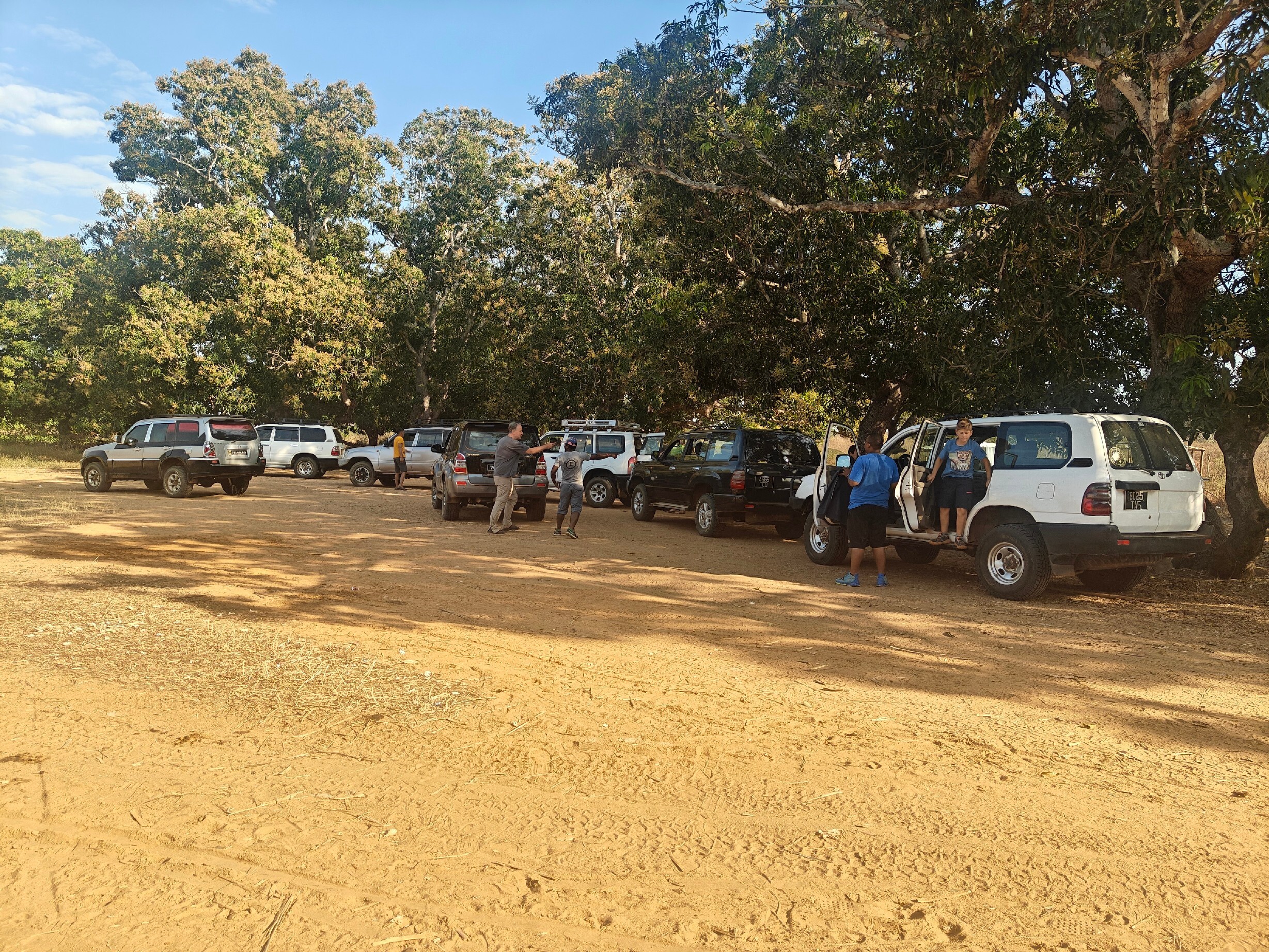
Before crossing the larger second river, in the same town as we’d had lunch at the other day we asked Haja to take us to a different restaurant out of the village this time rather than returning to the overprice touristy Mad Zebu Cafe and we enjoyed a lovely quiet lunch at the La Riviera before moving on and catching the second ferry across the larger river.
At the ferry, Fran met a young girl who was learning English named Anik. They spoke for a while during which time, Doug taught Haja how to make balloon animals and they made several for some children. Then Alex turned up again and the two of them walked on the ferry with us to chat and practice their English and learn some life lessons from Doug.

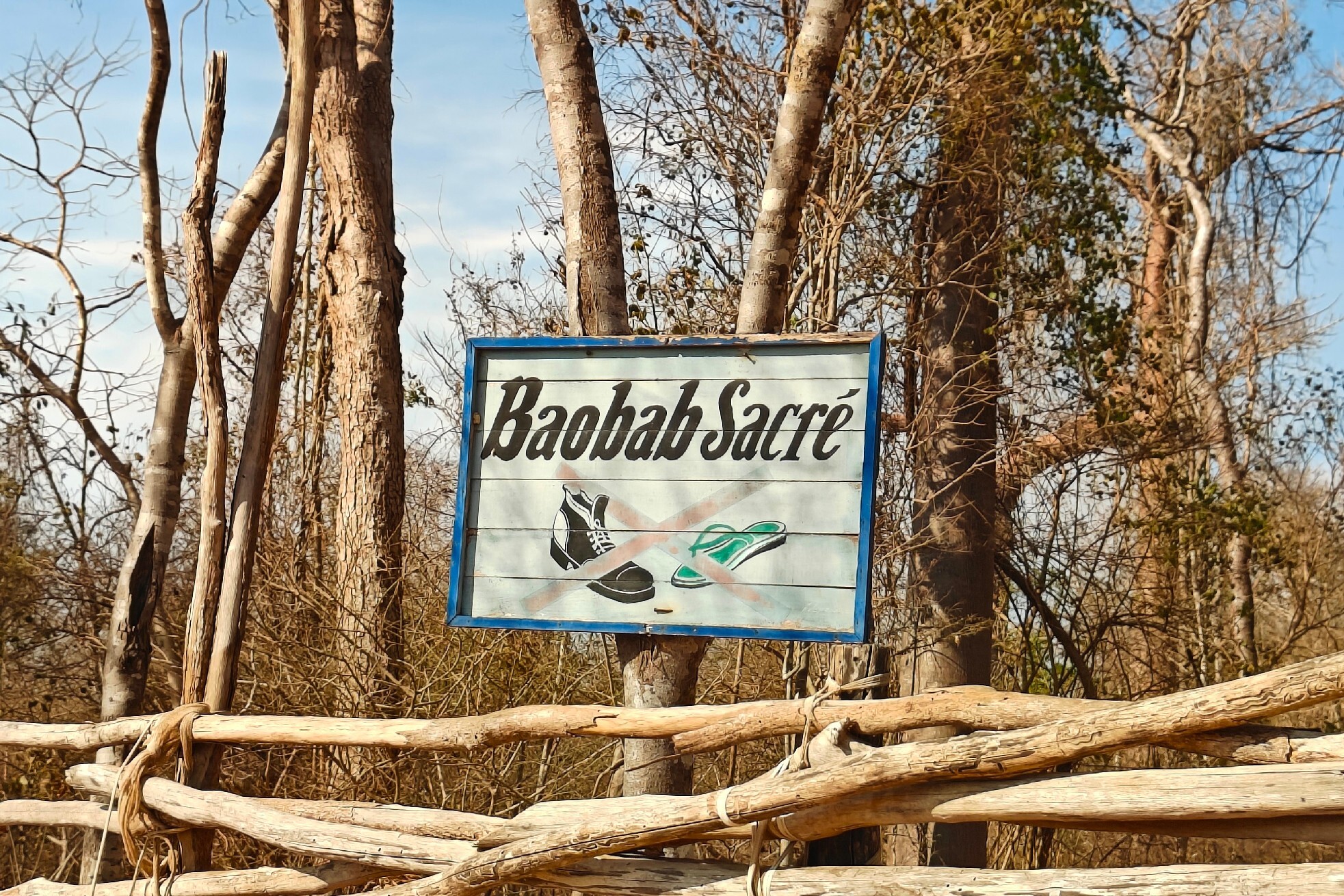
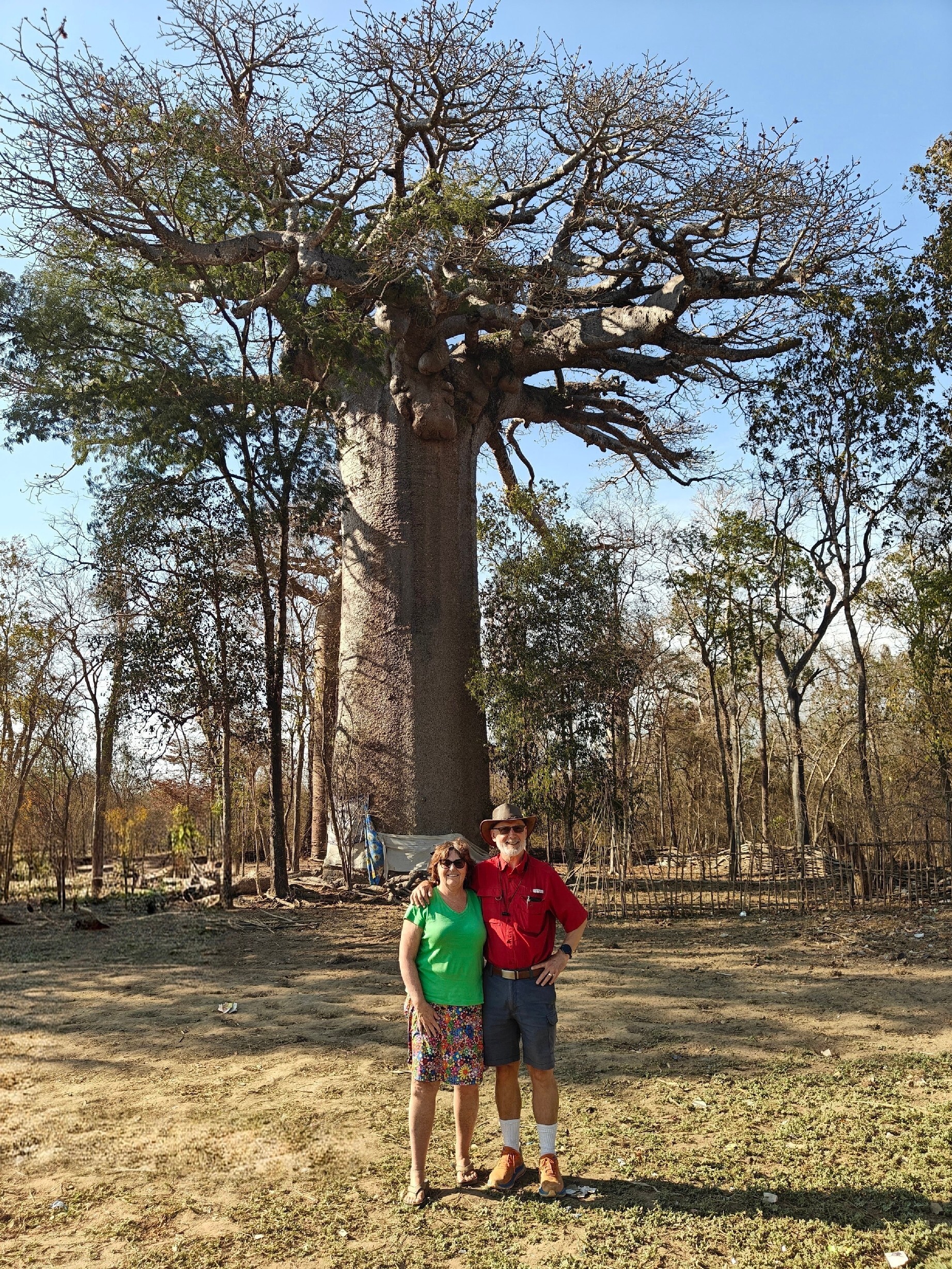
We drove again for quite a while to near the hotel at Kirindy we’d stayed at 3 nights ago, and stopped at the Sacred Baobab Tree. Here people leave offerings for the gods and have celebrations around the tree.
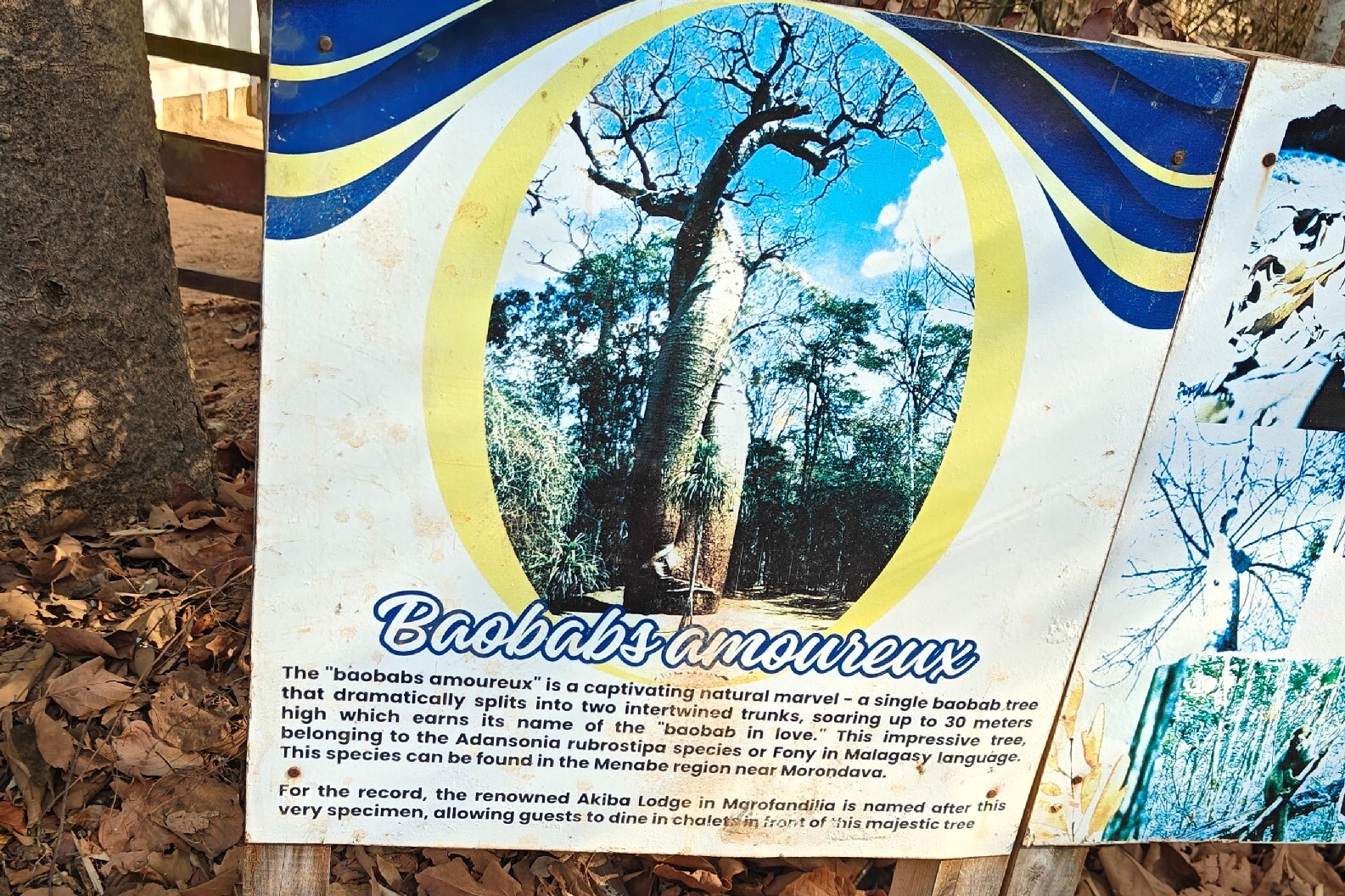
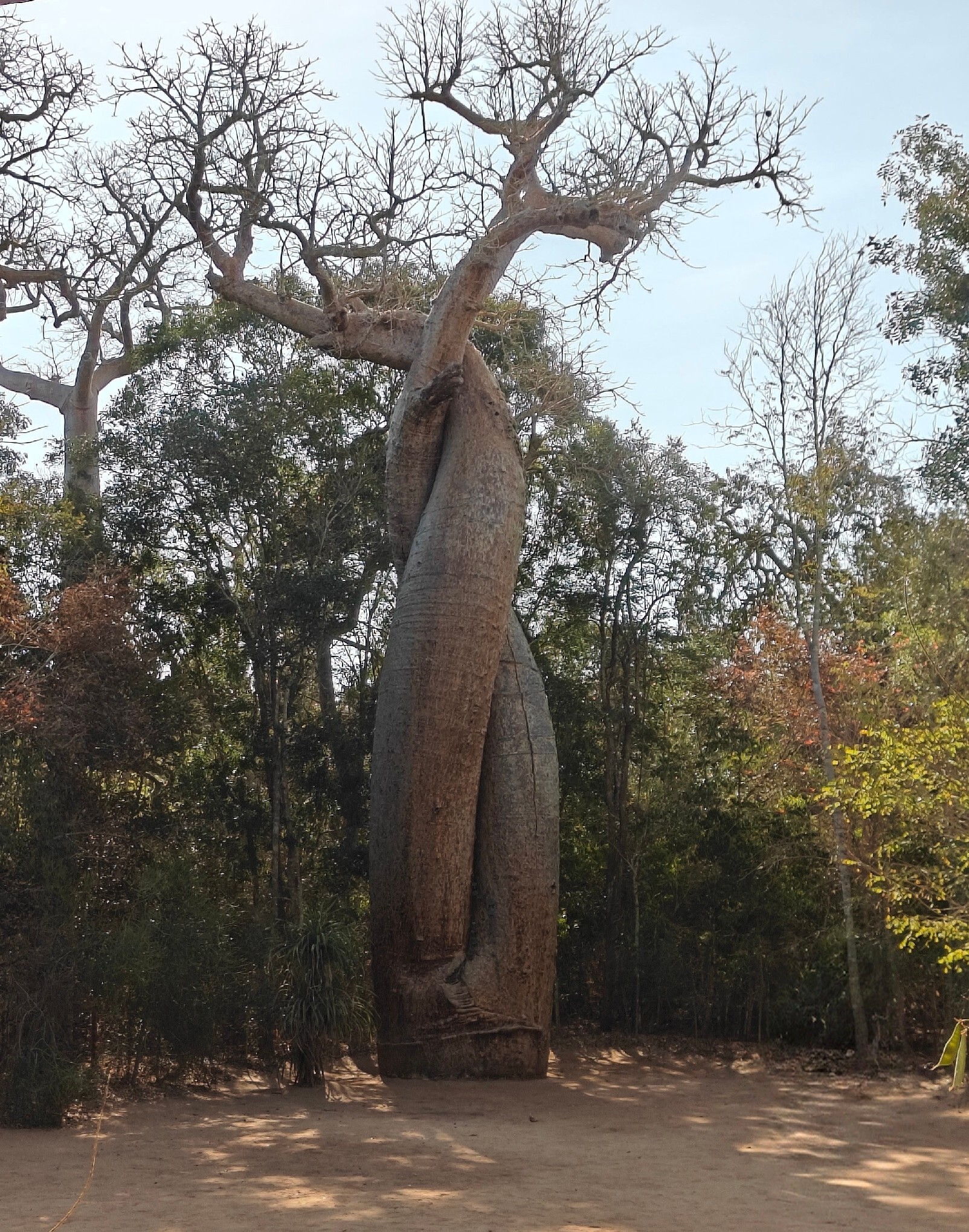
Next a little further down the road was the Baobabs in Love tree at the Akida Lodge – a pair of twisting trunks form the same seed that was pretty cool.
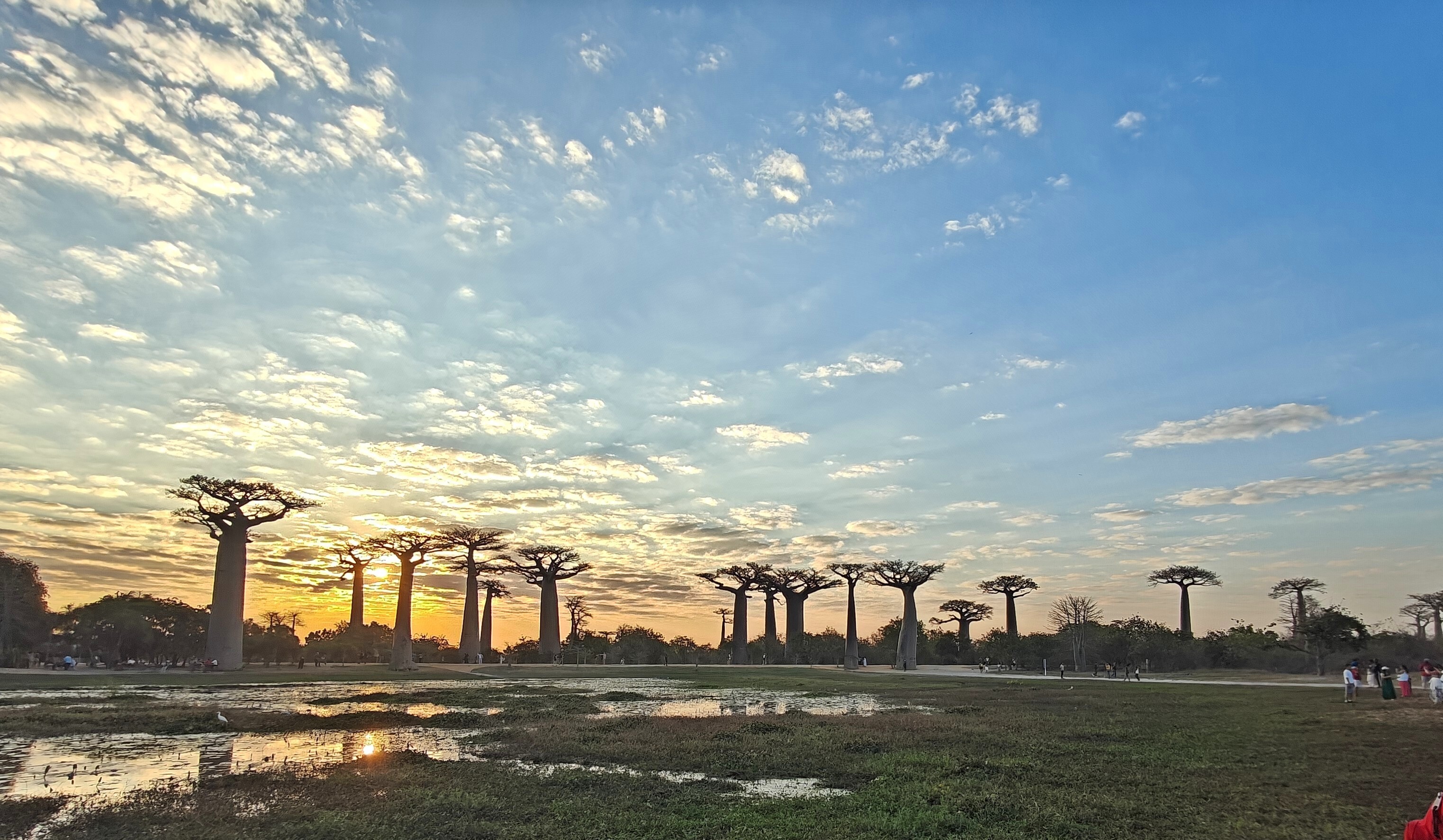
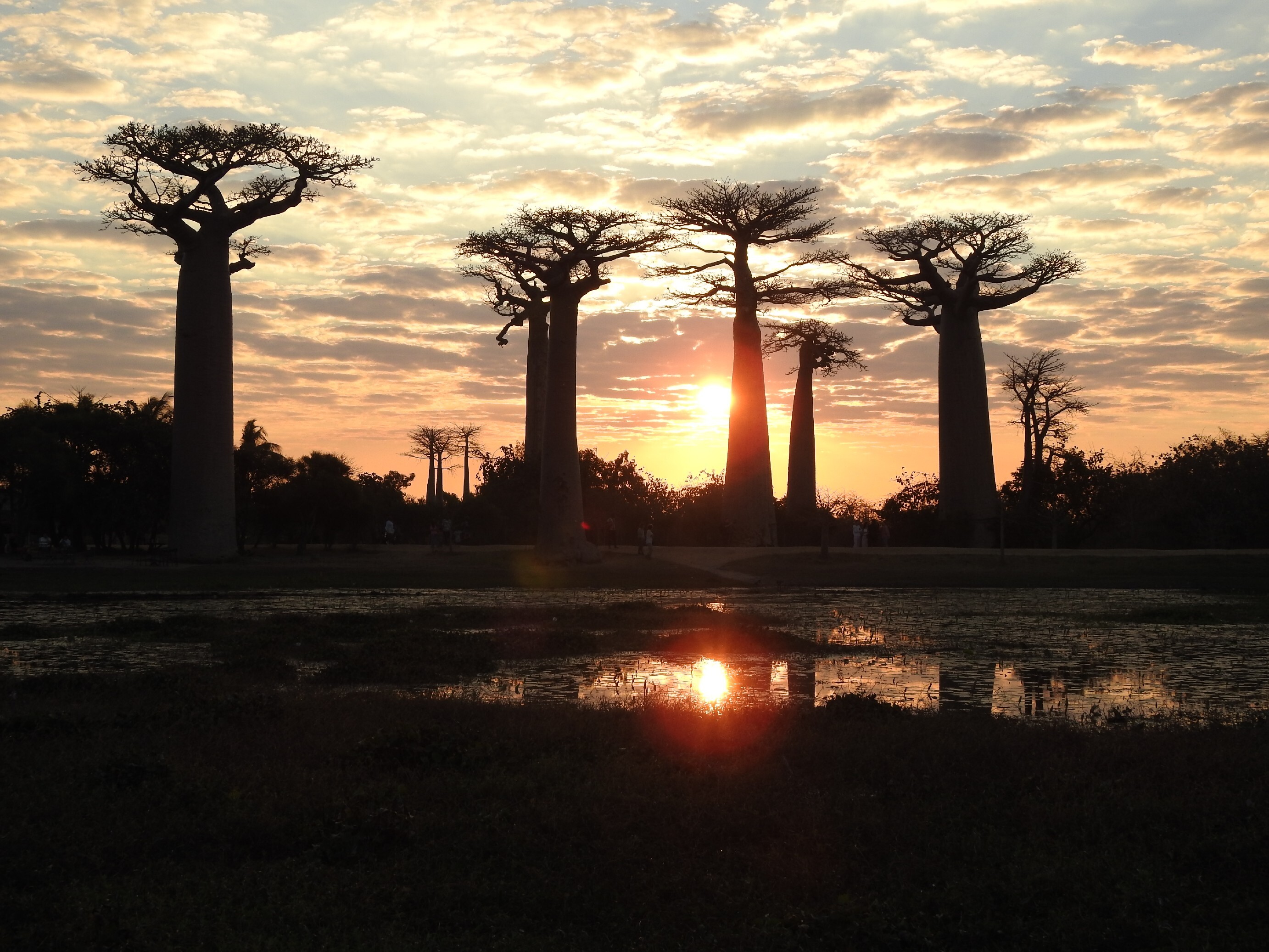
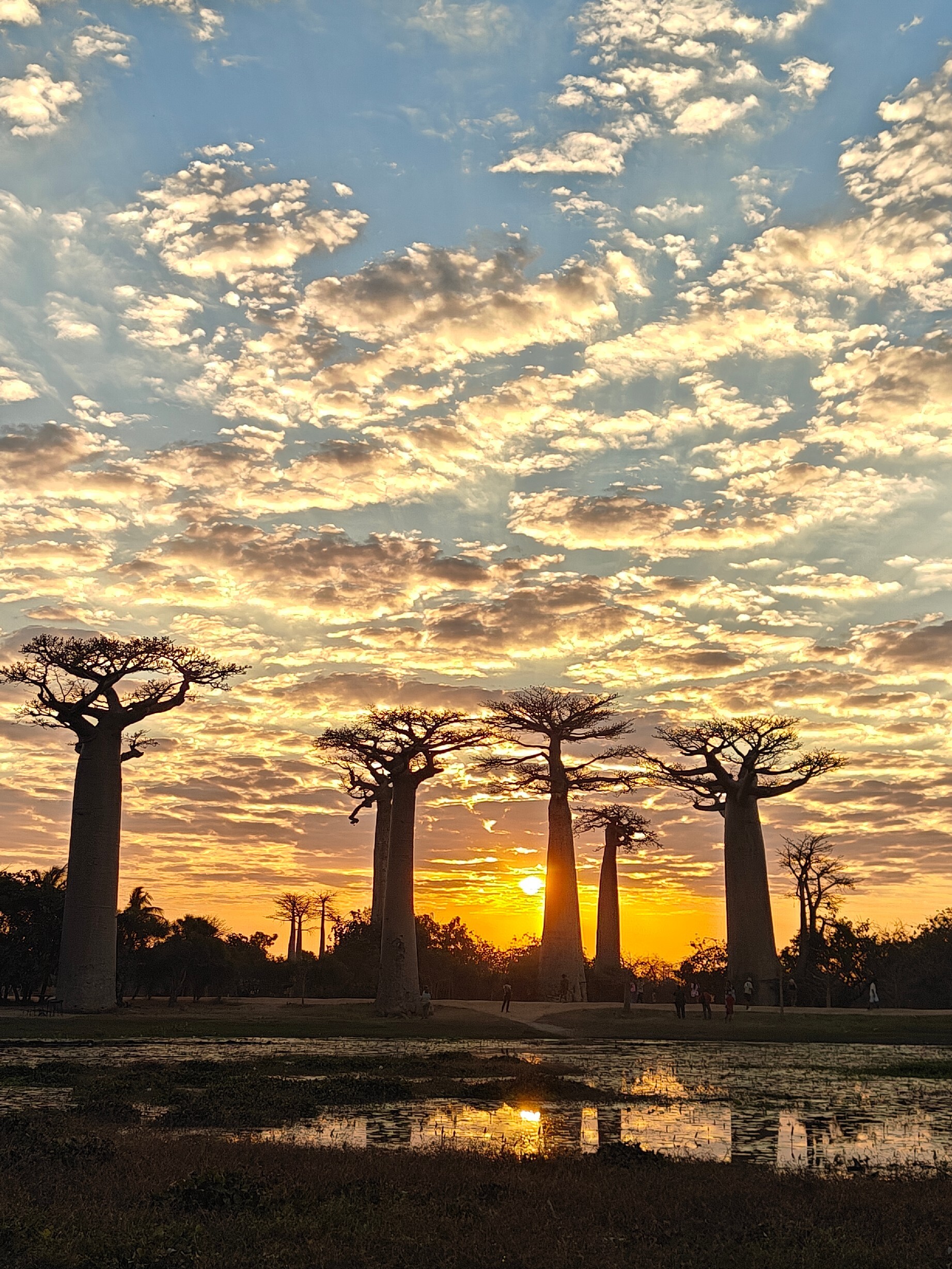
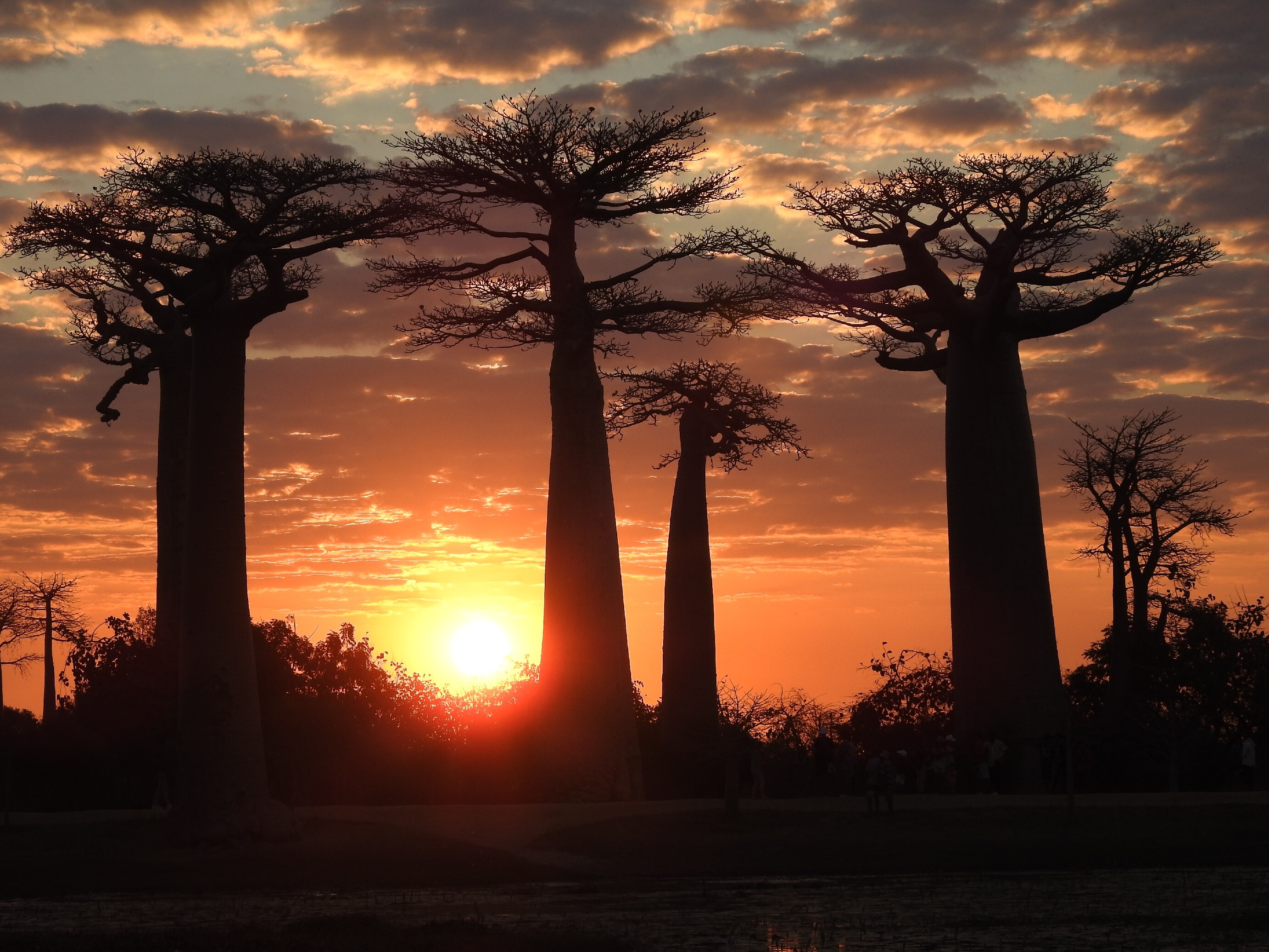
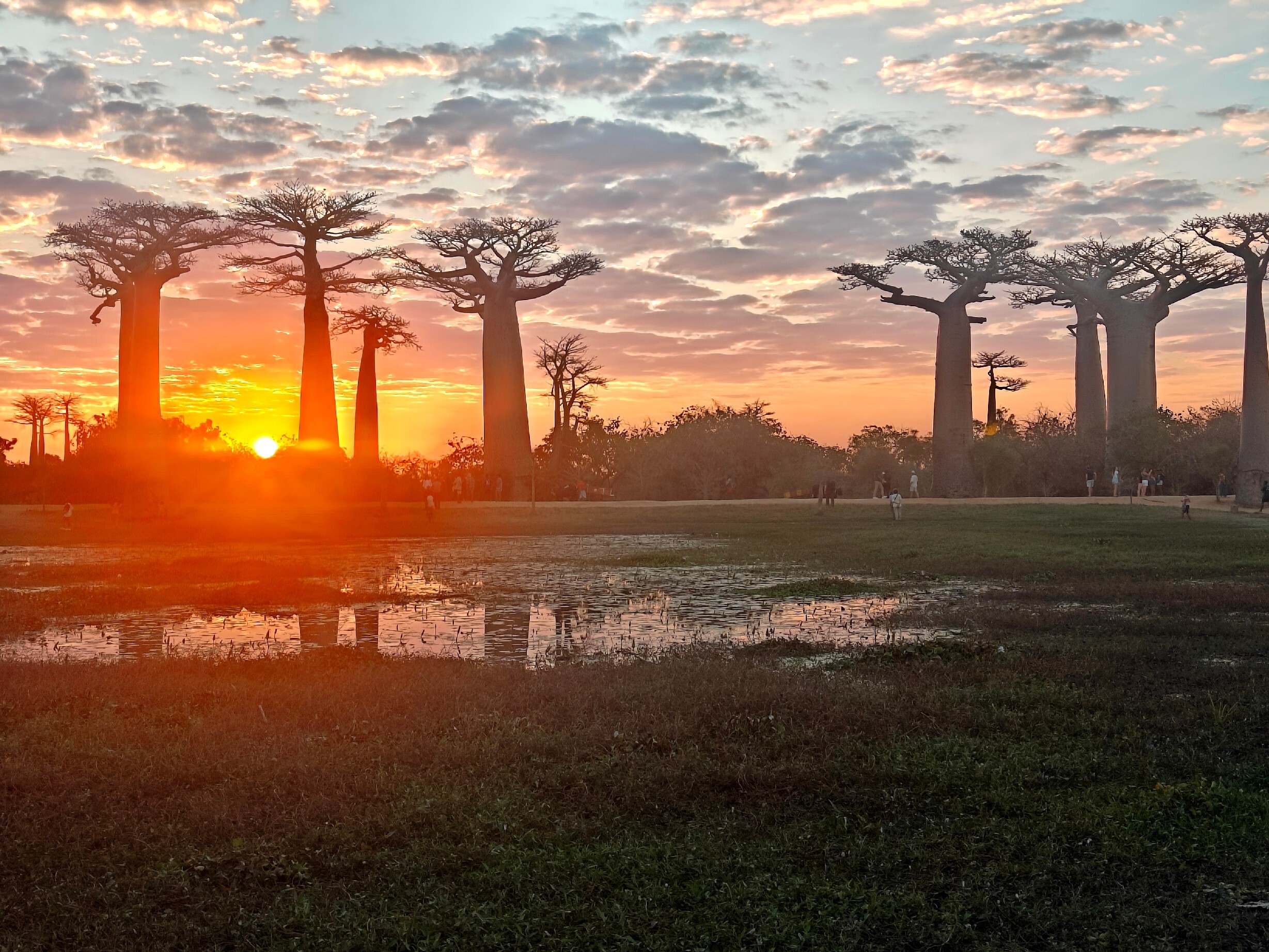
 Then it was on to the highlight of the day, the Avenue of Baobabs once again to see it at sunset. We were over an hour early and Eric dropped us off at one end and we walked through the Avenue taking photos.
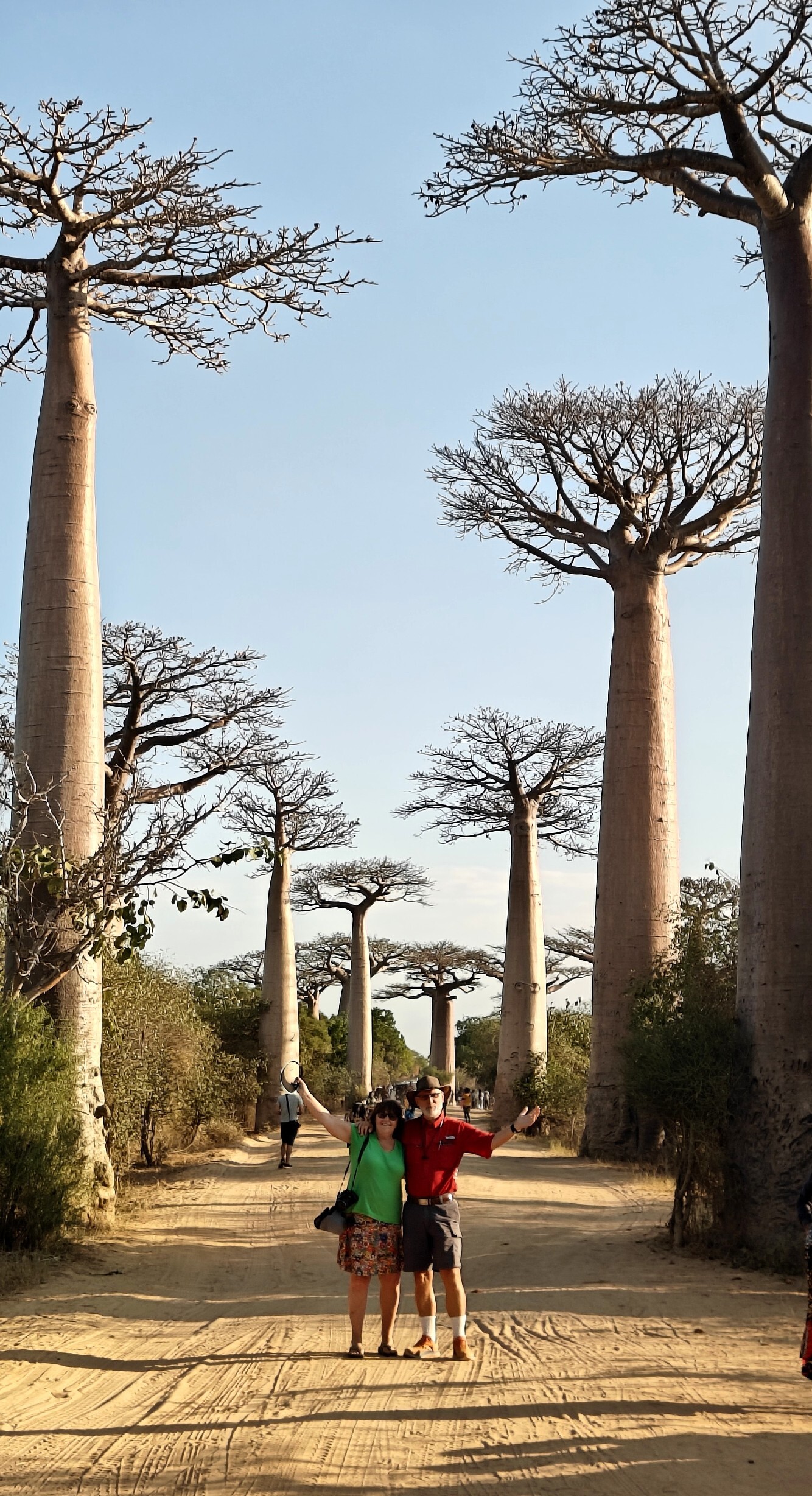

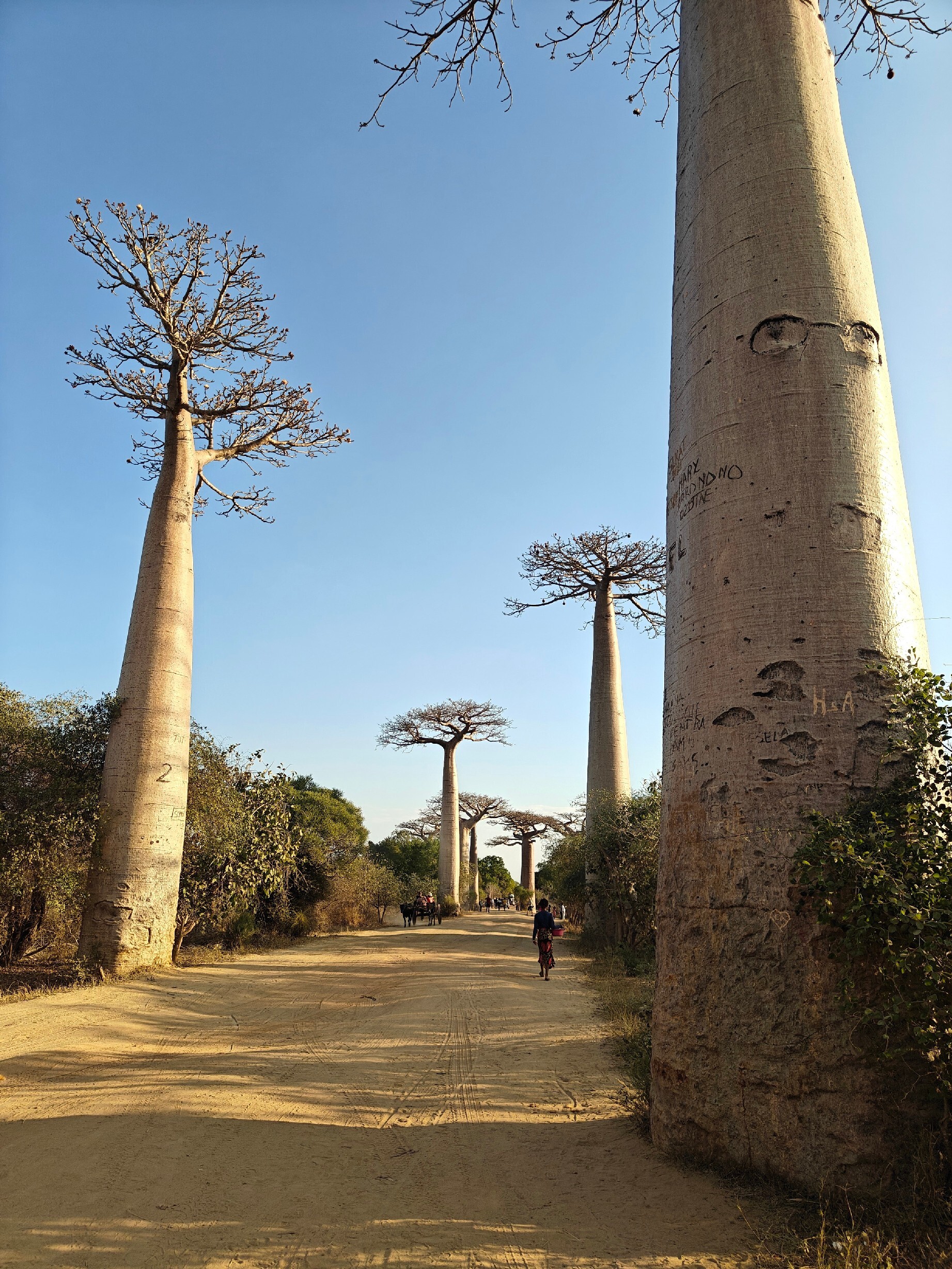
Doug asked Haja to translate a sign for us and it turns out that there’s a woman’s cooperative that is planting more baobabs and for about $3 USD you can pay to have a tree planted. We thought that this was a great idea and purchased one and Doug suggested we should plant it in his brother-in-law, Mark’s honour so we paid an additional small fee to have a plaque made.
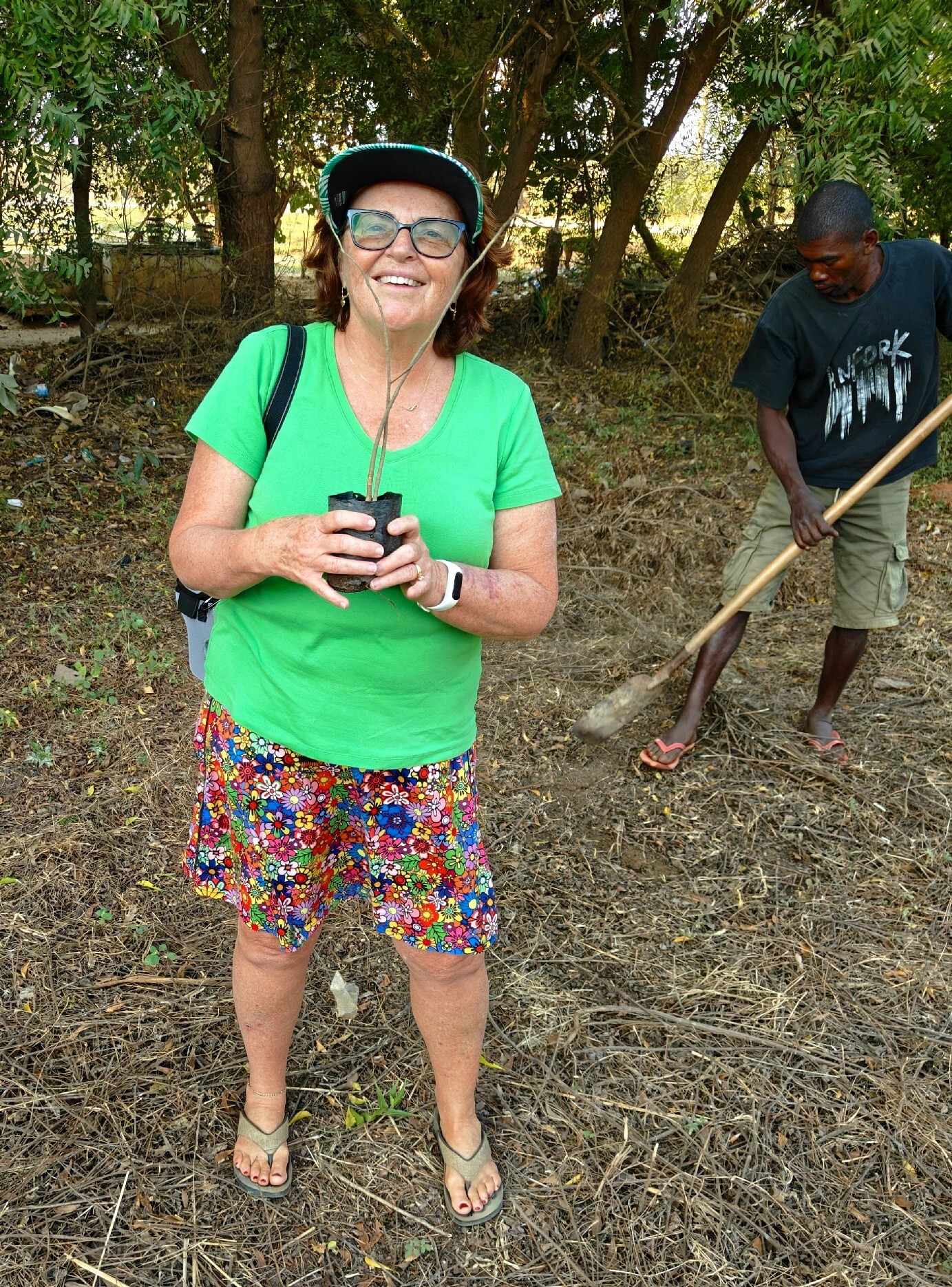
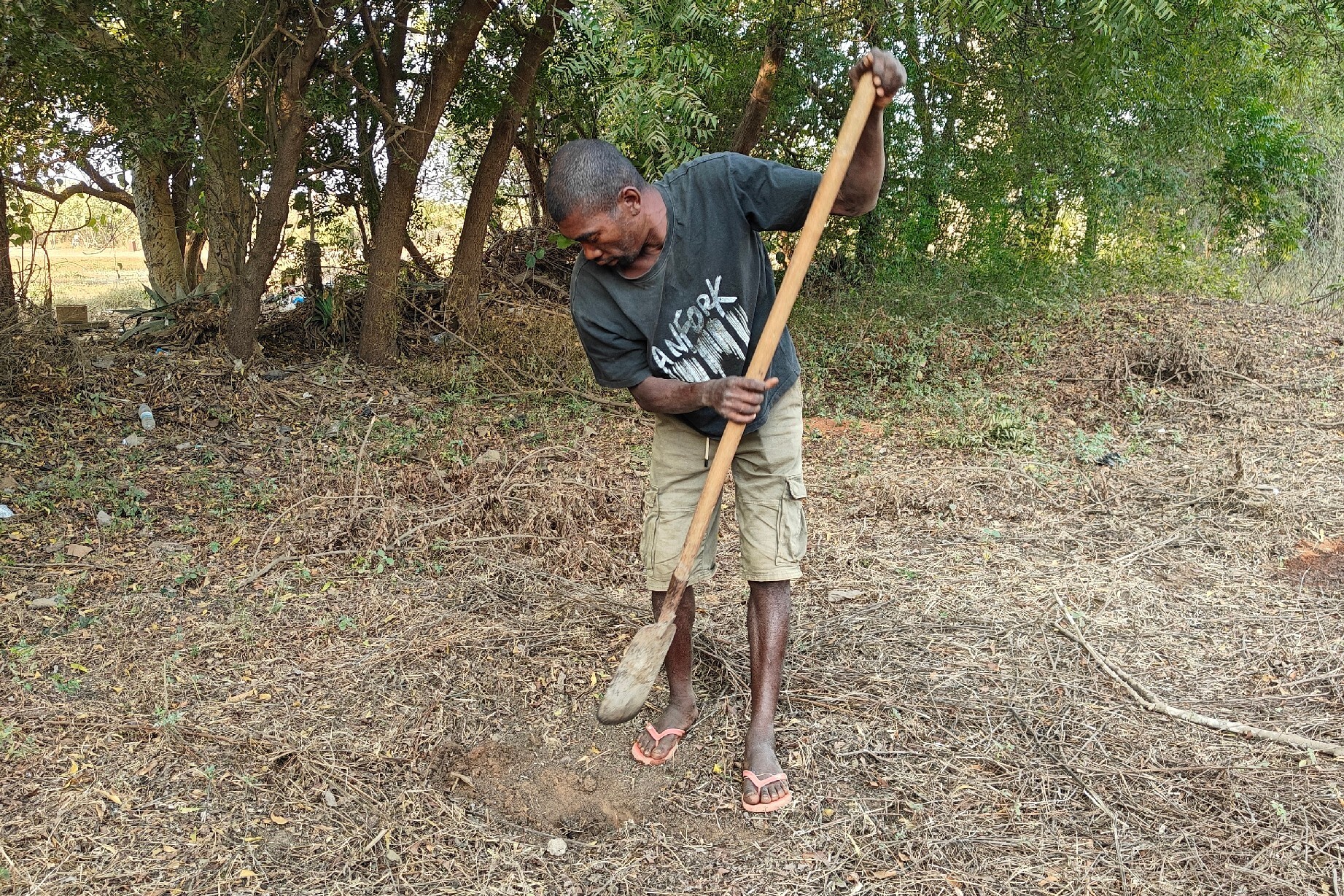
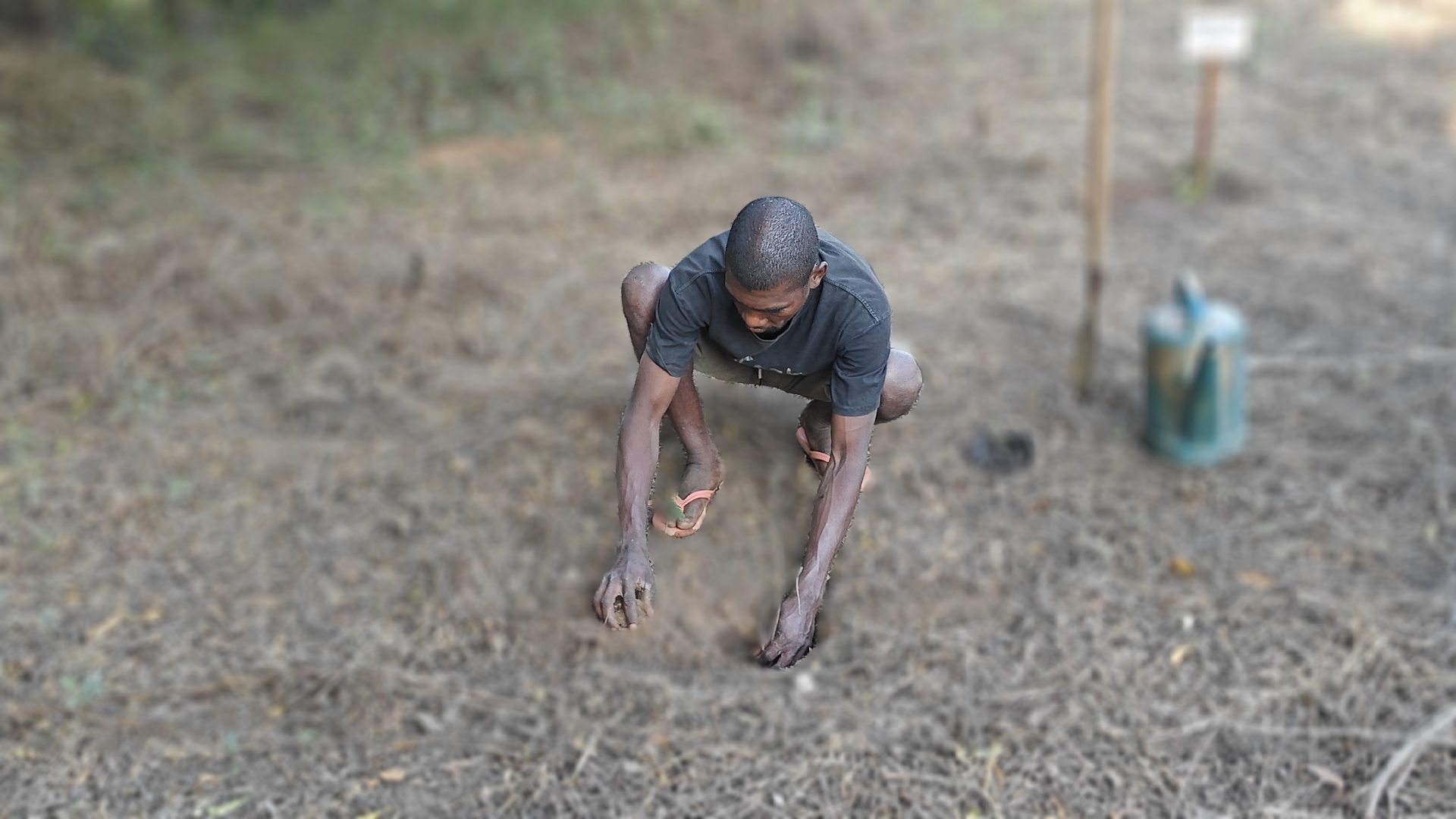

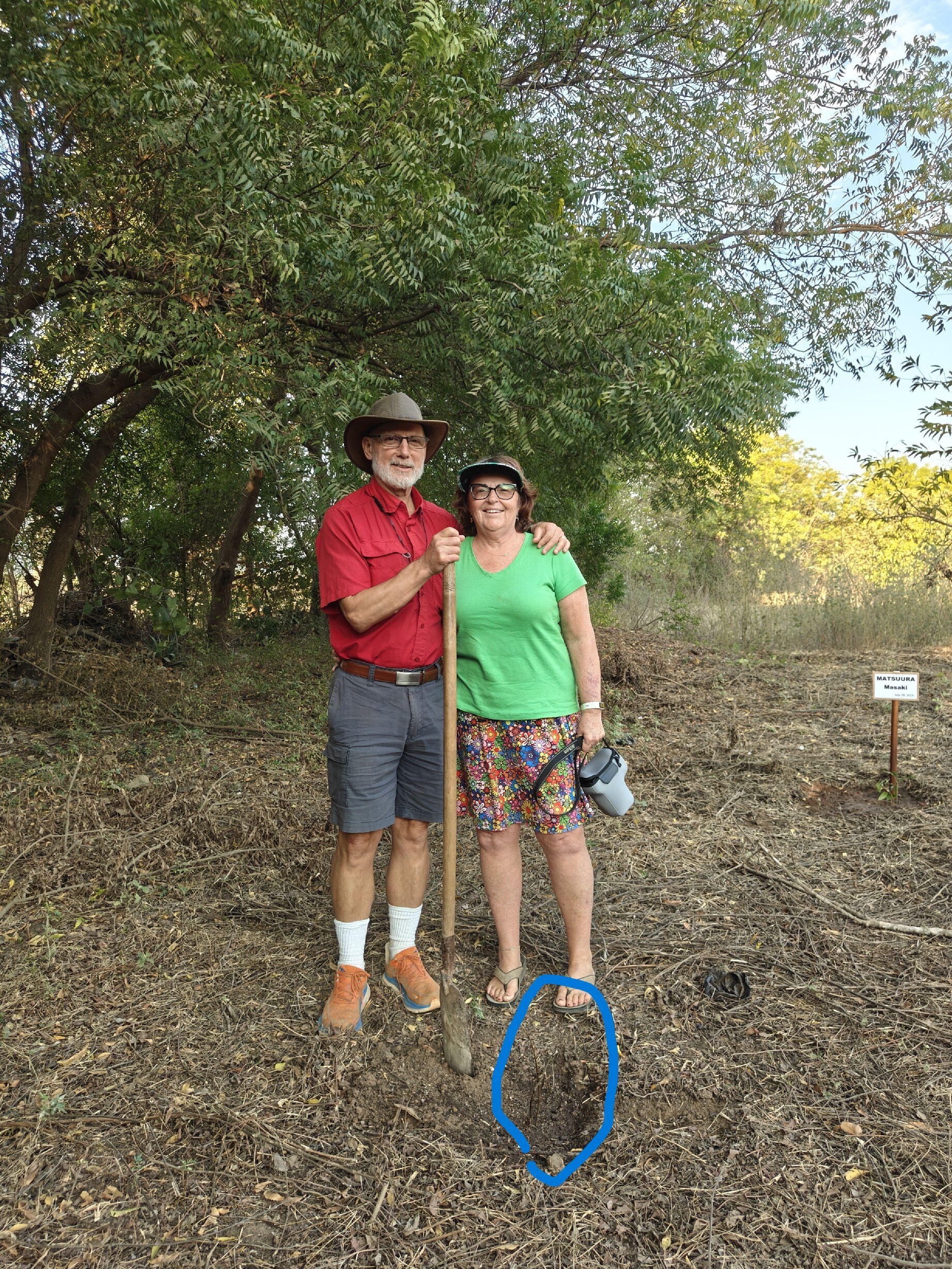
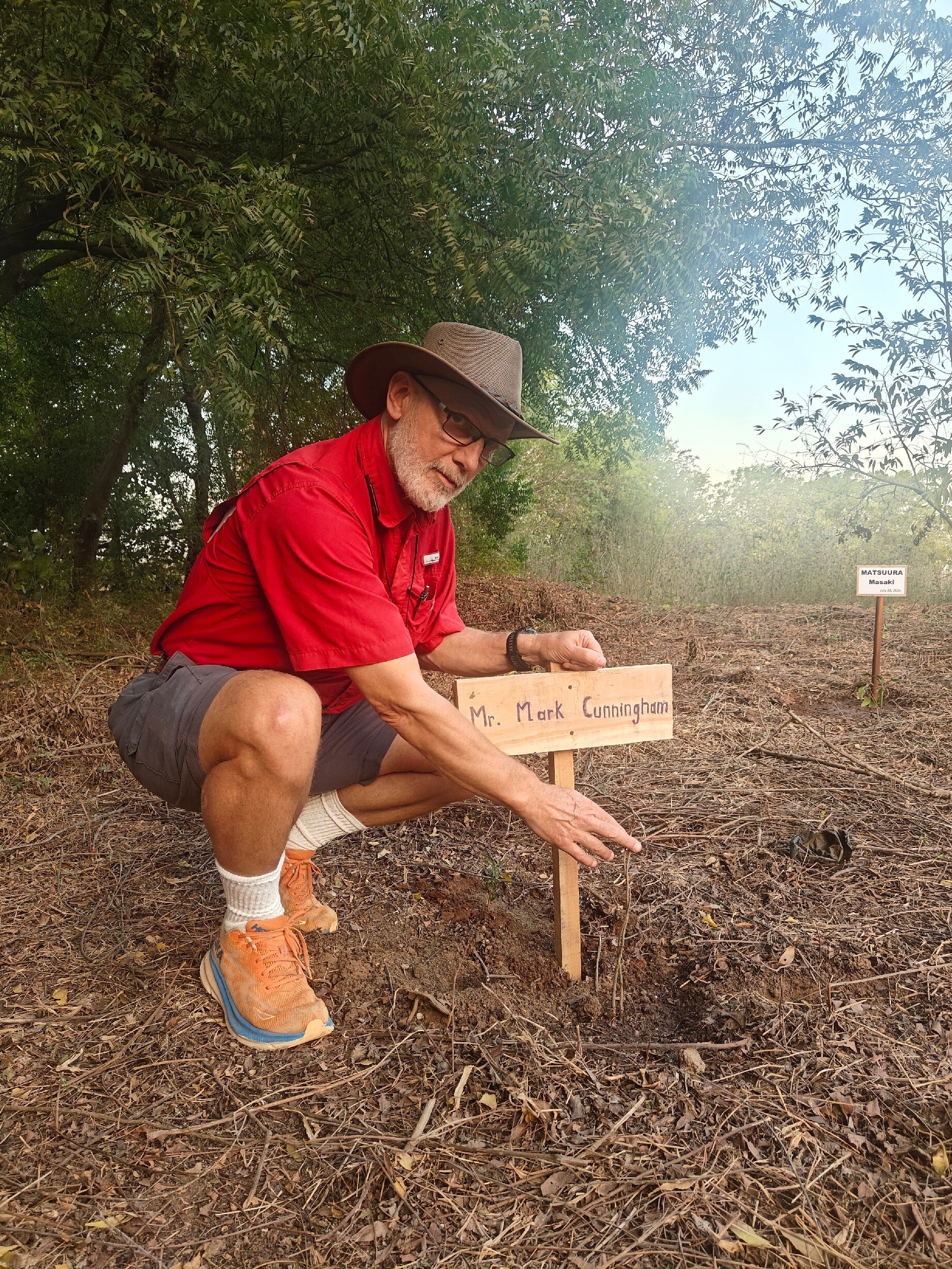
While we waited for the sign, we went over to the little cafe we sat at a couple of days ago and Fran had some more baobab ice cream while Doug enjoyed a beer. We learned the sign was done but they’d made an error so we had to wait for a new one. While Doug waited Fran walked over to the viewing area and began taking way too many photos of the sun as it lower. He joined here when the sign was done and we enjoyed one of the most amazing sunset sites of our lives!
In no particular order, here are a few photos of them taken with both the camera and our phones:



We were than taken to our hotel, Kily House, in Morondava, for the night. This was a more modern hotel than the lodges we’d been staying at and we had a good sized balcony, a king bed, AC, WiFi in the room, a big bathroom and breakfast was included at a time of our choosing.
We had not had dinner nor did this hotel serve dinner, so we had asked Haja for a suggestion but it was about a ten minute walk away so we just went nearby to the La Renala recommended by the hotel and had pizza figuring that would be quick and easy. Well Doug’s came out first after a longish way and Fran’s came out just as he was finishing!
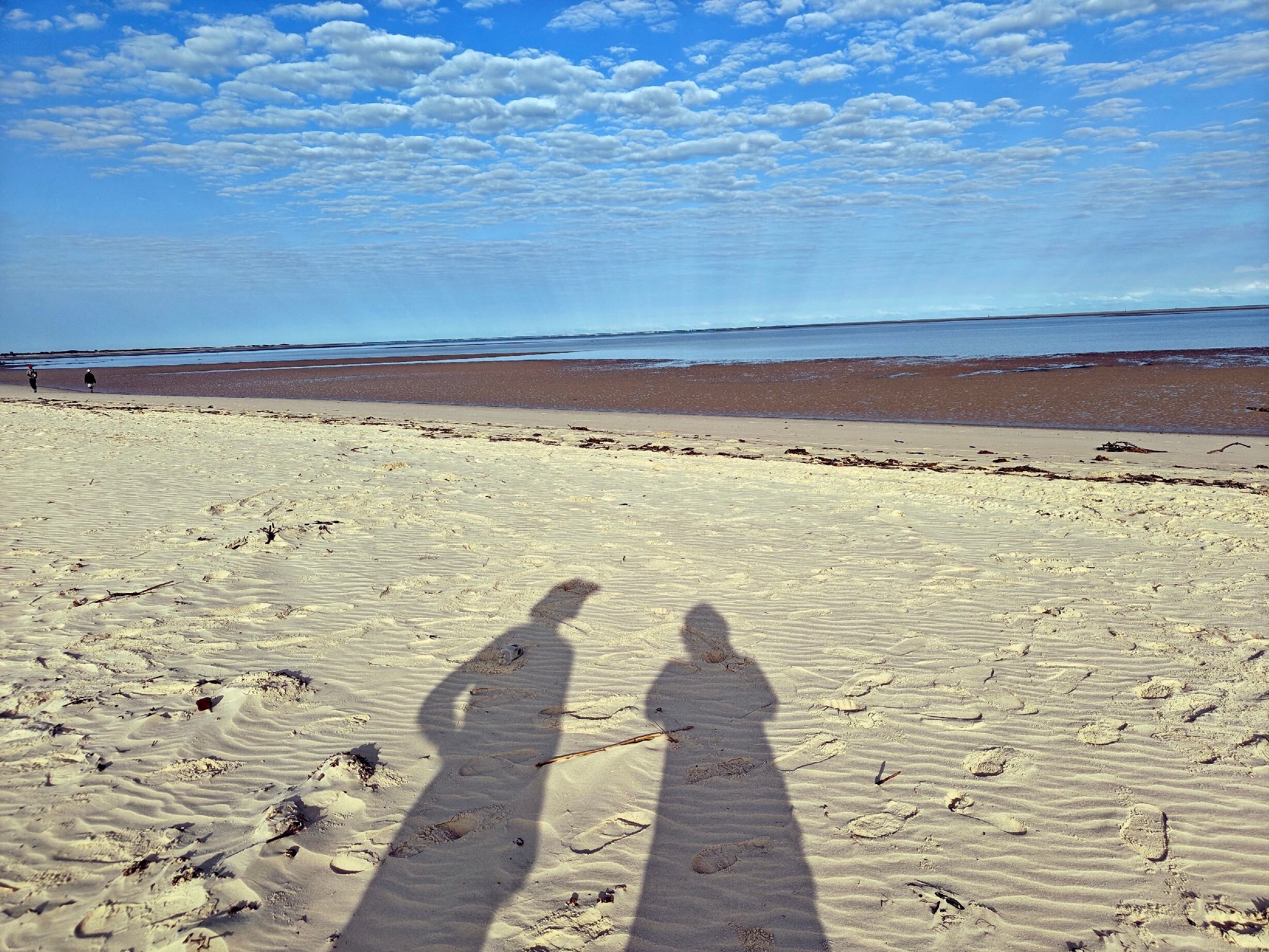
We are by the sea now on the west coast of Madagascar and next morning after Doug’s run, we walked over to the beach which is on the Mozambique Channel. The sand was powdery soft and pretty clean but this end of the beach had no services. We were situated a ways out of the town and there Doug had seen umbrellas and chairs when we he was out running in town.
We were picked up at 9:50 for our 11:50 am flight back to the Antananarivo. We said good bye to Eric and Haja with Doug making them both some balloon animals to take home to their families and generous tips for the excellent service we received.