August 3rd, 2026
South Africa, officially the Republic of South Africa (RSA), is the southernmost country on the continent of Africa. Its 9 provinces are bounded to the south a coastline that stretches along the South Atlantic and Indian Oceans; to the north by the neighbouring countries of Namibia, Botswana and Zimbabwe; to the east and northeast by Mozambique and Eswatini; and it encloses Lesotho. Pretoria is the Administrative Capital, while Cape Town, as the seat of Parliament, is the legislative capital, and Bloemfontein is regarded as the judicial capital. The largest and most populous city is Johannesburg, followed by Cape Town and Durban.
South Africa is larger than France and Spain combined, about 25% smaller than the province of Quebec and about 3 times larger than California,
Archaeological findings suggest that various hominid species existed in South Africa about 2.5 million years ago, and modern humans inhabited the region over 100,000 years ago. The first known people were the indigenous Khoisan and Bantu speaking peoples who migrated, in waves, from west and central Africa to the region 2,000 to 1,000 years ago.
In 1652, the Dutch established the first European settlement at Table Bay. Its invasion in 1795 and the Battle of Blaauwberg in 1806 led to British occupation. The Mfecane, a period of significant upheaval, led to the formation of various African kingdoms, including the Zulu Kingdom. Following the Second Boer War, the Union of South Africa was created in 1910 after the amalgamation of the Cape, Natal, Transvaal and Orange River colonies, becoming a republic after the 1961 referendum. The multi-racial Cape Qualified Franchise in the Cape was gradually eroded, and the vast majority of Black South Africans were not enfranchises until 1994.
The National Party imposed apartheid in 1948, institutionalizing previous racial segregation. After a struggle by the African National Congress and other anti-apartheid activists, both inside and outside the country, the repeal of discriminatory laws began in the mid-1980s. Universal elections took place in 1994 following which all racial groups have held political representation in the country’s liberal democracy, which comprises a parliamentary republic and nine provinces.
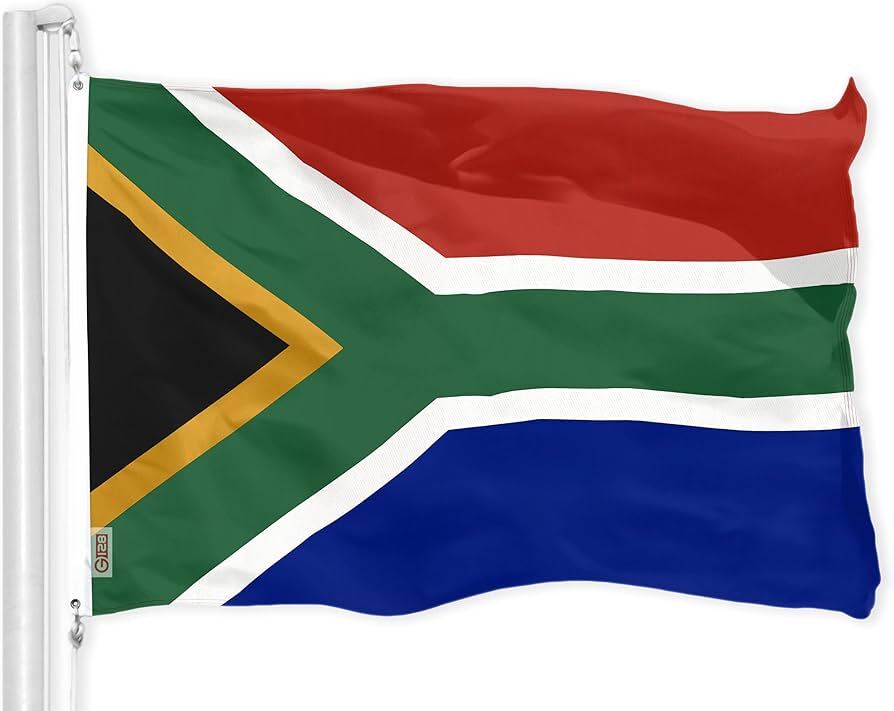
The flag was adopted in 1994, symbolizing unity, reconciliation, and the country’s diverse history. Its central “Y” shape represents the convergence of diverse elements within society moving forward together. It is the only six-color national flag, intentionally avoiding specific color meanings to represent all citizens.
Currency: The Rand – One rand is $0.062 USD and $0.086 CDN
Gas: 25.89 Rand per litre = $6.06 USD per gallon
Beer: Castle Lager
License plate: (for Gauteng province)
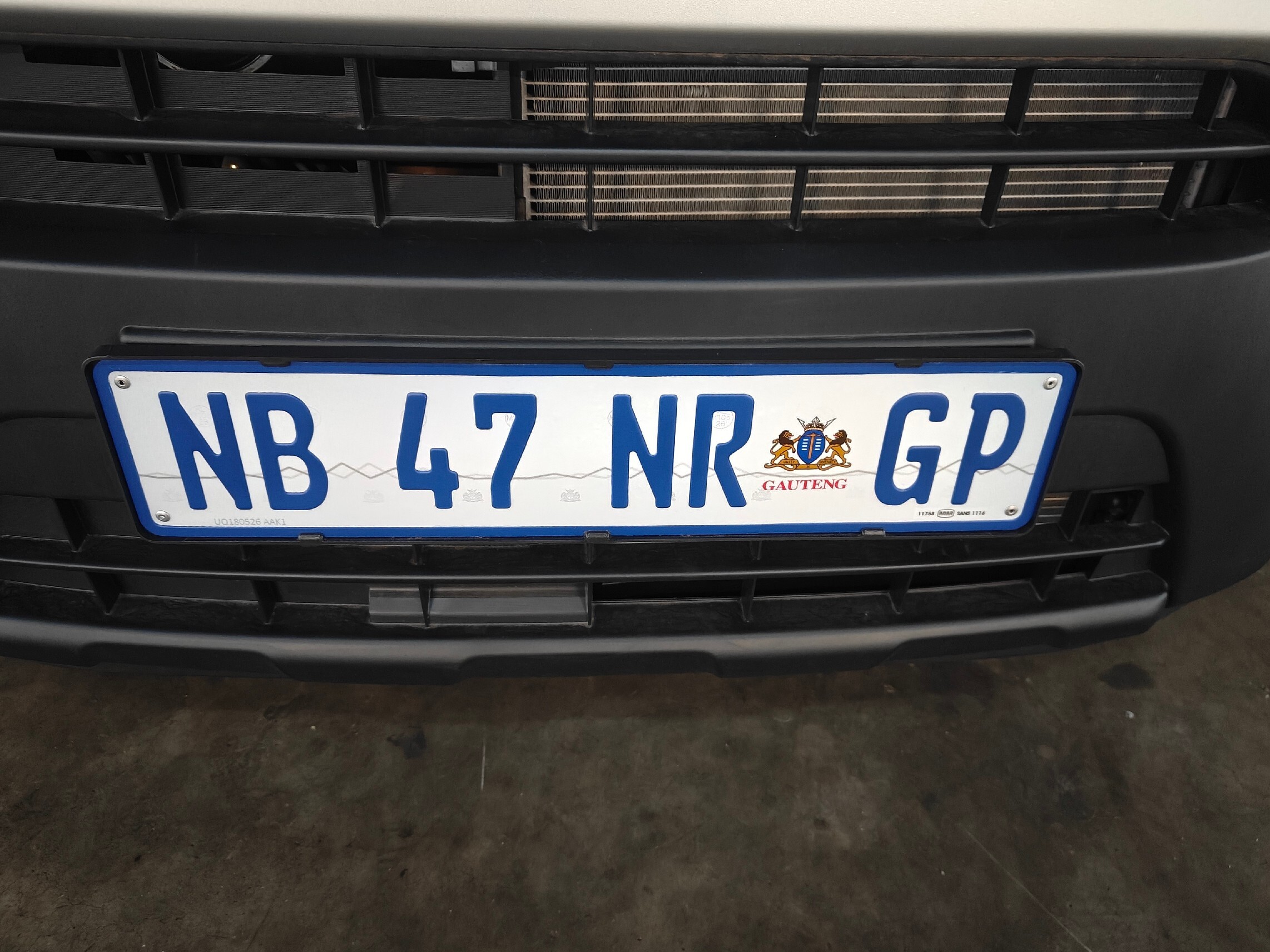
After landing safely in Joburg, we went through immigration which was easy as Canadians (or Americans) don’t need a visa. We did learn at the airport in Tana though that there was a customs form that needed filling out online before arrival and we had taken care of that at the boarding gate.
Our eSims activated upon landing and we were good to go in that department. Once again, the time has changed and we moved back another hour.
Doug went to an ATM to attempt to get a good deal of cash (he needs to pay for his new prosthetic eye on Wednesday) while Fran went to retrieve our bags. He was unsuccessful but we found another machine and were able to make some withdrawals and found another to try and do more – unsuccessfully. We gave up and went over to the Budget counter to get our rental car. That was a bit of a wait and weirdly they had two line ups: one for domestic customers and one for international. Anyway, we got our car: a brand new Suzuki Xpress with 33 km on it! We’ll have to be very careful.
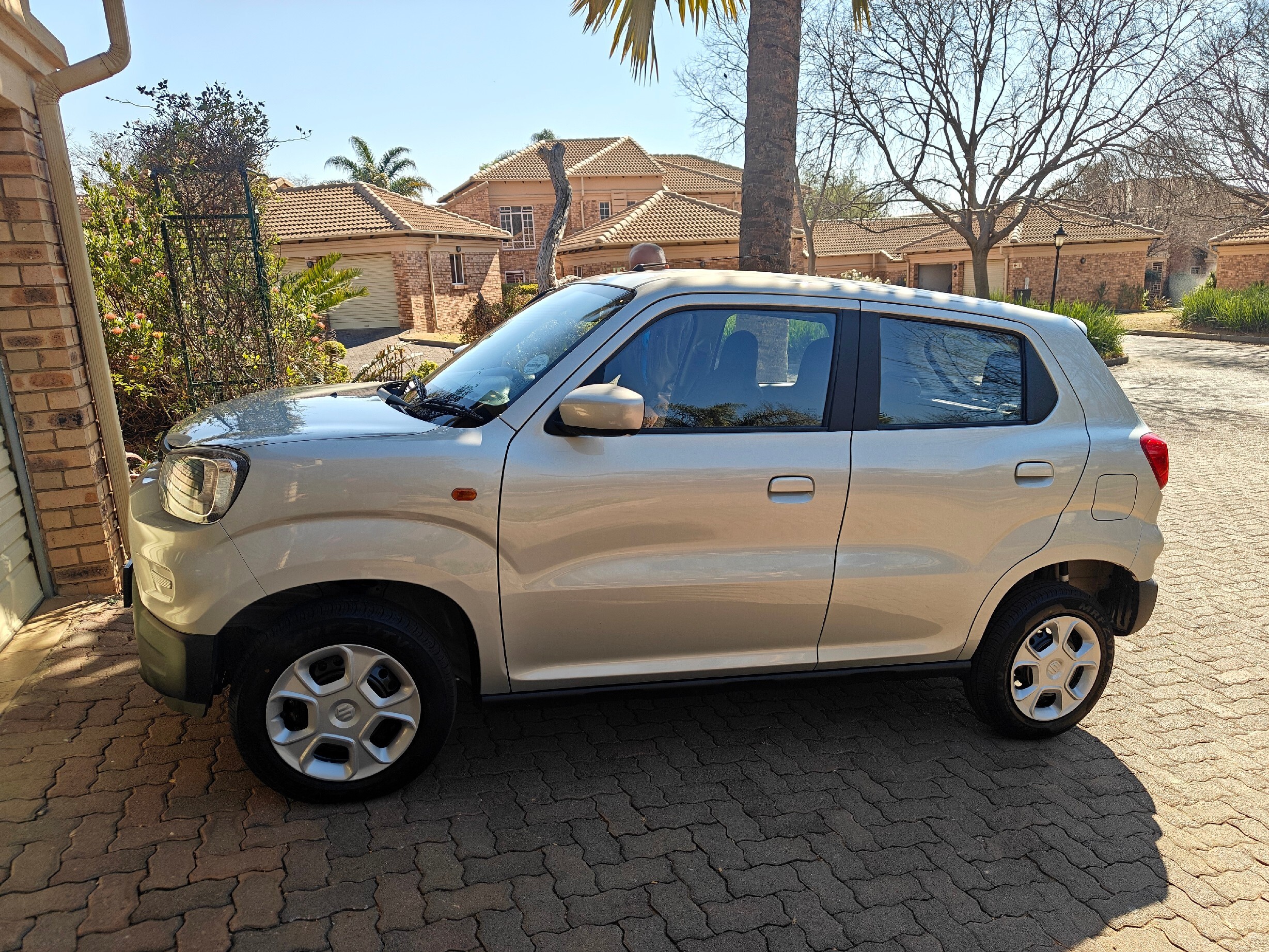 So now it was off to our friends, Suzanne and Mike who live in the southern sburbs of Pretoria. As many of you know we lived in South Africa from 1984-7 and during that time Doug had one job under contract for three years and Fran worked in two different law firms. At the second, Spoor & Fisher, she worked with Suzanne for the same solicitor. They became fast friends and we have kept in touch over the years. Mike and Doug also get along and we visited them with our children back in 2009 when we came here with them for Josh’s university graduation trip.
We found their home in a gated community, got parked and went inside to begin catching up. Suzanne was getting over a bad flu but Mike had recovered. We chatted for a while and they served us a lovely healthy meal before we all crashed around 8:45 which felt like 9:45 for us.
They have a lovely one level home with plenty of space for company. South Africans are gracious hosts and Suzanne and Mike rank right up there. They made us feel right at home.
It’s much cooler here, we’re up at over 1500 m / 4900’, the beds are covered in blankets and there are electric heaters. Seems the daytime temps don’t go much about 22 C / 75F and at night it drops down quite a bit.
Tuesday was a catch up on laundry and errand day. We needed a few things and being here was perfect for that. Fran was going to buy some Voltaren for her knees but they only had a tiny tube but next to it was a natural medicine for joints that didn’t cost near as much as Voltaren so she thought it can’t hurt to try it. She’ll see.
That afternoon, we drove into Pretoria to check out the new “Freedom Park”. That park is across the highway from the Voortrekker Monument put up by the Afrikaans community back in the apartheid days. We had visited this back in the ‘80s and were surprised to learn it was still there and being maintained.
Freedom Park was established as a post-apartheid initiative, and was conceptualized to honour the struggles and sacrifices of those who fought for freedom and democracy. It serves as a place of healing, fostering reconciliation and understanding among South Africans and global visitors alike. The museum aims to narrate the story of the African continent from the dawn of humanity, through pre-colonial, colonial and apartheid history to the South Africa of today.
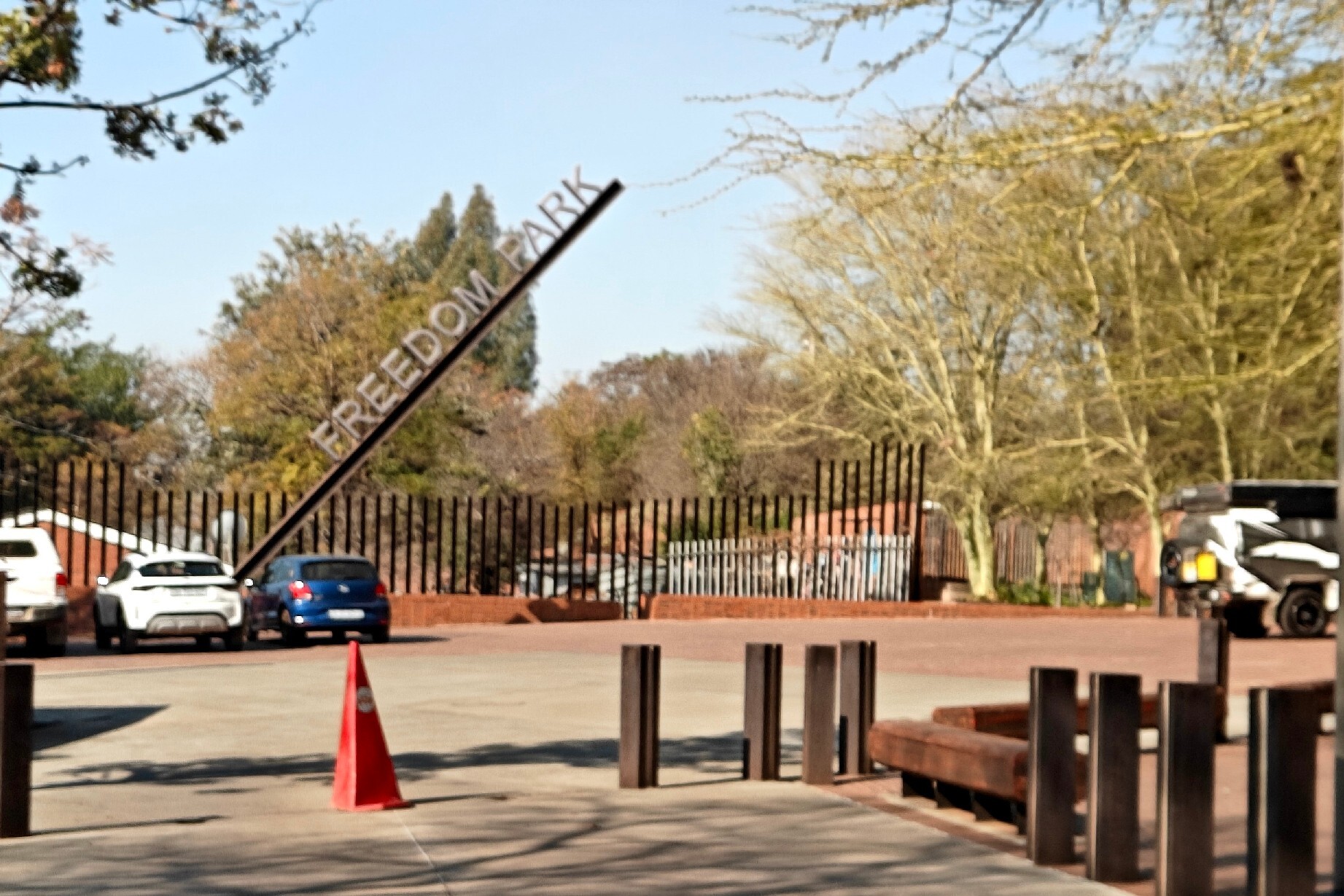
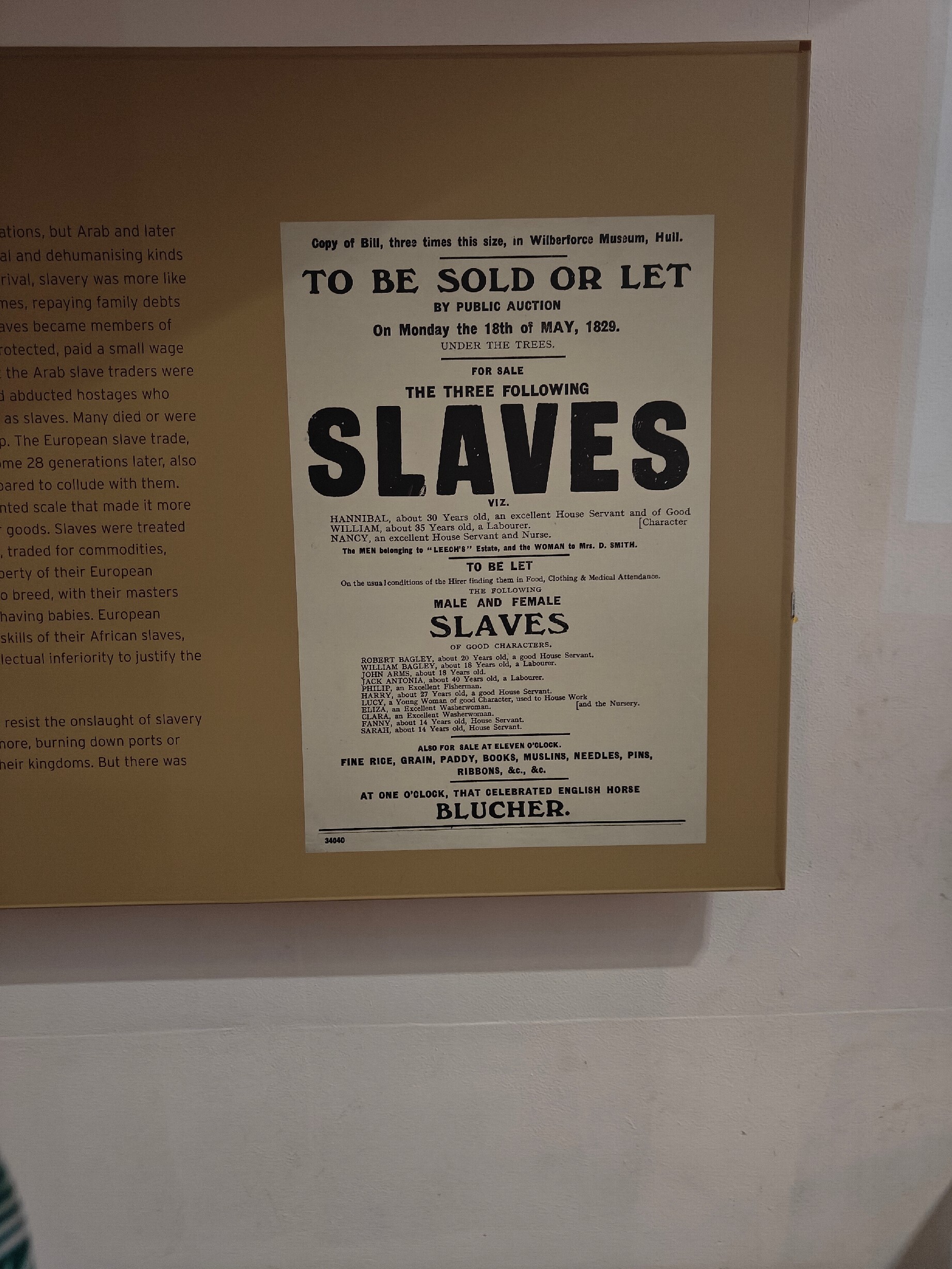
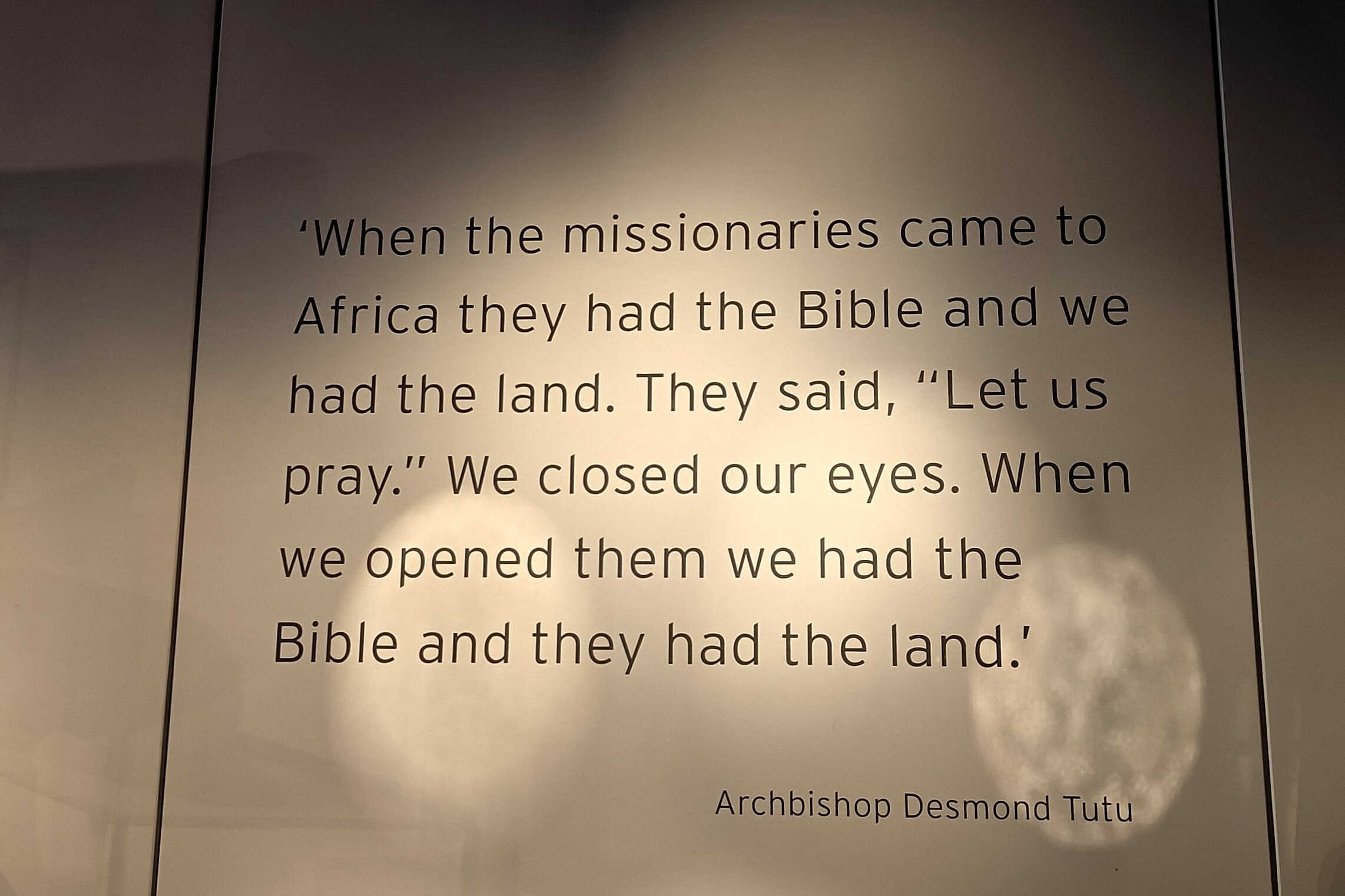
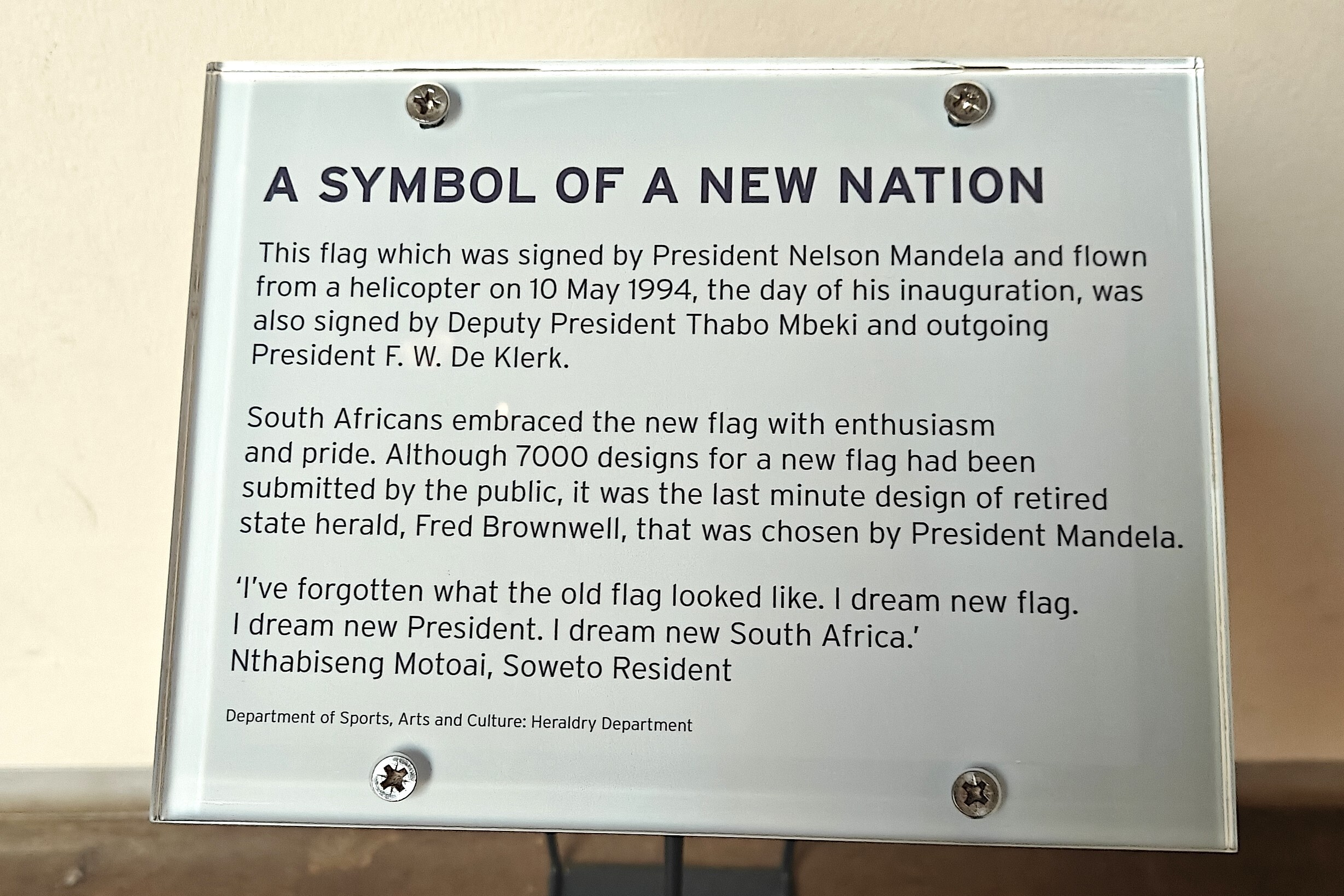
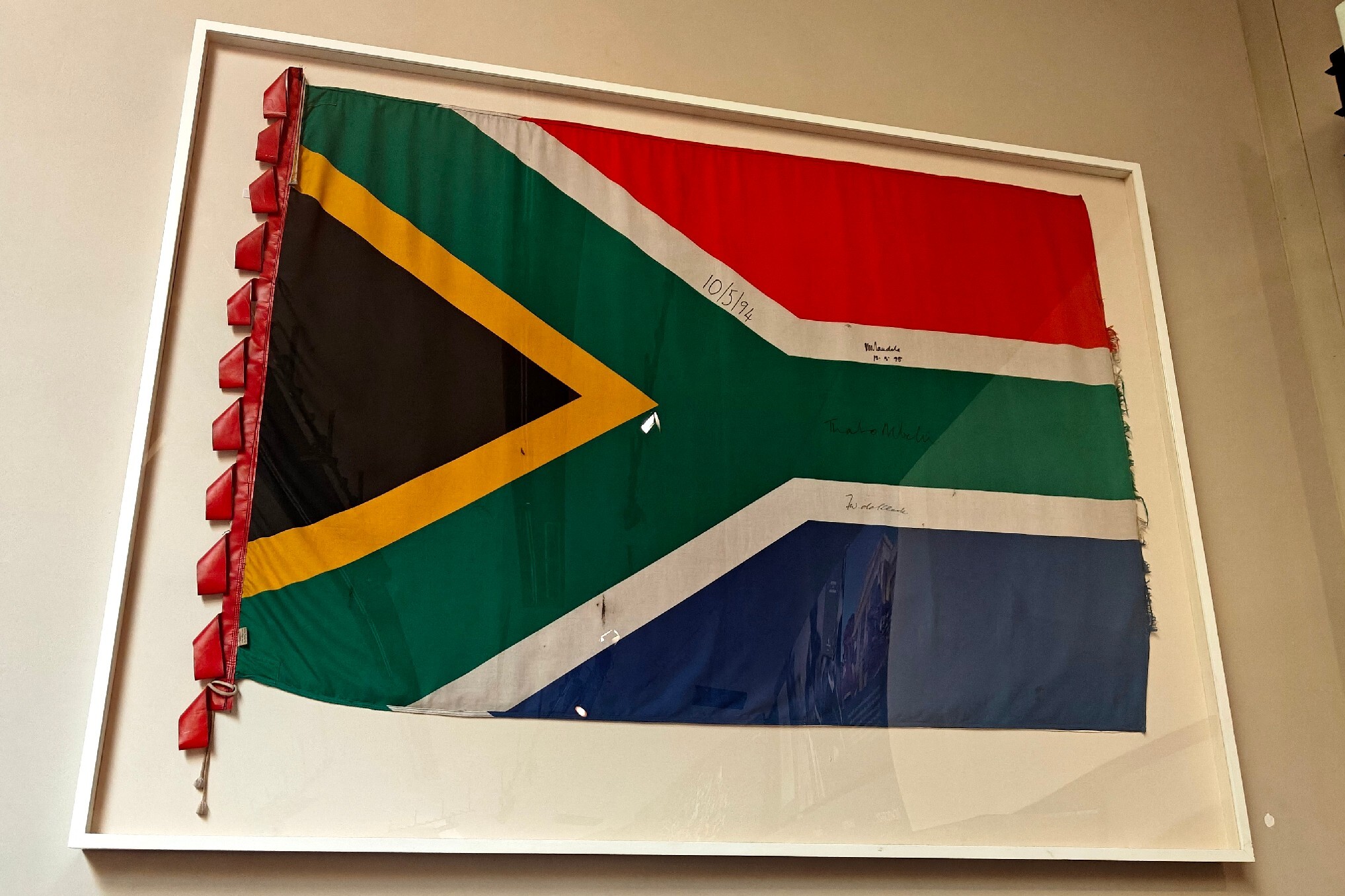
We have to say we were not very impressed with the upkeep of the place. The museum had a section with a video of the creation of Africa which was childish and not accurate in the sense of how humans came to be. The place is quite large and has lots of exhibits but it’s poorly lit and so many of the lights on the plaques were out and you couldn’t make out what was in the exhibit.
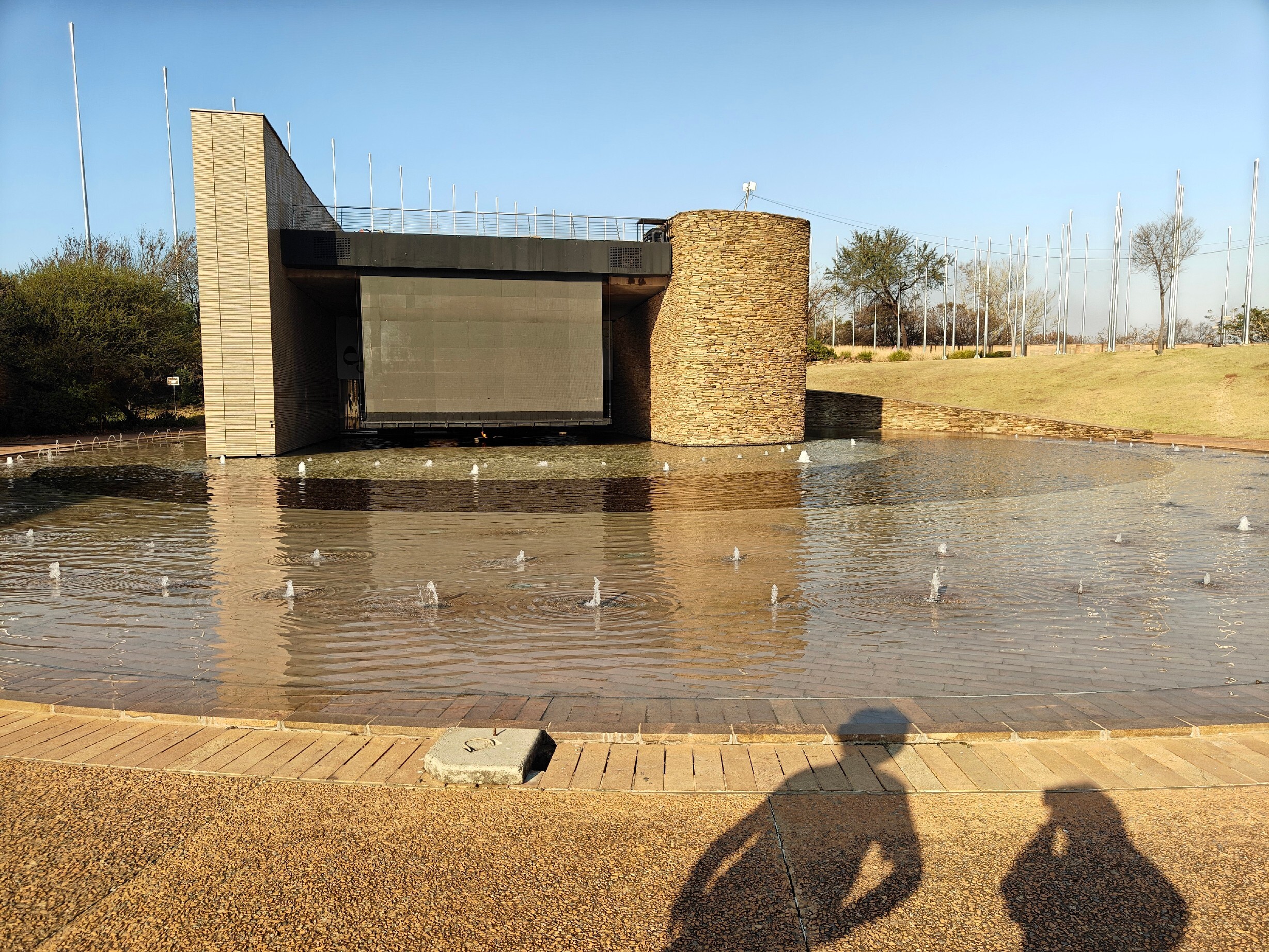
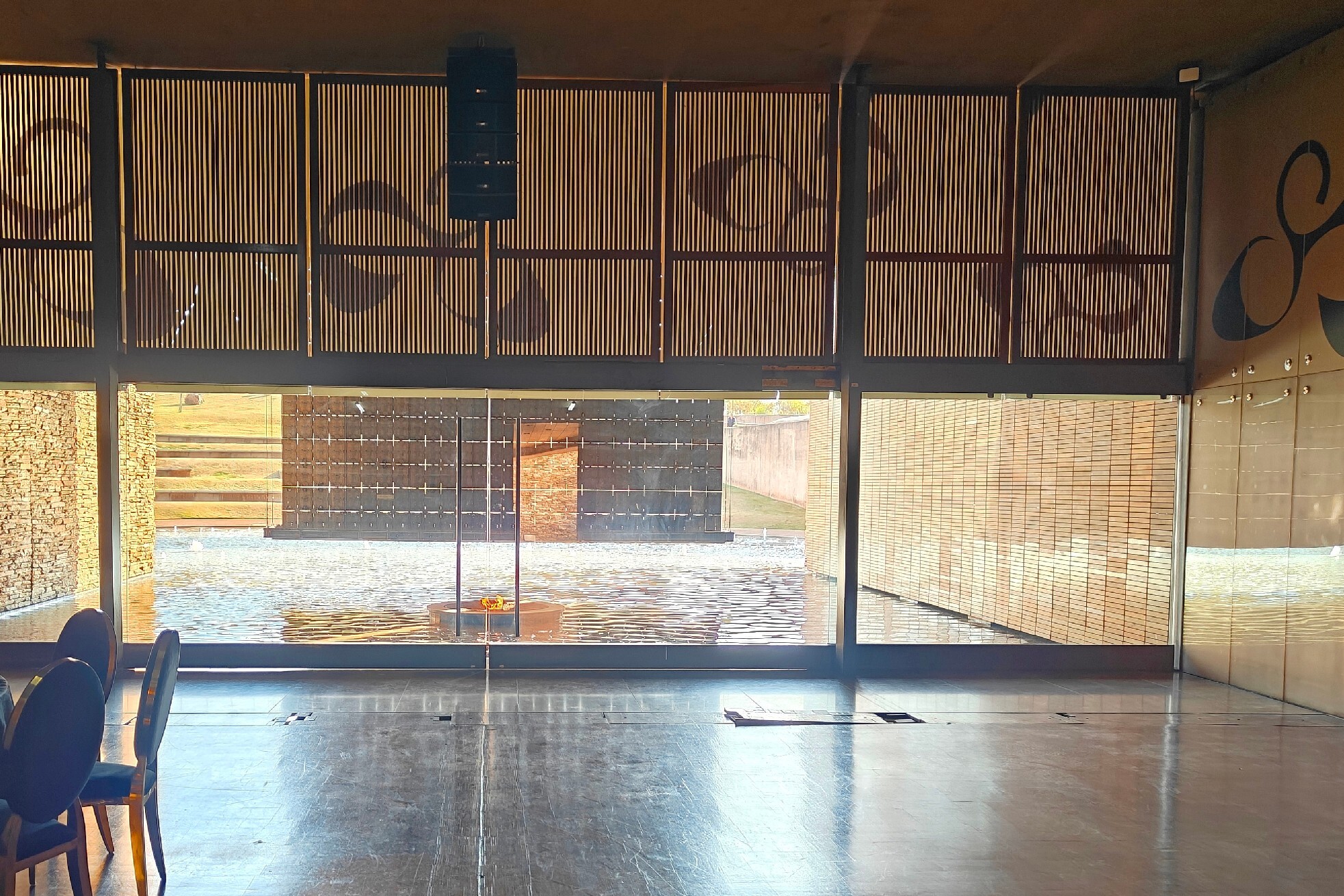
After you tour the museum you can drive or walk up to the top. There you find the wall which is covered in names of people from around the world including a list of the names of those killed in the South African wars, WWI and WWII as well as during the apartheid era.
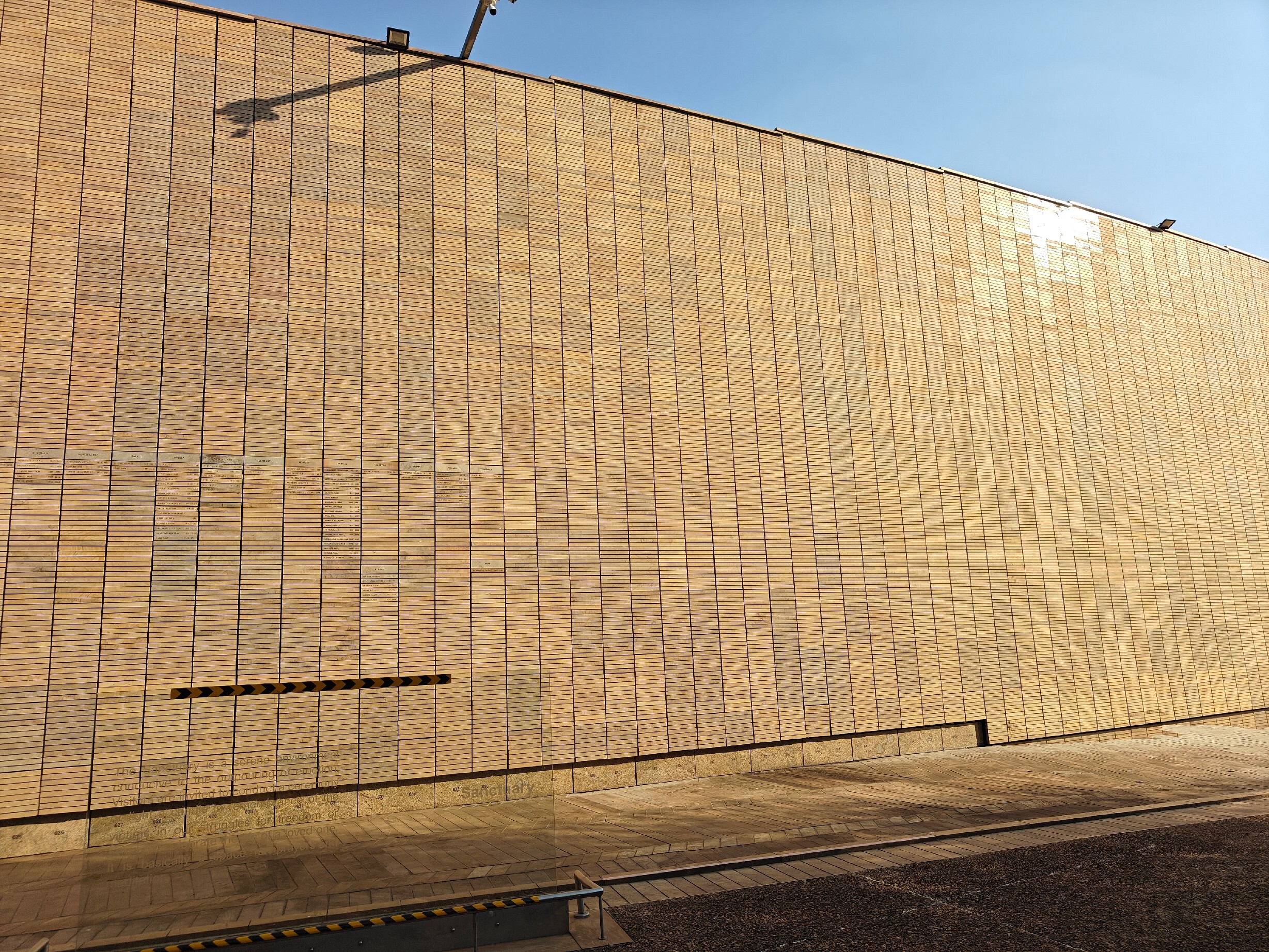
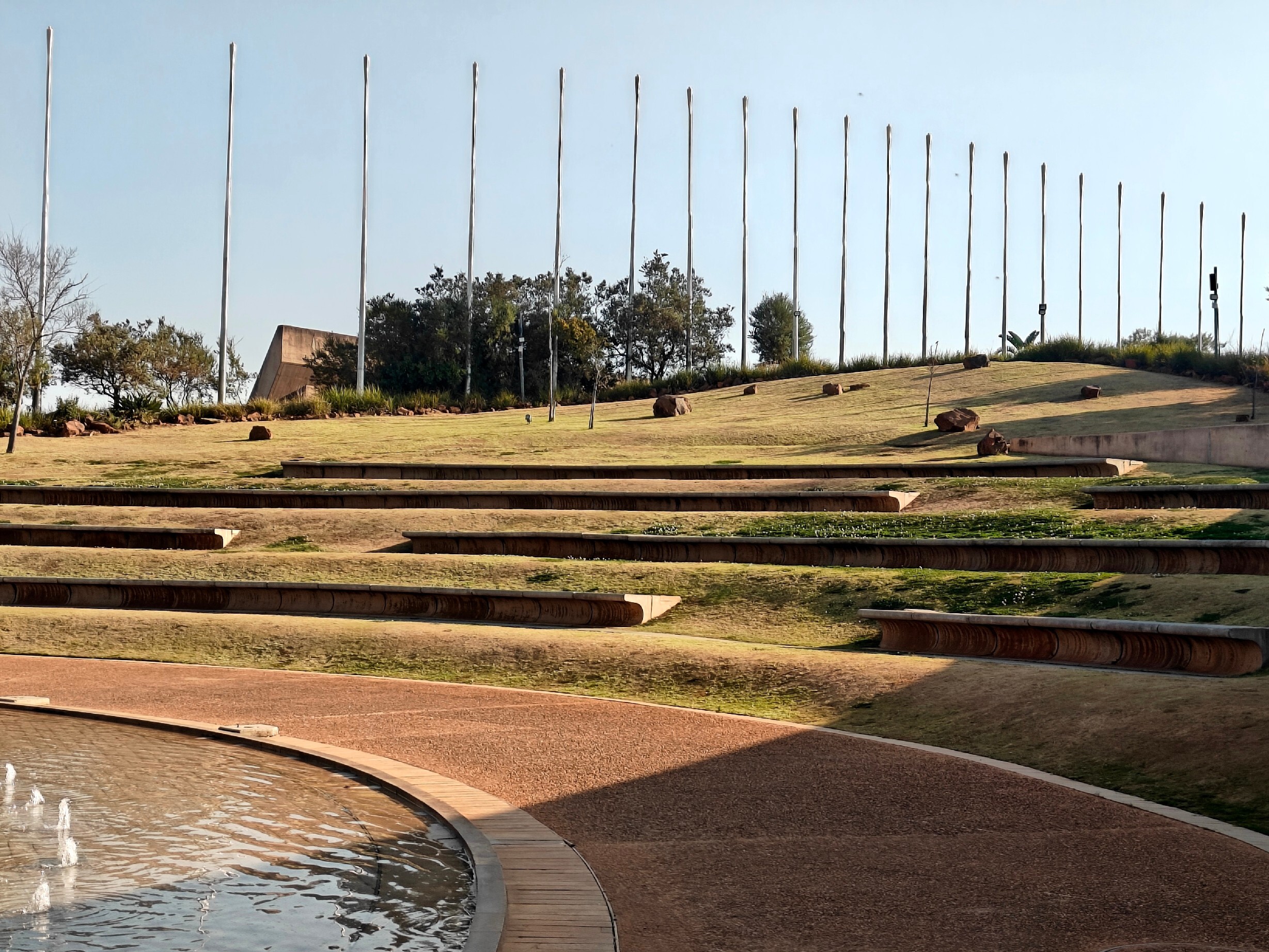
There is an eternal flame and seating up the hill facing it.
Wednesday, Doug went to an ocularist where in ONE day she made him a new prosthetic eye in a series of appointments. It was quite amazing. He will give it a couple of days and go back by week’s end if he has any issues. Fran spent the day catching up on photos and blogging and resting her knees. Suzanne was quite tired that night (she’s getting over the swine flue and been going to physio for her lungs and they basically slap up her upper back trying to release the toxins and it seems to be working but it wipes her out). The three of us watched a movie on Netflix before to bed.
On Thursday we had planned an outing with our hosts and Mike drove us to Soweto to meet a guide to take a tour; Suzanne and Mike, also had never done this. We met at the Apartheid Museum which none of us wanted to see as we’d lived in that time. Pollen, our guide was a young many from Limpopo in northern South Africa with excellent English, a lovely personality and a very good guide.
We all piled into his van and he took us around in that as we’d asked for as little walking as possible due to Suzanne’s bad back and Fran’s knees. The new meds seem to be helping but there is still some pain.
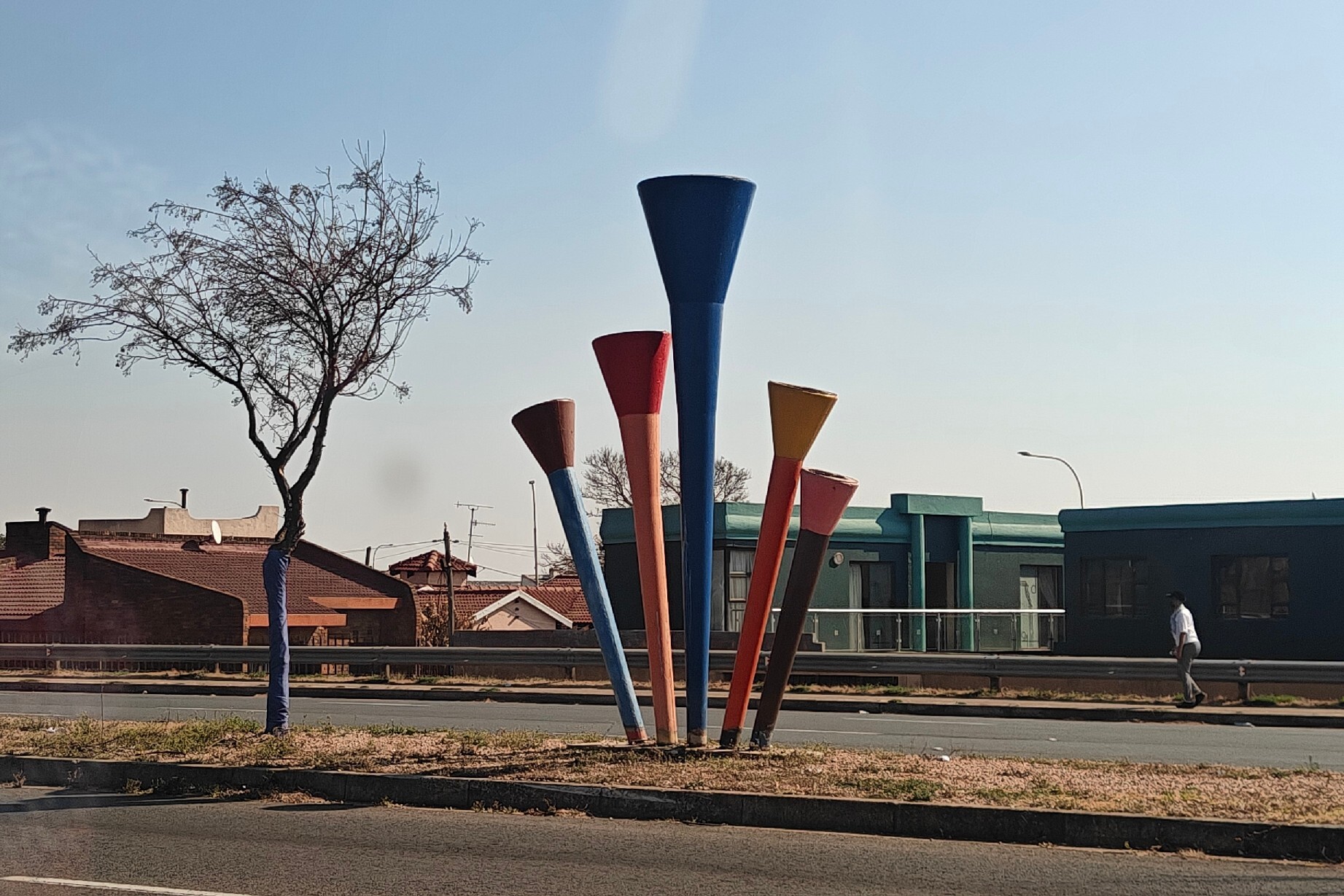
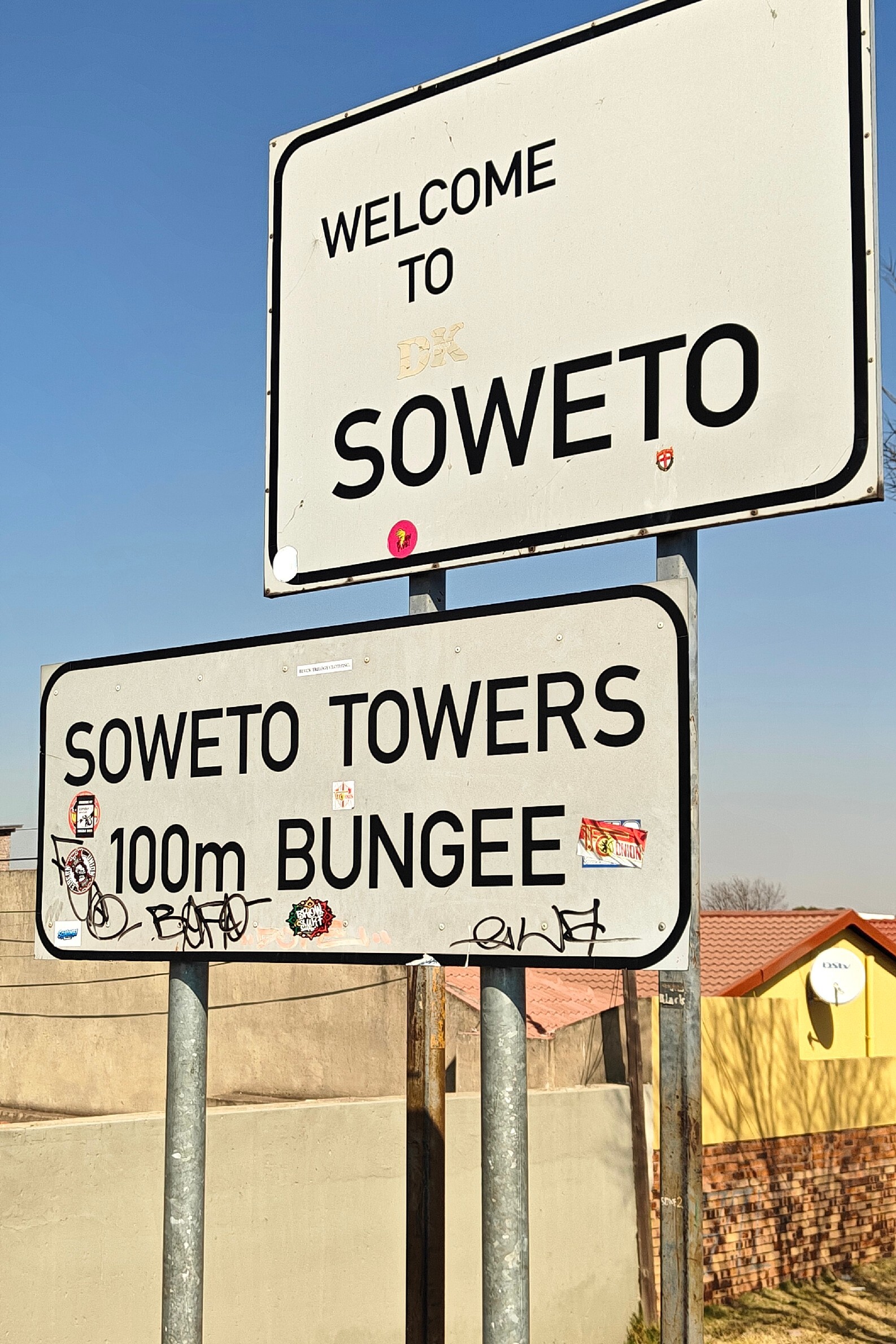
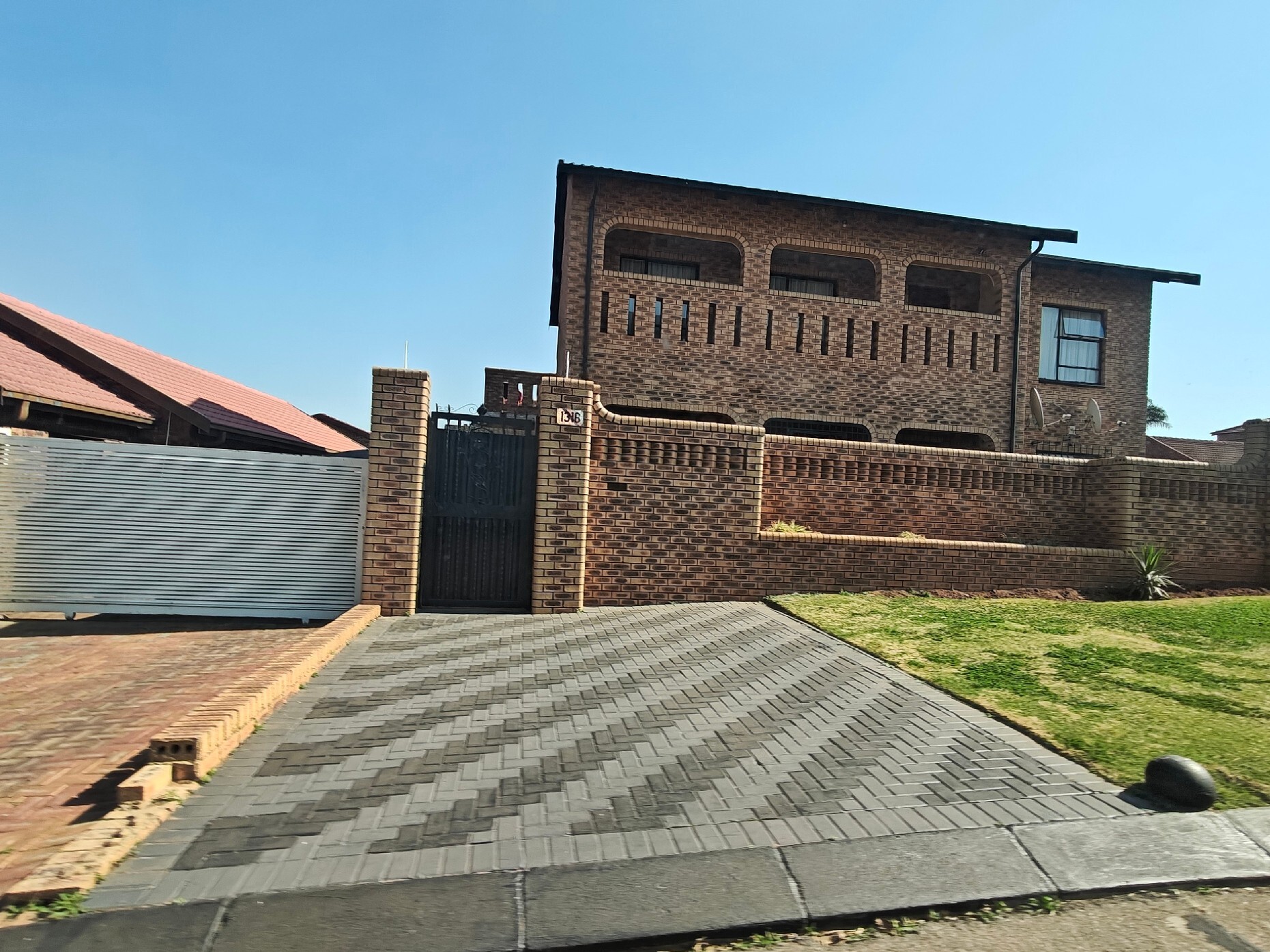
We started with a drive through the “upper class” neighbourhoods of Soweto which had nice homes and paved streets with full electricity and water.
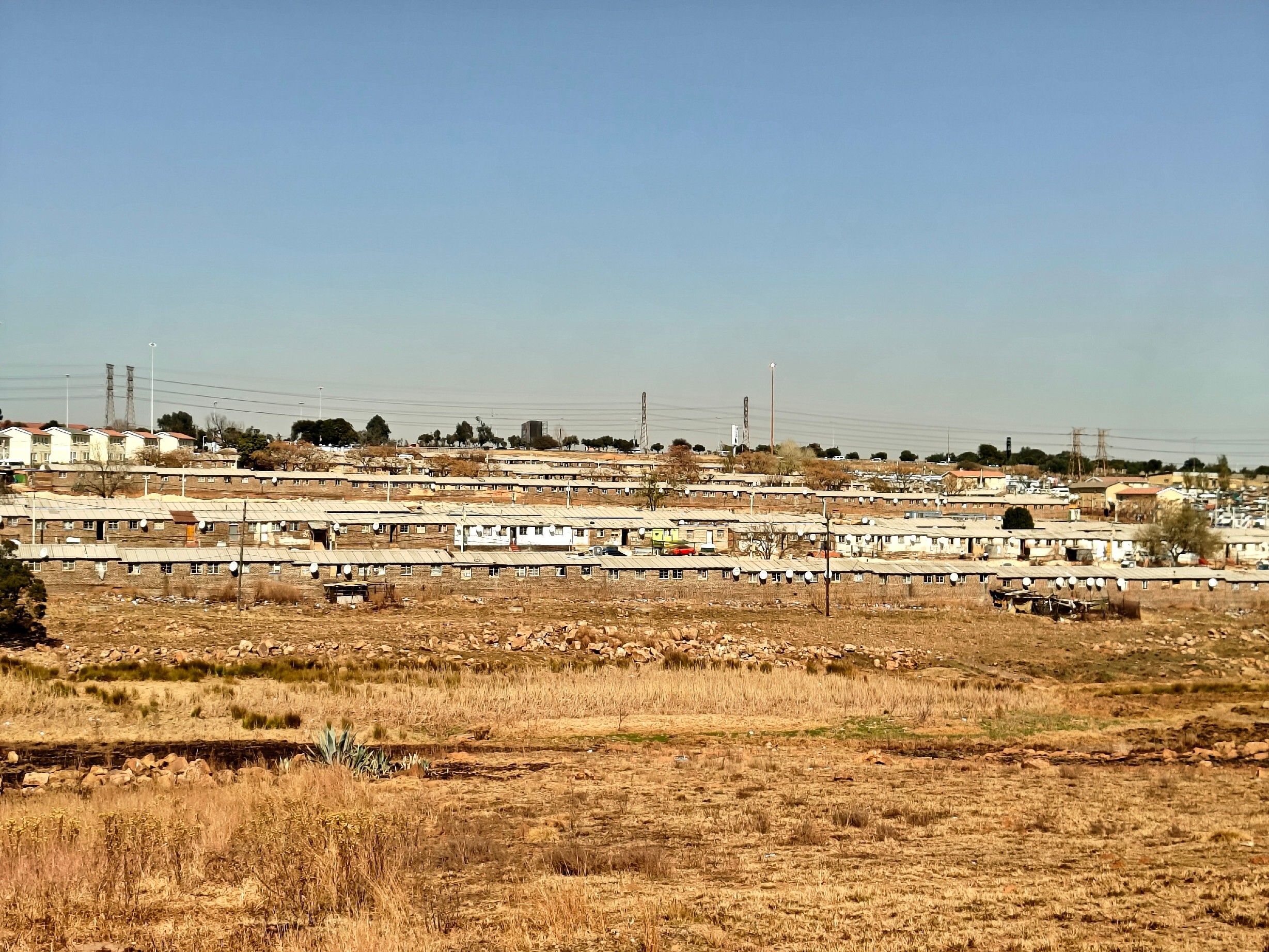
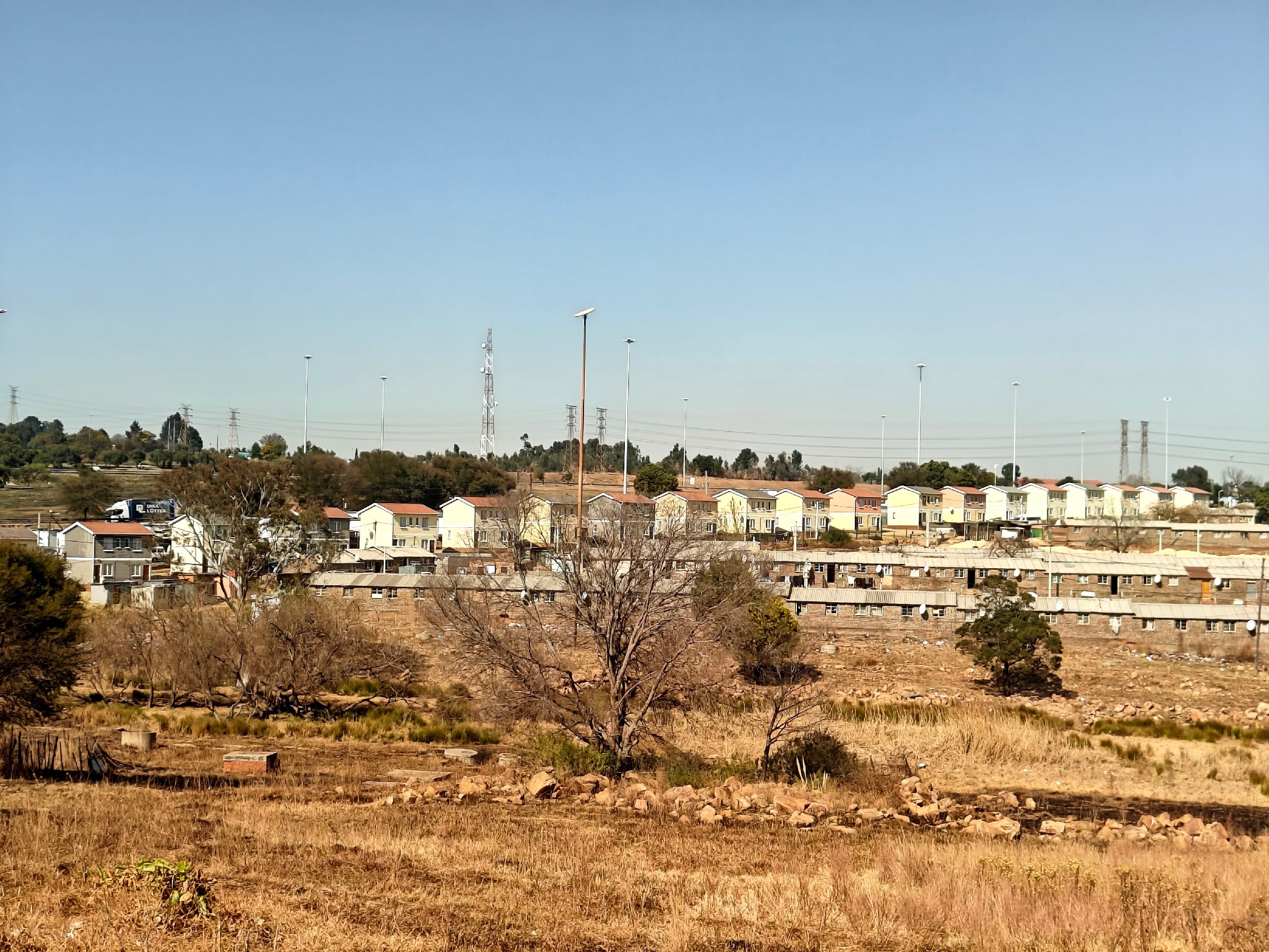
We stopped on the edge of this area to view over the “temporary free hostels” that used to be rooms for the gold miners back in l886 – yes they are still standing. They are rooms, not homes with no power or water, just drop toilets. Next to them are “Mandela Houses” which have many rooms, power and water and are also free. These were built after he became president – it was 1,000,000 homes around the country for the people. You can see these on the left side of these photos – they are painted and two stories.
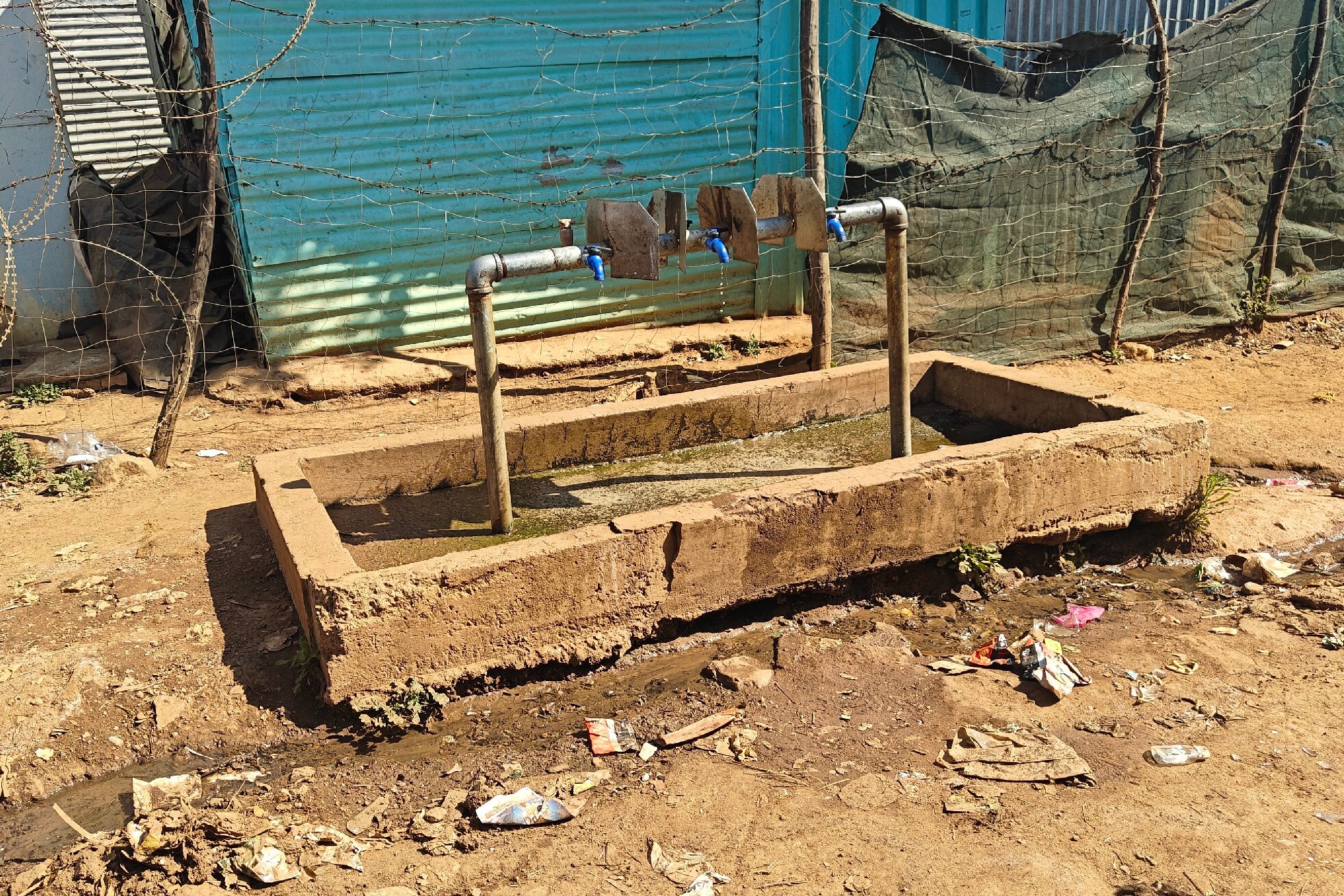
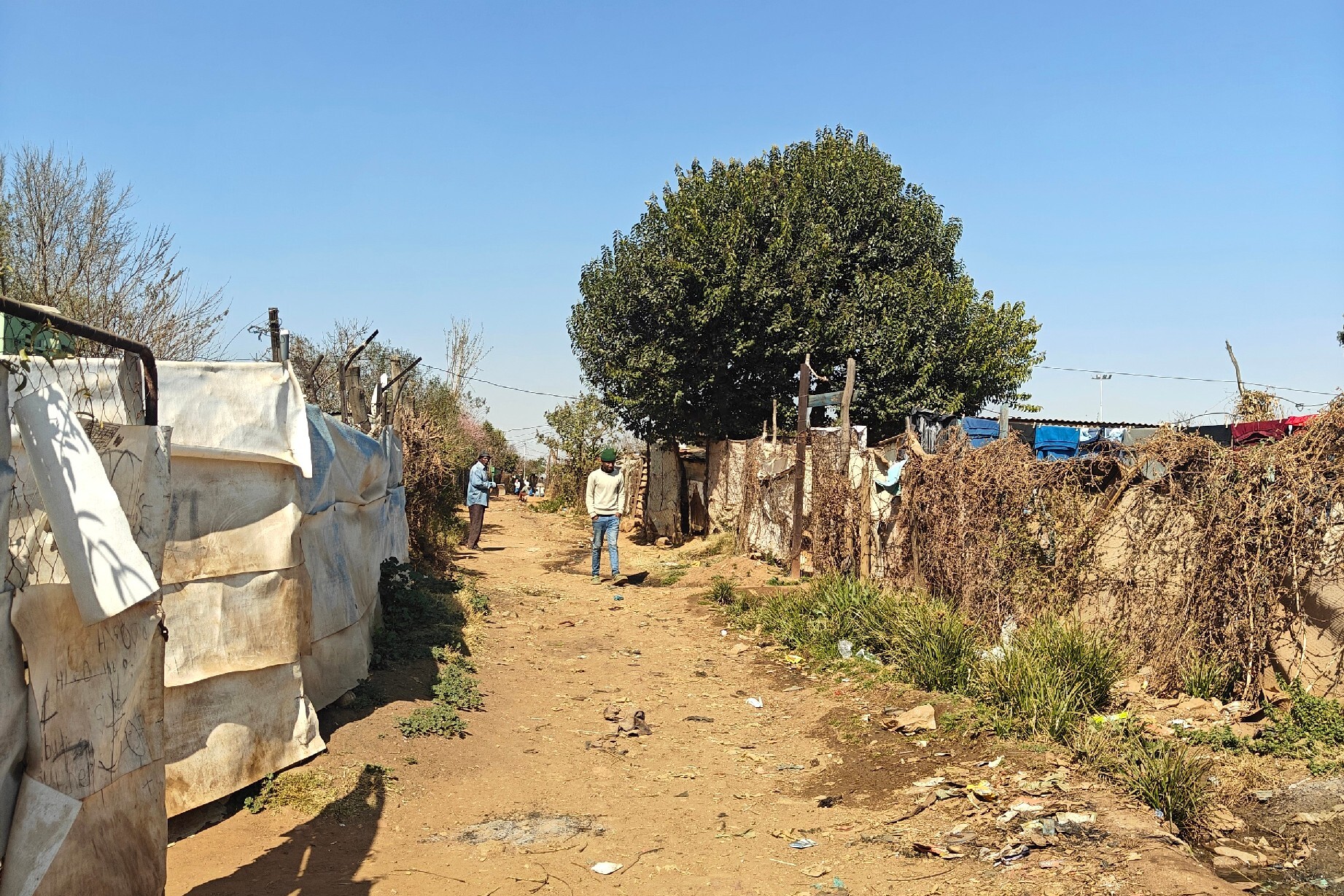
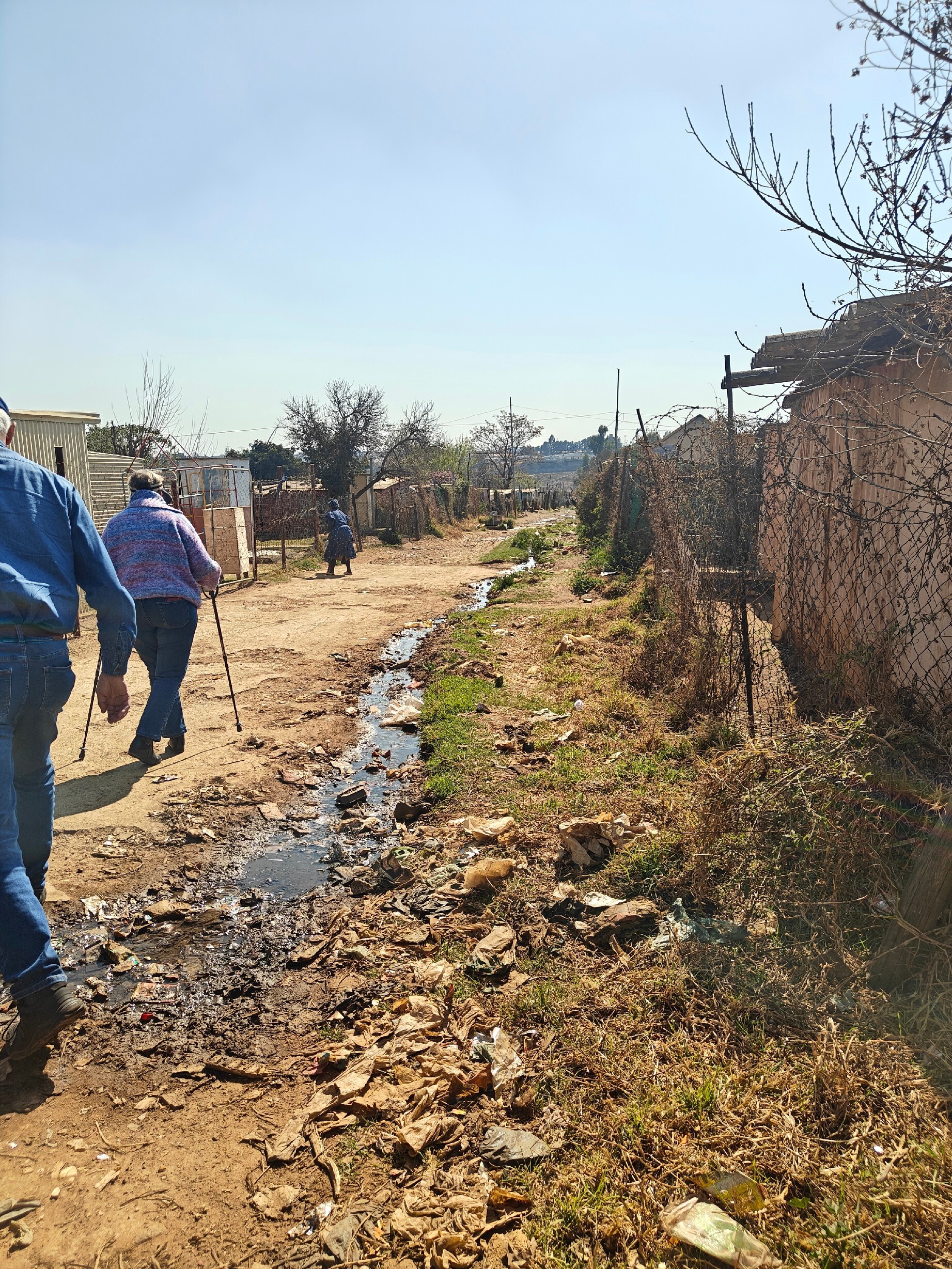
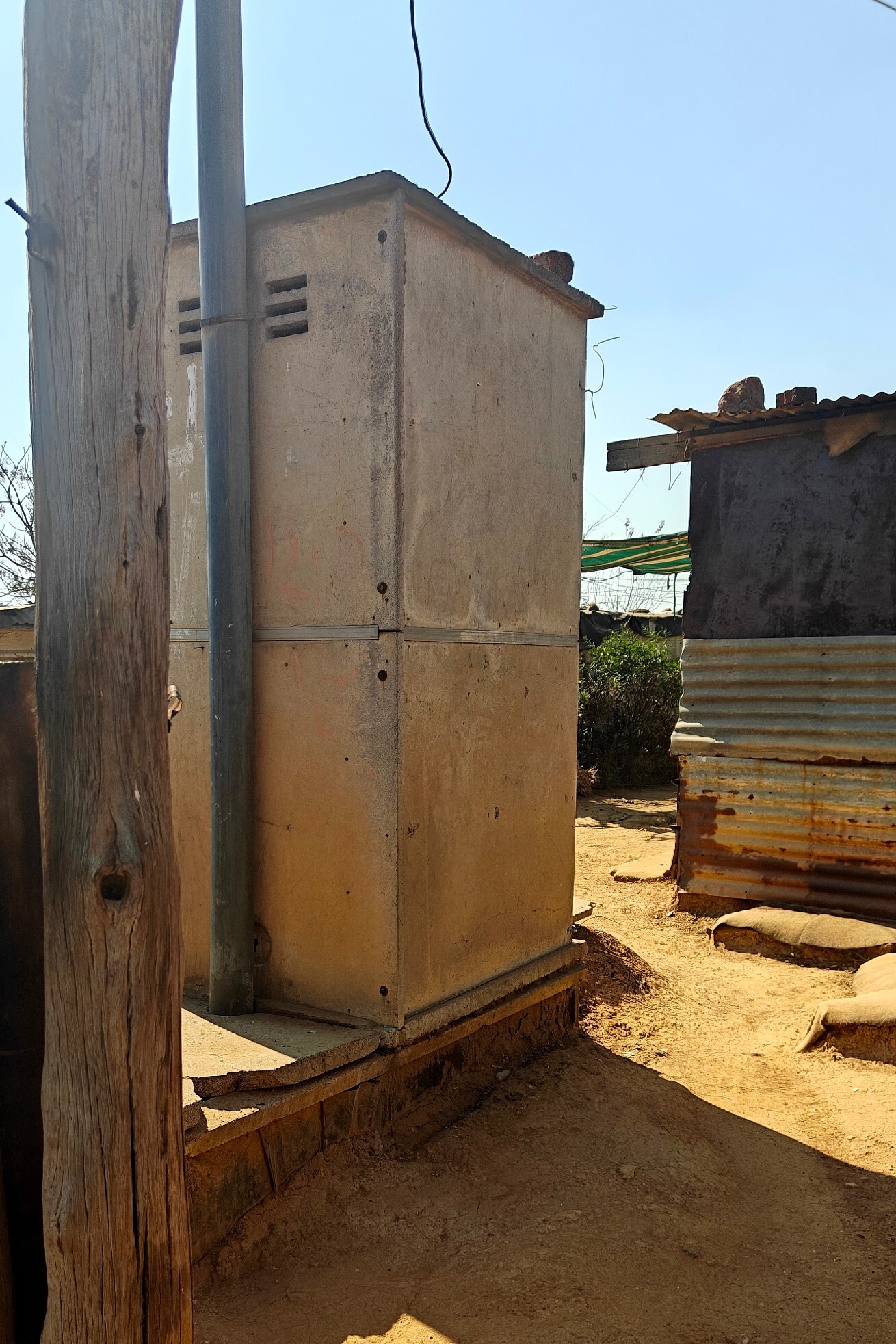
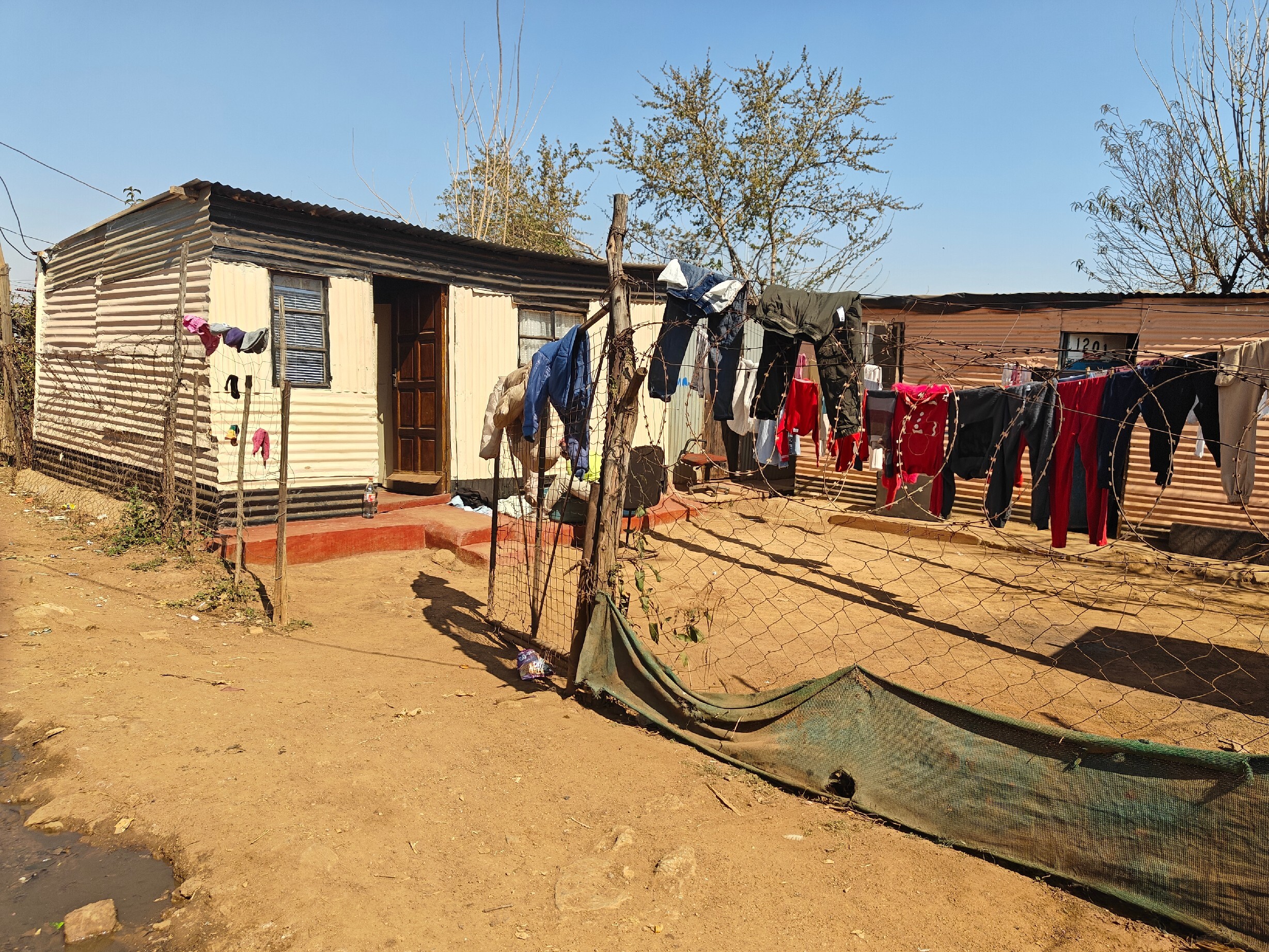
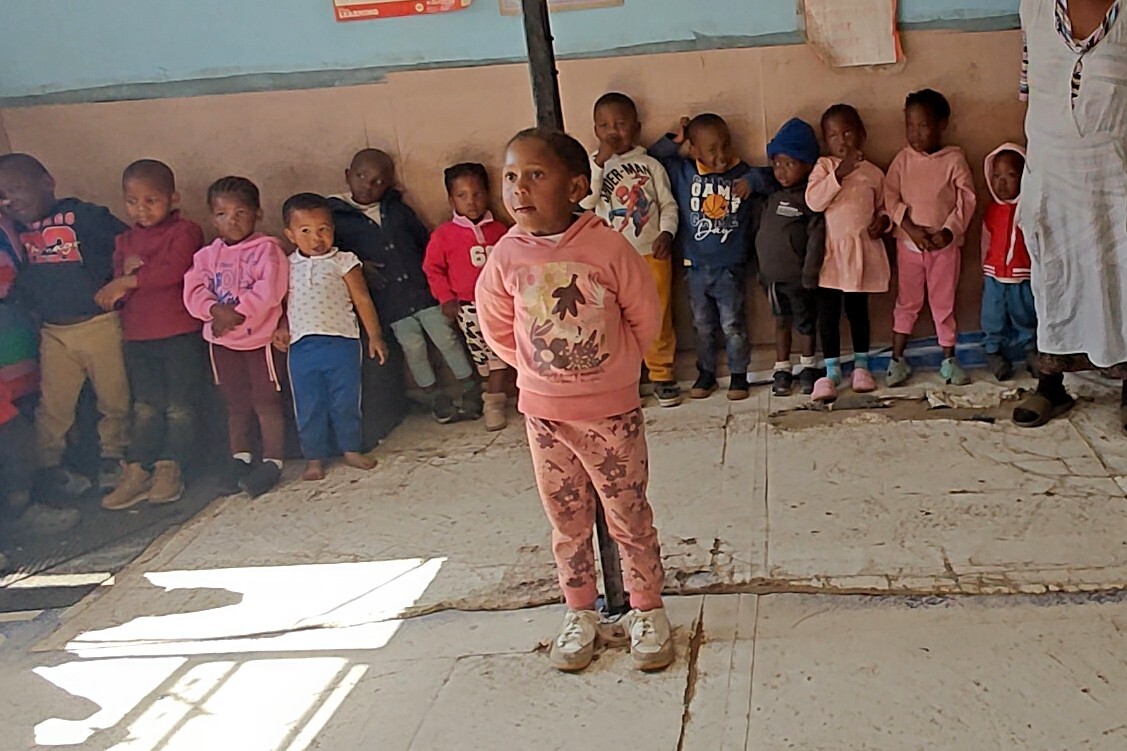
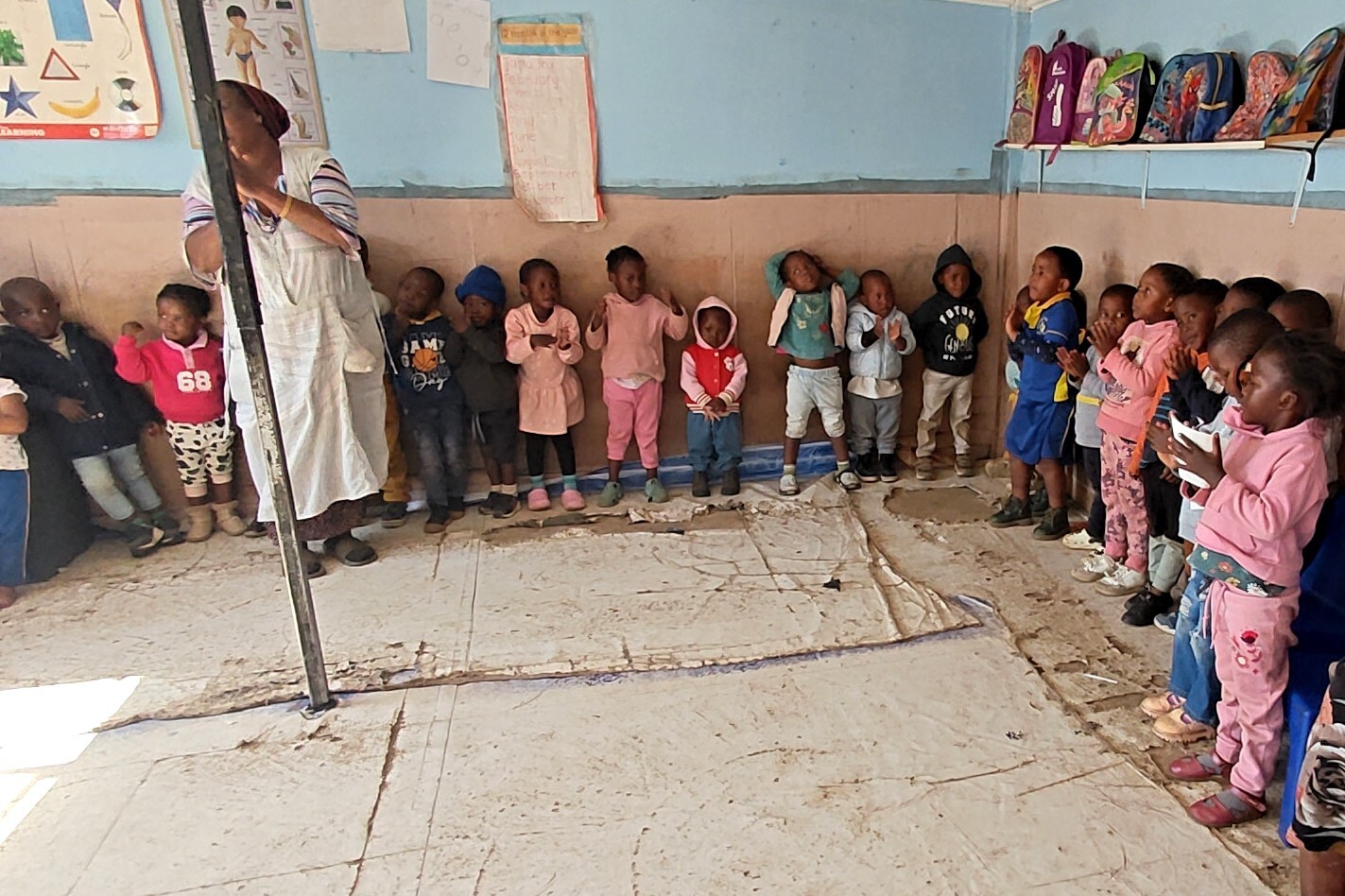
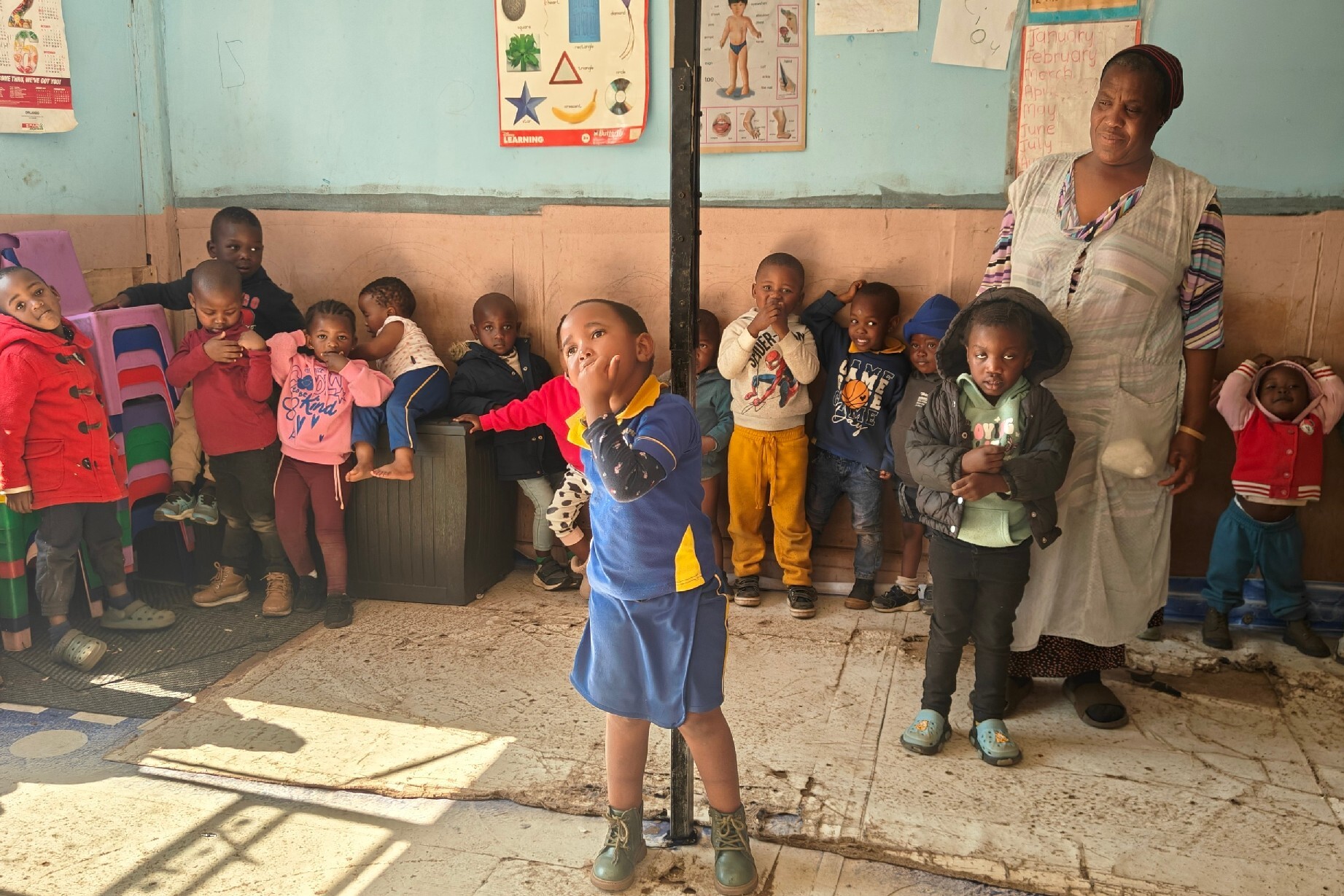
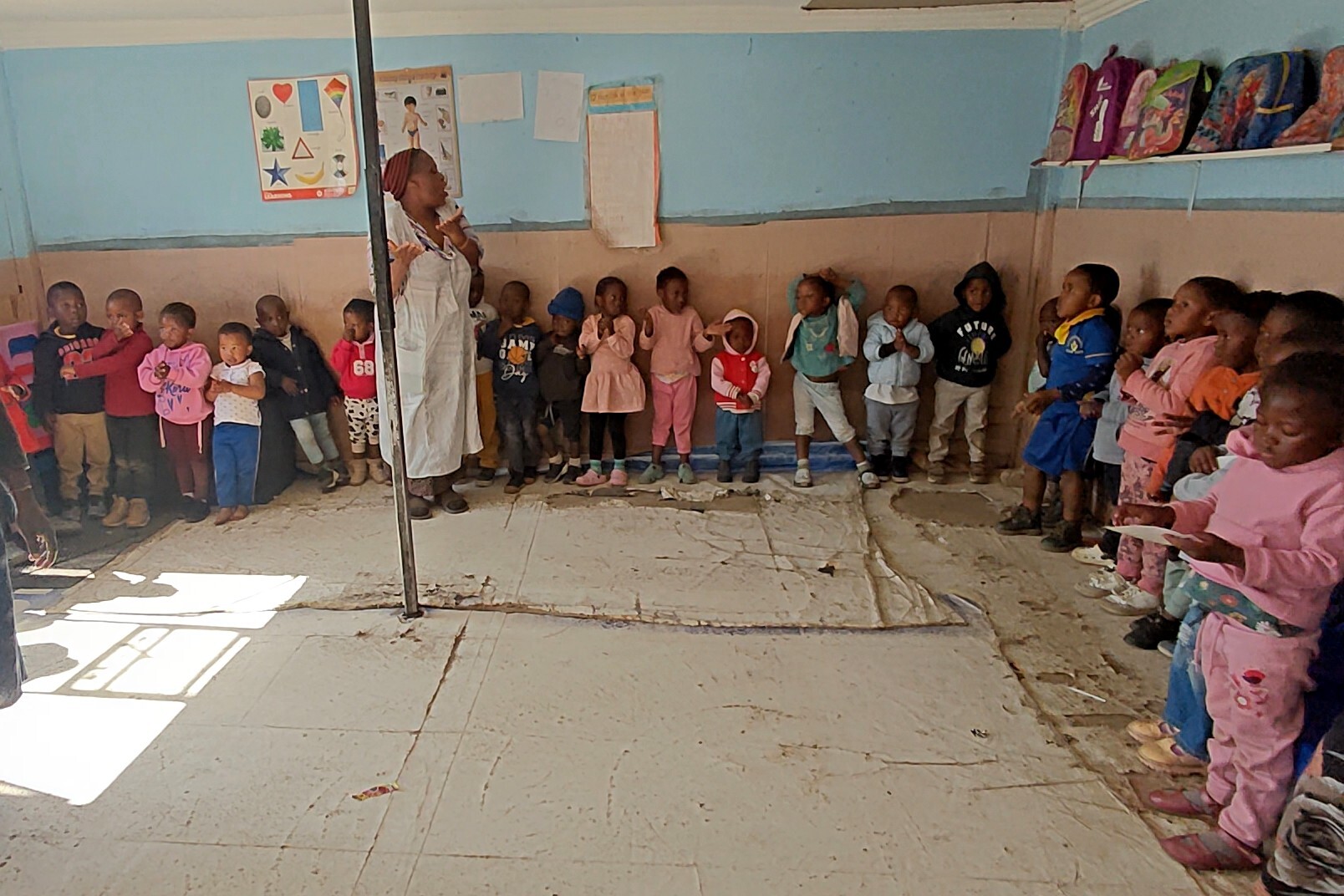
Pollen then took us to the Motsoaledi informal settlement of 15-20,000 people where we took a short walk with a local guide to see the homes, the water sources, the drop toilets that get emptied once a week finishing off with a visit to a kindergarten where preschoolers go till they are old enough to start school. They sang us a couple of songs and a few of the 5 year olds got up and said a few things about themselves. This was so cute!
We also drove past Winnie Mandela’s house but it is not open to the public so we didn’t see much.
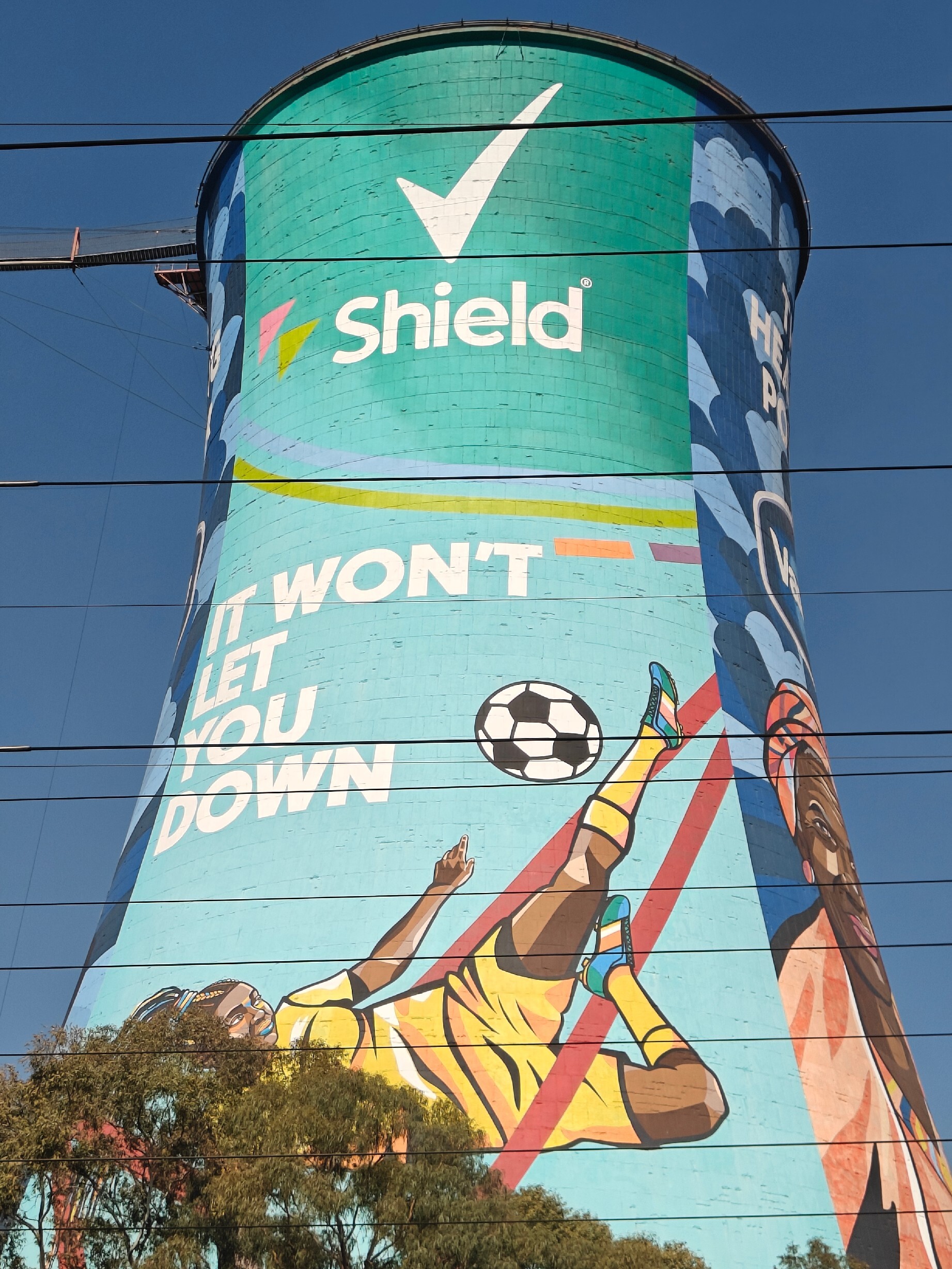
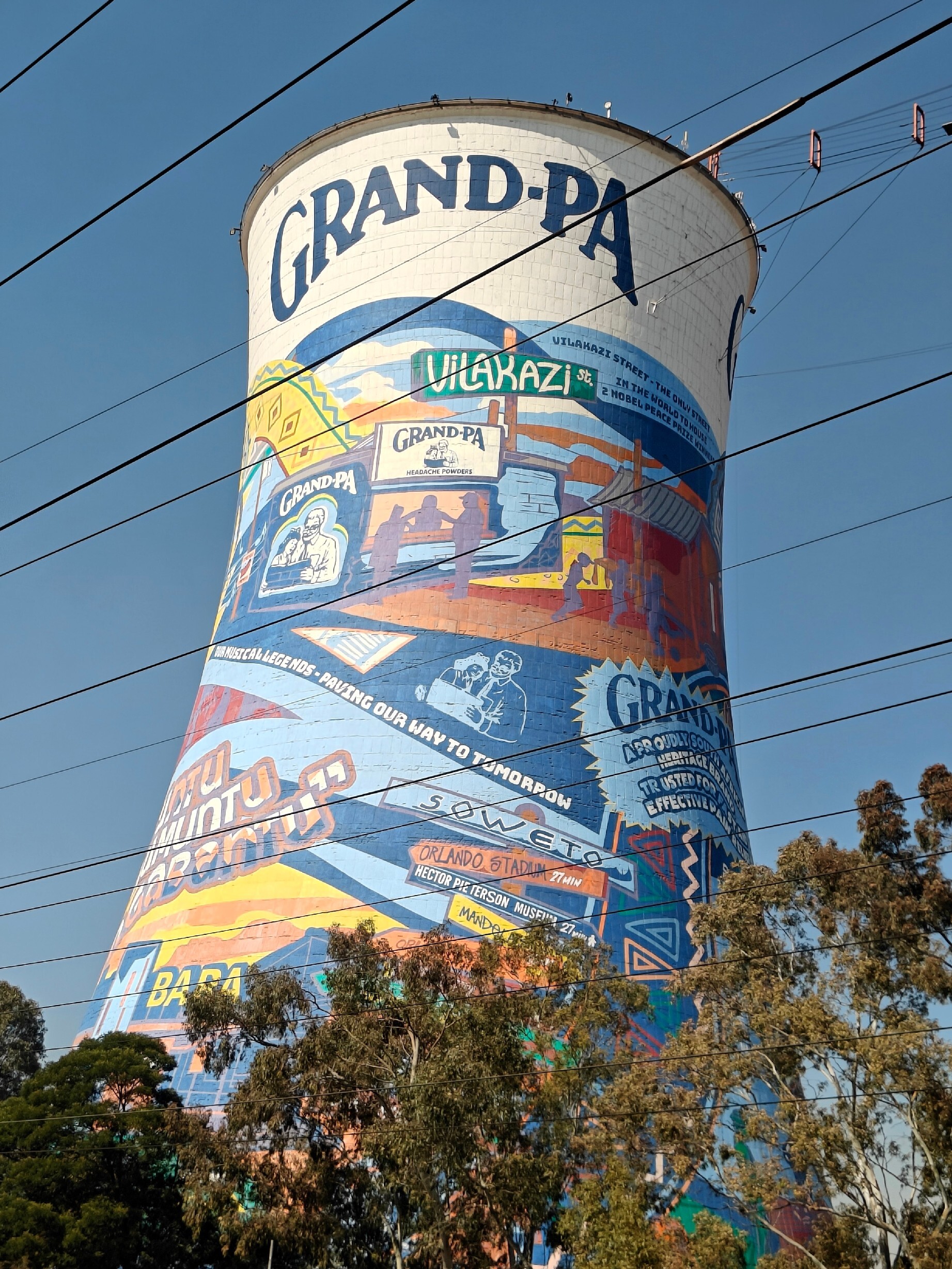
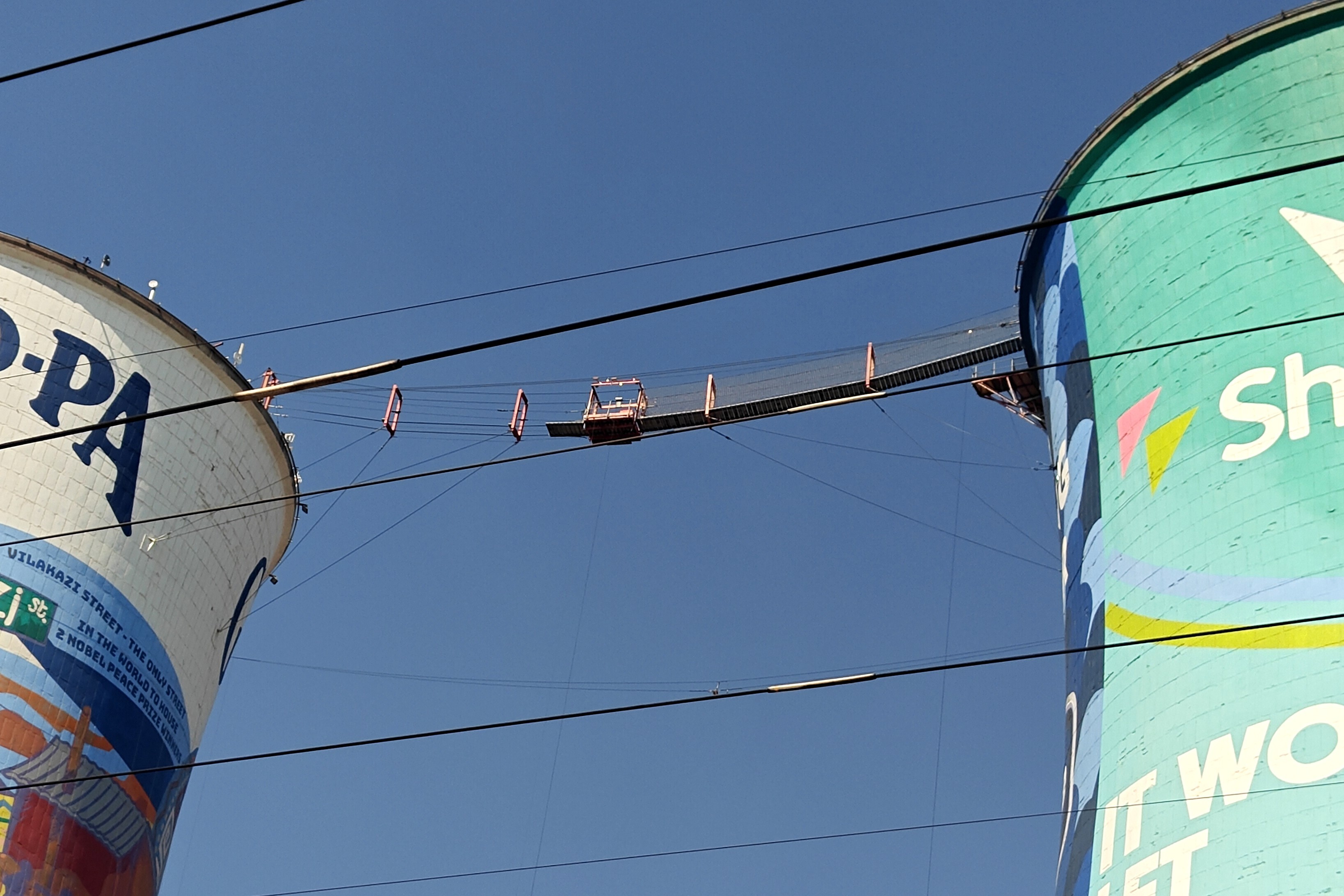
The following stop was the Orlando Water Towers. These have always been in Soweto and provided power only to the city of Johannesburg not the township itself. They were turned off in 1996 and now they are large billboard type structures that get new advertising every five years. There is a restaurant on top, a night club in the bottom of one and a bungee jump in between them.
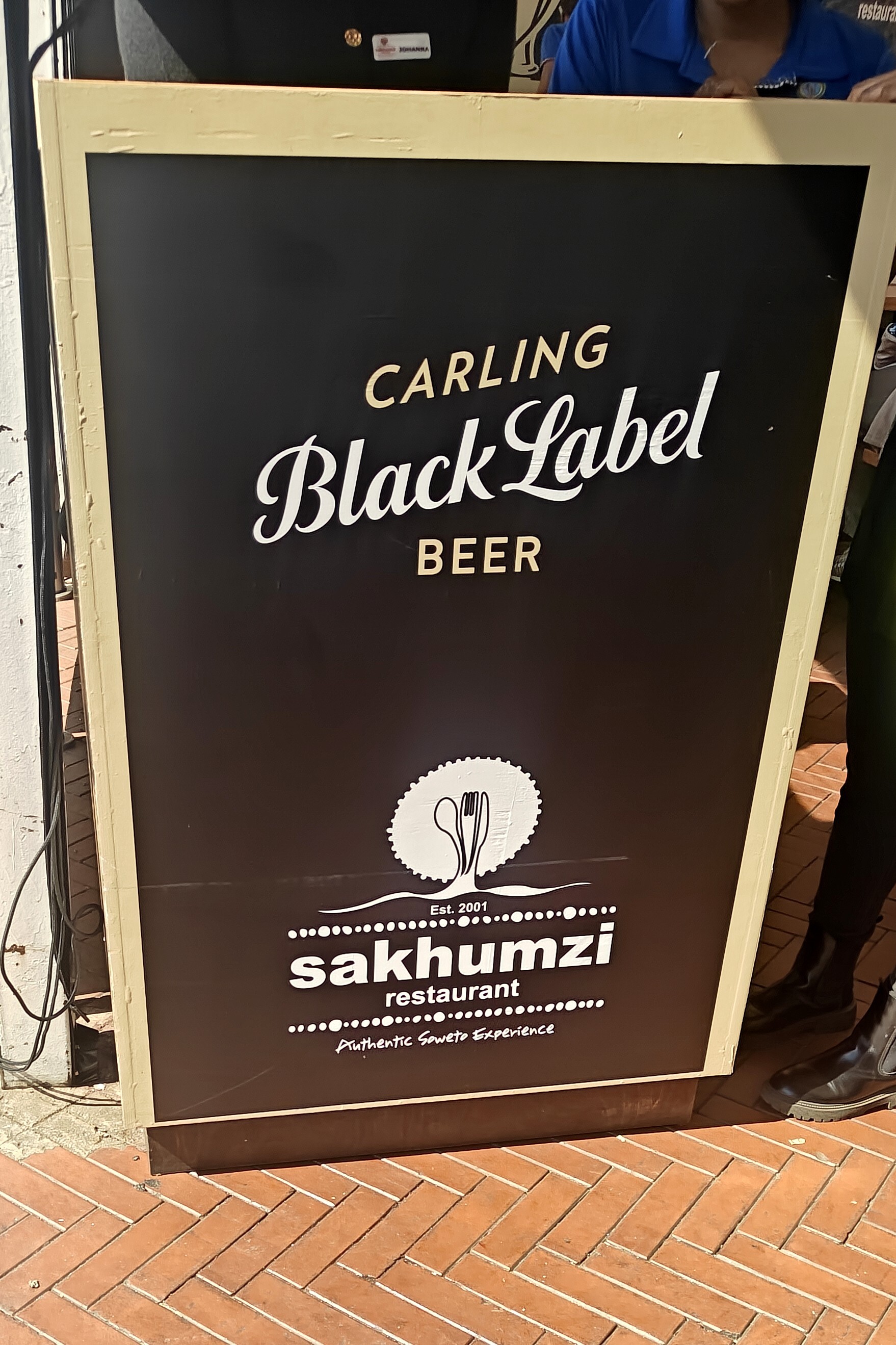
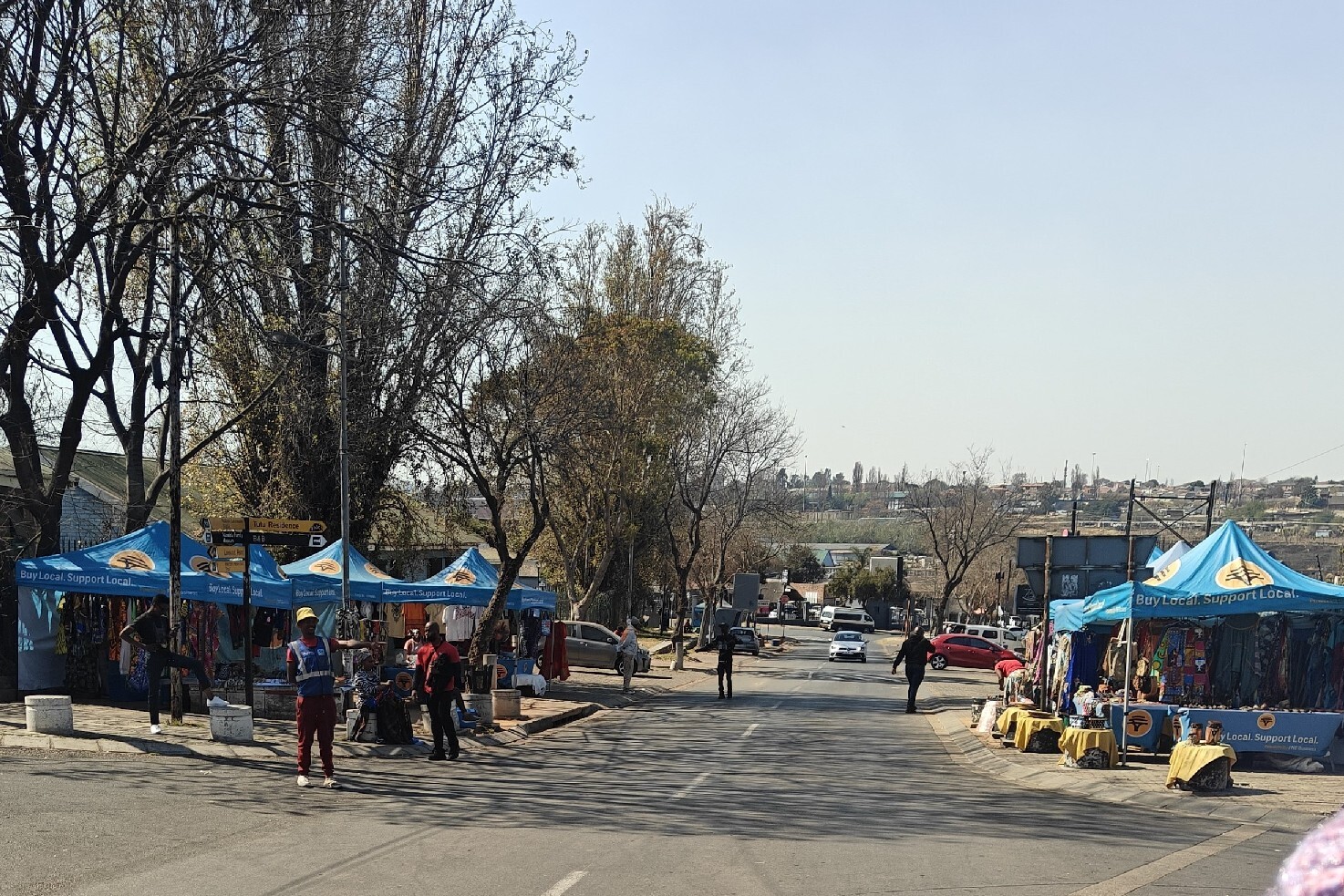
We drove to the main touristy street of Soweto where Nelson Mandela’s home is located and around it have sprung up restaurants and souvenir shops. Pollen took us to Sakhumzi (means to build a house) for lunch where we enjoyed a pretty good buffet lunch including dessert.
 Temporary shops line this street:
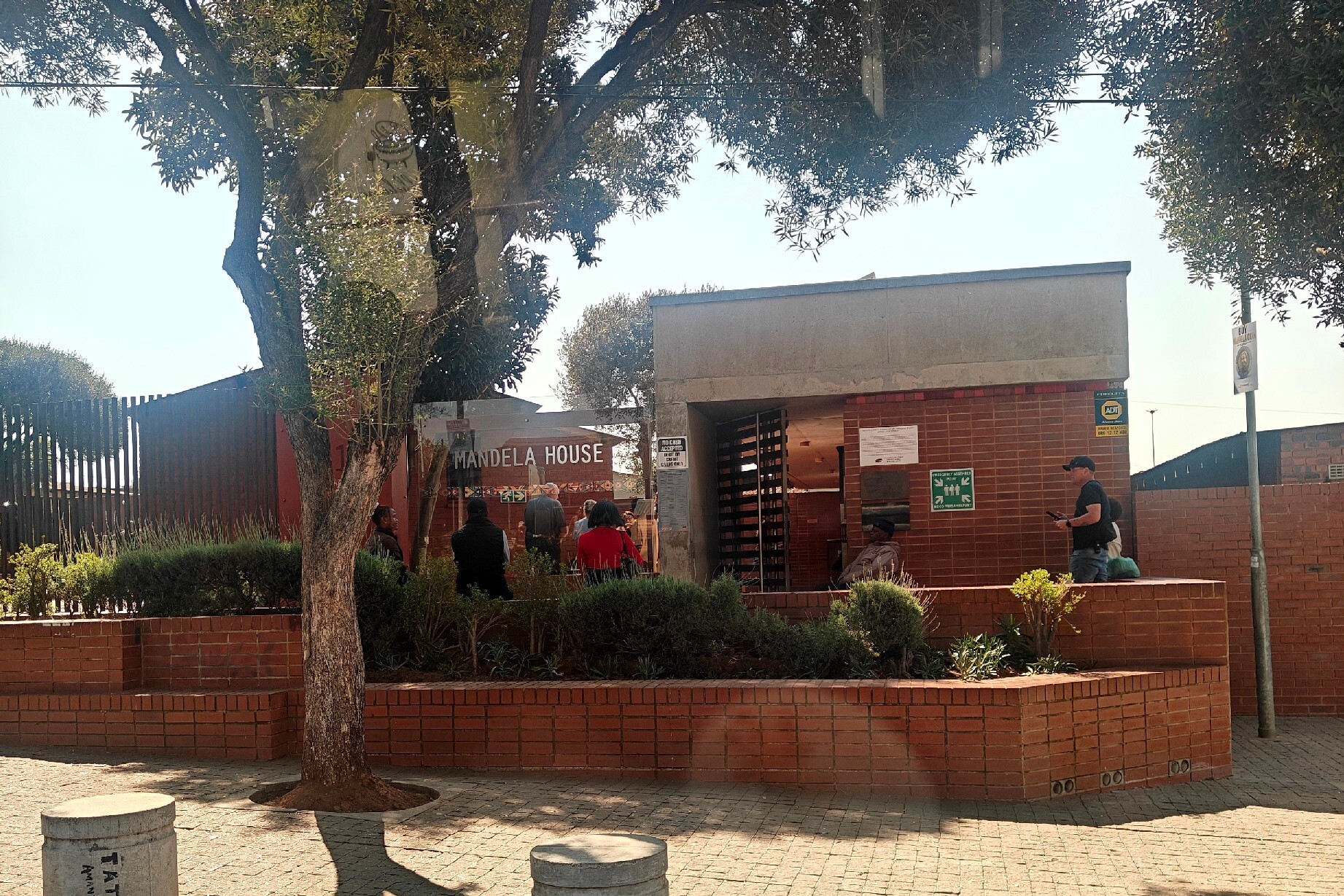
We had opted to only drive by the Mandela House just up the street and Pollen stopped in front and gave us some info on it and the first black president of the country. He confirmed our thinking that there was really not much inside to see that was original and did not try and persuade us to pay to go inside.
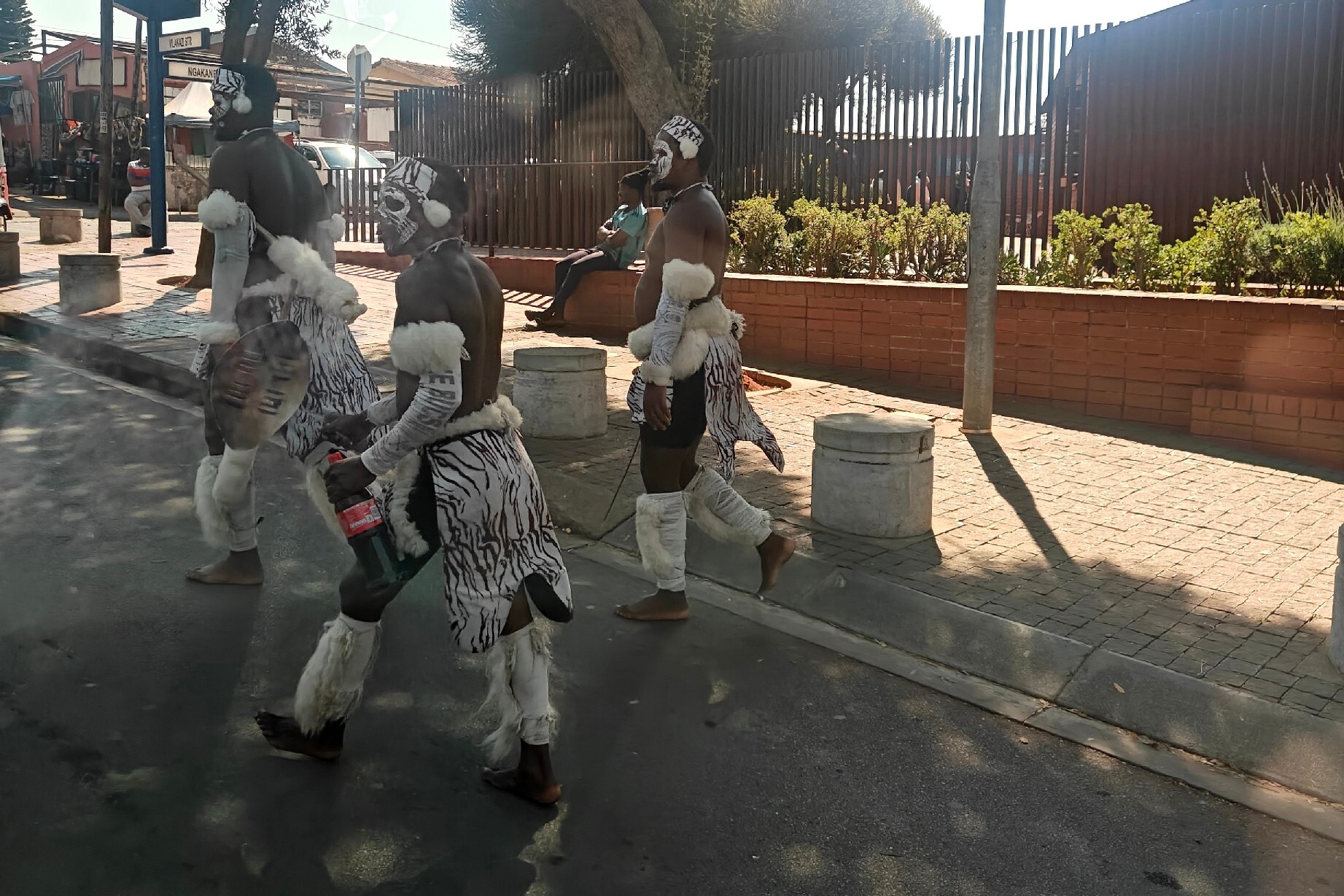
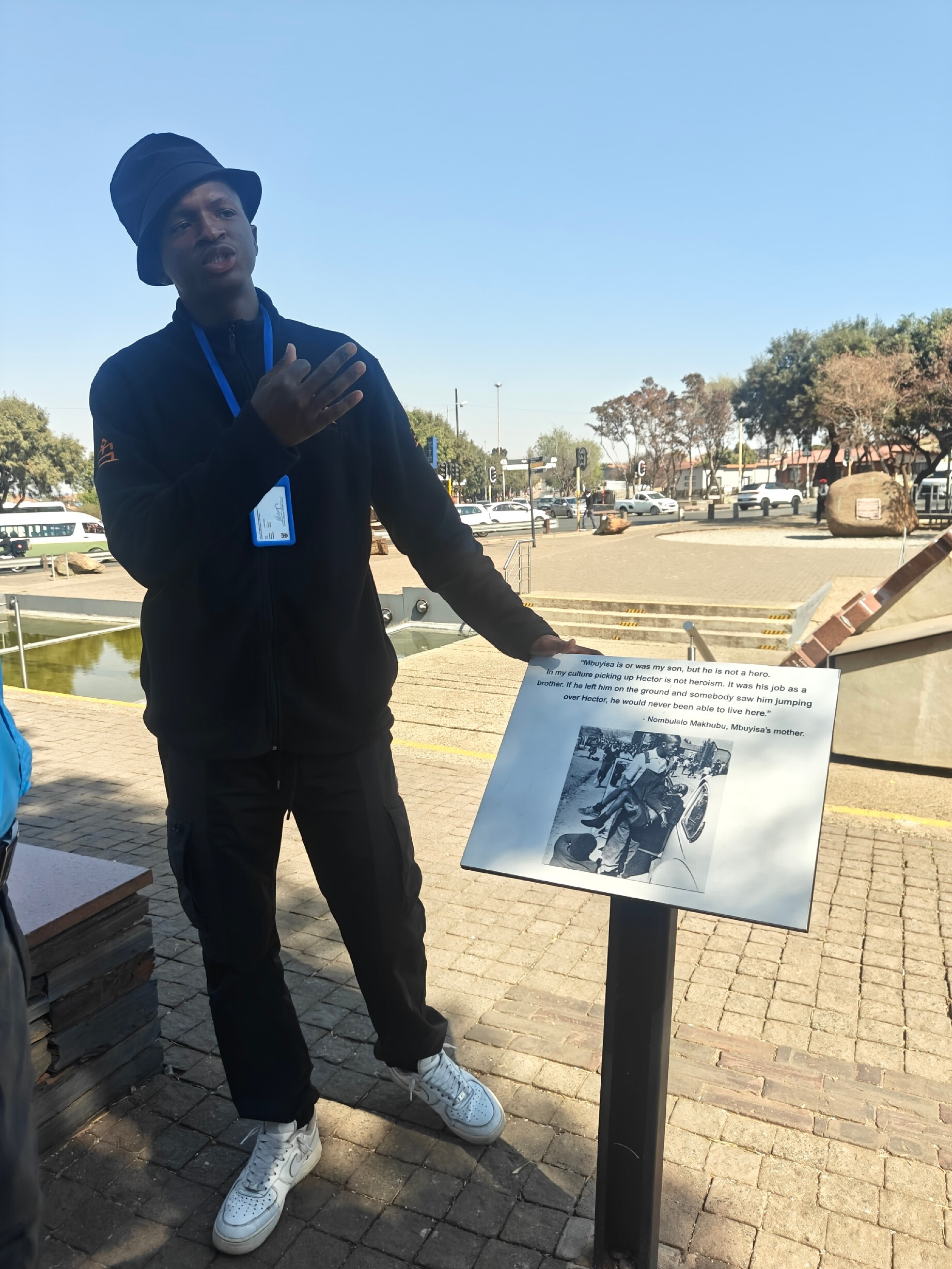
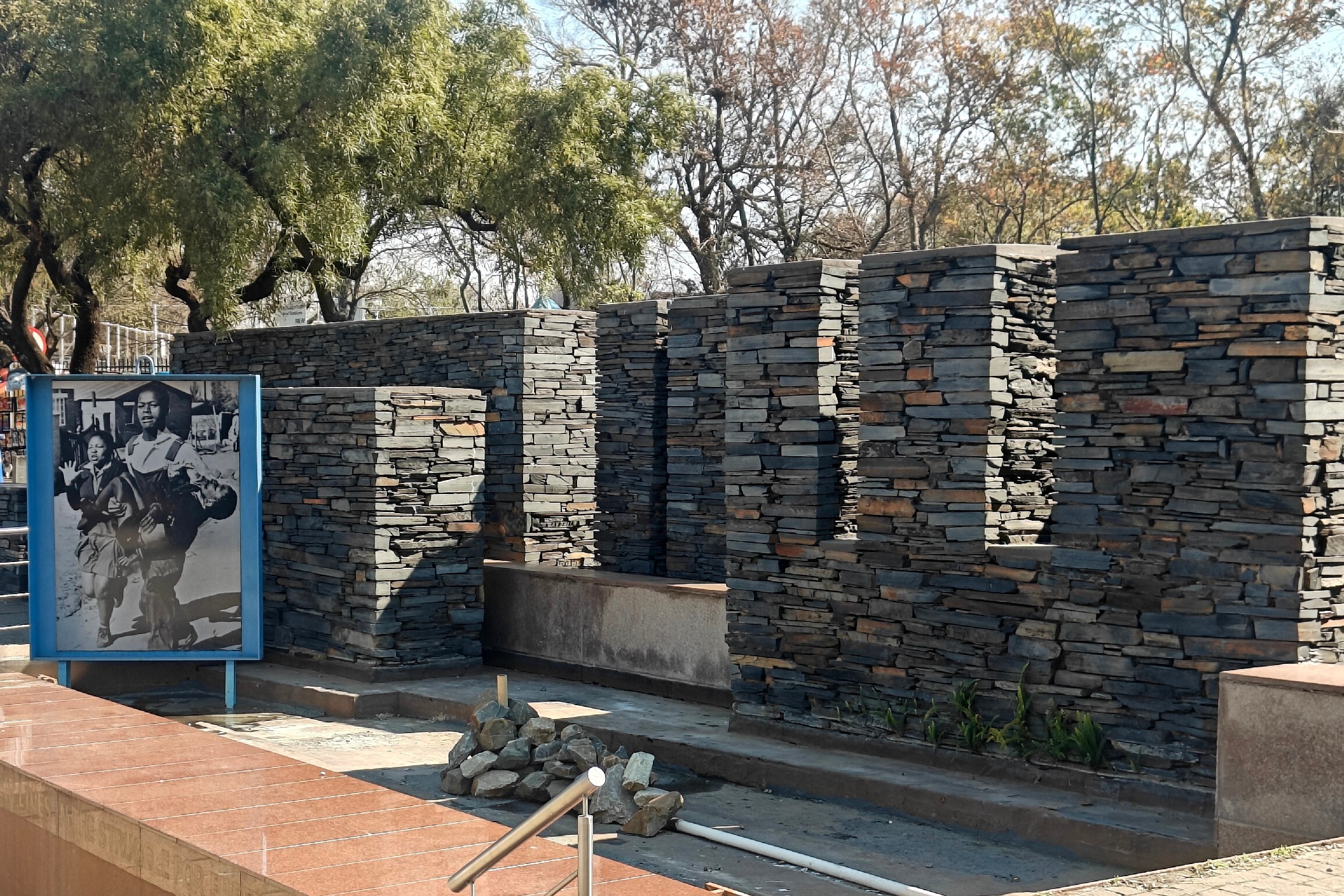
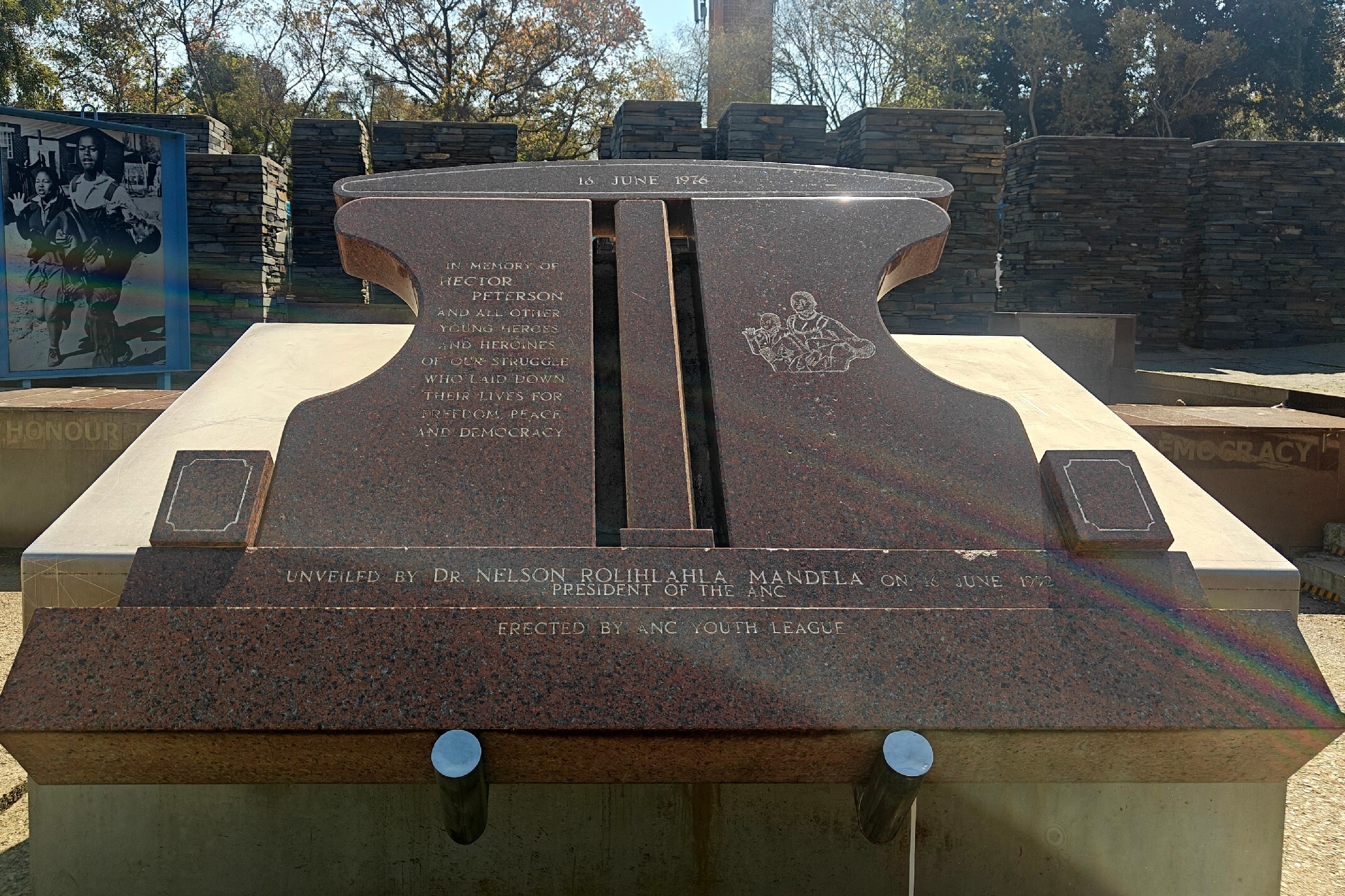
The penultimate stop was the Hector Pieterson plaza and museum (we did not go inside). This is where the young boy, Hector, was shot with rubber bullets and killed and this incident began the Soweto riots of 1976.
The Soweto rebellion, was a series of demonstrations and protests led by black school children in South Africa during apartheid that began on the morning of 16 June 1976.[2]
Students from various schools began to protest in the streets of the township in response to the introduction of Afrikaans, considered by many black South Africans as the “language of the oppressor”, as the medium of instruction in black schools. It is estimated that 20,000 students took part in the protests. They were met with fierce police brutality, and many were shot and killed. 176 pupils had been killed in Soweto by the end of June 16. The uprising sparked unrest throughout South Africa, with 575 deaths from violence by the end of February 1977. The riots were a key moment in the fight against apartheid as it sparked renewed opposition against apartheid in South Africa both domestically and internationally. In remembrance of these events, 16 June is a public holiday in South Africa, named Youth Day. Internationally, 16 June is known as The Day of the African Child.
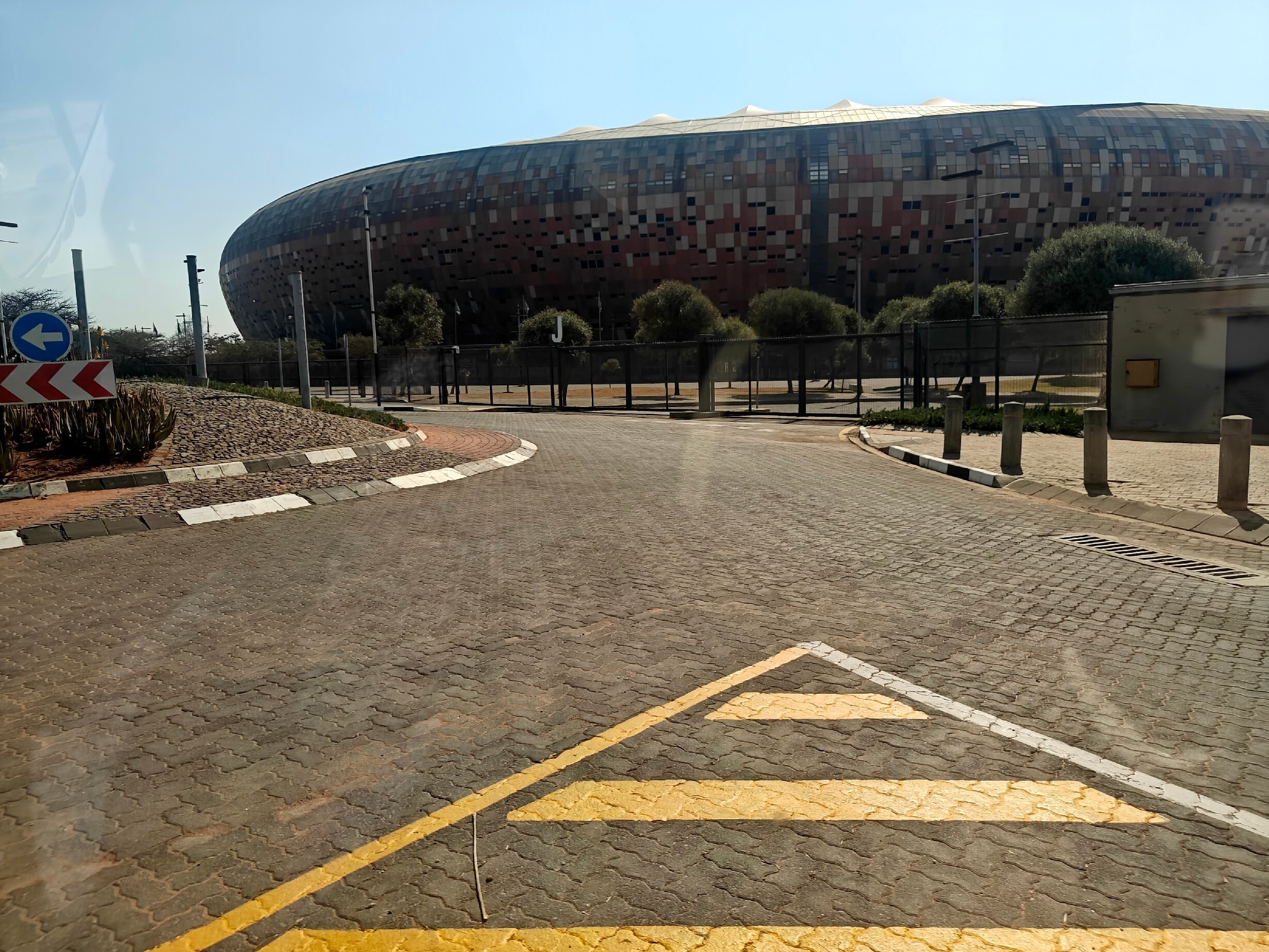
Our final stop was the FNB soccer stadium – it is the home to Pollen’s favourite local club and was used during the FIFA World Cup held in South Africa in 2010. It holds 94,739 fans and is the largest in Africa! It’s enormous and is nicknamed the Calabash which means “African pot”. The mosaic pattern on the outside facade represents the fire glowing around the base of the pot.
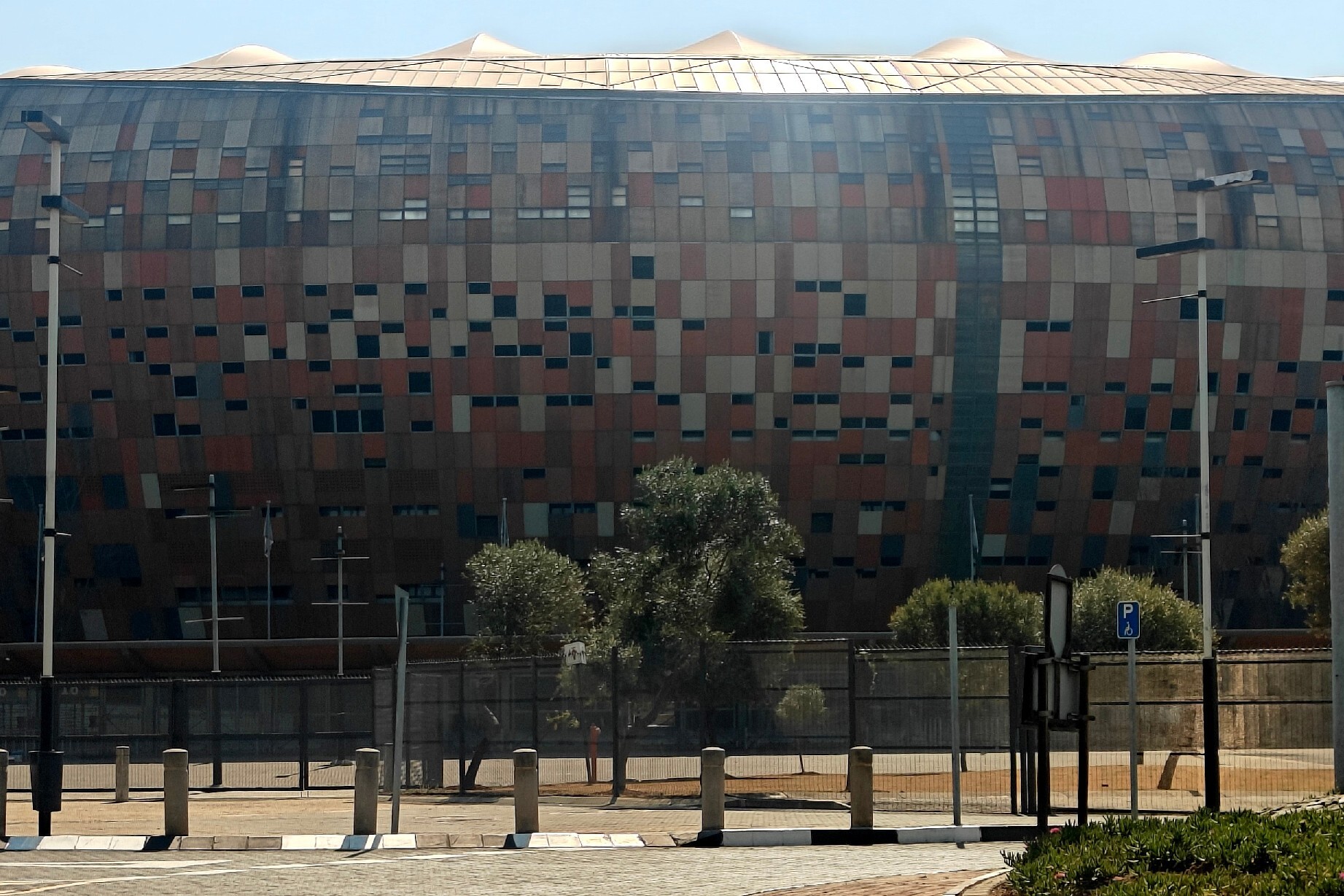 He took us back to Mike’s car about 1:30 and we felt we’d had a great tour.
We were back at the house by 2:30, Doug went for a walk, Fran worked some and Suzanne had a rest – she’s still recovering but getting stronger every day. We had a simple supper of soup that night and all of us watched a movie after dinner.
Friday was another quiet day. Doug was experiencing a lot of tearing of his eye so he went to see the ocularist in the late morning and she buffed up a few rough spots and it seems alright now. He stills feels the “fullness of the eye” as it’s slightly larger but that will just take time to get used to.
That evening we took Mike and Suzanne out for dinner to show our appreciation and they chose their favourite Italian place, Carafa, and we had a delicious meal with great food, drink and most importantly, company!
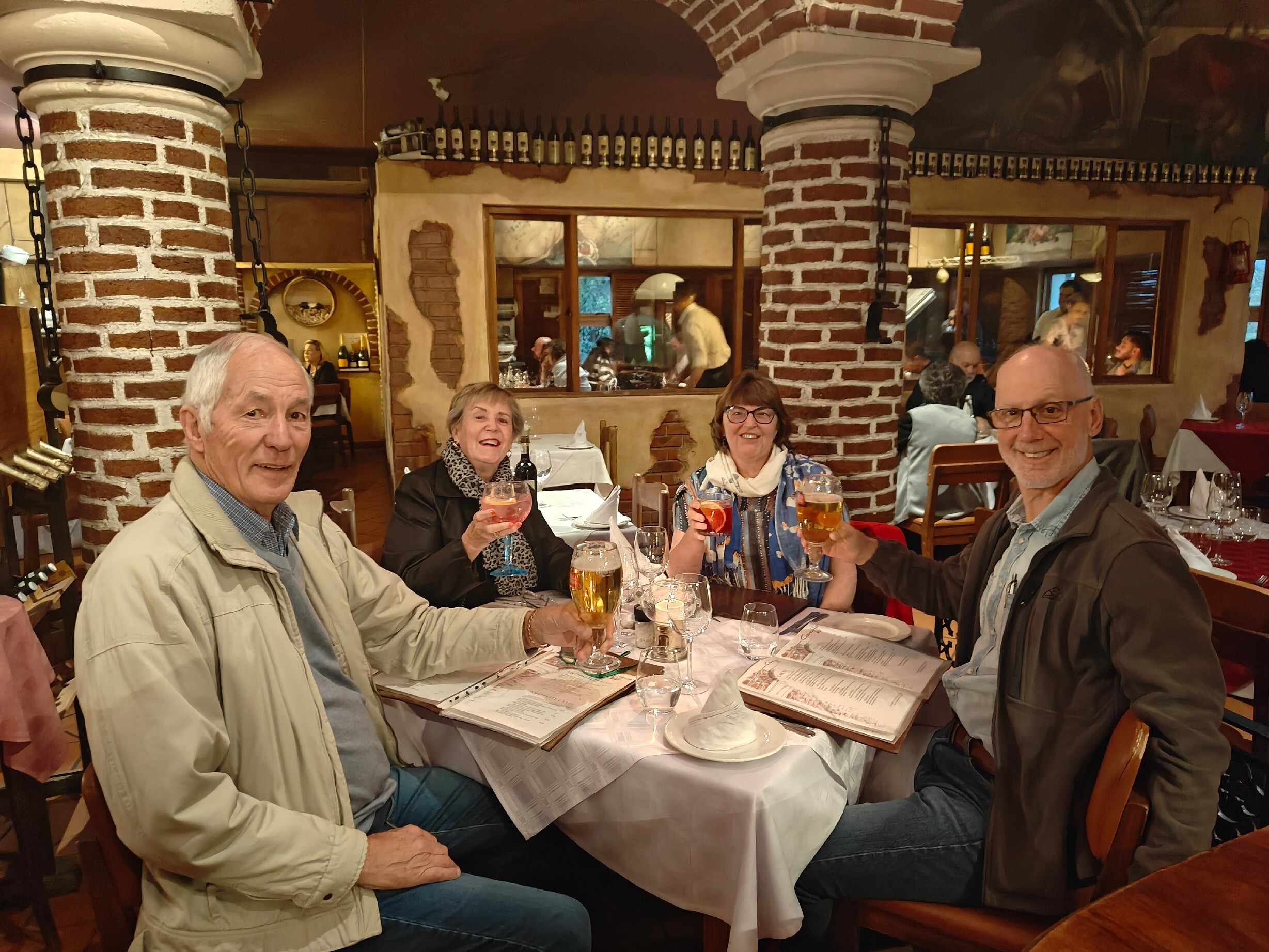
We were home around 8:30 and they wanted to watch a rugby game they had tape and we were off to bed shortly after that.
Saturday, they were having their boys and families over for a braai (bbq) lunch. We knew Clive and Tyron from the 80’s when they were boys in primary school and in fact their entire family came to visit us when we lived in Toronto back in 1992, at which time the boys were then teenagers. It was so lovely to see them again and learn where their lives had taken them. Between them they have 4 teenage kids now who are all so well brought up and helpful to everyone.
That evening we had a quiet small dinner with Suzanne and Mike before watching a movie and they then watched a national soccer game of the Springboks vs Argentina in Buenos Aires. The home team lost and South Africa went to bed happy.
Sunday morning after showers, packing and breakfast, we said our goodbyes. It was a very nice week with long time friends and we hope we meet again one day…..
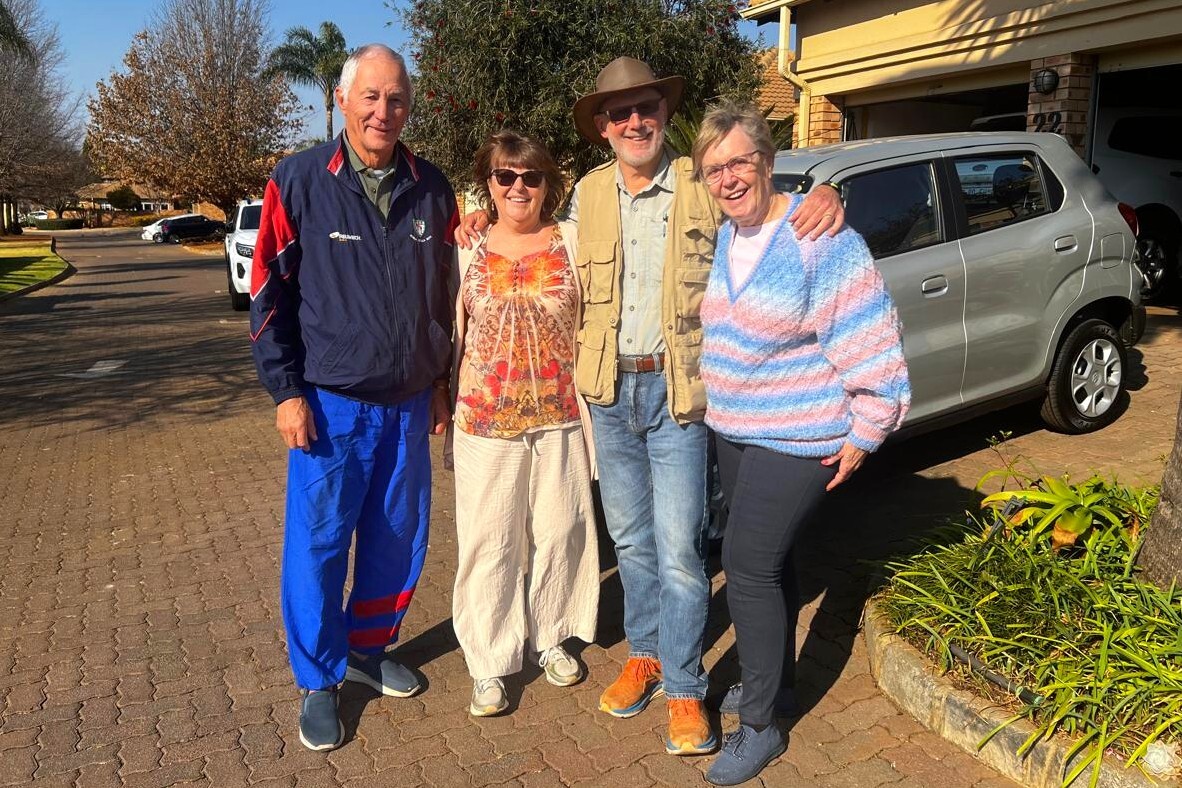
We made our way to the O.R. Tambo International Airport, car drop off was quick and easy and we checked in for our flight to Malawi.
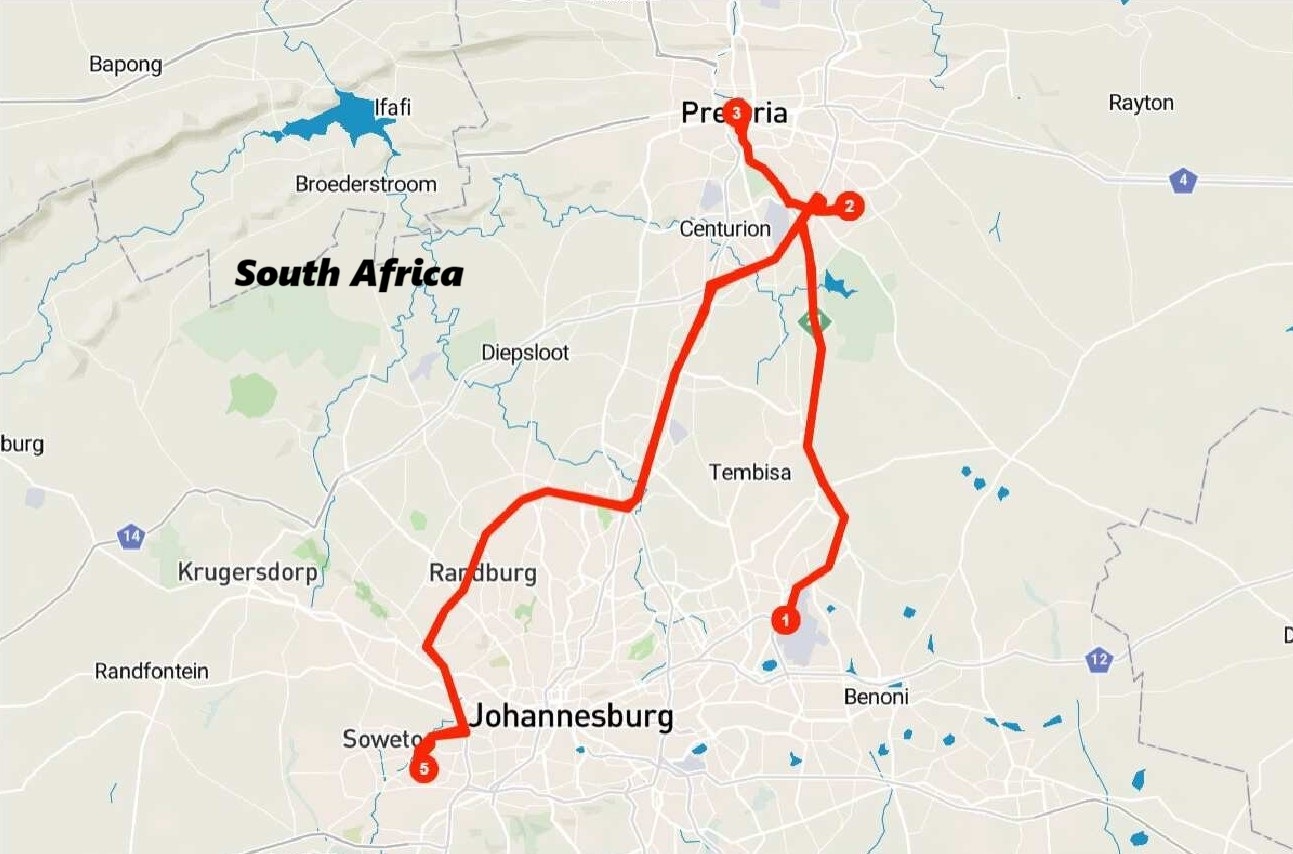
We only drove 254 km / 158 mi as we did not roam around sticking to Pretoria (Mike did the driving to Soweto).
(We will be using Joburg airport as our base during the rest of this trip but not meeting up with our friends.)